
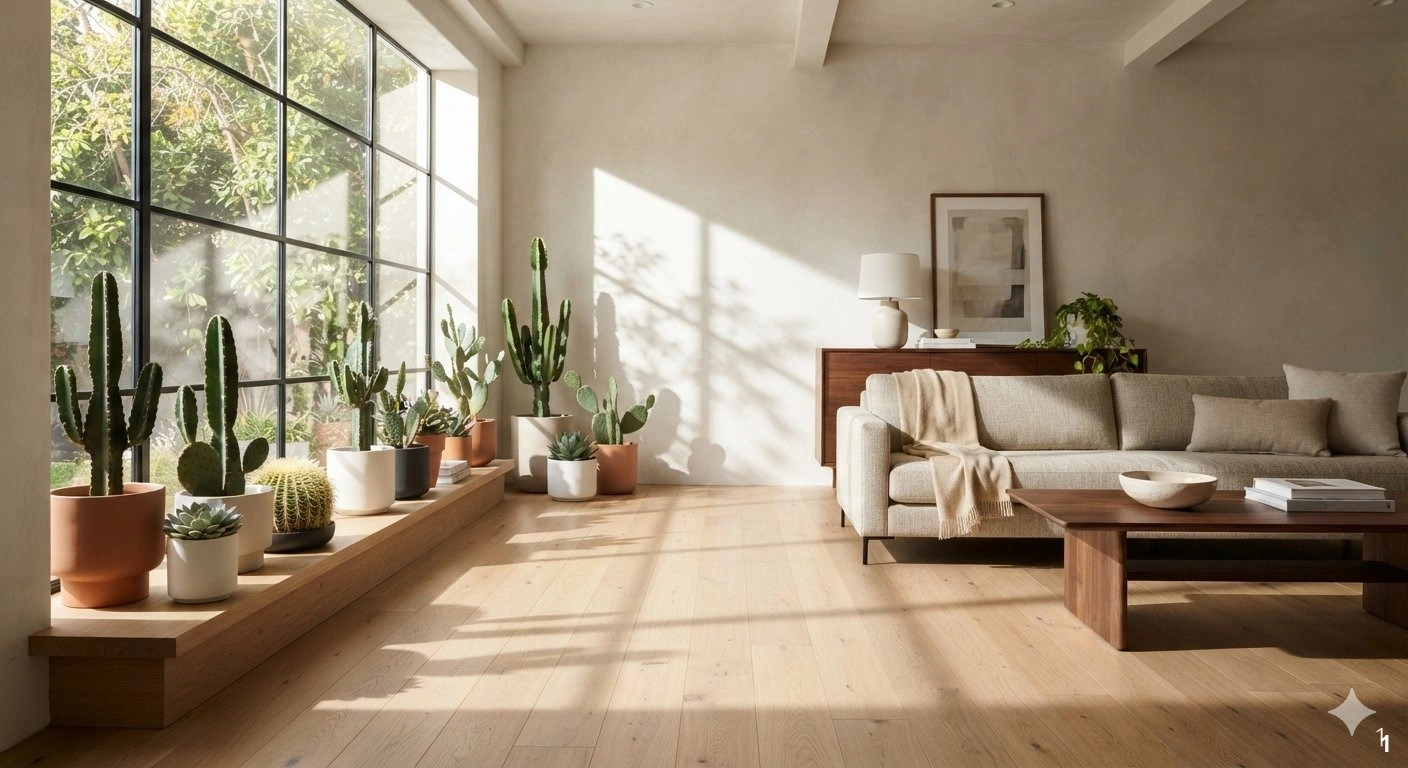
The living room serves as the heart of the home, yet even the most thoughtfully furnished spaces can sometimes feel incomplete. Incorporating greenery is the most effective way to bridge the gap between architectural structure and organic warmth. Whether you are looking to soften sharp lines or breathe life into a neglected corner, the right botanical elements can instantly elevate your interior design.
Finding the perfect balance between aesthetics and maintenance can feel overwhelming, especially when navigating specific lighting conditions or limited floor space. However, mastering indoor plants ideas for living rooms is less about having a perfect green thumb and more about understanding the principles of scale, texture, and placement. When curated with intention, plants transition from simple accessories to essential design features that anchor your room.
In the following guide, we will move beyond basic plant care to explore how you can strategically layer greenery to create a sophisticated, professional look. From selecting varieties that thrive in your specific environment to choosing vessels that complement your existing decor, we provide the practical expertise needed to curate a thriving, stylish botanical retreat.
Assessing light conditions for optimal plant health
Before you bring a single leaf into your living room, you must audit your natural light. Plants are living design elements, and their survival—not to mention their aesthetic contribution—depends entirely on matching their needs to your room’s exposure. A south-facing window offers the intense, direct sunlight that desert-dwelling cacti and succulents crave, while a north-facing window provides the gentle, consistent indirect light perfect for lush, tropical foliage like ferns or peace lilies.
To test your space, observe the light intensity at different times of the day. If you find your living room is perpetually dim, do not force a sun-loving Fiddle Leaf Fig into a dark corner; it will inevitably drop leaves and look sparse. Instead, opt for low-light survivors like Snake Plants or Zamioculcas zamiifolia. These varieties offer structural elegance without demanding constant sun. A common mistake is placing plants too far from the source; remember that light intensity drops off significantly just a few feet away from a window. If your heart is set on a specific plant that requires more sun than your room provides, consider supplementing with discreet, full-spectrum LED grow lights tucked behind your furniture. By aligning your plant selection with your home’s reality, you ensure your greenery stays vibrant rather than becoming a source of maintenance stress.
Selecting statement floor plants for corner focal points
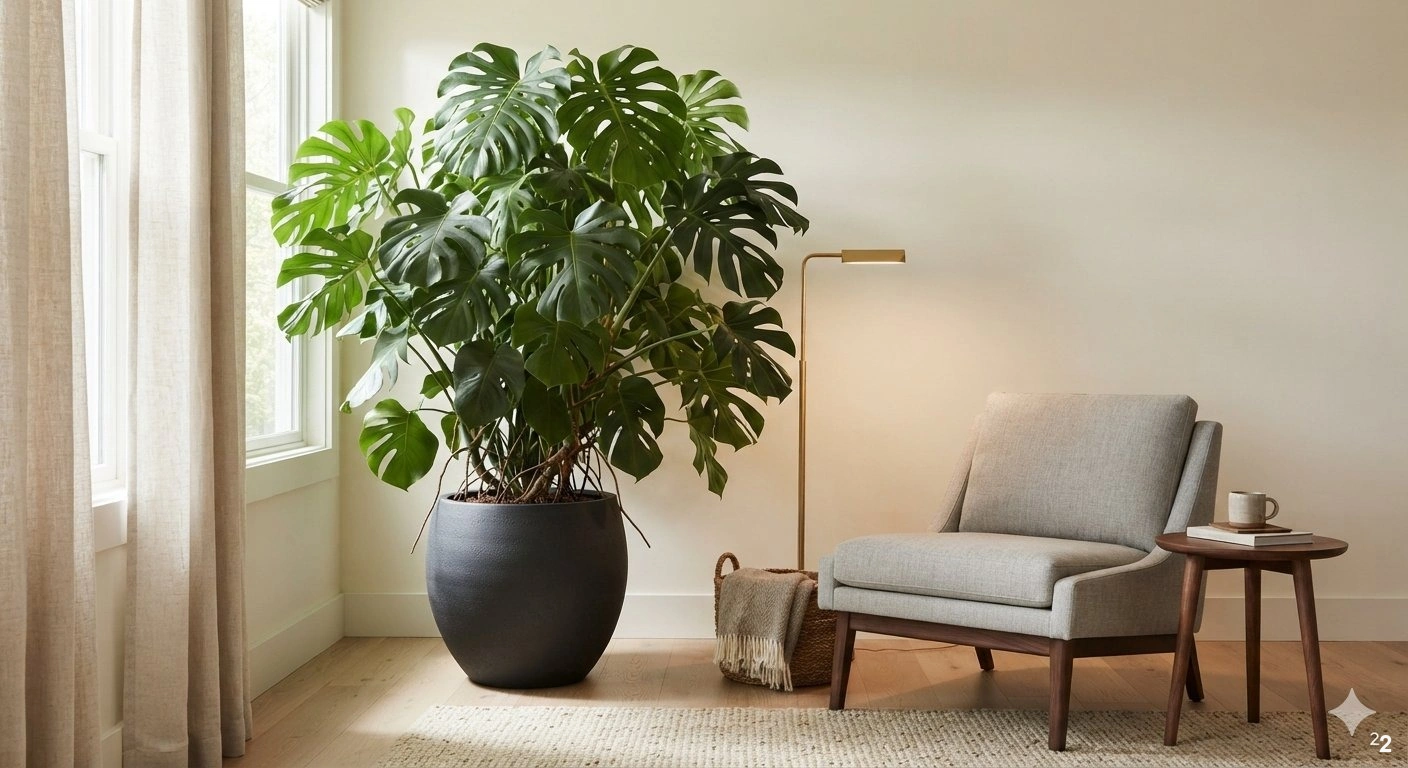
A large-scale plant acts as a living sculpture, grounding a living room and softening the often rigid lines of cabinetry or sectionals. When selecting a statement floor plant, look for varieties with architectural silhouettes. A mature Bird of Paradise or a towering Monstera Deliciosa provides an immediate sense of scale and drama. These plants work best in empty corners or beside a reading chair, where they can serve as a natural anchor for the surrounding furniture groupings.
When styling, ensure the pot is proportional to the plant’s height. A small pot under a massive plant looks top-heavy and accidental. I recommend using a decorative basket or a ceramic floor planter that elevates the plant slightly off the ground, allowing for better airflow and a more refined aesthetic. Avoid placing statement plants directly in front of high-traffic walkways where they might be brushed against or damaged. Instead, tuck them into a “dead” corner and pair them with a small, low-profile floor lamp to highlight the texture of the leaves during the evening hours. The goal is to make the plant feel like a deliberate piece of art rather than a temporary addition. If your room has a neutral palette of creams and soft grays, a deep green, broad-leaf plant provides the perfect punch of natural color, instantly breathing life into a minimalist space.
Mastering the art of shelf styling with trailing varieties
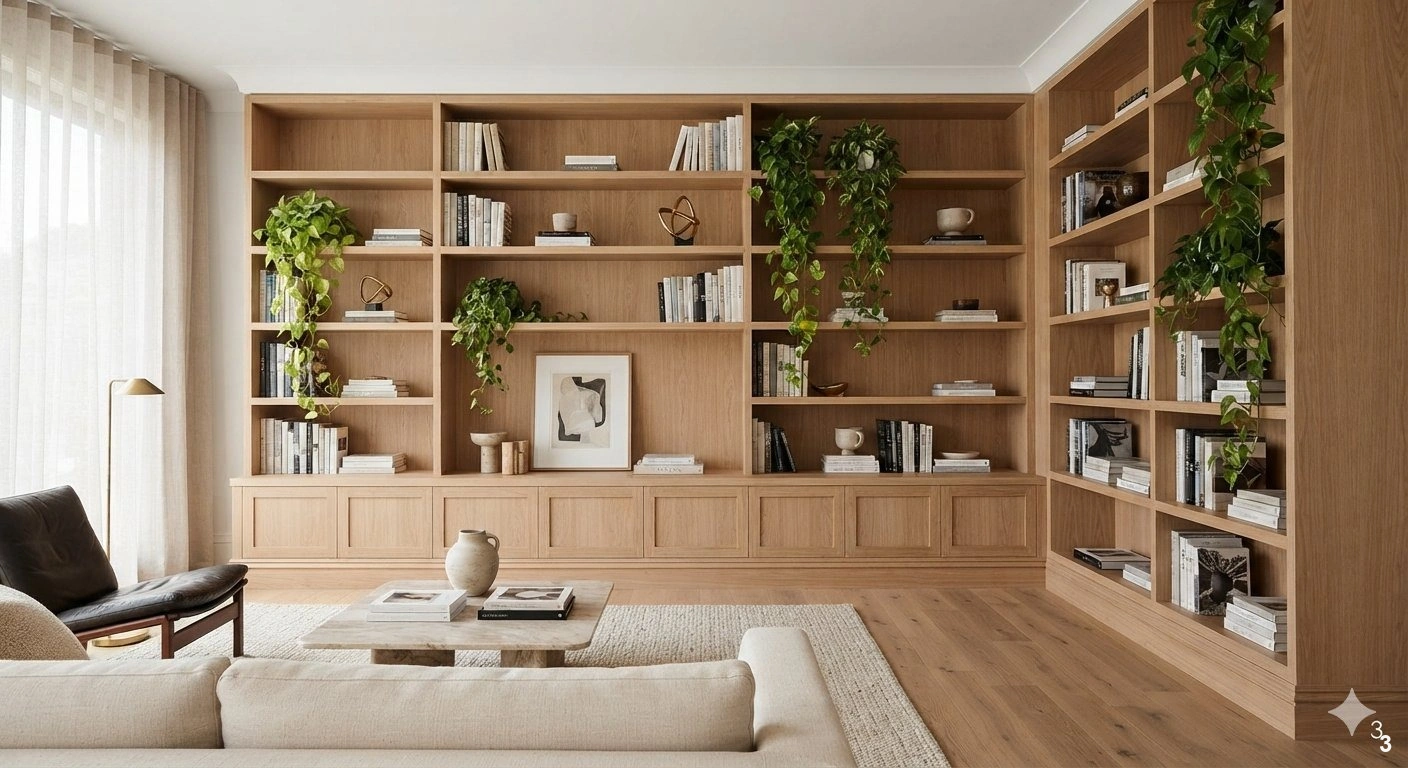
Bookshelves are often over-styled with hard objects, leaving them feeling static and cold. Trailing plants, such as Pothos or Philodendron, are the perfect antidote, introducing organic movement and a softening effect to your shelving. These vines should be placed on higher shelves, allowing their foliage to cascade downward, creating a layered, collected look that feels effortless and inviting.
When styling, don’t let the vines overwhelm the space. Use trailing plants to break up long runs of books or to add interest to otherwise empty nooks. I often pair a trailing plant with a stack of horizontal books or a small metallic sculpture to create a balanced vignette. The trick is to ensure the plant looks healthy; prune back any leggy or yellowing stems to keep the shape tight and lush. If you are worried about watering on high shelves, use a lightweight, moisture-retaining soil mix and choose varieties that are forgiving of an occasional missed watering. For color cohesion, match the planter to your shelf material—think matte black pots on dark wood shelves for a moody, contemporary vibe, or crisp white stoneware on light oak for a fresh, airy look. Avoid crowding every shelf; allow for negative space so the eye can rest, letting the greenery serve as a rhythmic accent rather than a clutter-inducing distraction.
Choosing artisan vessels that complement your interior design
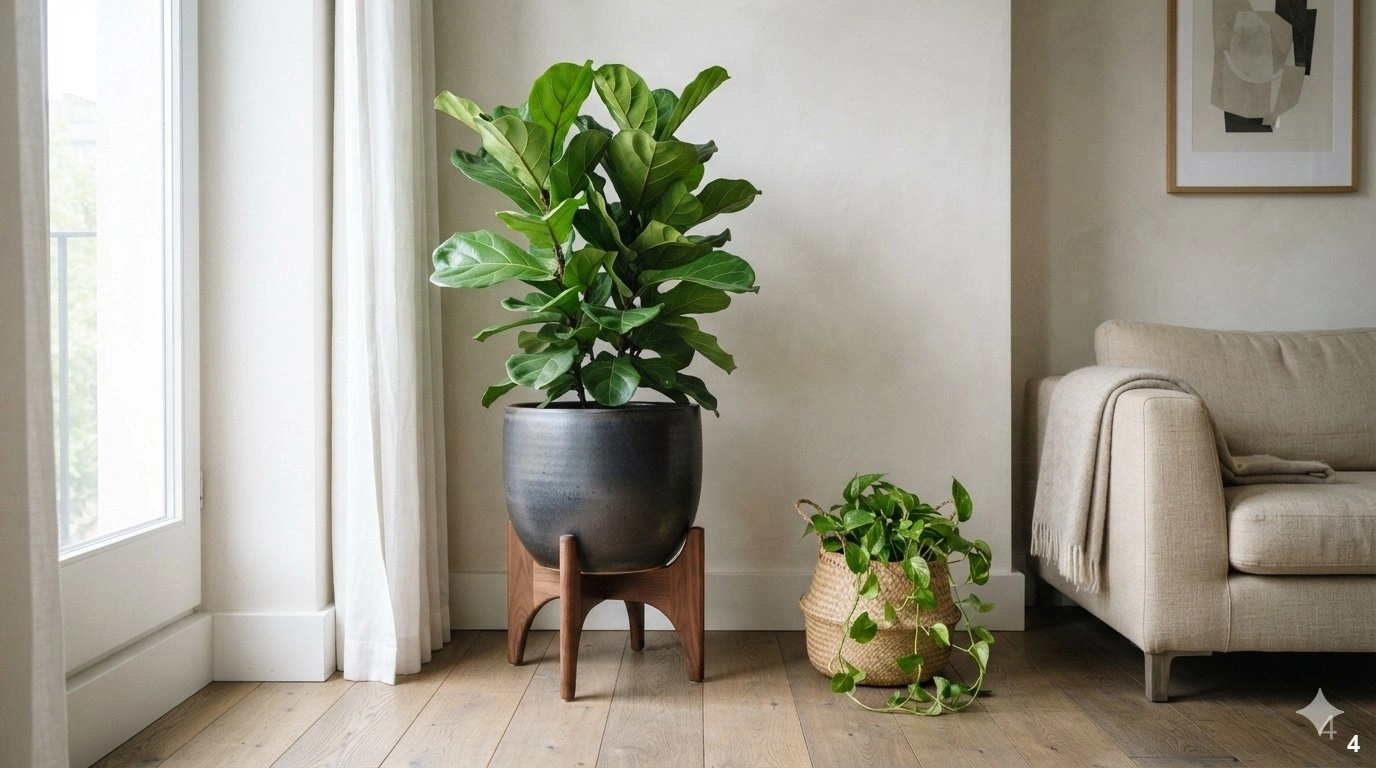
The container you choose is just as vital as the plant itself. A generic plastic nursery pot can undercut the beauty of even the most magnificent specimen, whereas a carefully selected artisan vessel elevates the entire room’s design language. When choosing pots, consider the textures already present in your home. If your space features raw, organic elements like reclaimed wood or stone, look for hand-thrown pottery with earthy, matte glazes. For a more polished, contemporary space, lacquered ceramics or sleek metallic planters offer a sophisticated contrast.
Think of your planters as the jewelry of your living room. You don’t need every pot to match, but they should share a common thread—perhaps a consistent color palette or a similar silhouette style. For a cohesive look, group a few different textures, such as a concrete planter sitting beside a woven seagrass basket. Avoid bright, glossy plastic or overly ornate containers that distract from the natural beauty of the foliage. Instead, prioritize materials like terracotta, stone, or high-quality resin that feel substantial and timeless. If you have an expensive statement plant, don’t be afraid to invest in a designer stand. Elevating a plant on a mid-century modern wooden stand or a minimalist metal base adds architectural interest and makes the plant feel like a permanent, intentional fixture in your home decor. Always ensure your decorative vessel has a drainage hole or use a plastic insert to catch runoff, protecting your floors and furniture from water damage.
Applying the rule of three for balanced plant clusters
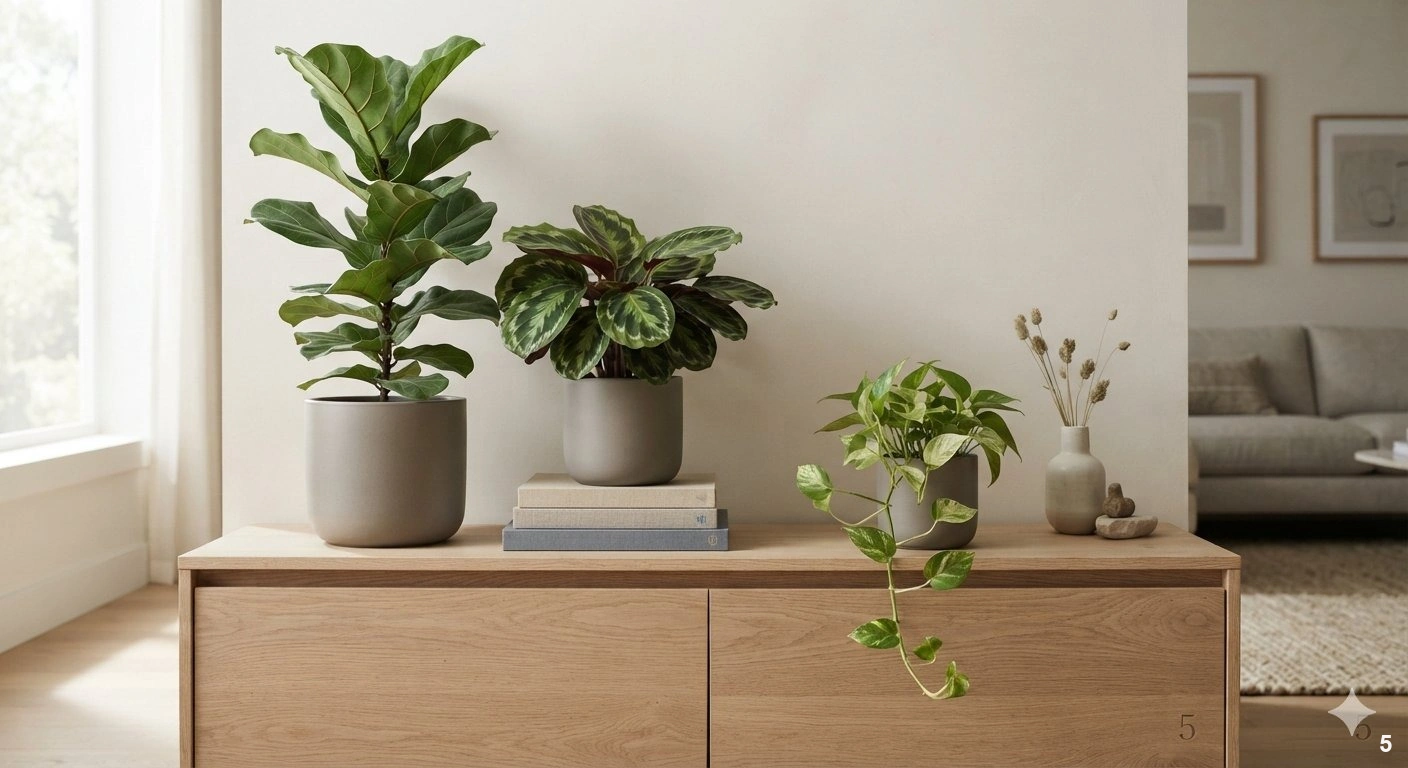
The rule of three is a classic design principle that works exceptionally well when styling indoor plants. Grouping three plants of varying heights, textures, and leaf shapes creates a visually interesting vignette that feels balanced and intentional. A cluster of plants prevents the ‘scattered’ look that happens when you place single pots randomly throughout a room. By grouping them, you create a dedicated ‘green zone’ that acts as a focal point.
Start by choosing a large anchor plant to provide height, a medium-sized plant with interesting foliage texture, and a smaller, trailing, or delicate plant to fill the gaps. This hierarchy ensures the eye moves naturally across the arrangement. When styling, vary the heights by using books, decorative boxes, or plant stands to prop up the smaller pots. This depth is what separates a professional designer’s work from a hobbyist’s arrangement. For a cohesive aesthetic, keep the color palette of the pots consistent—perhaps all neutral tones or varying shades of the same material—to keep the focus on the greenery. Avoid over-cluttering the cluster; leave enough space between the plants to allow for healthy air circulation and easy access for watering. This approach works beautifully on a wide sideboard, a fireplace hearth, or a low media console, turning a simple surface into a vibrant, living display that feels like a natural part of your home’s architecture.
Incorporating pet-friendly greenery without sacrificing style
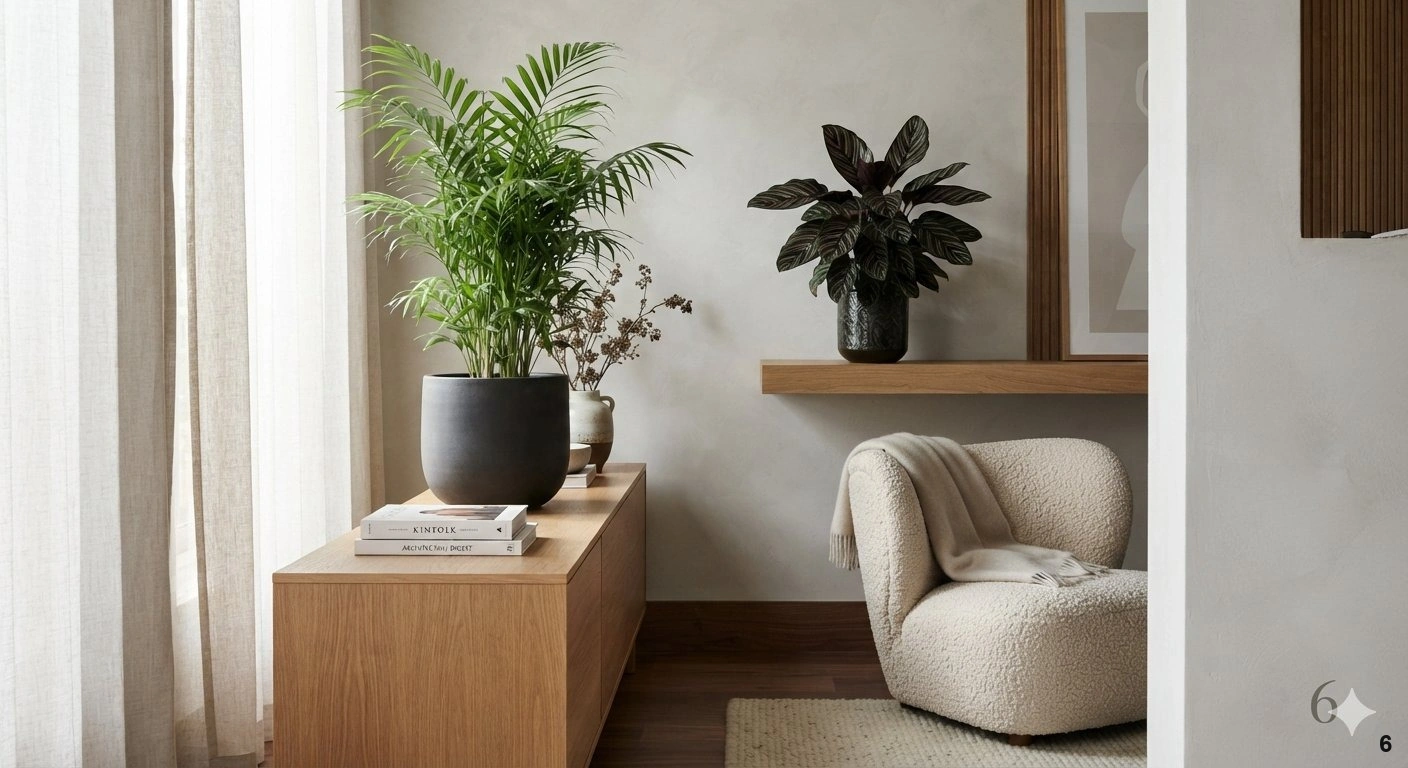
For many homeowners, the challenge of incorporating plants is navigating the safety of curious pets. Fortunately, you don’t have to settle for uninspired greenery to keep your furry friends safe. There are plenty of sophisticated, non-toxic varieties that offer high-impact style. The Parlor Palm, for instance, provides a tropical, elegant silhouette that works beautifully in modern interiors, while the Calathea family offers stunning, patterned leaves that add a touch of drama to any shelf or table.
When styling pet-friendly plants, you can still achieve a high-end look by focusing on the ‘pot-to-plant’ ratio and placement. Since you want to keep these plants accessible yet safe, consider using sturdy, heavy-based planters that won’t easily tip over if bumped. Place them on elevated surfaces like floating shelves or a dedicated plant console where they remain a focal point but are less likely to be treated as a toy. If you have a larger pet-safe plant, such as a Boston Fern, it looks incredibly chic in a hanging basket or on a high-legged plant stand. Avoid plants like Lilies or Sago Palms, which are toxic, and always double-check the botanical name of any new addition. By choosing lush, safe options, you can create a vibrant, jungle-inspired living room that feels luxurious and welcoming for every member of the household. The key is in the layering; mix the varying textures of ferns and palms to create a rich, dense look that feels purposefully curated and entirely safe.
Maximizing small spaces with vertical wall-mounted planters
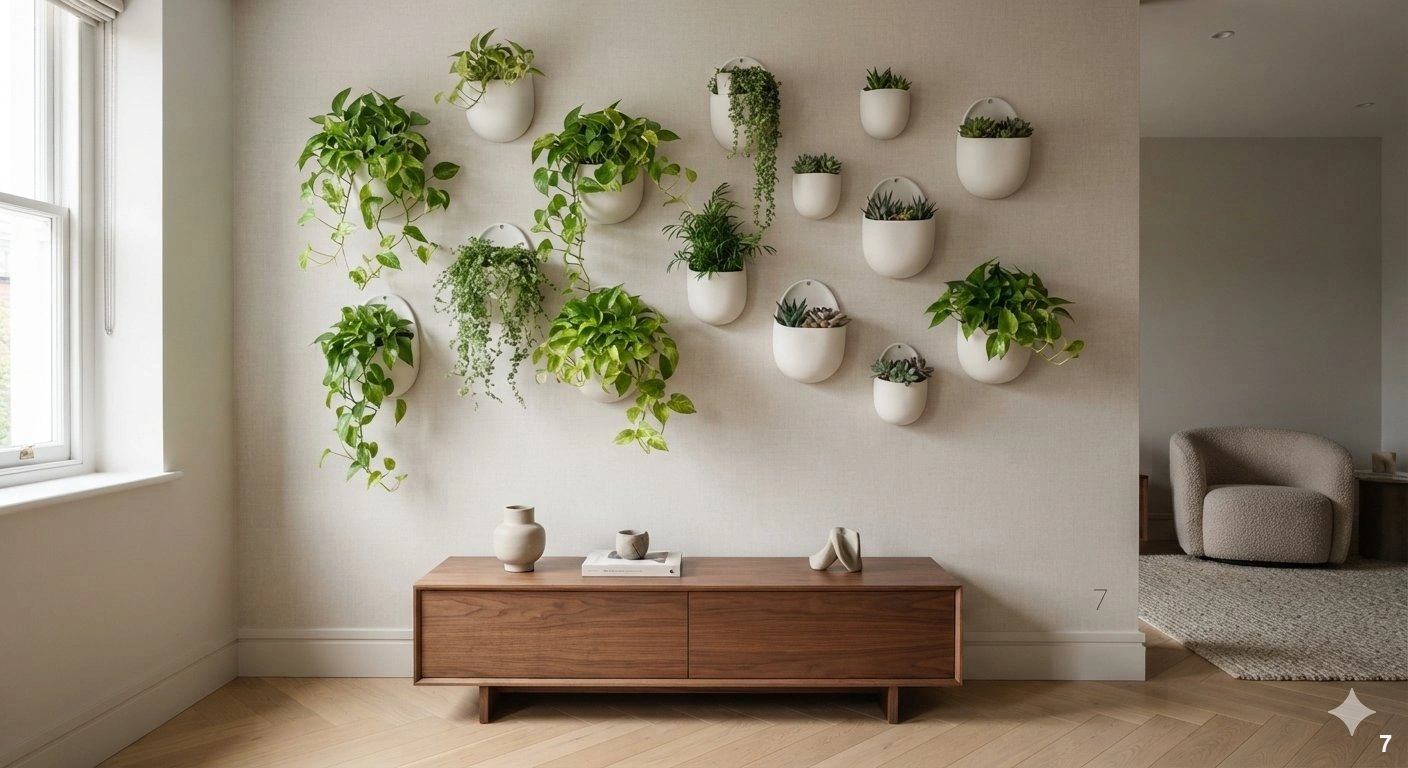
In a compact living room, floor space is a premium commodity. If you cannot afford to sacrifice square footage to large floor plants, look to your walls. Vertical gardening is a brilliant solution for small-space dwellers, allowing you to introduce nature into your home without obstructing the flow of the room. Wall-mounted planters, such as ceramic wall pockets or sleek metal wall frames, turn your plants into living wall art.
When choosing where to mount your greenery, consider the light. A sunny wall space near a window is prime real estate for a series of wall-mounted succulents or trailing Pothos. For a more sophisticated, gallery-like look, arrange your wall planters in a symmetrical grid or a staggered, organic pattern. This creates a strong visual impact that draws the eye upward, making the room feel taller and more spacious. When selecting materials, opt for wall planters that complement your existing wall decor—think matte brass for a touch of glamour or minimalist white ceramic for a clean, Scandinavian-inspired look. A common mistake is mounting planters too high, making them difficult to water and maintain. Ensure your wall planters are installed at a height that allows you to monitor soil moisture easily. By utilizing the vertical dimension, you add layers of texture and life to your living room that feel integrated, intentional, and perfectly suited for modern urban living.
Integrating hanging planters to add architectural interest
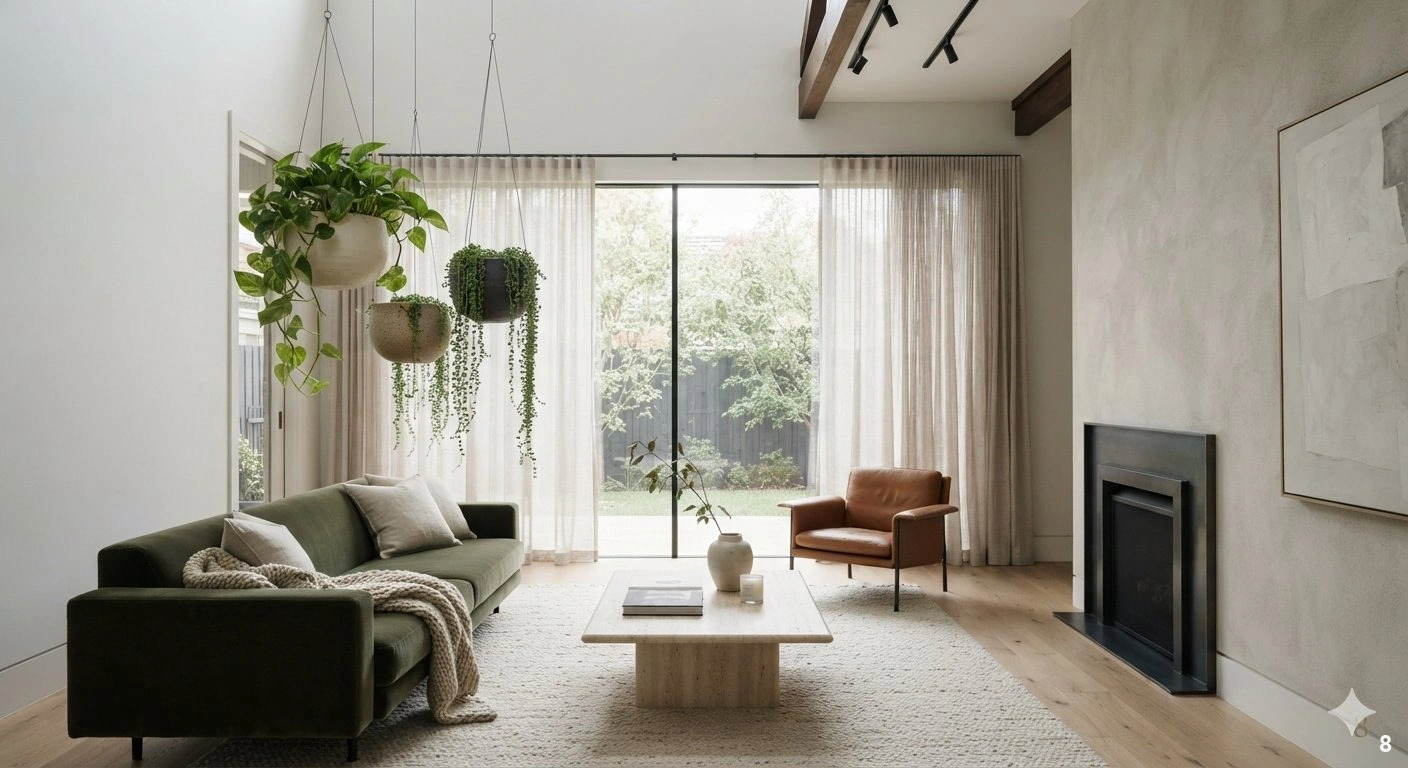
Hanging planters are perhaps the most underutilized tool in a designer’s arsenal for adding architectural interest to a living room. By lifting plants off the floor and suspending them at various heights, you introduce a new layer of dimension to your room’s volume. This is particularly effective in spaces with high ceilings, where hanging plants help to bridge the gap between the floor and the ceiling, making a large, cold room feel significantly more intimate and cozy.
For a refined look, skip the standard macramé hangers if they don’t fit your aesthetic. Instead, look for sleek, minimalist leather straps, polished brass chains, or sculptural ceramic vessels that hang by thin, almost invisible wires. These options feel more intentional and align better with modern, clean-lined interiors. Grouping hanging planters at different heights—similar to a cluster of pendant lights—creates a dynamic, layered effect that acts as a soft room divider or a beautiful frame for a window. When styling, be mindful of the weight and ensure your ceiling hooks are properly anchored. Avoid hanging them in areas where they will obstruct views or interfere with walking paths. The best locations are over a coffee table, in a corner near a window, or flanking a piece of art. The lush, hanging foliage adds a softness that balances the hard edges of furniture, creating a serene, inviting atmosphere that feels like a true sanctuary.
Using foliage texture to create depth in neutral rooms
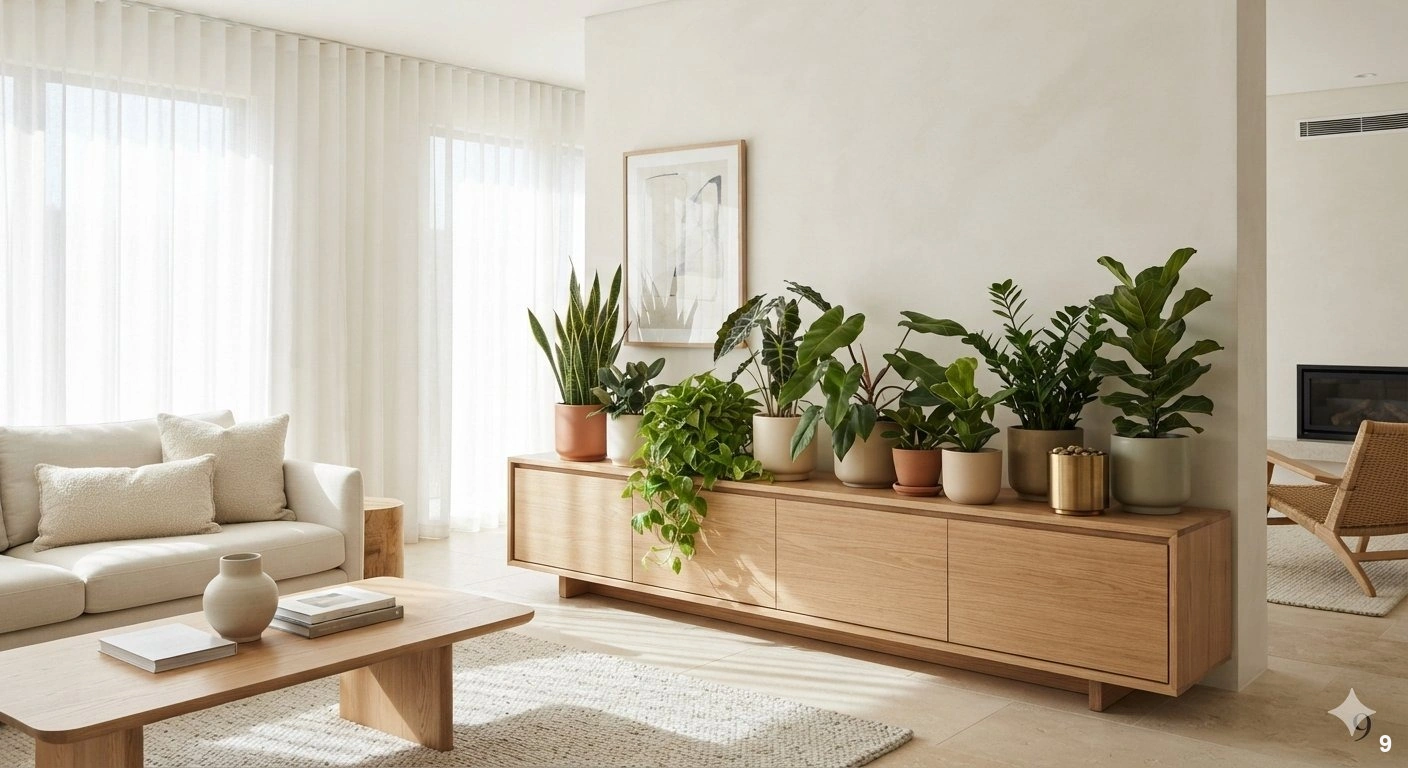
In a monochromatic or neutral living room, texture is your most powerful design tool. When you lack bold color, foliage provides the necessary visual interest to prevent the space from feeling flat. Aim for a mix of architectural leaves, such as the structural blades of a Snake Plant, paired with the delicate, trailing vines of a Pothos or a Philodendron. This contrast between rigid forms and soft, organic shapes adds a layer of sophistication that standard decor often misses.
Place these groupings in areas where light catches the leaves, highlighting their unique veins and silhouettes. For the best results, group plants with varying leaf sizes together on a console or a sideboard. This creates a miniature landscape that feels curated rather than crowded. Avoid placing all your plants in a single row; instead, stagger their heights and widths to mimic a natural, layered forest floor.
Consider the finish of your containers as well. Matte ceramic pots in stone or clay tones complement the natural vibe, while a touch of metallic or glass can add a refined, modern edge. Remember that lighting is crucial; keep these plants in bright, indirect light to maintain the vibrancy of the leaves. If your room is particularly low-light, opt for hardy varieties like ZZ plants, which offer glossy, dark foliage that acts as a dramatic anchor against cream or beige upholstery.
Styling coffee tables with compact, low-maintenance greens
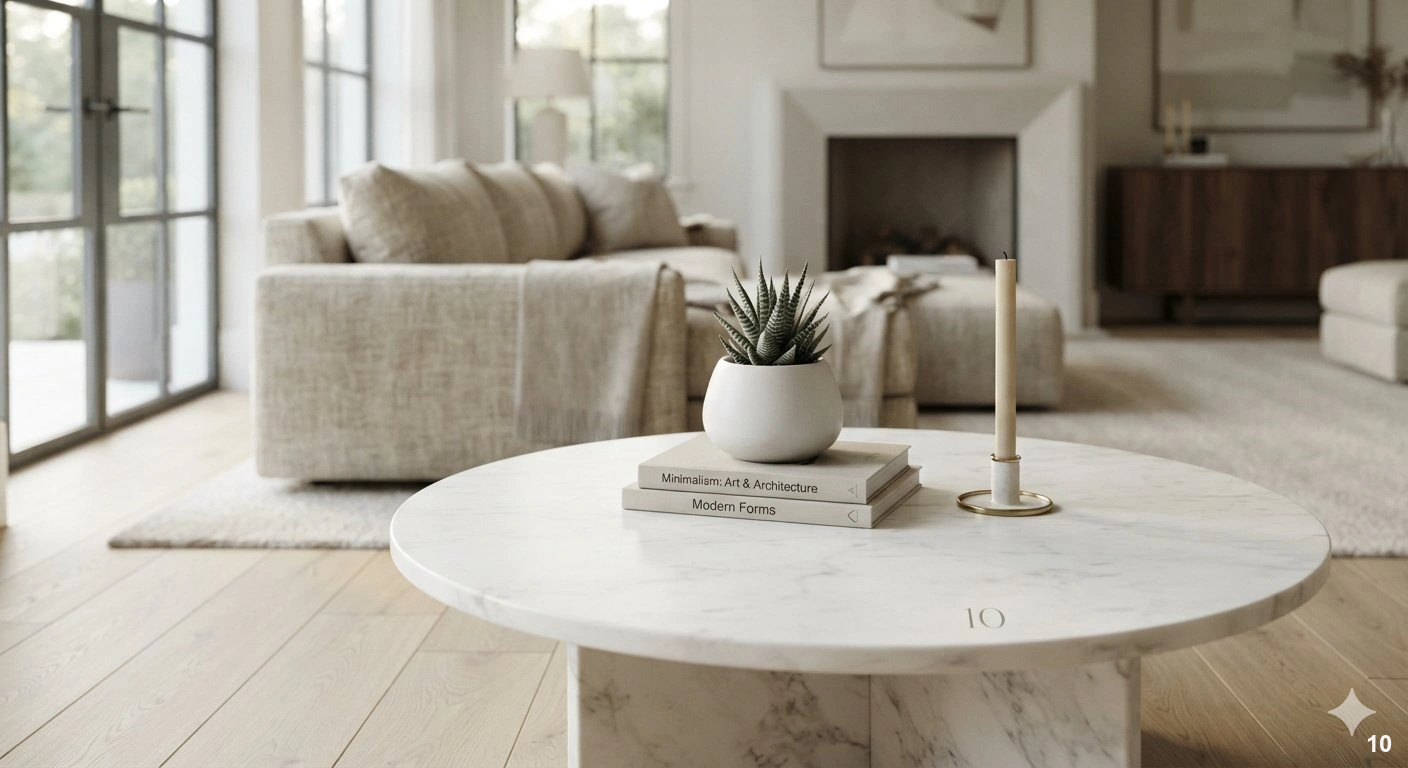
The coffee table is the heart of the living room, and it deserves a centerpiece that feels intentional and fresh. Instead of bulky arrangements, look for compact, low-maintenance plants that offer beauty without obstructing sightlines. Succulents, small Peperomia, or a single, sculptural Bonsai can serve as a stunning alternative to traditional floral arrangements, providing longevity and a touch of life that doesn’t require daily care.
When styling, the key is scale. Your plant should complement your other coffee table essentials—think art books, a decorative tray, or a singular candle. A common mistake is overcrowding; keep the plant as a focal point, allowing it room to breathe. If you have a round table, a plant with a rounded, compact shape works best, while rectangular tables benefit from a slightly more elongated or asymmetrical arrangement.
Choose vessels that tie into your existing hardware or color palette. A brass or gold-rimmed pot can elevate a simple succulent, making it feel like a piece of jewelry for your home. For a modern aesthetic, opt for concrete or minimalist white ceramic pots. Since coffee tables are often focal points, ensure the plant is healthy and the pot is pristine. If you struggle with natural light, choose varieties like Haworthia or Jade, which are incredibly resilient and thrive even in the lower-light conditions often found away from windows.
Selecting large indoor trees for a dramatic living room presence
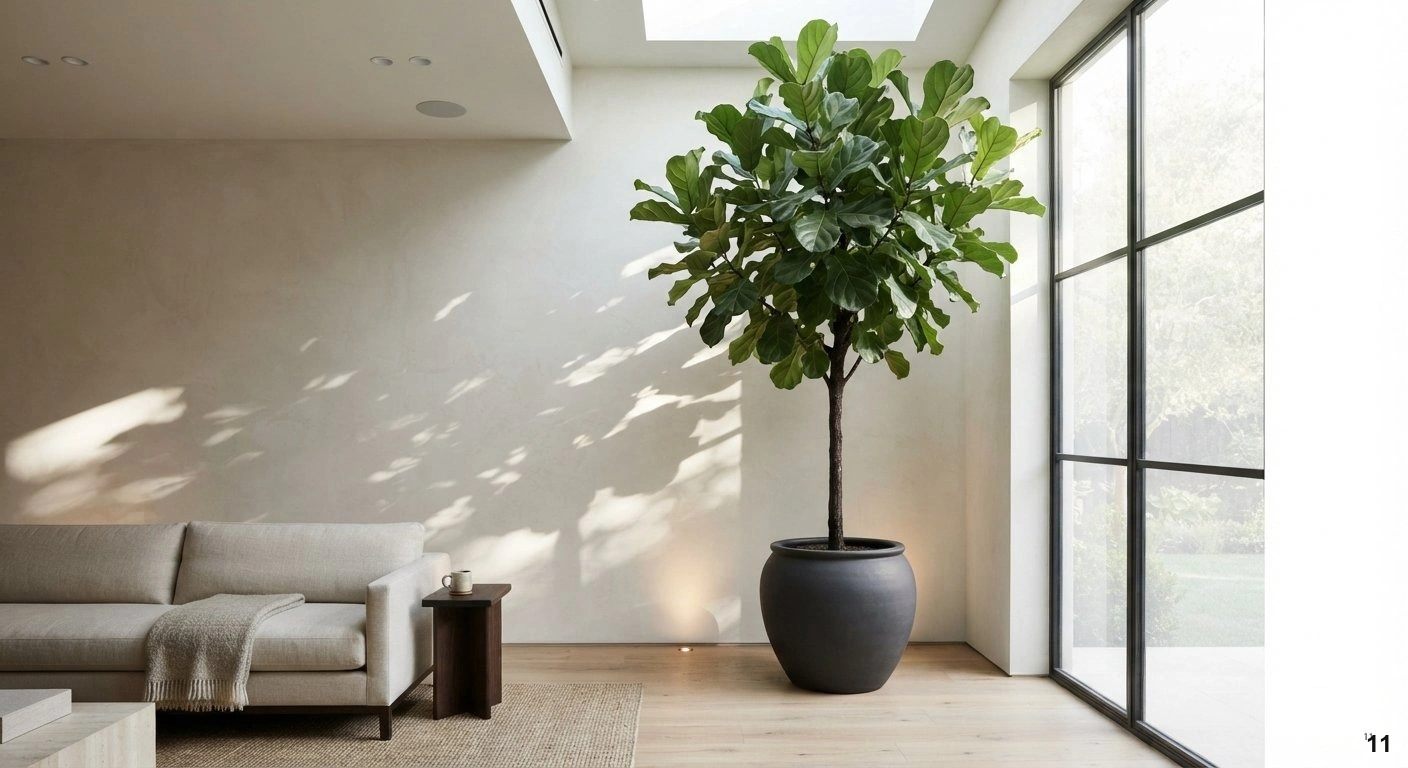
Nothing transforms a room quite like a large indoor tree. It acts as living sculpture, instantly elevating the scale and drama of your living space. The Fiddle Leaf Fig remains a perennial favorite for its bold, violin-shaped leaves, but don’t overlook the delicate, airy canopy of an Olive tree or the classic, deep green elegance of a Rubber Plant. These statement pieces work best in corners or flanking a fireplace, where they can draw the eye upward and emphasize ceiling height.
Placement is paramount. A large tree needs its own ‘breathing room’ to shine; do not tuck it behind heavy furniture where it will feel cramped. Instead, position it near a window where it can receive the bright, filtered light it craves. The pot is an extension of your interior design, so consider a large, woven basket for a textured, organic feel, or a sleek, oversized planter in a dark finish to ground a bright room.
Avoid the common mistake of choosing a tree that is too small for the space. In a living room with high ceilings, a small plant will look lost. Go for height and volume. When watering, be mindful of the floor underneath; use a protective saucer hidden within the decorative pot to prevent moisture damage. Designer tip: place a small spotlight at the base of the tree to create dramatic shadows on the wall at night, turning your plant into a piece of art once the sun goes down.
Blending botanical elements with modern furniture silhouettes
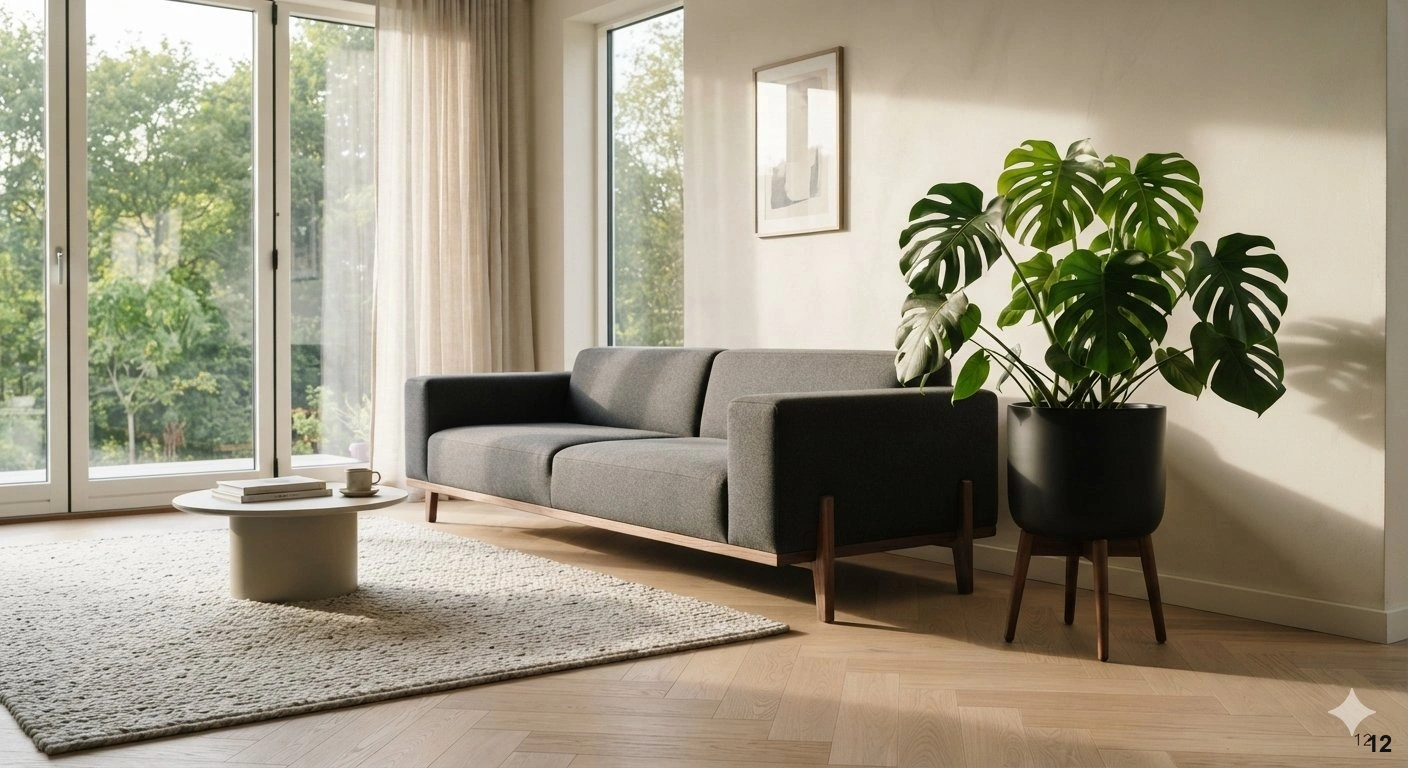
The goal of incorporating greenery into a modern home is to soften the crisp lines of contemporary furniture without losing the sleek, refined aesthetic. Modern design often relies on sharp angles and glass or steel materials, which can feel cold. Plants act as the perfect counterbalance, introducing organic movement and a sense of warmth that brings the room into balance.
To achieve this, pair plants with natural, soft textures. A minimalist sofa in a neutral fabric looks stunning when placed next to a tall, leafy Monstera. The contrast between the rigid, geometric frame of the couch and the sprawling, wild leaves of the plant creates a sophisticated tension. Avoid ‘messy’ displays; instead, use singular, high-impact plants that mirror the clean lines of your furniture rather than competing with them.
Consider the placement of your greenery in relation to your furniture layout. Plants should feel like part of the architectural plan. A plant placed on a floating shelf above a sideboard can help bridge the gap between wall and furniture, while a floor plant can help define a seating zone. Use planters that match the legs of your furniture—if you have a mid-century modern chair with tapered wooden legs, look for a plant stand with similar wood tones. This repetition of materials creates a cohesive, professional look. Lighting-wise, ensure these plants are positioned where they can thrive, as a dying plant will only detract from the curated, modern vibe you have worked so hard to establish.
Creating a cohesive look with color-coordinated plant pots
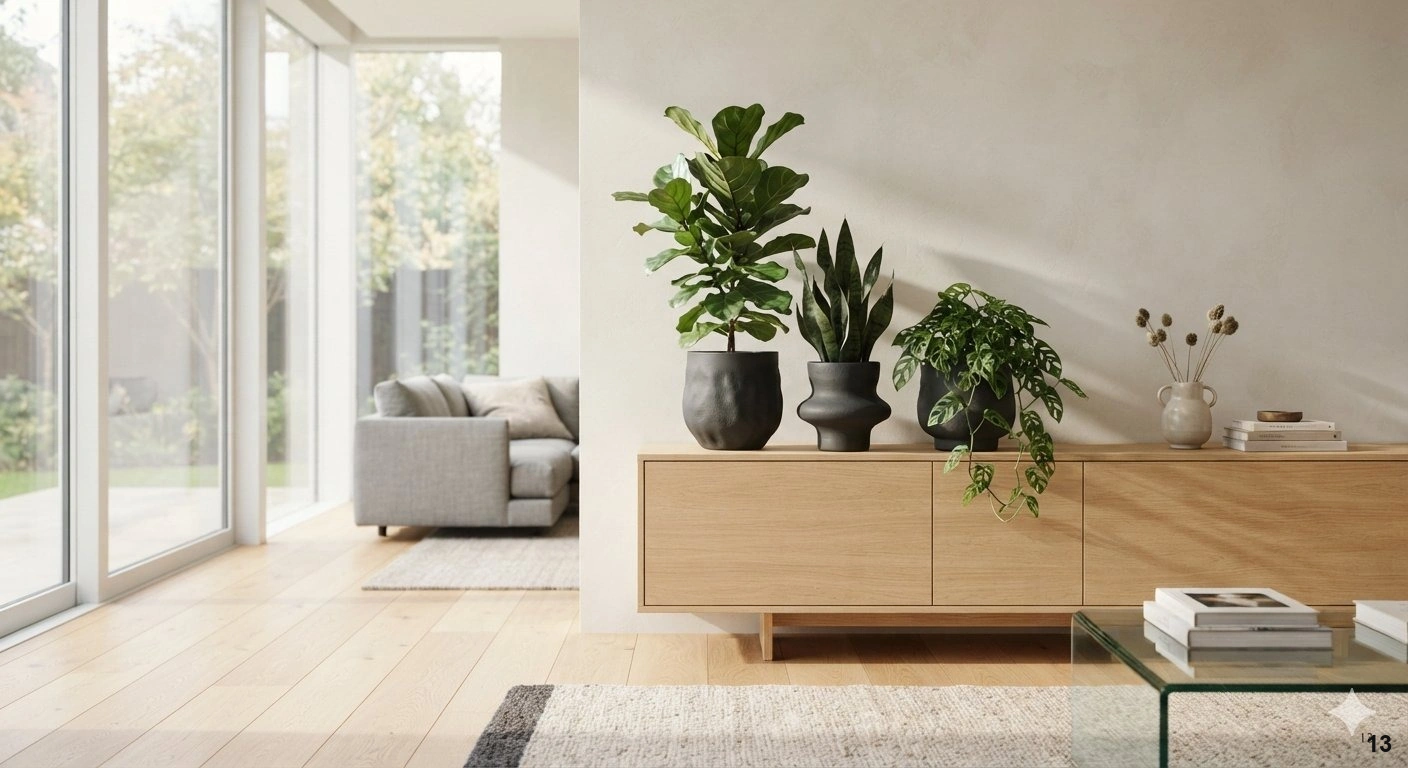
One of the most effective ways to make your plant collection look intentional rather than accidental is through a unified approach to your planters. When you curate a selection of pots in a specific color palette or material family, you create a visual thread that ties the entire room together. A monochromatic set of pots—such as matte black, charcoal, or crisp white—provides a sophisticated, gallery-like feel that allows the vibrant green of the foliage to take center stage.
For a warmer, more organic aesthetic, try a mix of terra cotta, clay, and woven textures. The key is to keep the shapes varied but the color tones consistent. If you prefer a more eclectic look, choose pots in complementary colors that appear in your throw pillows or artwork. This repetition of color makes the plants feel like a deliberate design choice rather than an afterthought.
Avoid the common mistake of using the plastic nursery pots that plants come in; they rarely do justice to your decor. Instead, invest in high-quality ceramic or stone vessels that feature drainage holes. If you find a beautiful pot without a hole, use a ‘pot-in-pot’ method: keep the plant in its plastic nursery liner inside the decorative pot, which makes watering easier and prevents root rot. When grouping multiple plants, use at least three different sizes to create a dynamic cluster. This technique adds depth and makes the arrangement feel like a professional styling moment rather than just a group of random plants on a shelf.
Utilizing tiered plant stands for varied visual heights
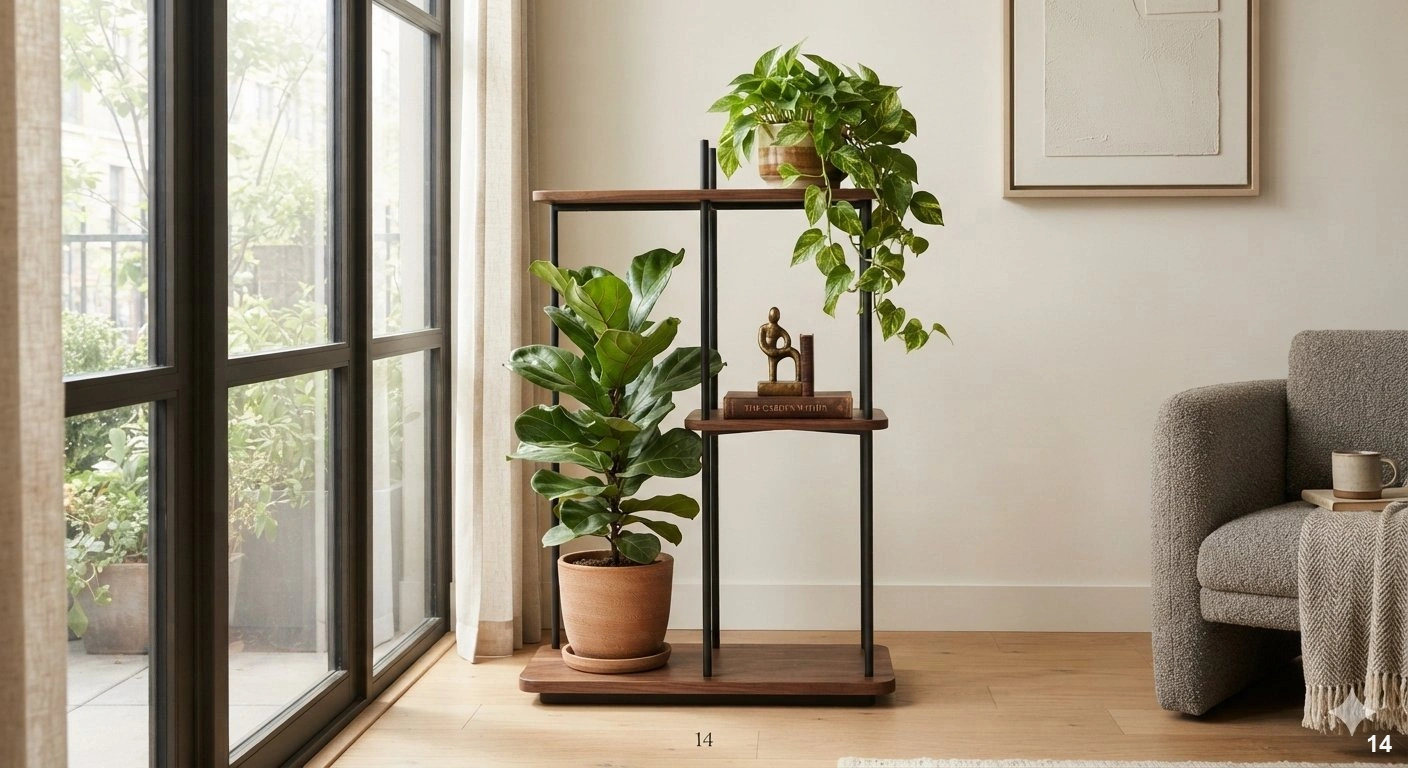
To create a truly professional interior display, you must embrace the concept of verticality. Stacking plants at different heights using tiered stands or varying pedestals is a classic designer trick to draw the eye upward and make a room feel larger. This approach is particularly effective in small living rooms where floor space is at a premium, as it allows you to house multiple plants in a footprint that would normally accommodate only one.
Tiered stands work beautifully in corners or beside a window, acting as a vertical green focal point. Choose stands with clean, minimalist designs—think powder-coated metal or warm wood—to ensure they don’t distract from the plants themselves. When arranging your plants, place the largest, most structural leaves at the bottom and the trailing, delicate varieties on the top tiers. This creates a balanced, cascading effect that looks natural and inviting.
Avoid the mistake of placing all your plants at the same eye level, which can make a space feel cluttered and chaotic. Instead, aim for a ‘stair-step’ visual flow. If you are working with a dark corner, use a tiered stand to elevate your plants into a better light source. Lighting is essential here; ensure that even the bottom tier receives enough ambient light to keep the plants happy. Designer tip: use the empty space on the tiers for small decorative objects, like a stack of books or a brass sculpture, to blur the lines between a plant display and a curated shelving unit.
Strategic placement of plants to soften hard room edges
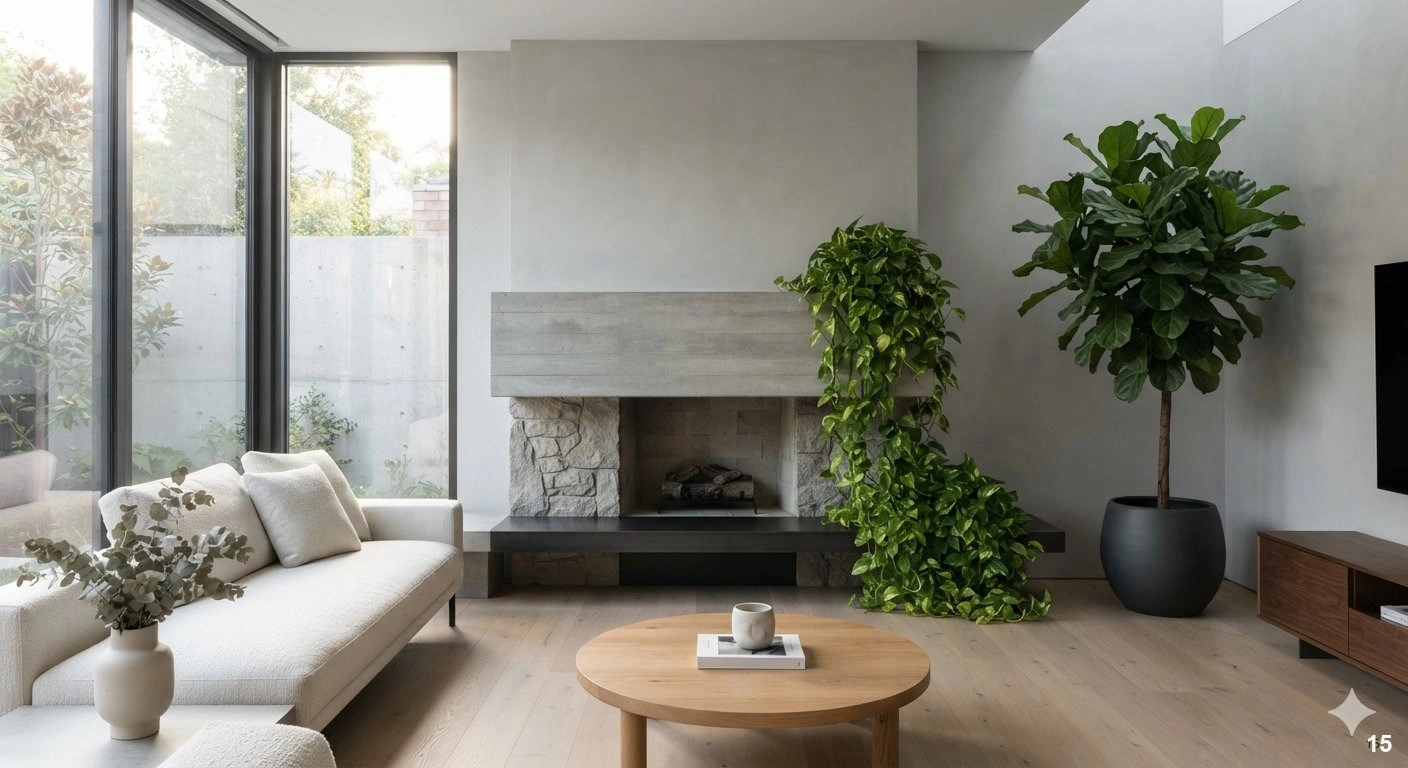
Modern living rooms often feature hard architectural edges—exposed beams, sharp fireplace mantels, or stark corners where walls meet. These elements are structural, but they can sometimes feel cold or uninviting. Plants are the perfect softening agent. By placing greenery in these transition zones, you blur the harsh lines and introduce an organic, comfortable energy that makes the space feel more livable.
A trailing plant, such as a Pothos or English Ivy, placed on the edge of a mantelpiece is a perfect example of using nature to soften a rigid feature. The cascading leaves break up the straight line of the shelf and create a sense of movement. Similarly, a large, leafy floor plant placed in a sharp corner of the room helps to ‘soften’ the intersection of two walls, making the space feel more circular and fluid.
When choosing plants for these areas, consider the growth habit. You want plants that spill or spread, rather than those that grow rigidly upward. Avoid placing plants directly in high-traffic pathways where they might get knocked over; instead, use them to frame doorways or windows. Lighting is always a consideration, so choose varieties that can handle the light levels in these specific spots. If the area is dark, consider a high-quality, realistic faux plant for the hard-to-reach corners, and save the live plants for the areas with better access to sunlight. The goal is to make the room feel like it was designed with intention, where every plant serves a purpose in softening and elevating the architecture.
Choosing air-purifying varieties for family living zones
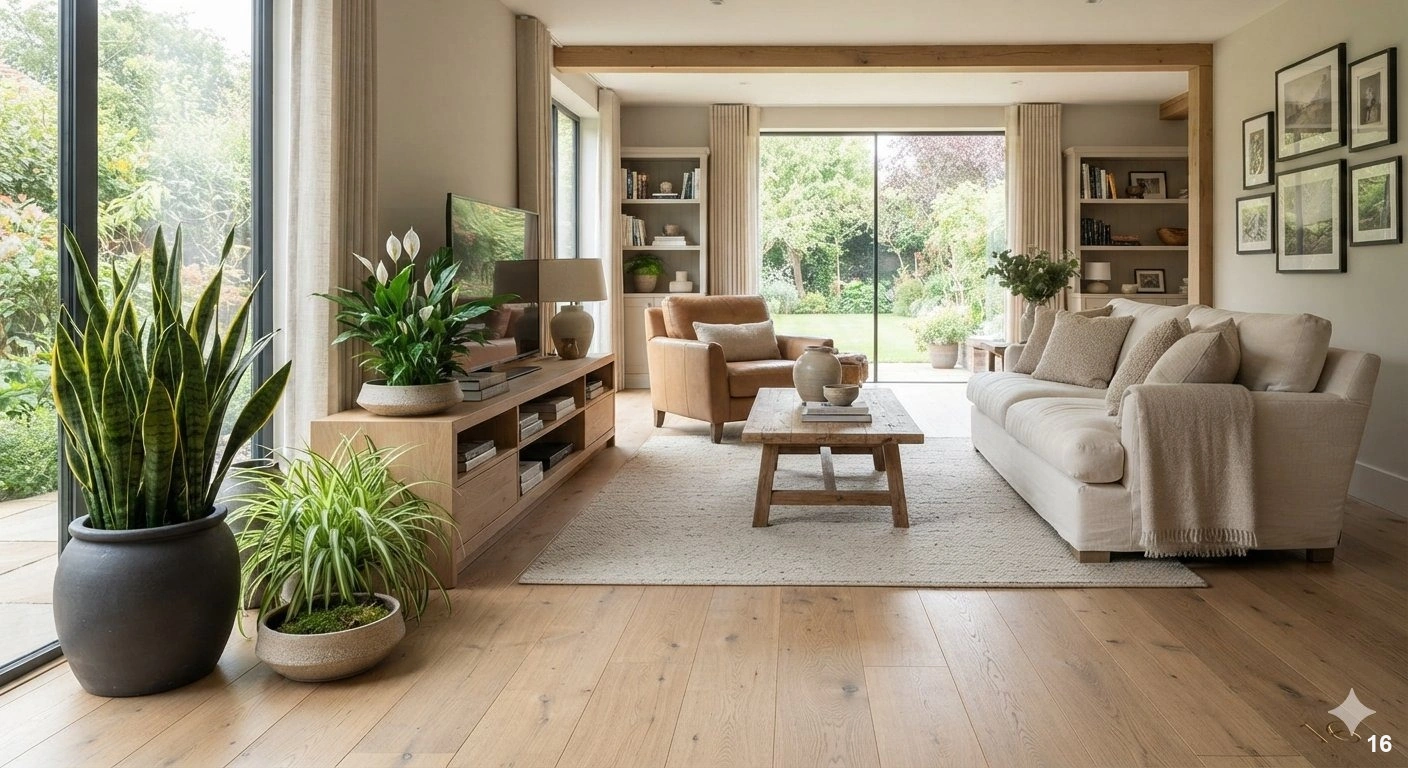
In high-traffic family living zones, plants should be as functional as they are beautiful. Choosing air-purifying varieties not only adds a lush, inviting aesthetic but also contributes to a healthier home environment. The Snake Plant, Spider Plant, and Peace Lily are all renowned for their ability to filter indoor air while remaining relatively easy to care for, making them perfect candidates for busy shared spaces.
When styling these plants in a family room, durability is key. Opt for varieties that are resilient to fluctuating temperatures and occasional neglect. Group these plants in areas where the family gathers, such as near the media console or the reading nook. Because these areas see a lot of activity, choose sturdy, low-profile planters that won’t easily tip over, especially in homes with children or pets. Avoid delicate, breakable glass pots in favor of durable stoneware or heavy-bottomed ceramic.
Placement should be strategic to maximize both the air-purifying benefit and the aesthetic impact. A large Snake Plant can act as a natural screen between a seating area and a play area, creating a subtle, green partition. Keep in mind that some air-purifying plants can be toxic if ingested, so always check the safety of your chosen varieties if you have pets or small children. Designer tip: create a ‘green corner’ by grouping these functional plants together in one well-lit area. This not only makes maintenance easier—as they will share similar lighting and watering needs—but also creates a lush, vibrant feature that defines the room as a healthy sanctuary for the whole family.
Balancing greenery to avoid an overgrown or cluttered aesthetic
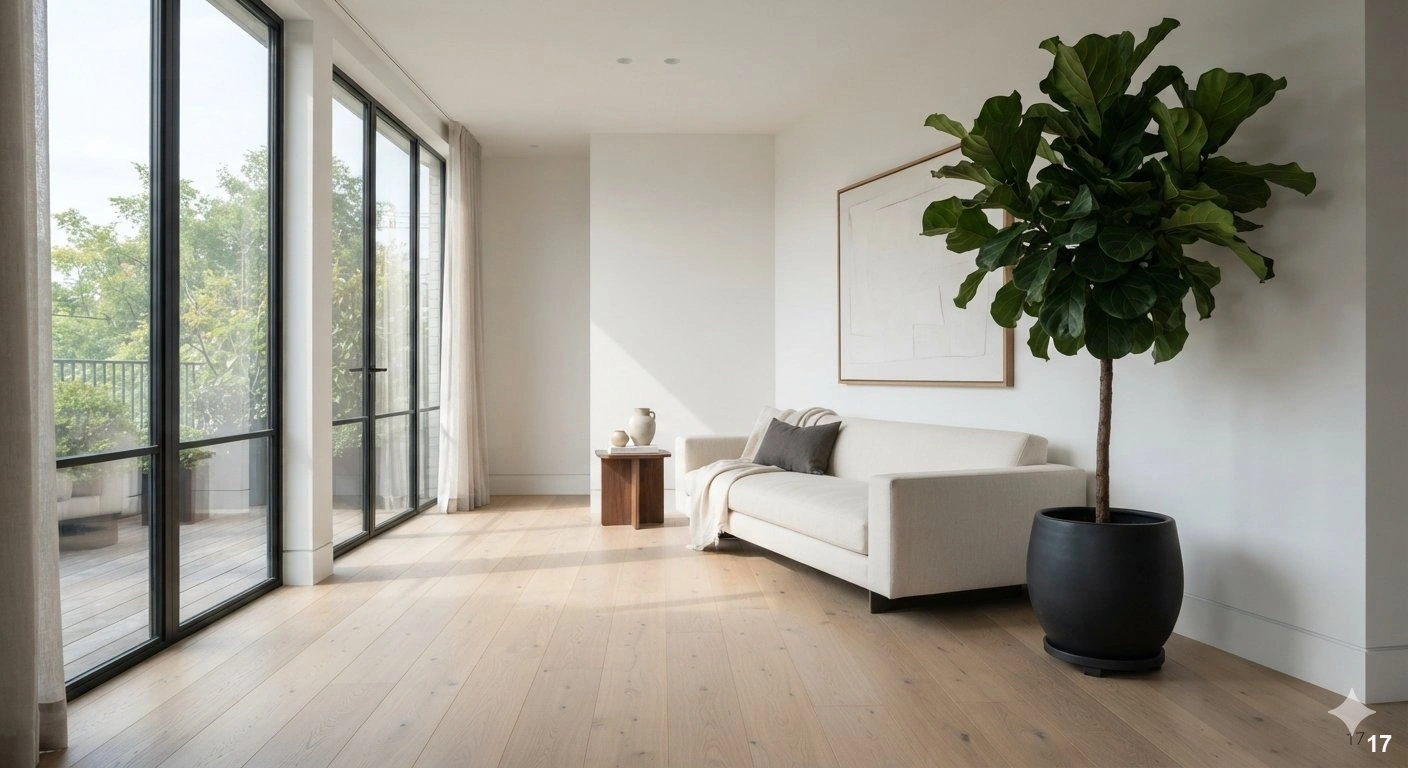
The secret to a refined botanical display lies in the principle of negative space. Rather than filling every available corner with foliage, treat your plants as curated accents that complement your furniture. A common mistake is grouping too many small, busy-looking plants on a single surface, which creates visual noise. Instead, aim for a balanced composition by placing one or two high-impact plants in a room and allowing the surrounding area to breathe.
For a sophisticated look, stick to a cohesive color palette for your planters. Choosing vessels in muted stone, matte black, or warm terracotta helps anchor the greenery, making the plants feel like intentional design elements rather than an afterthought. If you have a large collection, try grouping them in odd numbers—threes or fives—at varying heights to create a cohesive vignette that feels intentional rather than haphazard.
When styling, consider the silhouette of the plant against your wall color. If you have a busy wallpaper or textured wall, opt for a plant with broad, simple leaves to avoid visual overwhelm. If your walls are neutral and minimalist, you have more freedom to choose plants with intricate, fern-like structures. Remember, the goal is to enhance the architecture of your living room, not to turn it into a dense conservatory. By leaving room for your eye to rest, you ensure the greenery feels like an elevated design choice.
Incorporating sculptural plants for a contemporary edge
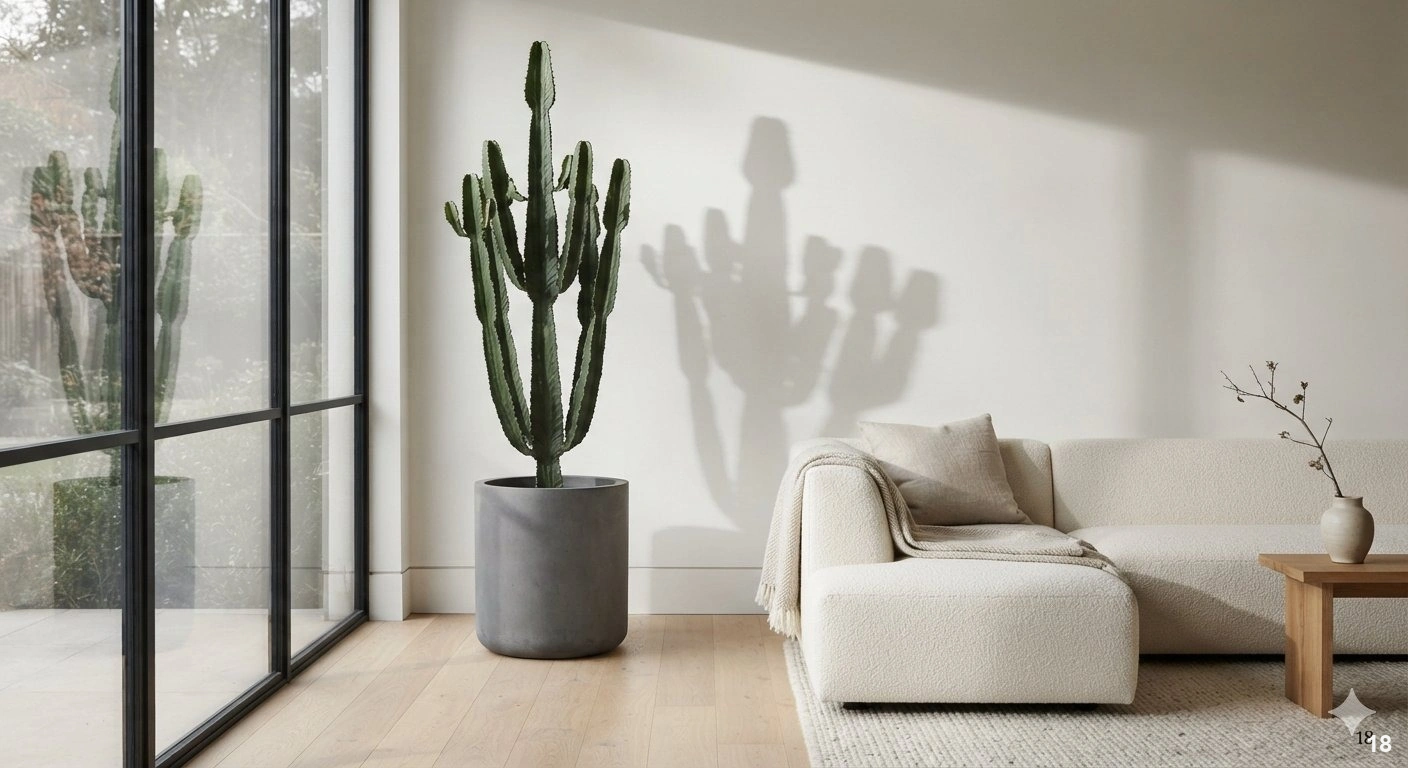
Sculptural plants are the architectural punctuation marks of an interior. Species like the Euphorbia, Sansevieria, or a mature Dracaena offer rigid, graphic forms that contrast beautifully with the soft textures of sofas and wool rugs. These plants work best when placed near clean-lined furniture or in transitional spaces like a hallway entrance to the living room, where their unique shape can be fully appreciated as a piece of living art.
To maximize the contemporary edge, pair these plants with minimalist, monolithic planters. A tall, cylindrical concrete or metallic vessel can turn a simple cactus into a dramatic focal point. Because these plants often possess a strong verticality, they are perfect for filling awkward gaps between tall bookshelves or framing a fireplace. They require very little fussing, making them ideal for the homeowner who prefers a sleek, low-maintenance aesthetic.
Avoid the mistake of hiding sculptural plants behind side tables or chairs; they deserve to stand alone. Place them on a clean floor space or a low plinth to let their silhouette command attention. When lighting these plants, consider using a warm, directional floor lamp nearby. This creates striking shadows against the wall at night, effectively turning your plant into a dynamic light fixture. By choosing plants with strong geometric lines, you introduce a sense of order and intentionality that perfectly complements modern, clean-lined interior design.
Designing a dedicated green zone for high-light areas
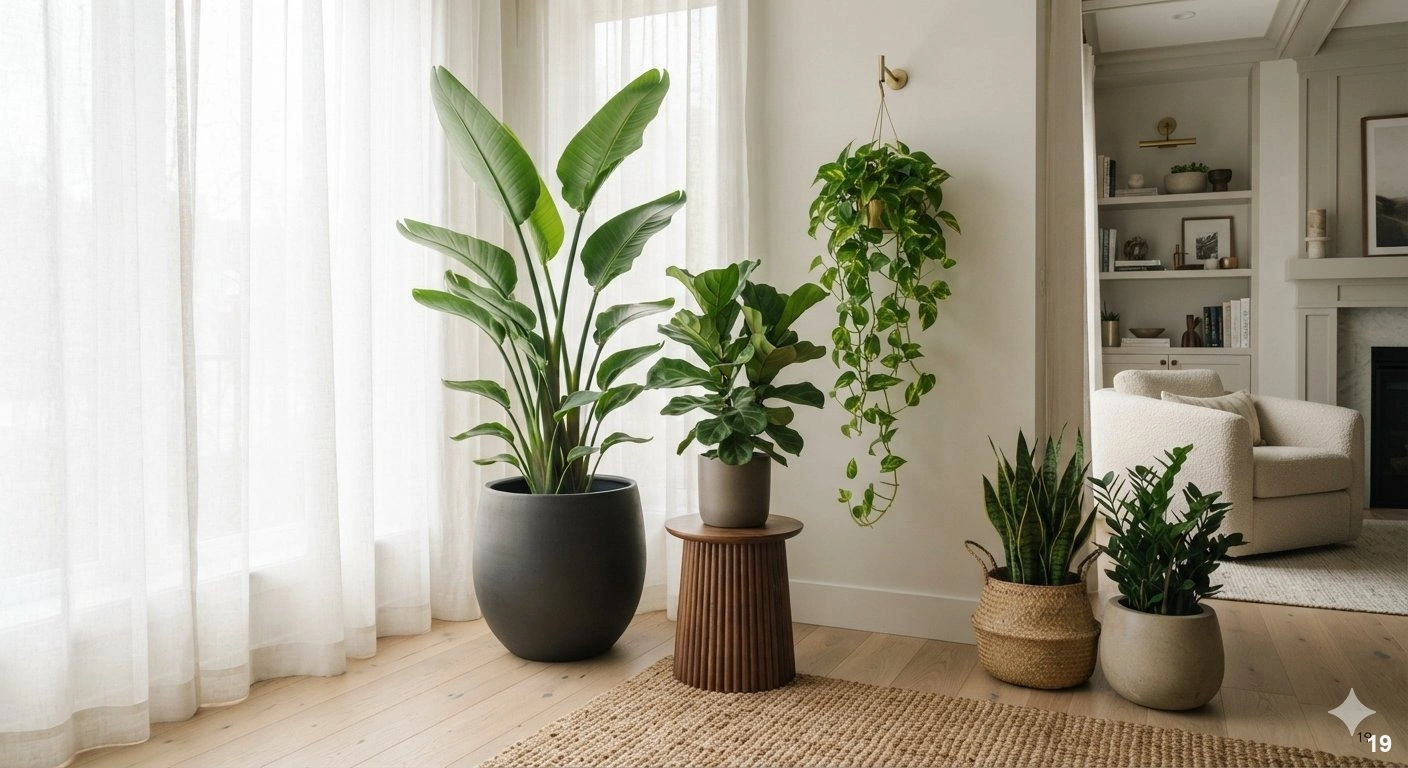
If you are fortunate enough to have a sun-drenched corner near a large window, you have the perfect foundation for a dedicated green zone. Rather than scattering plants throughout the room, creating a singular, concentrated display makes a powerful visual statement. This approach mimics the lush, layered look found in professional conservatories while keeping the rest of your living room clean and uncluttered.
To build a successful green zone, vary the heights of your plants. Use a mix of floor-standing giants like a Bird of Paradise, medium-sized plants on decorative stools, and trailing species on hanging hooks or wall-mounted shelves. This vertical layering guides the eye upward and makes the space feel more dynamic. Ensure your planters vary in texture—think woven baskets, glazed ceramics, and smooth stone—to add depth to the display.
Lighting is essential here. Use the natural light from the window to highlight the translucent quality of the leaves, but be wary of harsh direct sun that might scorch delicate foliage. You can soften the light with sheer linen curtains, which diffuse the rays into a beautiful, ethereal glow that benefits both the plants and your furniture. A common designer mistake is placing plants too close to the glass where temperature fluctuations can cause stress; keep them a few inches back to ensure a consistent environment. This dedicated zone will act as the lungs of your living room, providing a refreshing, vibrant focal point that feels organic and deeply integrated into your home’s layout.
Maintaining plant health for a pristine living room display
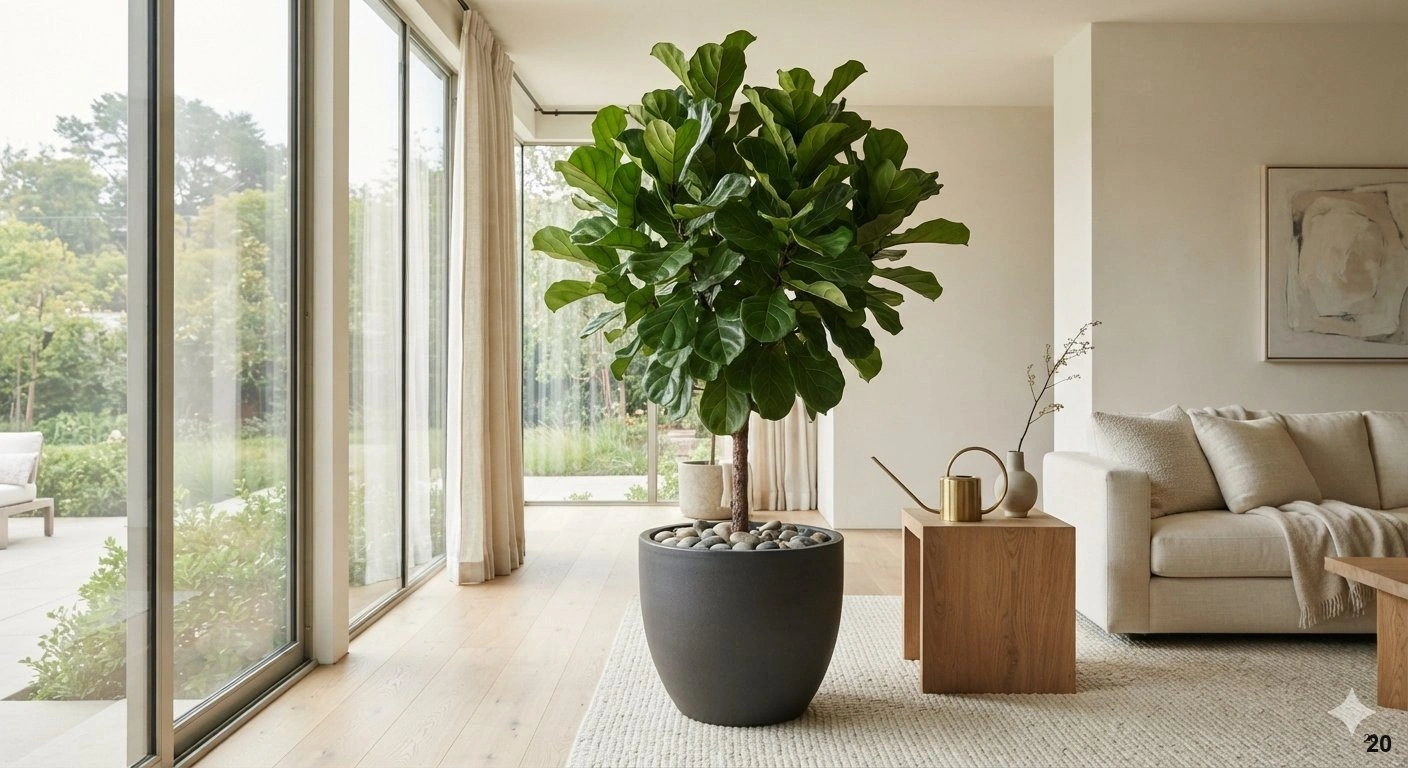
A pristine plant display is only as good as the health of the leaves. Nothing ruins a sophisticated interior faster than yellowing, dusty, or drooping foliage. The key to maintaining a professional appearance is consistency and observation. Dust your plant leaves regularly with a damp microfiber cloth; not only does this keep them looking vibrant and glossy, but it also allows the plant to photosynthesize more efficiently, ensuring it stays lush and full.
Watering should be approached as a ritual rather than a chore. Invest in a high-quality watering can with a long, thin spout, which allows you to deliver water directly to the soil without splashing your floors or furniture. Overwatering is the most common cause of plant distress, so always check the soil moisture level with your finger before reaching for the can. If you notice a plant struggling, don’t be afraid to move it; sometimes even a few feet of difference in light or draft can transform a plant’s health.
Designer-inspired tip: use decorative top-dressings like river stones or decorative moss to cover the soil. This conceals the potting medium and gives the plant a polished, finished look that integrates seamlessly with high-end decor. If a plant is truly beyond saving, remove it immediately rather than letting it linger in your display. A empty spot is far more elegant than a dying plant. By treating your plants with the same care you give your upholstery, you ensure your living room remains a vibrant, healthy, and inviting sanctuary year-round.
Using decorative pedestals to elevate small potted plants
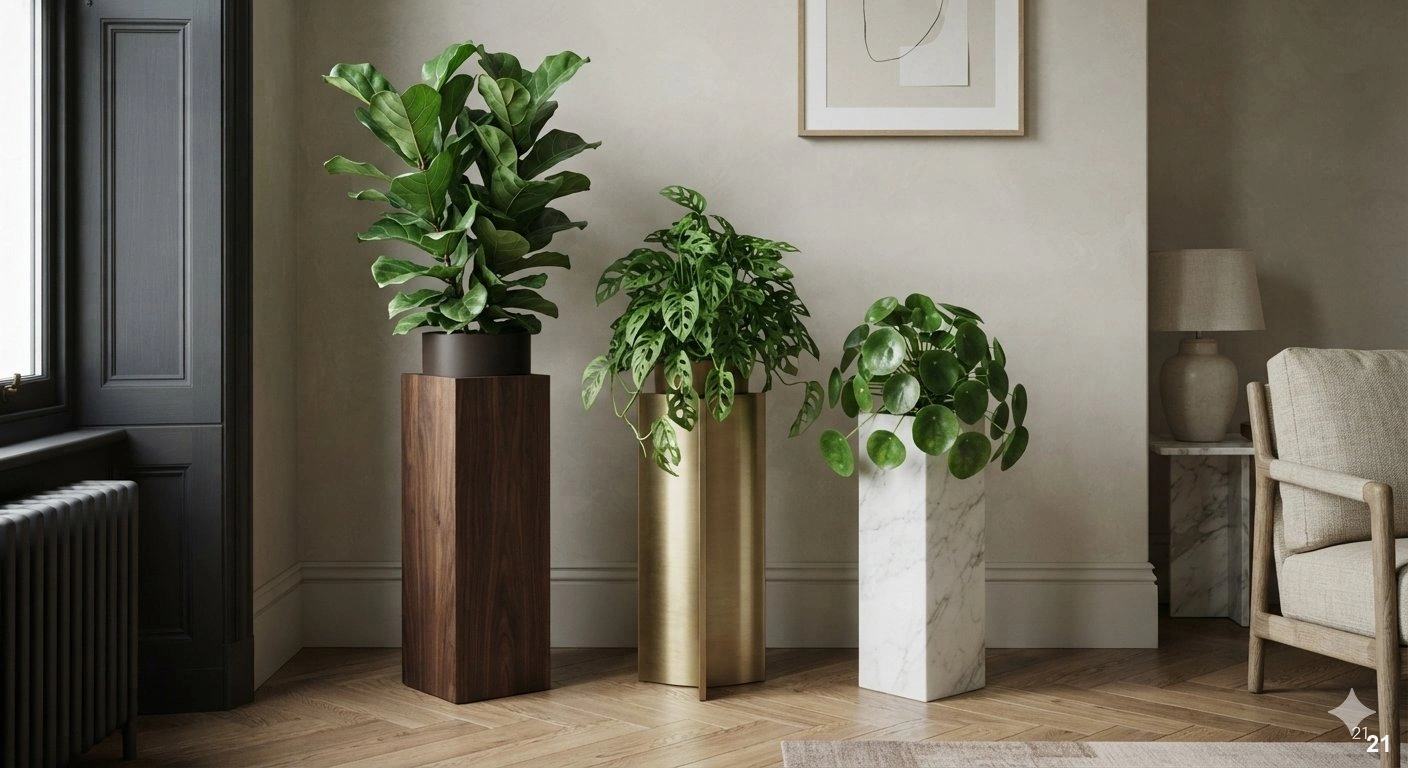
Small plants often get lost in the grand scale of a living room. To give them the presence they deserve, use decorative pedestals or side tables to lift them off the floor and into the visual mid-line. This technique is a favorite among interior designers because it creates a sense of layering and dimension that makes a room feel more curated and thoughtful.
A pedestal serves as a frame for your plant, effectively turning a simple potted fern or orchid into a work of art. Consider materials like marble, brushed brass, or dark stained wood to complement your existing decor. If you have a collection of smaller plants, grouping them on pedestals of varying heights creates a beautiful, rhythmic display that prevents the room from feeling flat. This is particularly effective in smaller living rooms where floor space is at a premium but you still want to incorporate greenery.
Avoid the mistake of using mismatched or flimsy stands. The pedestal should be as sturdy and aesthetically pleasing as the plant it holds. When styling, ensure the pot is proportional to the pedestal; a tiny pot on a massive pedestal will look unstable, while a large pot on a narrow stand can be a safety hazard. Always check for stability before placing your plant. By elevating your greenery, you create eye-level interest that draws the viewer into the space and highlights the natural beauty of your plants against the backdrop of your home’s architecture.
Selecting hardy low-light species for shaded living spaces
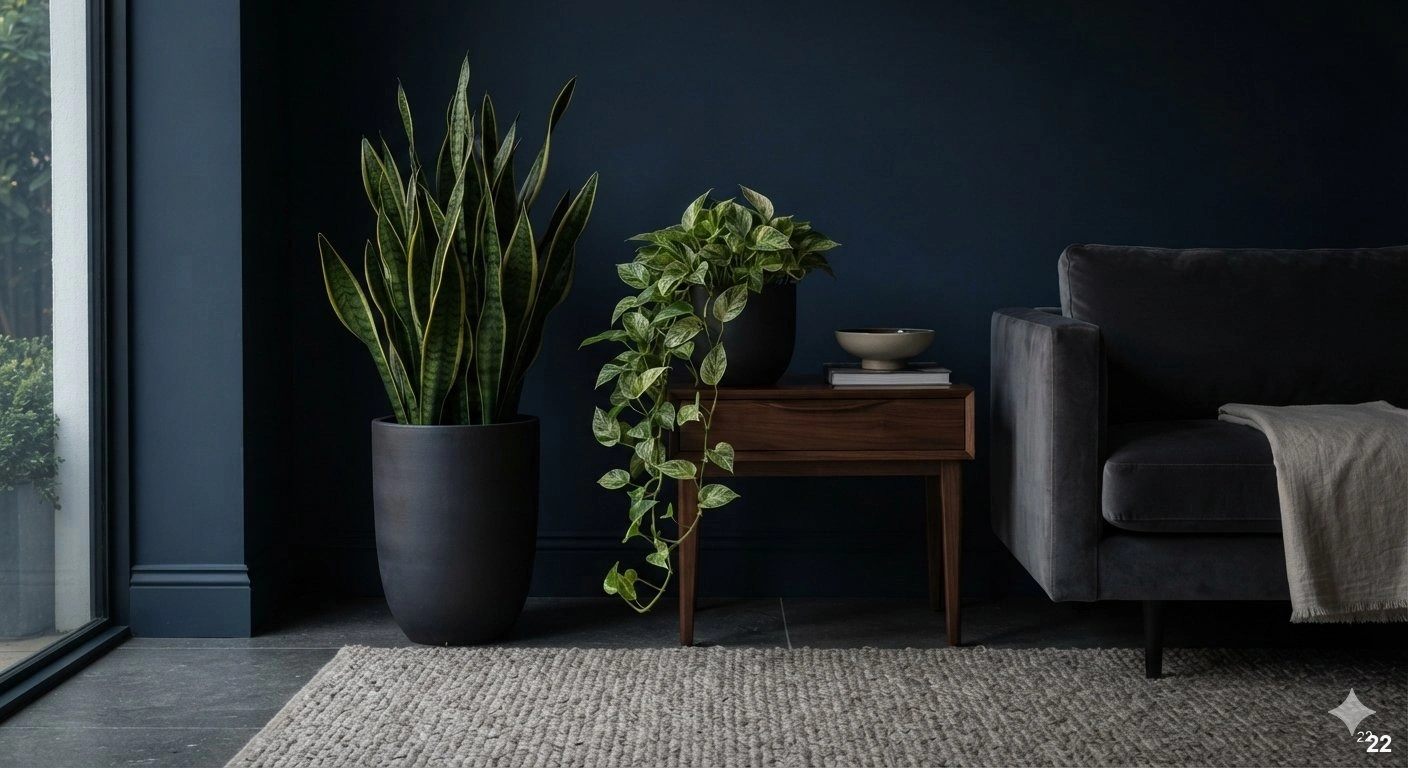
Not every living room is bathed in golden hour sunlight, but that doesn’t mean you have to forgo the benefits of indoor greenery. Many resilient, low-light tolerant species offer lush, deep green foliage that thrives in the cozy, shaded corners of a home. Plants like the Snake Plant, ZZ plant, or Pothos are excellent choices that provide architectural interest without demanding constant sun exposure.
When styling for low-light areas, prioritize plants with dark, glossy leaves, as they often have a more sophisticated, moody presence that suits shaded spaces. These plants look stunning when placed against darker wall colors or in nooks where the light is soft and indirect. Because these species grow a bit slower, they maintain their shape longer, which is a major advantage for maintaining a consistent, styled look in your living room.
One common mistake is over-fertilizing or overwatering plants in low light. Because they aren’t photosynthesizing as rapidly as plants in sunny spots, they require less energy and water. Keep the soil slightly drier to prevent root rot. To elevate the look, place these hardy plants in high-quality, heavy-duty ceramic or stone planters that suggest a sense of permanence. If your space is particularly dark, consider adding a small, discreet grow light tucked into the foliage or nearby decor to ensure the plant remains vibrant. With the right selection, even the dimmest corners of your living room can become lush, inviting retreats that feel intentional and beautifully curated.
Layering different plant sizes for a professional designer look
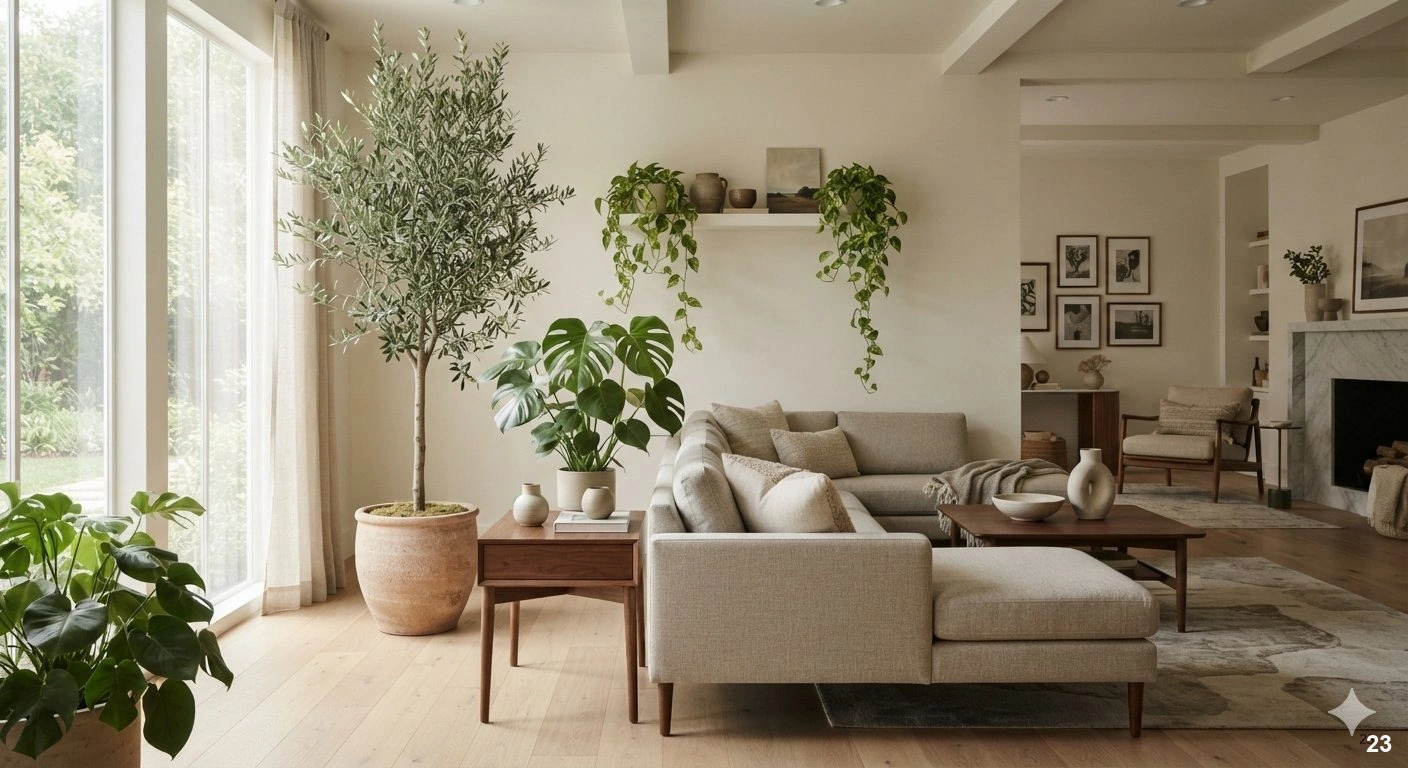
The hallmark of a professionally designed room is the use of scale. When it comes to plants, layering different sizes—from tall, floor-standing trees to medium-sized tabletop accents—creates a sense of depth that makes your living room feel truly finished. This layering approach breaks up the boxy geometry of furniture and adds organic, flowing movement to the space.
Start by identifying your ‘anchor’ plants. These are your large-scale specimens like a Fiddle Leaf Fig, an Olive Tree, or a tall Palm. Place these in corners or next to large furniture pieces to provide height and vertical interest. Once your anchors are set, fill in the gaps with medium-sized plants on side tables or consoles. Finally, use smaller trailing plants on open shelves or mantlepieces to add soft, cascading lines that connect the different zones of the room.
Avoid the trap of placing all your plants at the same level. If every plant sits on the floor, the room feels cluttered; if every plant is on a table, the room feels top-heavy. By varying the heights, you create a visual journey that guides the eye throughout the entire living room. Consider the foliage texture as well; mix broad, flat leaves with delicate, feathery ones to create a rich, tactile experience. When you layer with intention, the plants no longer feel like individual items, but rather a cohesive, living ecosystem that brings warmth and life to your home’s interior design.
Curating a biophilic atmosphere through thoughtful plant placement
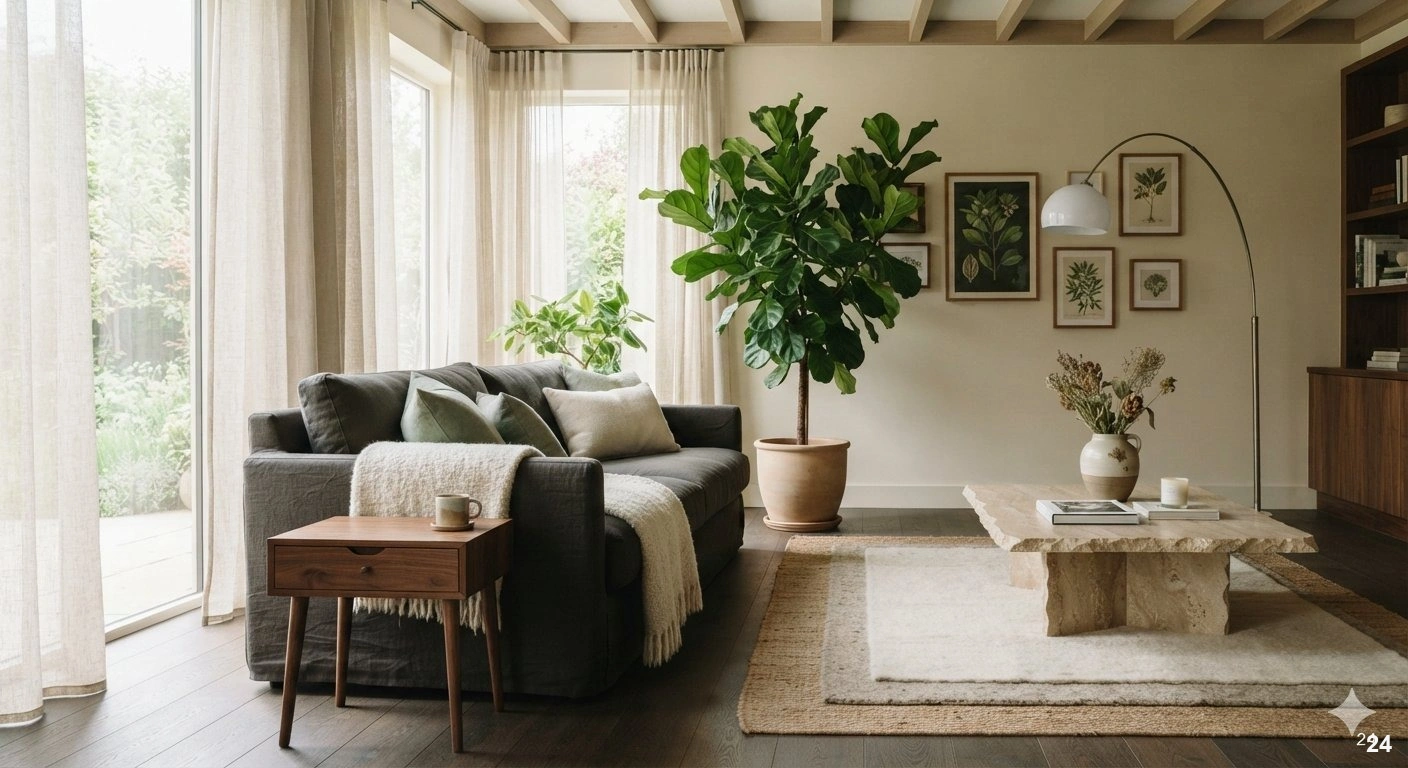
Biophilic design is about more than just adding plants; it is about fostering a genuine connection between your living space and the natural world. To curate this atmosphere effectively, place your plants where you spend the most time—near your reading chair, by the sofa, or within view of your dining area. The goal is to ensure that wherever you look, you are met with a sense of calm and vitality.
Think about the sensory experience of your plants. Fragrant jasmine or blooming indoor flowers can add an olfactory layer to the room, while plants with soft, velvety leaves invite touch. When placing plants, consider their relationship to your seating. A large plant placed beside a sofa can act as a natural screen, creating a sense of privacy and enclosure that makes the living room feel more intimate and cozy. This is especially effective in open-concept floor plans where you want to define specific zones.
Don’t be afraid to integrate plants with other natural materials like wood, stone, and linen. A wooden plant stand, a wool throw, and a lush green plant work in harmony to create a grounded, serene environment. The key to a successful biophilic display is to keep the maintenance manageable; choose plants that match your lifestyle so you aren’t stressed by their care. When you curate a home that feels like a natural extension of the outdoors, you create a sanctuary that supports your well-being and enhances the overall aesthetic of your living room. By prioritizing plants that you genuinely love, your space will naturally reflect your personal style and commitment to a vibrant, living home.
Frequently Asked Questions
How do I choose the right size plant for my living room corners?
When selecting a statement floor plant, aim for a height that draws the eye upward without obstructing natural light or pathways. A good rule of thumb is to choose a plant that fills at least two-thirds of the vertical space in the corner. If you have a small space, a tall, slender plant like a Snake Plant or a Fiddle Leaf Fig can provide height without overwhelming the floor area. Always consider the scale of your nearby furniture; a massive plant next to a delicate side table can feel unbalanced, so aim for proportional harmony.
Are there specific plants that help purify the air in a living room?
Many popular indoor plants are celebrated for their air-purifying qualities, making them excellent choices for high-traffic living areas. Varieties like the Spider Plant, Pothos, and Peace Lily are well-known for their ability to filter common indoor toxins. Beyond their functional benefits, these plants are visually versatile, fitting well on shelves or in hanging planters. When selecting air-purifying greenery, ensure you choose species that align with your room’s natural light levels, as a thriving, healthy plant will always be more effective at improving your home environment than one that is struggling.
How can I style plants in a small living room without making it look cluttered?
In compact living rooms, the key is to utilize vertical space rather than floor space. Wall-mounted planters, hanging baskets, and tiered plant stands are your best tools for creating a lush, botanical feel without sacrificing precious square footage. Instead of spreading many small pots across every surface, group three plants of varying heights together on a single shelf or side table. This ‘rule of three’ creates a purposeful, curated display that feels sophisticated and intentional rather than chaotic. Keeping your plant pots color-coordinated also helps maintain a clean, cohesive look.
What should I look for when choosing decorative pots for my plants?
Think of your plant pots as the ‘jewelry’ of your interior design. To achieve a refined look, select vessels that complement your room’s existing color palette and textures. For a modern, minimalist space, matte ceramic or concrete pots in neutral tones provide an elevated finish. If your living room features warmer, eclectic elements, consider artisan clay or woven baskets to add tactile depth. Regardless of the material, always ensure your decorative pot has proper drainage or is large enough to hold a nursery pot inside so you can easily manage watering and prevent root rot.
How do I keep my living room plants looking fresh and healthy?
Maintenance is central to a beautiful display. Regularly dusting the leaves with a damp cloth not only keeps your plants looking vibrant but also helps them photosynthesize more efficiently. Be mindful of the ‘less is more’ approach to watering; most indoor plants suffer from overwatering rather than underwatering. During the transition between seasons, check your plants’ positions, as sunlight intensity changes throughout the year. If a plant starts looking leggy or yellow, it may be signaling that it needs more light or a different spot. Consistent observation is the secret to maintaining a pristine, professional botanical aesthetic.
Conclusion
Integrating greenery into your living room is one of the most effective ways to transform a house into a soulful, sophisticated home. By thoughtfully layering textures, playing with scale, and selecting vessels that reflect your personal style, you can turn any corner into a vibrant sanctuary that feels both curated and alive. Whether you start with a single, dramatic statement tree or a collection of trailing vines on a bookshelf, these botanical additions will breathe new life into your space.
We encourage you to begin by assessing the natural light in your living room and selecting one or two plants that suit your lifestyle. Don’t feel pressured to create an indoor jungle overnight; design is a journey of refinement. Trust your instincts, enjoy the process of nurturing your new greenery, and watch as your home evolves into a refreshed, balanced, and deeply inviting retreat.