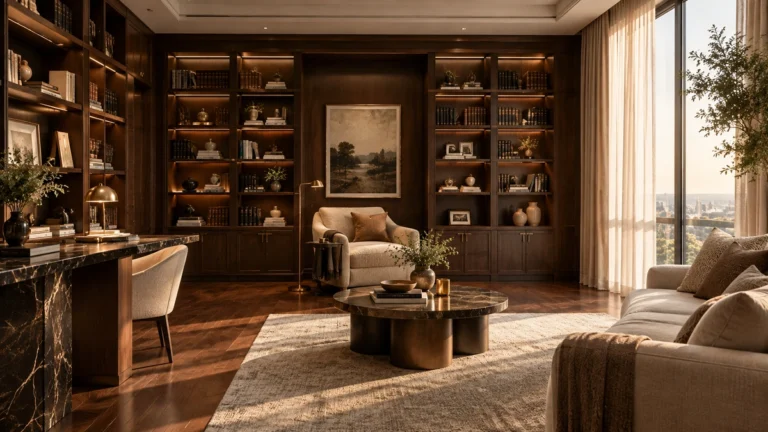
The most sophisticated interiors often hinge on a single, transformative detail that shifts the entire mood of a room. While many homeowners focus on furniture and textiles, the secret to a truly elevated space frequently lies in the art of illumination. Incorporating statement wall light fixtures acts as architectural jewelry for your home, providing that essential blend of functional task lighting and high-impact artistic design that turns a standard wall into a curated focal point.
It is common to feel overwhelmed by the technicalities of scale, placement, and finish when selecting lighting that feels both bold and intentional. Choosing a piece that complements your existing decor without clashing is a delicate balance, and the fear of improper installation or sizing can often hold you back from making a design-forward choice. You do not need to settle for generic lighting solutions when a well-placed fixture can redefine the geometry and warmth of your living space.
In this guide, we will move past the guesswork to help you master the professional principles of lighting design. From determining the ideal height for your specific wall area to balancing ambient glows with dramatic silhouettes, we are providing the practical tools you need to achieve a refined, designer aesthetic. Explore these expert strategies to curate lighting that brings both brilliance and character to your home.
Defining the Statement Wall Light Fixture
A statement wall light fixture is essentially the jewelry of a room. Just as a bold necklace elevates a simple dress, a sculptural sconce transforms a blank wall into a curated focal point. These pieces go beyond mere utility; they are artistic expressions that dictate the mood of the space. Whether you opt for an oversized, matte black arc or a delicate, hand-blown glass silhouette, the goal is to choose a fixture that demands attention without overwhelming the surrounding architecture.
These pieces work best in transitional spaces like entryways, flanking a fireplace, or framing a vanity mirror. When selecting your fixture, consider the negative space around it. A high-contrast fixture against a neutral wall creates an immediate sense of drama, while a tonal approach—matching the metal to the wall color—offers a more sophisticated, understated elegance.
Avoid the mistake of treating lighting as an afterthought. Instead, treat it as a foundational design element. If you are nervous about committing to a bold shape, look for clean, geometric lines that feel timeless. Remember, a true statement piece should look just as beautiful when unlit as it does when casting a warm, ambient glow. Prioritize craftsmanship and quality materials, as these will define the overall perceived value of your room.
Understanding Scale and Proportion in Wall Lighting
Scale is the most common pitfall in lighting design. A fixture that is too small looks lost and insignificant, while one that is too large can visually crowd the space. To achieve professional results, consider the dimensions of the wall itself. In a large room with high ceilings, don’t be afraid to go oversized; a grand, sweeping arm or a massive shade creates a sense of luxury and intentionality.
In smaller, more intimate spaces like a reading nook or a powder room, smaller-scale fixtures are often more appropriate. A helpful designer tip is to create a cardboard cutout of your desired fixture size and tape it to the wall before purchasing. This allows you to visualize the volume the piece will occupy in real time. If the wall is expansive, you might consider installing a pair of fixtures rather than a single one to maintain visual balance.
Avoid placing petite sconces on large, wide walls, as they will look like an accidental addition rather than a design choice. Conversely, if you have a tight space, ensure the projection of the sconce doesn’t interfere with traffic flow. Depth matters just as much as height and width. By carefully measuring your wall area and comparing it to the fixture specs, you ensure the proportions feel harmonious and deliberate, creating an environment that feels naturally balanced and thoughtfully designed.
Selecting Materials That Elevate Your Aesthetic
The material of your wall light is where texture and tactile appeal come into play. To elevate your interior, look for finishes that offer depth—think hand-rubbed brass, unlacquered nickel, or artisan-cast plaster. Materials like stone, wood accents, or woven rattan can add a layer of organic warmth to a room, while polished chrome or brushed bronze offers a more contemporary, sleek edge.
Consider the existing materials in your room. If your space features velvet upholstery or heavy drapery, a metallic fixture with a reflective finish can add a necessary pop of light and contrast. If your room is dominated by hard surfaces like marble or glass, a matte-finished or fabric-shaded sconce will introduce a softer, more inviting texture. The goal is to create a cohesive material story that feels layered rather than flat.
Avoid mixing too many disparate textures in one small area, as this can create visual clutter. If you are unsure, stick to a monochromatic palette but vary the finishes—for instance, a matte black base with an opal glass shade. This combination is timeless and works in almost any design style, from industrial to mid-century modern. Always check the finish in your home’s natural light, as store lighting can often mask the true undertones of metals and materials.
Strategic Placement for Maximum Visual Impact
Placement is where the science of lighting meets the art of design. A statement wall light should never feel randomly placed; it needs to be anchored to something. Whether it is centered above a console table, flanking a piece of artwork, or marking the entry to a hallway, the fixture should relate to the furniture or architectural features nearby. This creates a visual connection that makes the room feel cohesive.
For high-impact, consider using sconces to highlight verticality. Placing a tall, slender light fixture on a narrow wall can draw the eye upward, making the ceilings feel higher. If you are lighting a gallery wall, use the sconces to frame the collection, ensuring they are placed at a height that illuminates the art without casting harsh glare. The goal is to use the light to create layers of depth within the room, moving away from flat, overhead-only illumination.
Common mistakes include placing lights too far apart, which makes them feel disconnected from the furniture they are meant to accent. Conversely, placing them too close can create a cluttered look. As a rule of thumb, ensure the light is positioned so that the source is shielded from direct view, allowing the glow to wash against the wall. This ‘wall washing’ effect adds a professional, gallery-like ambiance that makes any home feel custom-designed and high-end.
Determining the Perfect Height for Wall Sconces
Determining the ideal height for wall sconces is a matter of both ergonomics and aesthetics. For general wall-mounted fixtures in a hallway or living area, the standard rule is to mount the center of the light roughly 60 to 66 inches from the floor. This places the light at eye level for most people, ensuring a balanced look. However, if you are mounting sconces to flank a bed, the height should be adjusted so the light source is just above shoulder height when sitting up, usually around 24 to 30 inches above the mattress.
When mounting lights above a bathroom vanity, aim for eye level to minimize unflattering shadows on the face. If you are working with a statement fixture that has a long, dramatic arm, you may need to adjust these heights to ensure the piece doesn’t feel too low or too high relative to the furniture it accompanies. Always consider the sightlines from a seated position versus a standing position; the fixture should look intentional from every angle.
Avoid the mistake of mounting sconces too high, which can make the ceiling feel lower and create awkward shadows. If you are unsure, err on the side of slightly lower rather than higher. A low-hung light feels more intimate and purposeful. Use blue painter’s tape to mark the wall at different heights before drilling holes; this simple test will reveal exactly how the fixture interacts with your specific room proportions and human scale.
Function Versus Form: Choosing the Right Sconce Style
Balancing function and form is the ultimate challenge in lighting design. A statement piece that looks stunning but provides poor light is a missed opportunity. If your wall light is intended for task-heavy areas like a desk or a reading chair, prioritize adjustable arms and shades that direct light exactly where you need it. Look for fixtures with dimming capabilities, as this allows you to toggle between bright, functional task lighting and a soft, ambient glow for entertaining.
If the fixture is purely for decorative impact, you have more freedom to focus on sculptural elements. However, even decorative lights should have a warm color temperature. Avoid cool-toned, clinical bulbs; instead, opt for a temperature between 2700K and 3000K to maintain a cozy, inviting atmosphere. The bulb itself can be a design feature, so consider the shape of the filament if you are using an exposed bulb design.
Don’t sacrifice one for the other. A high-quality fixture will provide both beauty and utility. If you find a fixture that is purely artistic, consider pairing it with a separate, hidden light source like a recessed spotlight to ensure the room remains functional. The most successful rooms are those where the lighting is layered, combining general overhead light with decorative wall sconces and purposeful task lighting. This approach creates a sophisticated, multi-dimensional environment that is both beautiful to look at and easy to live in.
The Versatility of Swing Arm Wall Lamps
Swing arm wall lamps are the ultimate multitaskers of the lighting world. Their primary benefit is flexibility, allowing you to pull light toward you when you need it and tuck it away when you don’t. This makes them perfect for bedside reading, home offices, or even kitchen nooks where counter space is limited. Because they are wall-mounted, they free up valuable surface area on side tables and desks, contributing to a cleaner, more organized aesthetic.
From a design perspective, swing arms add an industrial, curated feel to a room. They suggest an active, lived-in space where function is prioritized. To keep them looking elevated, look for models with elegant joints and high-quality finishes. If you are renting, look for ‘plug-in’ versions that allow you to install the light without hardwiring. Many of these plug-in models now feature beautiful fabric-wrapped cords that can be turned into a design feature themselves, rather than something to be hidden.
Avoid the common mistake of choosing a swing arm that is too short for its intended use. Measure the reach of the arm carefully to ensure it can actually extend over your book or workspace. When styled correctly, these fixtures act as both a practical tool and a bold design statement. They work particularly well in modern farmhouse, industrial, or minimalist interiors where clean lines and utility are highly valued.
Mastering the Art of Mixing Metal Finishes
Gone are the days of matching every piece of hardware in a room. Mixing metal finishes is a hallmark of sophisticated, designer-led interiors. It adds a sense of history and evolution to a space, making it feel less like a showroom and more like a home that has been curated over time. When incorporating statement wall lights, don’t feel obligated to match them to your door handles or cabinet hardware.
To mix metals successfully, follow the 60/30/10 rule: 60% of your metal in one dominant finish, 30% in a secondary finish, and 10% as an accent. If your room features polished nickel hardware, a matte black or antique brass wall sconce can act as that perfect 10% accent. The key is to ensure the finishes have a similar undertone or that the contrast is intentional and bold. Avoid mixing too many finishes that are similar but not quite the same, as this can look like a mistake rather than a design choice.
Consider the ‘temperature’ of your metals as well. Warm metals like brass and gold pair beautifully with cooler metals like nickel or iron, especially when anchored by a neutral color palette. This balance keeps the room feeling grounded. By thoughtfully layering finishes, you create a dynamic, visually interesting space that feels professional and refined. Always bring samples of your hardware and lighting finishes into the room together to ensure they harmonize under your specific lighting conditions.
9. Layering Light for a Sophisticated Interior
True sophistication in design is rarely achieved with a single light source. To create a multi-dimensional space, treat your statement wall lights as the jewelry of the room, layered over a foundation of recessed or ambient lighting. By using wall fixtures to create pools of light, you break up the monotony of flat walls and introduce architectural interest that draws the eye upward.
This approach works best in living rooms or primary bedrooms where you want to transition from bright, functional daytime activities to an intimate, cozy atmosphere in the evening. Consider pairing sleek, sculptural brass sconces with warm, diffused overhead lighting. The goal is to create a rhythm of light and shadow, which prevents the space from feeling sterile or overly clinical.
When styling, prioritize symmetry to anchor the room. Placing identical fixtures on either side of a fireplace or a large-scale piece of art creates a balanced, gallery-like feel. For materials, explore unlacquered brass for a living patina or matte black for a bold, modern contrast against neutral plaster walls. Always ensure the light output is soft; if the fixture is purely decorative, use a lower-wattage bulb to maintain that coveted, moody glow.
10. Choosing Between Hardwired and Plug-in Solutions
The choice between hardwired and plug-in wall fixtures often comes down to a balance between aesthetic permanence and practical flexibility. Hardwired fixtures offer a clean, seamless look without visible cords, making them the gold standard for high-end renovations. They suggest a deliberate, permanent design choice that elevates the structural integrity of your walls.
However, plug-in solutions have evolved significantly, shedding their utilitarian reputation for high-design silhouettes. They are ideal for homeowners who want to introduce statement lighting without the cost or commitment of electrical work. A plug-in sconce with a decorative fabric-wrapped cord can actually become a design feature in itself, especially when paired with elegant brass cable clips.
Where you choose to install them matters. Hardwired lights are essential in bathrooms or high-traffic hallways where a clean, flush profile is preferred. Plug-in options excel in bedside applications or home offices where you may want to swap out fixtures as your style evolves. When opting for a plug-in, ensure the cord length is sufficient and consider running it behind a piece of furniture to keep the visual line uncluttered. Regardless of the choice, always match the finish of your fixture to existing hardware—like door handles or cabinet pulls—to ensure the piece feels like a cohesive part of the home’s narrative.
11. Installation Tips for Renters and Minimalist Spaces
For renters or those who prefer a minimalist, non-invasive approach to design, wall lighting doesn’t have to mean drilling holes. Modern design has embraced the ‘no-drill’ aesthetic, allowing you to enjoy statement fixtures while keeping your walls pristine. Using high-strength, double-sided mounting tape or tension-based systems can often support lightweight decorative sconces without the need for anchors or complex wiring.
If you are working with a minimalist space, consider the ‘less is more’ philosophy. Instead of a series of smaller lights, opt for one oversized, dramatic piece that acts as a singular sculpture on the wall. This minimizes visual clutter while still providing a high-impact focal point. In small apartments, this technique keeps the floor space clear, making the room feel significantly more expansive and curated.
When styling for a minimalist look, keep the fixtures monochromatic. A white-on-white ceramic sconce can blend into the wall during the day, becoming a subtle texture, then transform into a warm glow at night. This keeps the focus on the quality of light rather than the fixture itself. If you must use cords, keep them taut and aligned vertically to maintain a clean, architectural geometry. Remember, the best minimalist spaces rely on the quality of the materials, so choose fixtures crafted from high-quality metals or organic materials like alabaster to ensure the piece makes a lasting impression.
12. Framing Mirrors and Artwork with Wall Lighting
Using wall lights to frame mirrors or artwork is a classic design strategy that adds depth and professional polish to any room. By flanking a mirror or a canvas, you create a sense of symmetry that feels inherently curated and intentional. This technique is particularly effective in dining rooms, where a pair of sconces can highlight a piece of art, or in bathrooms, where they provide essential, flattering light for grooming.
When framing a mirror, ensure the fixtures are placed at eye level to avoid harsh shadows on the face. If you are highlighting artwork, look for adjustable or swing-arm fixtures that allow you to direct the light precisely onto the canvas. This prevents glare and ensures the art remains the protagonist of the wall. The finish of your sconces should complement the frame of the mirror or art; for instance, a gold-leaf frame looks stunning paired with antique brass or brushed champagne fixtures.
Avoid the common mistake of placing fixtures too far apart. They should feel connected to the object they are framing, not floating in isolation. A good rule of thumb is to keep the sconces within six to ten inches of the mirror or artwork edge. For a sophisticated touch, consider using slender, vertical fixtures that mirror the height of the piece being framed, creating a cohesive, elongated look that draws the eye upward and adds a sense of grandeur to the space.
13. The Importance of Bulb Color Temperature and Ambience
The most beautiful fixture in the world can be ruined by the wrong bulb. Color temperature, measured in Kelvins (K), is the silent architect of your home’s mood. For residential interiors, I always recommend sticking to the warmer end of the spectrum, typically between 2200K and 2700K. This range mimics the soft, inviting glow of candlelight or the setting sun, instantly making a space feel more hospitable.
Avoid ‘daylight’ bulbs at all costs, as they lean toward a cold, blue tint that can make high-end materials like marble or oak appear flat and uninviting. If your fixture features exposed bulbs, consider Edison-style filaments or frosted globes. These add a layer of texture to the light itself, preventing the harsh glare that can occur with clear bulbs. The bulb becomes part of the fixture’s aesthetic, so choose one that fits the style—a vintage-inspired amber bulb in a modern industrial sconce creates a wonderful contrast.
Lighting is an emotional experience. By keeping your color temperature consistent across all wall fixtures in a single room, you create a harmonious environment. If you are mixing fixtures, ensure the bulbs are uniform in their output. A designer-inspired tip: use a higher CRI (Color Rendering Index) bulb to ensure that colors in your room, such as wallpaper or fabric upholstery, look as vibrant and true as they do in natural daylight. This small, technical detail makes a significant difference in how luxurious your finishes appear to the eye.
14. Optimizing Lumen Output for Task and Ambient Lighting
Understanding lumens is the key to mastering the functionality of your wall lights. While watts measure power consumption, lumens measure the actual brightness of the light. For statement wall lights intended for ambient or mood lighting, aim for a lower lumen output—somewhere between 300 and 500 lumens. This provides enough light to navigate a space without creating an over-lit, flat environment.
Conversely, if your wall lights are meant for task-oriented areas like a kitchen prep zone, a reading nook, or a vanity, you will need higher lumen output, typically in the 600 to 800 range. The secret to success here is balancing this brightness with shielding. Use fixtures with shades or directional heads that prevent the light from becoming a distraction or causing glare. This ensures that the light is concentrated exactly where you need it, rather than washing out the entire wall.
If you find a fixture that is perfect in design but too bright, don’t worry. A high-quality LED bulb with lower lumen output can often be swapped in, or you can rely on the fixtures’ natural materials—such as linen, frosted glass, or perforated metal—to diffuse the light. When styling, think about how the light interacts with the wall surface. A directional light on a textured wall, like brick or stone, creates dramatic highlights and shadows, while a diffused light on a smooth, matte-painted wall creates a soft, ethereal glow. Always test your lighting at different times of the day to ensure it serves both the aesthetic and functional needs of your room.
15. Integrating Dimmers for Adjustable Mood Lighting
If there is one non-negotiable for a professional-grade lighting scheme, it is the installation of dimmers. They are the ultimate tool for mood management, allowing you to transition a room from a bright, productive space in the morning to a soft, intimate sanctuary by evening. A statement wall light without a dimmer is like a musical instrument with only one volume setting; you lose the nuance and the ability to set the scene.
When selecting fixtures, ensure they are compatible with the dimmer switches you intend to install. Most modern LED-compatible wall lights work seamlessly, but it is always worth verifying the specifications before purchase. For an added layer of luxury, consider smart dimming systems that can be controlled via your smartphone or programmed for specific times of the day, allowing the house to ‘wake up’ and ‘wind down’ with you.
Placement of these controls is just as important as the lights themselves. If you are installing new switches, place them at a convenient height, ideally near the entrance of the room or adjacent to the bed. If you are working with existing wiring, look for plug-in dimmers that sit between your fixture and the outlet. This is a brilliant, low-effort solution for renters. By dimming your statement lights, you soften the contrast between the fixture and the wall, which often makes the light look more expensive and diffused. It is the subtle, professional touch that separates a well-decorated room from a truly designed interior.
16. Avoiding Common Mistakes in Wall Light Placement
The most common mistake I see in home design is mounting wall lights too high or too low. As a rule of thumb, the center of the wall light should be approximately 60 to 66 inches from the floor. This places the light at a comfortable eye level, preventing it from looking disconnected from the rest of the room’s scale. In bedrooms, however, you have more flexibility—placing them slightly lower, around 30 to 36 inches above the mattress, creates a more intimate, cozy reading light.
Another frequent error is ignoring the scale of the wall relative to the fixture. A tiny sconce on a massive, empty wall will look lost and insignificant, while an oversized fixture in a tight hallway can feel claustrophobic. If you have a large wall to fill, consider using a series of three or more fixtures to create a sense of rhythm and intentionality. This turns a single light into an architectural installation.
Finally, avoid the mistake of neglecting the wall’s texture and color. A dark, moody wall requires a higher lumen output or a reflective finish on the fixture to ensure the light actually makes an impact. Conversely, on a light-colored wall, a dark, matte fixture creates a striking graphic contrast. When in doubt, use painter’s tape to mock up the size and placement of your fixtures on the wall before committing to drilling. This simple step allows you to step back and view the composition from across the room, ensuring that the lights feel balanced, proportionate, and perfectly integrated into your home’s unique layout.
Selecting Fixtures for Small Living Rooms
In a compact living room, every square inch of vertical space is an opportunity to add depth without sacrificing valuable floor real estate. When choosing a statement wall light for a tighter footprint, look for silhouettes that offer sculptural appeal even when switched off. Think of these fixtures as jewelry for your walls—a brass swing-arm lamp or a sleek, minimalist sconce can draw the eye upward, effectively making the ceiling feel higher and the room feel more expansive.
The secret to success here is scale. Avoid oversized, bulky fixtures that feel like they are encroaching on your seating area. Instead, opt for slim-profile designs or articulating arms that can be tucked away when not in use. Matte black or brushed gold finishes work beautifully against neutral walls, providing a sophisticated contrast without overwhelming the senses. If you are working with a small wall section, a pair of matching sconces placed on either side of a piece of art can create a balanced, intentional look that anchors the room.
One common mistake is placing fixtures too high, which can make the light feel disconnected from the furniture below. Aim to install your sconces at roughly 60 inches from the floor, or slightly lower if they are positioned to illuminate a side table or a reading nook. By focusing on light that washes the wall rather than harsh, direct glare, you create a soft, inviting atmosphere that makes a small room feel cozy and curated rather than cramped.
Modern Bedside Lighting Alternatives to Table Lamps
Ditching the traditional table lamp in favor of wall-mounted lighting is one of the most effective ways to achieve a boutique hotel aesthetic in your primary bedroom. By clearing your nightstands of cords and bases, you instantly reclaim precious surface area for books, a carafe, or a small vase of fresh florals. This transition is not just about utility; it is about creating a clean, streamlined silhouette that promotes a sense of calm and order.
When selecting your fixtures, consider the mood you want to evoke. For a soft, diffused glow, look for sconces with linen shades or frosted glass globes. If your bedroom serves as a reading sanctuary, adjustable articulating arms are your best friend, allowing you to direct light exactly where you need it while keeping the rest of the room dim and relaxing. Brass and unlacquered copper add a touch of warmth to cool-toned bedrooms, while matte black fixtures provide a sharp, modern edge against lighter, airy bedding.
Placement is paramount. Ideally, the bottom of your sconce shade should sit just above shoulder height when you are sitting up in bed, ensuring the light hits your book rather than your eyes. Avoid the mistake of mounting them too high, which results in uncomfortable glare. If you are hesitant about hardwiring, many high-end brands now offer plug-in versions that look indistinguishable from their permanent counterparts. Pair these with warm-toned, dimmable LED bulbs to ensure the light quality remains soft and conducive to winding down at the end of the day.
Creating Dramatic Hallway Transitions with Wall Lights
Hallways are often treated as mere corridors, but they offer the perfect canvas for a dramatic design statement. Because these spaces lack the furniture clutter of a living room, wall lighting becomes the star of the show. Using a series of sculptural wall lights can transform a mundane walkway into a gallery-like experience, guiding the eye and creating a rhythmic pulse as you move through your home.
For a truly sophisticated look, consider fixtures that project patterns of light against the wall, such as plaster-cast sconces or geometric metal designs. This technique adds architectural interest and depth to otherwise flat surfaces. If your hallway is narrow, choose low-profile fixtures that won’t impede traffic flow. Brushed nickel or antique bronze finishes offer a timeless appeal that complements most interior styles, from transitional to contemporary. For a bolder approach, dark, moody wall paint paired with gold-toned fixtures creates a high-contrast look that feels incredibly luxurious.
Spacing is the key to achieving a professional, rhythmic effect. Place your sconces approximately 6 to 8 feet apart, depending on the length of the hallway and the intensity of the light. Avoid placing them too close together, which can create a cluttered, chaotic appearance. Remember to keep the mounting height consistent throughout the space to maintain a sense of order. By using a dimmer switch, you can transition the hallway from a bright, functional path during the day to a soft, ambient glow at night, adding an extra layer of comfort to your transition spaces.
Balancing Multiple Fixtures in Open Concept Spaces
In an open-concept layout, lighting serves as the invisible thread that ties different zones together. When introducing multiple statement wall lights, the goal is to create a sense of harmony without succumbing to the ‘matchy-matchy’ trap. You want your kitchen sconces to speak the same design language as your living area wall lights, even if they aren’t identical pieces. This can be achieved through consistent finishes, such as using brushed brass throughout, or by repeating a specific shape, like a recurring globe motif.
The biggest mistake in open-concept design is over-lighting. Too many competing focal points can make a space feel frantic rather than cohesive. Instead, identify your primary zones—the dining area, the lounge, and the kitchen workspace—and select one or two spots in each to receive a statement fixture. These should act as anchors that define the purpose of each area. For example, a pair of oversized, industrial-style sconces can define a dining nook, while a single, sleek fixture might highlight a piece of art in the living room.
Consider the color temperature of your bulbs carefully. In an open space, you want a consistent Kelvin rating—typically between 2700K and 3000K—across all fixtures to ensure the light quality feels unified. Mixing warm and cool light sources can make the home feel disjointed. By maintaining this consistency, you allow the architecture and your furniture to take center stage, while the lighting works quietly in the background to provide the necessary warmth and functionality that defines a well-curated, modern home.
Enhancing Architectural Features with Up and Down Lighting
One of the most effective ways to elevate a room is to use wall lighting to highlight its inherent character. Up-and-down wall sconces are particularly adept at this, as they wash light across the ceiling and floor simultaneously, creating a dramatic interplay of shadow and illumination. This technique is perfect for accentuating textured surfaces like stone fireplaces, exposed brick, or vertical wood paneling, turning a standard wall into a focal point of the home.
When using up-and-down lights, the material of the fixture itself should be considered. A concrete or plaster sconce can blend seamlessly into a wall, allowing the light to be the primary design element, while a metallic fixture acts as an intentional piece of wall art. These fixtures work best in rooms with high ceilings or interesting architectural details that deserve to be showcased. By casting light both ways, you soften the hard edges of a room, creating a more sophisticated, layered atmosphere that feels inherently luxurious.
Be mindful of the wall surface you are illuminating. If your walls have imperfections, direct light can highlight them, so consider a matte finish or a soft-touch wall treatment. For a designer-inspired touch, place these fixtures at eye level to create a comfortable, intimate glow. Avoid the mistake of relying on these as your sole light source; they are best used as accent lighting to complement recessed ceiling lights or table lamps. By strategically layering your light, you create a dynamic, professional-grade environment that highlights the very best features of your home.
Curating a Designer Look Without Professional Installation
Achieving a bespoke, editorial look doesn’t always require a master electrician or expensive renovations. The market for high-end ‘plug-in’ wall sconces has exploded, offering homeowners the ability to add architectural lighting anywhere in their home without cutting into drywall or rewiring circuits. These fixtures come with sophisticated, cloth-covered cords that can be left exposed as a design feature or hidden behind clever cable management systems to maintain a clean, custom look.
To make these fixtures look intentional rather than temporary, focus on the styling around the cord. Use a matching cord cover in the same finish as your sconce to blend it into the wall, or embrace the aesthetic by choosing a contrasting, high-quality fabric cord that adds a pop of texture. Placement is just as important with plug-in fixtures as it is with hardwired ones. Use a level to ensure perfect alignment, and consider grouping fixtures in pairs to create a more substantial, permanent-looking installation. This is an excellent solution for rentals or for those who want to test out a layout before committing to a permanent electrical change.
One designer trick is to use a wireless, battery-operated LED puck light inside a shade if you don’t have an outlet nearby. While these won’t provide heavy task lighting, they offer the perfect soft glow for ambient evening moods. When selecting your fixtures, look for high-quality materials like heavy brass, solid glass, or matte-finished metals. The weight and texture of the fixture are what differentiate a luxury look from a budget one. By treating these pieces as curated decor, you can easily transform the personality of any room in an afternoon.
Safety Considerations for Wall-Mounted Fixtures
While statement lighting is a beautiful addition to any home, safety should remain a priority during installation and selection. The most common mistake homeowners make is choosing fixtures that are too heavy for their wall type, particularly when dealing with drywall or plaster. Always ensure your wall can support the weight of the fixture; for heavier metal pieces, you must use proper anchors or mount the base directly into a wall stud to prevent sagging or damage over time.
Heat management is another often overlooked factor. If you are using traditional incandescent bulbs, they can generate significant heat, which may damage delicate shades or the wall surface itself. Always opt for high-quality LED bulbs. They remain cool to the touch, are energy-efficient, and come in a variety of color temperatures that mimic the warmth of old-fashioned bulbs without the safety risks. Check the fixture’s maximum wattage rating, and never exceed it, even if you are using cooler LED technology, to ensure the wiring remains safe and compliant.
For those with children or pets, consider the placement of your fixtures carefully. Avoid low-hanging sconces in high-traffic areas or near play spaces where they might be bumped or pulled. If you choose a plug-in model, ensure the cord is secured tightly against the wall to prevent tripping hazards or accidental tugging. Finally, if you are unsure about the electrical requirements of a fixture, or if you are working with older home wiring, it is always a wise investment to consult a professional. A safe, properly installed fixture is the foundation of a home that is both beautiful and functional.
Future-Proofing Your Home with Timeless Lighting Choices
When investing in statement wall lights, it is tempting to chase passing trends, but the most sophisticated homes are those built on a foundation of timeless design. To future-proof your space, prioritize classic silhouettes and high-quality, durable materials. Shapes inspired by mid-century modern design, such as conical shades, simple spheres, or clean-lined arms, have a way of looking fresh regardless of how the rest of your decor evolves. These forms are inherently balanced and rarely feel dated.
Materiality is equally important. Opt for ‘living’ finishes like unlacquered brass, bronze, or natural iron, which age beautifully and develop a unique patina over time. These materials feel authentic and high-end, contrasting sharply with cheap, plated finishes that can flake or fade. Avoid overly ornate designs that might feel tied to a specific aesthetic period; instead, look for pieces that balance function with an understated, sculptural elegance. A simple, well-proportioned sconce in a neutral finish will look just as relevant in a contemporary space as it will in a more traditional one.
Finally, think about the modularity of your lighting. Choosing fixtures with standard socket sizes allows you to upgrade your bulbs as technology advances, ensuring your lighting system stays efficient. By selecting pieces that prioritize craftsmanship and simplicity, you create an enduring interior that feels intentionally curated rather than ‘on-trend.’ These are the pieces that you will keep for years, moving them from room to room as your lifestyle shifts, knowing they will always bring a sense of refined, timeless luxury to your home.
Frequently Asked Questions
How do I choose the right size for a statement wall light fixture?
Scale is essential for a balanced look. As a general rule, consider the size of the surrounding furniture or the width of the wall space. In a hallway or narrow entry, a fixture that is too deep can feel obstructive, while a small sconce on a grand, expansive wall will get lost. If you are placing a fixture above a console table or bedside, ensure the width of the light does not exceed the width of the furniture below it. Always check the physical dimensions against your space, not just the online photos, to ensure the proportions feel intentional rather than accidental.
Can I mix metal finishes if I already have other hardware in the room?
Absolutely. Mixing metal finishes is a hallmark of sophisticated, layered interior design. The key is to establish a dominant finish and use others as accents. For example, if your door handles and cabinet pulls are matte black, you might introduce a brass or antique bronze wall light to create a curated, collected feel. To make this look intentional, try to distribute the secondary metal finish throughout the room—perhaps through a picture frame or a decorative tray. This creates visual cohesion and prevents the room from feeling like a showroom display.
Are plug-in wall lights as effective as hardwired fixtures?
Plug-in wall lights are an excellent, versatile solution, especially for renters or those who want to avoid the cost and permanence of electrical work. When selected with care, they offer the same aesthetic impact as hardwired versions. To elevate the look of a plug-in fixture, consider using a decorative cord cover that matches your wall color, which helps the wire blend seamlessly into the architecture. Modern plug-in designs have evolved significantly, offering high-end finishes and sculptural silhouettes that provide the same functional and decorative benefits as their hardwired counterparts.
What is the best bulb color temperature for creating a warm, inviting atmosphere?
For most living spaces, we recommend a color temperature between 2700K and 3000K. This range provides a soft, warm glow that mimics the comfort of traditional incandescent lighting, making your home feel cozy and welcoming. Avoid cool or ‘daylight’ bulbs above 4000K, as these can make a room feel clinical or sterile. If your statement wall light features a clear glass shade, consider using a decorative filament bulb to enhance the fixture’s design. Always test your bulbs in the evening to see how they interact with your wall color and room shadows.
Do I really need a dimmer switch for wall-mounted lighting?
Installing a dimmer is one of the most effective ways to increase the versatility of your lighting. It allows you to transition a room from a bright, functional task-oriented space during the day to an intimate, relaxed environment in the evening. Even if your wall light is a simple design, the ability to soften the output significantly enhances the mood. If you are using a plug-in fixture, you can even purchase external plug-in dimmers, making it easier than ever to achieve professional-grade control over your home’s ambience without needing to touch your home’s electrical wiring.
Conclusion
Incorporating statement wall light fixtures is a powerful way to infuse your home with both architectural character and functional elegance. By carefully considering the scale, finish, and placement of each piece, you can transform ordinary walls into sophisticated focal points that define the mood of your entire living space. Whether you are layering light for a cozy atmosphere or highlighting specific features, these fixtures serve as the final, polished touch in a well-designed home.
We encourage you to start small—perhaps by replacing a single bedside lamp or adding a decorative sconce to a quiet hallway corner. As you gain confidence in balancing form and function, you will discover how these intentional choices elevate your interior environment. Trust your design instincts, focus on quality, and enjoy the transformative glow that thoughtful lighting brings to your everyday life.