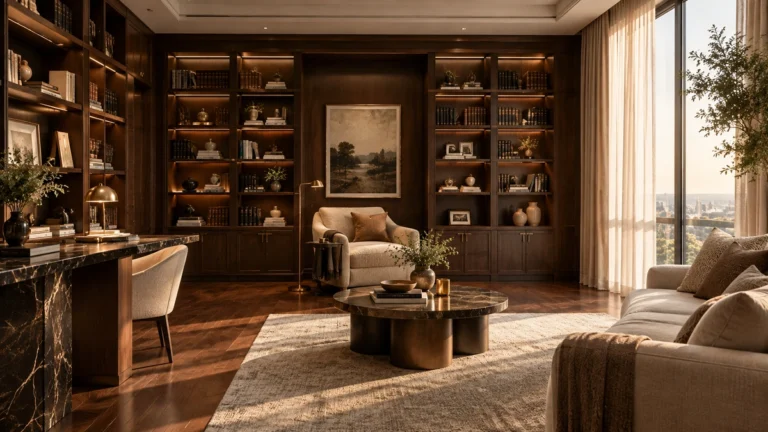
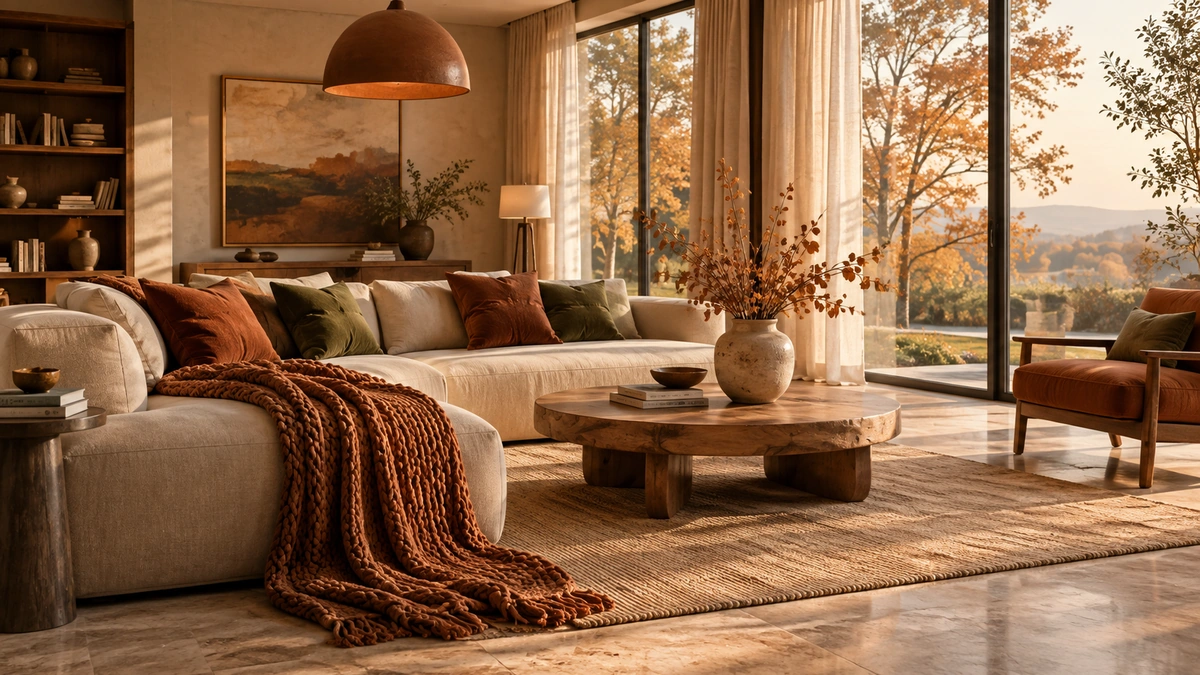
The transition between seasons offers the perfect opportunity to recalibrate your living space, shifting the focus from airy summer openness to a more grounded, intimate atmosphere. Many homeowners struggle to update their interiors without resorting to temporary, mass-produced items that disrupt a carefully curated aesthetic. True seasonal styling is not about replacing your decor, but rather layering your existing environment with elements that evoke warmth and comfort.
Integrating sophisticated Fall home decoration ideas requires a discerning eye for texture and an intentional approach to color. By prioritizing organic materials—such as heavy linens, warm wools, and raw wood—you can invite the essence of the season indoors while maintaining a clean, clutter-free foundation. This refined method ensures your home feels refreshed and cozy without sacrificing the timeless quality of your permanent design choices.
In this guide, we explore how to curate an elevated autumn sanctuary by focusing on lighting, tactile layers, and natural accents. Whether you are looking to soften your living room with deeper hues or style a mantel with understated elegance, these actionable strategies will help you master the seasonal shift with ease. Let us look at how you can transform your home into a welcoming retreat that feels both contemporary and deeply personal.
Curating a Sophisticated Autumn Color Palette
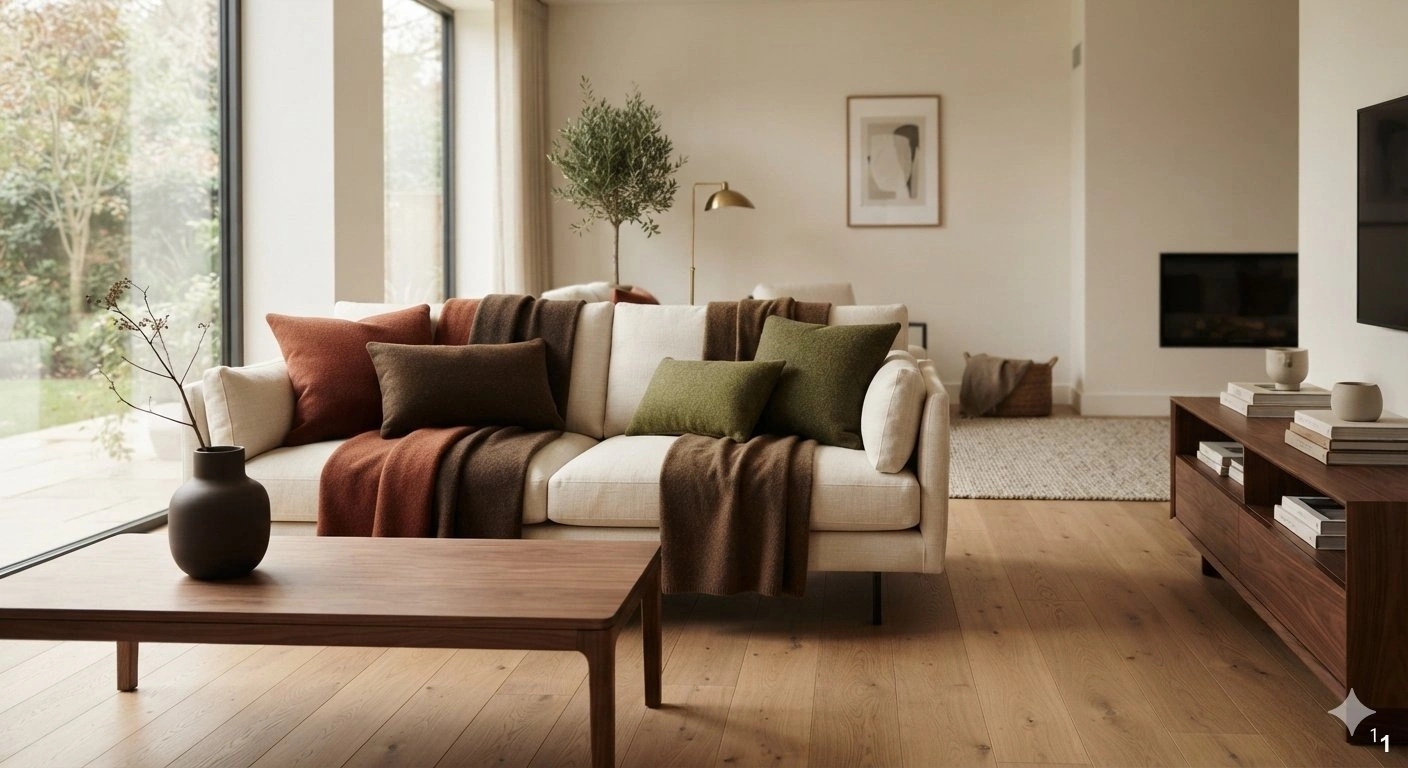
Moving away from the saturated, kitschy oranges often associated with the season, a sophisticated autumn palette relies on muted, earthy undertones. Think of deep terracotta, tobacco, moss green, and charcoal gray. These colors work best when anchored by a neutral base of cream or warm white, which prevents the space from feeling heavy or cave-like. By focusing on tonal depth rather than bright primary hues, you create a seamless transition that feels intentional and high-end.
To implement this, start with your existing upholstery and layer in accents through decorative pillows or a new throw blanket. A common mistake is introducing too many colors at once; instead, choose three complementary shades and repeat them throughout the room to create visual harmony. Incorporate these tones through materials like matte ceramic vases or wool-blend textiles. This approach ensures your home feels refreshed and seasonally relevant without losing its refined, timeless character. When selecting textiles, look for variations in shade—a slightly darker espresso cushion against a lighter tan sofa adds the professional layering that defines a designer-styled home.
The Art of Layering Wool, Velvet, and Linen
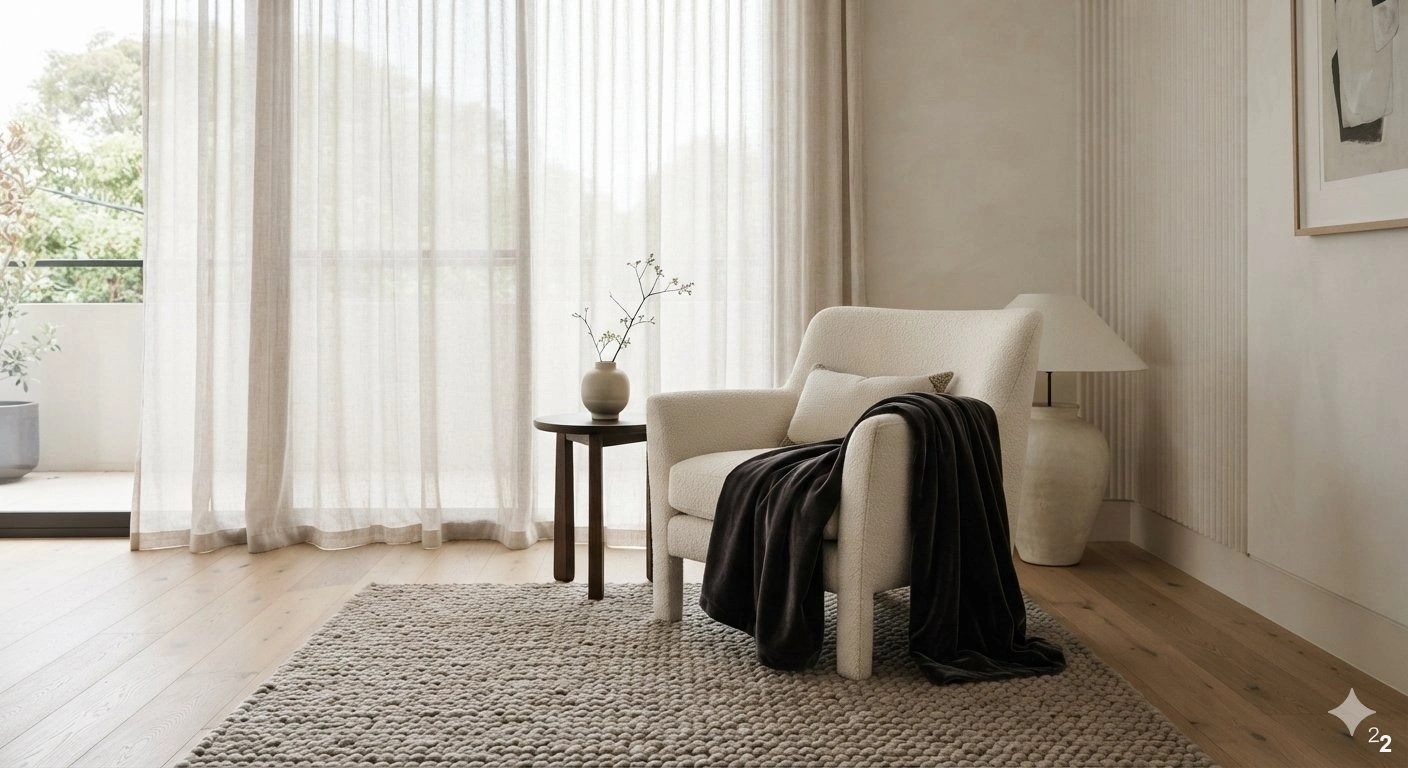
The secret to an elevated home environment lies in the tactile experience. As temperatures drop, your home should feel like a sanctuary of comfort, which is best achieved through the juxtaposition of varied textures. Layering is an art form; begin with a base of crisp, breathable linen, then introduce the softness of velvet and the substantial weight of chunky wool. This combination creates a sensory depth that makes a space feel curated and lived-in.
Place a velvet throw across the arm of a linen-upholstered chair to create an inviting contrast between the matte fabric and the slight sheen of the velvet. In the bedroom, layer a heavy wool knit blanket at the foot of the bed to add structural interest. One mistake often made is mixing too many competing patterns; keep the patterns minimal or non-existent, letting the materiality of the fabrics take center stage. When working with these materials, consider the weight and drape of the textiles. A heavy wool rug underfoot provides an immediate feeling of warmth, while linen curtains allow for soft, diffused light. This balance of heavy and light elements is essential for achieving a professional, layered look that feels both practical and luxurious.
Transitioning Living Room Textiles for Seasonal Comfort
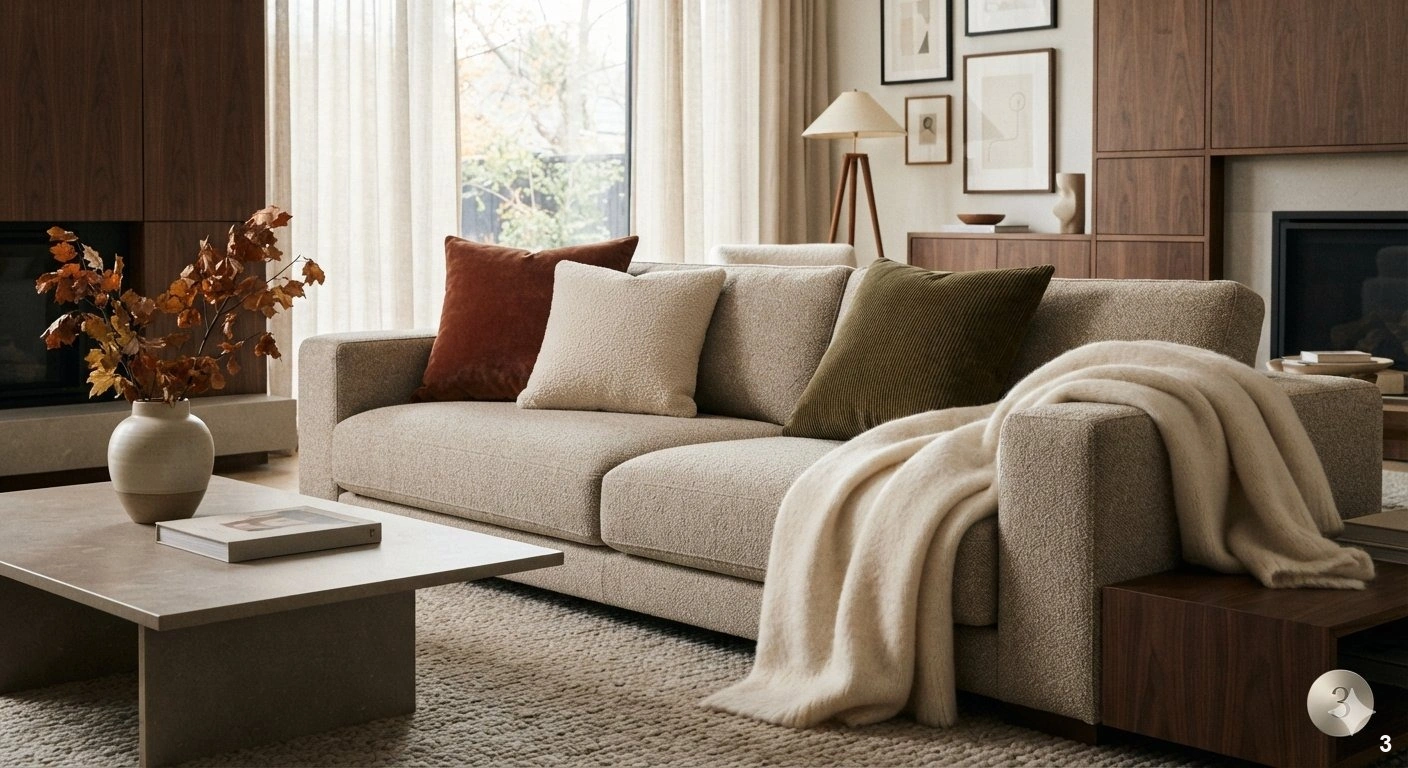
Transitioning your living room for the season doesn’t require a total overhaul; it’s about swapping out the lighter, airy pieces of summer for textiles that offer physical and visual warmth. Replace lightweight cotton or silk cushion covers with fabrics that have a more substantial hand-feel, such as heavyweight wool, corduroy, or deep-pile velvet. These fabrics absorb light rather than reflecting it, which naturally makes a room feel more intimate and grounded as the days shorten.
When styling, prioritize the ‘rule of three’ for cushion arrangements to keep the sofa looking polished. A common mistake is over-stuffing the sofa with too many pillows, which hinders comfort. Instead, opt for high-quality down inserts that provide a soft, sink-in feel. Consider the color of your textiles in relation to your ambient lighting; deeper, warmer tones will react beautifully with the golden glow of lamps in the evening. This shift in texture acts as a signal to the senses that the home is ready for slower, more relaxed evenings. By focusing on the quality of the fabric—such as brushed cotton or boucle—you elevate the room’s overall aesthetic while ensuring the space remains a functional, cozy retreat.
Elevated Dining Table Styling for Autumn Gatherings
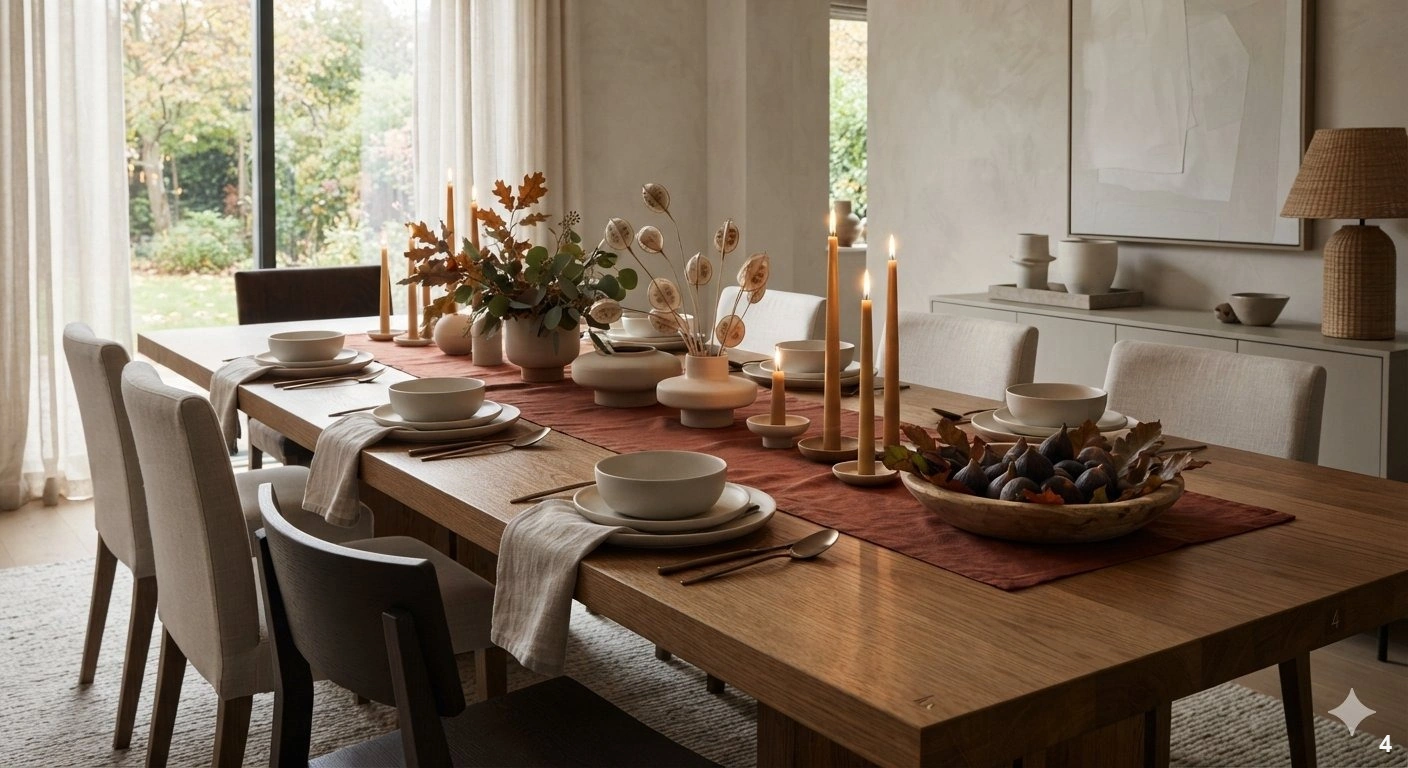
An elevated dining table is the centerpiece of seasonal hospitality. To move away from traditional, cluttered holiday decor, focus on organic shapes and a monochromatic or tonal color scheme. Start with a linen table runner in a deep earth tone, then layer in matte stoneware plates and brushed metal flatware. The goal is to create a clean, intentional look that encourages conversation and connection.
Instead of a large, high-profile centerpiece that blocks sightlines, opt for a series of small, low-profile vessels filled with dried branches, seed pods, or seasonal foliage. This adds height and architectural interest without being distracting. Lighting is equally important; avoid bright overhead glare in favor of tapered candles in varying heights. The flicker of candlelight against ceramic and linen brings an immediate sense of warmth to any dining space. A frequent mistake is using artificial, glittery, or plastic decor; stick to natural elements like wood, stone, and dried botanicals to maintain a sophisticated atmosphere. If you want to add a touch of color, do so through seasonal fruit like pomegranates or deep-hued figs placed in a wooden bowl for a subtle, elegant organic accent.
Incorporating Natural Foraged Elements for Organic Appeal
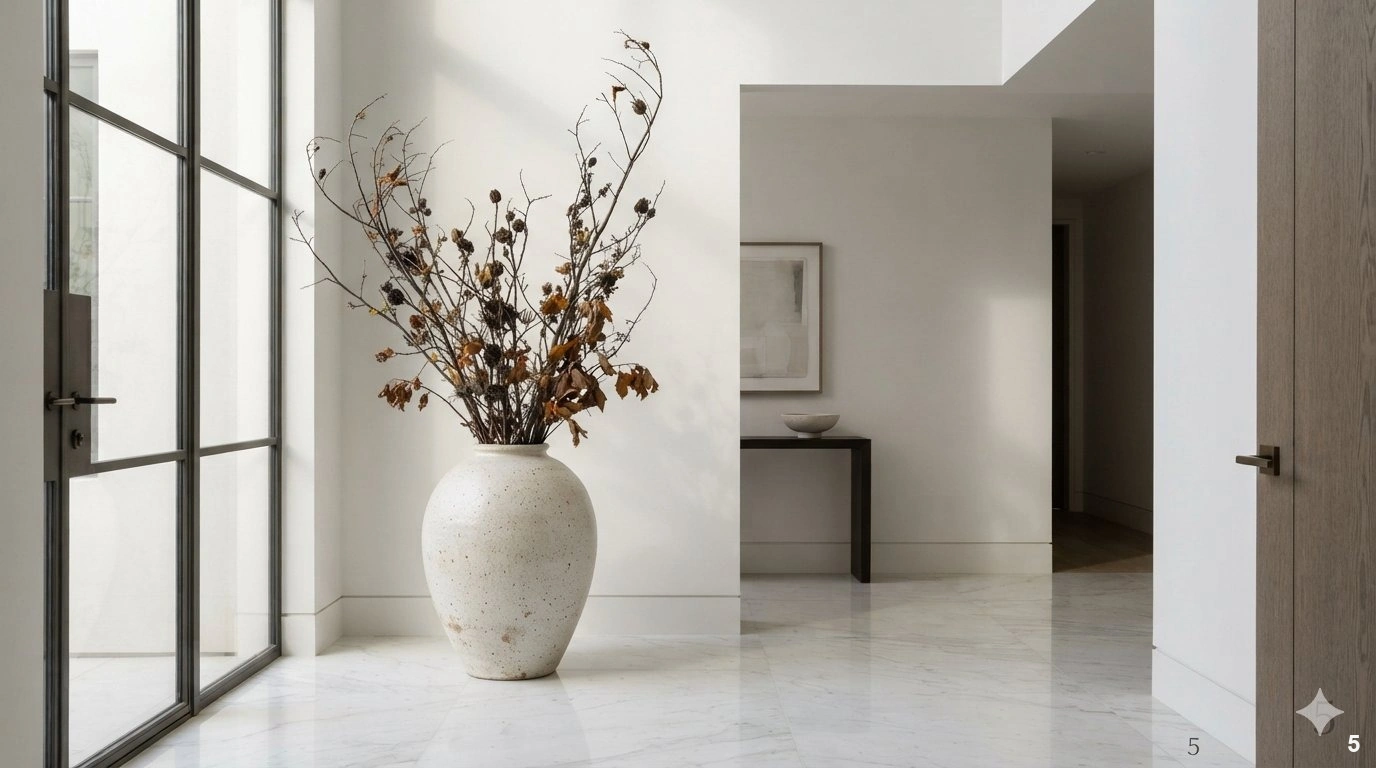
Bringing the outdoors in is a hallmark of refined seasonal design. Rather than buying mass-produced decor, look to your own backyard or local landscape for inspiration. Branches with turning leaves, dried grasses, or sculptural driftwood can act as high-end art pieces when styled correctly. The key is to treat these items with the same respect you would a curated sculpture—place them in a clean, minimalist vessel to let their organic forms shine.
Where these elements work best is in areas that need a touch of softness, such as an entryway console or a bedroom nightstand. A large, singular ceramic jar filled with tall, structural branches adds immediate scale and drama to a corner of a room. Avoid the mistake of cluttering surfaces with too many small items; one large, impactful arrangement is far more effective than a collection of small trinkets. When foraging, ensure your selections are clean and dry to avoid bringing unwanted debris inside. The beauty of these elements lies in their imperfection and transient nature, which adds a layer of authenticity to your home. Pair these natural finds with polished surfaces like marble or glass to highlight the contrast between the raw, organic texture and the refined, man-made finish.
Minimalist Entryway Styling for a Refined Welcome
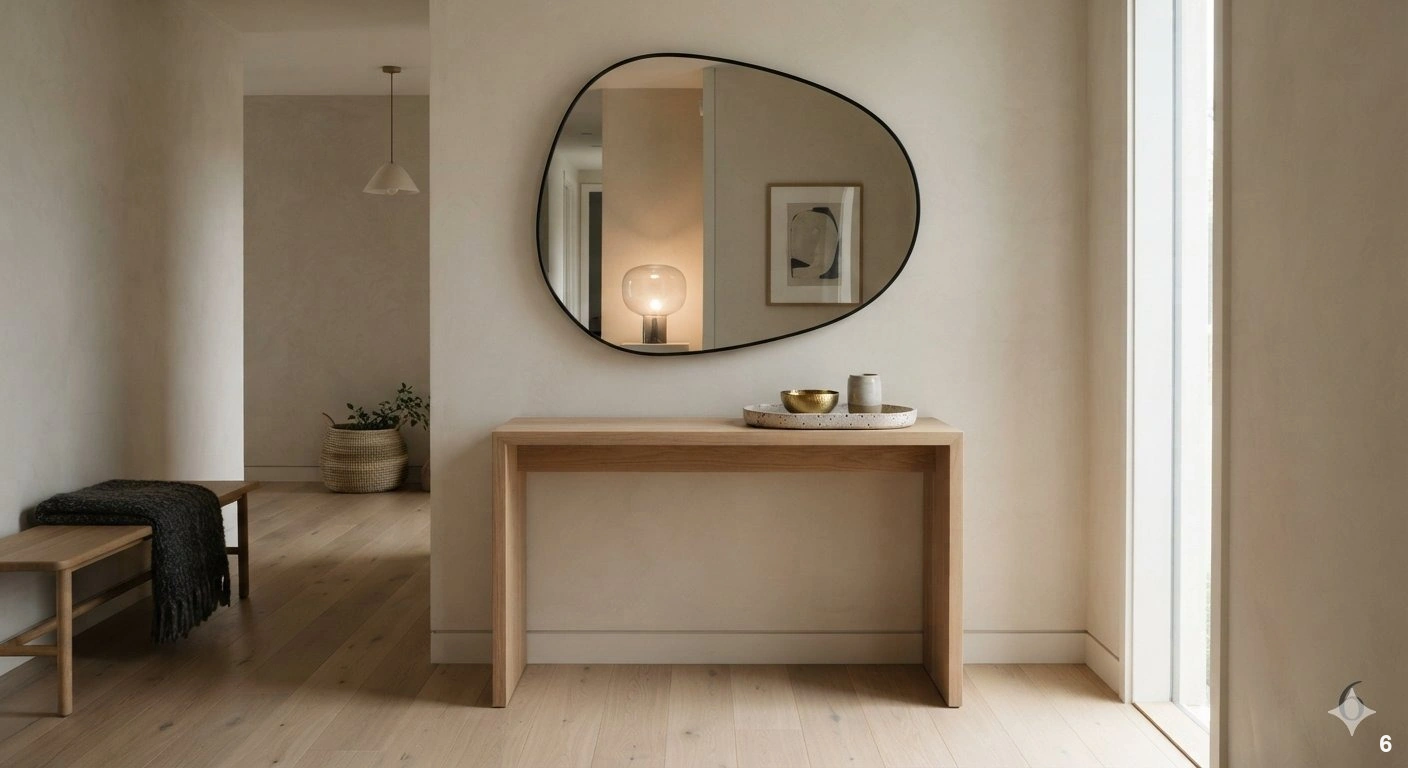
The entryway is your home’s first impression, and during the transition to cooler weather, it should feel both welcoming and organized. A minimalist approach is essential here to prevent the ‘clutter trap’ that often comes with extra layers like scarves and heavy coats. Focus on a few high-impact pieces that serve both a functional and aesthetic purpose. A sculptural coat hook, a slim bench with a wool throw, and a beautiful, oversized mirror can transform a narrow space into a sophisticated gallery-like area.
Keep surfaces clear of mail and keys by using a designated, elegant tray. To introduce a seasonal feel, opt for a subtle scent—like cedar, clove, or sandalwood—rather than visually loud decor. A common mistake is letting bulky winter gear overwhelm the space; if you have a coat closet, use it. If you don’t, invest in closed storage or a very sleek, wall-mounted rack that looks like art when not in use. Lighting in the entryway should be warm and inviting; if possible, add a small table lamp on the console to provide a soft glow that greets you as soon as you walk through the door. This keeps the space feeling curated and calm, setting the tone for the rest of your home.
Creating an Inviting Reading Nook for Cooler Evenings
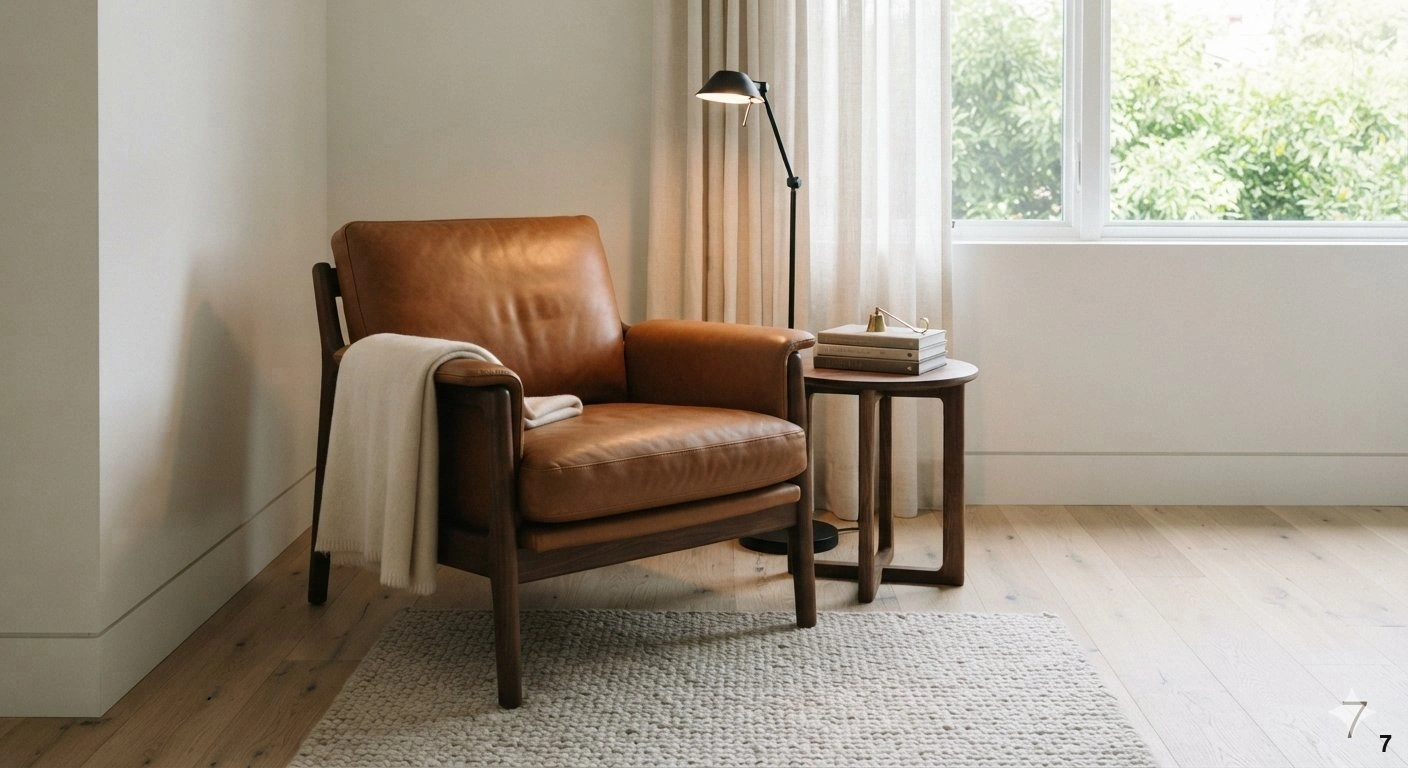
A reading nook is the ultimate luxury for the autumn season, providing a dedicated space to slow down. To make this area feel intentional, you need to create a sense of enclosure. This can be achieved through the placement of a comfortable chair, a side table, and a dedicated floor lamp. If your space allows, a small rug can help define the zone and add a layer of warmth underfoot, separating it from the rest of the room.
The most important element here is the lighting; a floor lamp with a warm-toned bulb provides the perfect task lighting for reading while maintaining a cozy, dim atmosphere. When selecting furniture, prioritize ergonomics and tactile comfort—think supple leather, soft boucle, or rich velvet. A common mistake is placing a reading nook in a high-traffic area where it feels more like a storage spot than a retreat. Choose a corner or a quiet spot away from the primary flow of the house. Style the side table with a single, beautiful object—a stack of books, a brass candle snuffer, or a small plant—to keep the area uncluttered and serene. By keeping the design focused on comfort and function, you ensure this space remains a place of genuine relaxation.
Using Warm Ambient Lighting to Enhance Autumn Moods
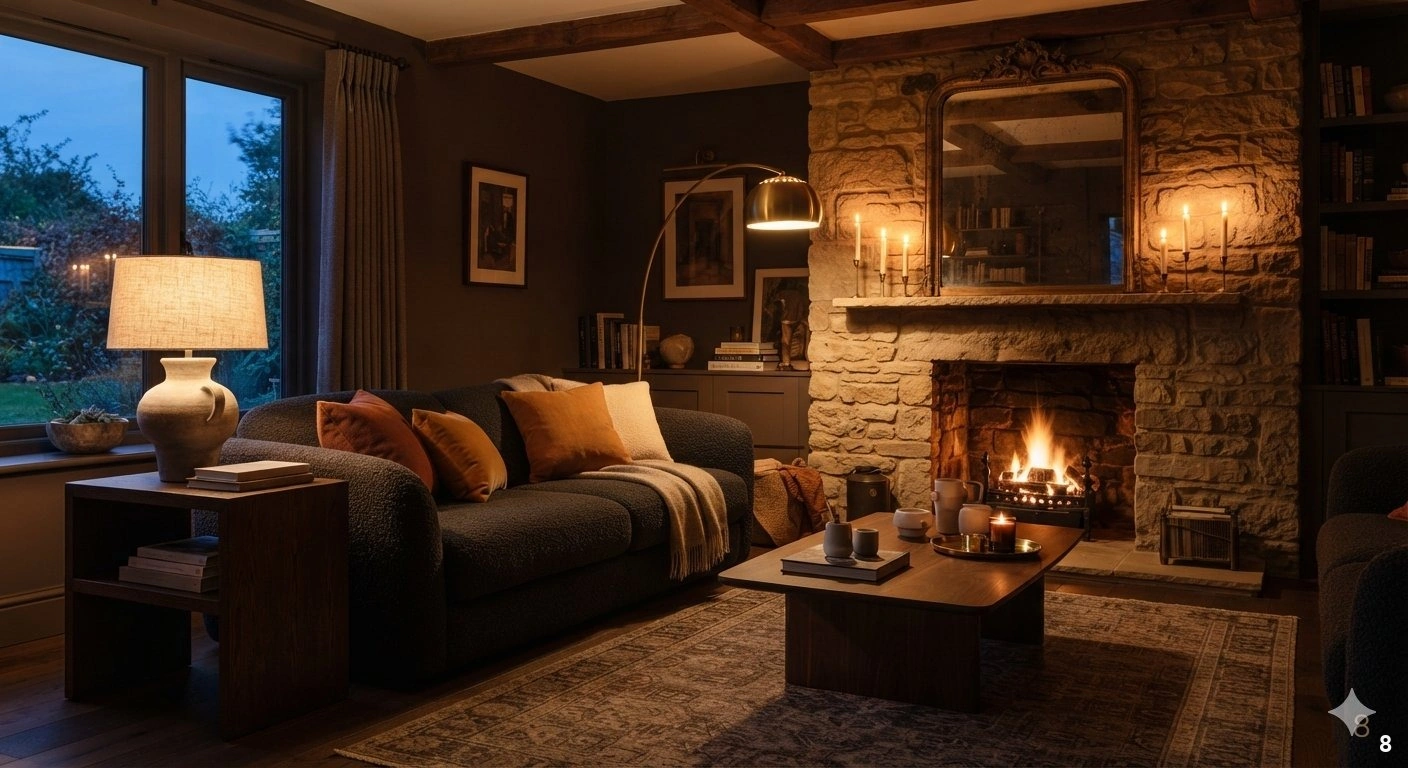
As the natural light shifts and shortens, your home’s lighting scheme must adapt to maintain a warm and inviting atmosphere. The goal is to move away from harsh, overhead ‘big light’ and toward multiple layers of low-level ambient lighting. This creates pools of warmth that make a room feel smaller, safer, and infinitely more comfortable. Incorporate table lamps with linen shades, floor lamps with brass finishes, and, of course, candles to achieve this effect.
When choosing bulbs, look for a ‘warm white’ or ‘soft white’ color temperature, typically between 2200K and 2700K. Anything higher will feel clinical and cold, clashing with the cozy autumn aesthetic you are trying to cultivate. A common mistake is having only one light source in a room; aim for at least three distinct points of light to create a balanced, professional glow. Consider placing lamps near reflective surfaces, like mirrors or glass, to bounce light around the room and increase the sense of depth. This approach to lighting is the single most effective way to enhance the ‘cozy’ factor of your home without buying a single piece of furniture. It transforms the mood of your living space instantly, making it the perfect environment for quiet, reflective autumn evenings.
9. Editing Summer Decor to Prevent Seasonal Clutter
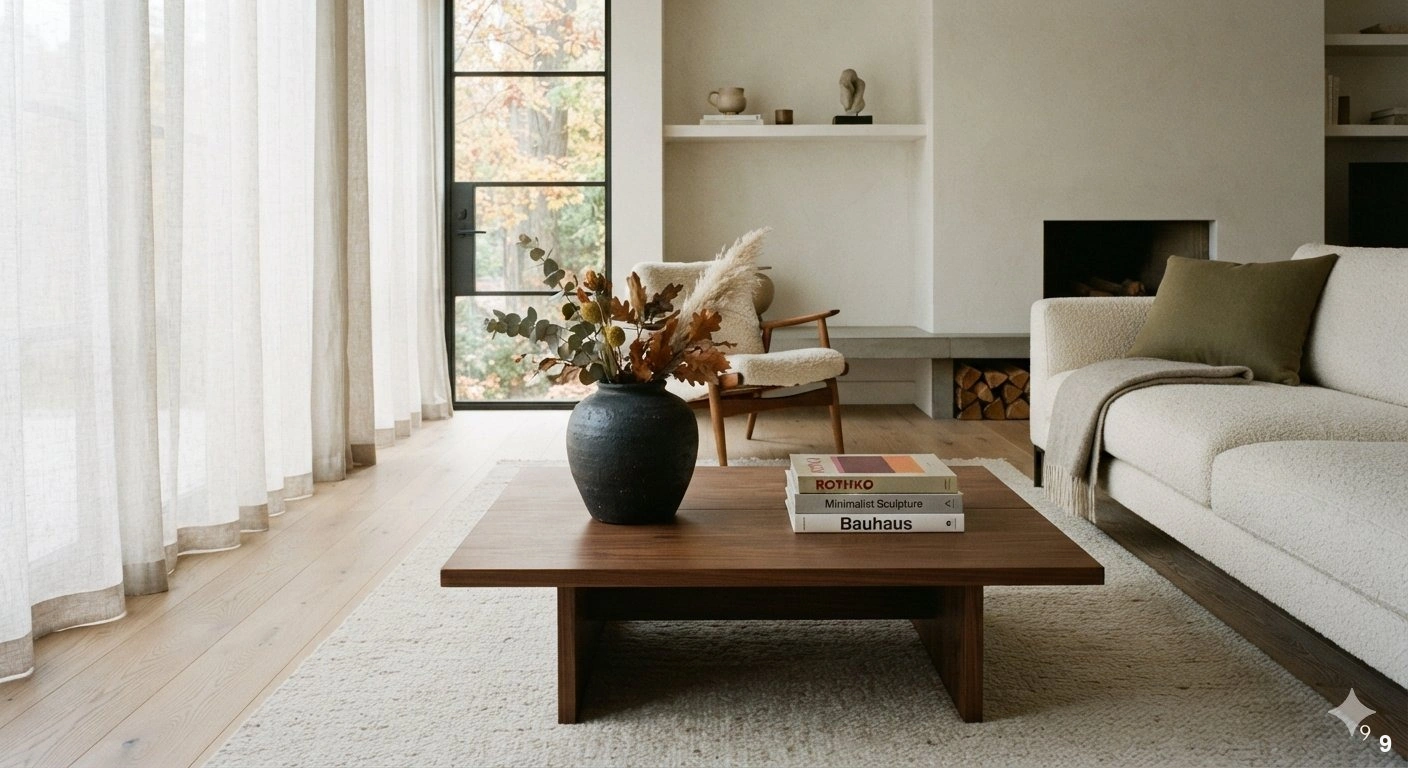
The secret to a sophisticated seasonal transition lies in what you remove, not just what you add. As the air cools, begin your shift by clearing away lightweight, high-summer accents like bright coastal accessories, linen-only textiles, or overtly nautical motifs. Clearing these items creates the necessary negative space to introduce richer, more grounded elements without overwhelming your floor plan.
This approach works best in open-concept living areas and entryways where visual noise accumulates quickly. Focus on clearing surfaces like coffee tables and console tops to make room for intentional, seasonal pieces. By swapping out airy summer decor for a few curated autumn additions, you maintain a sense of calm and order.
A common mistake is simply layering new items on top of the old, which leads to visual fatigue and clutter. Instead, store your summer pieces in labeled bins and treat your home as a blank canvas. Aim for a ‘one-in, one-out’ philosophy to ensure your home feels refreshed rather than crowded. This editorial approach keeps your aesthetic intentional and prevents the seasonal drift toward kitschy, over-accessorized surfaces.
10. Styling the Mantel with Sculptural and Natural Accents
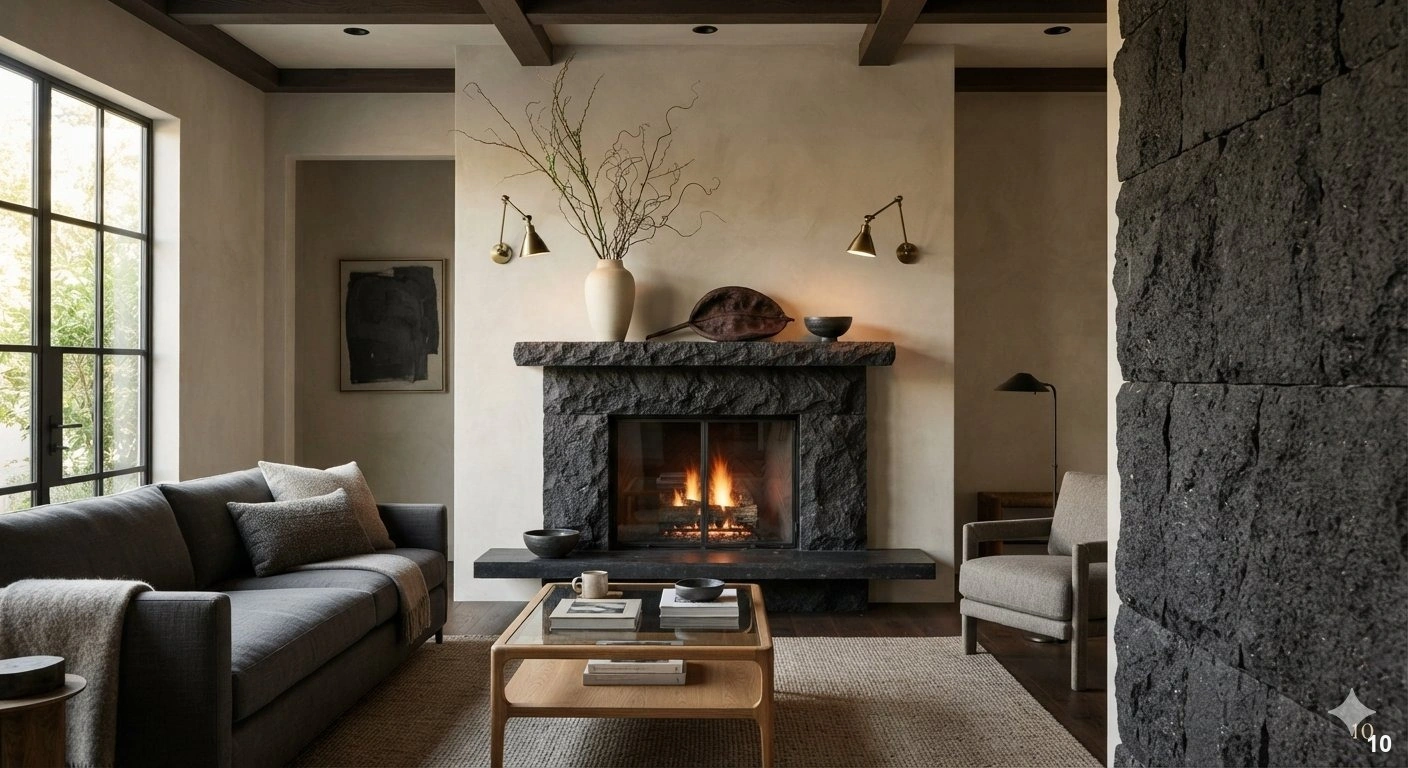
The mantel serves as the architectural focal point of the home, making it the perfect stage for seasonal storytelling. Move away from traditional, cluttered arrangements and embrace a sculptural approach. Pair organic, foraged finds—like twisted grapevine, oversized dried seed pods, or a collection of handmade matte ceramic vessels—to anchor the space with weight and interest.
This style works best in living rooms with stone or brick hearths, where the texture of the fireplace complements the raw beauty of natural accents. Incorporate varying heights to draw the eye upward, using a mix of tall, slender branches and low, rounded bowls. This creates a balanced, professional composition that feels curated rather than forced.
Avoid the temptation to use bright, artificial fall colors. Instead, lean into a palette of putty, cream, charcoal, and deep umber to keep the mantel feeling elevated. Lighting is key here; use warm-toned sconces or soft candle flicker to highlight the textures of your sculptural pieces. A designer tip is to leave intentional gaps in your styling; the space between objects is just as important as the objects themselves in achieving a high-end look.
11. Focusing on Tactile Decor for a Sensory Experience
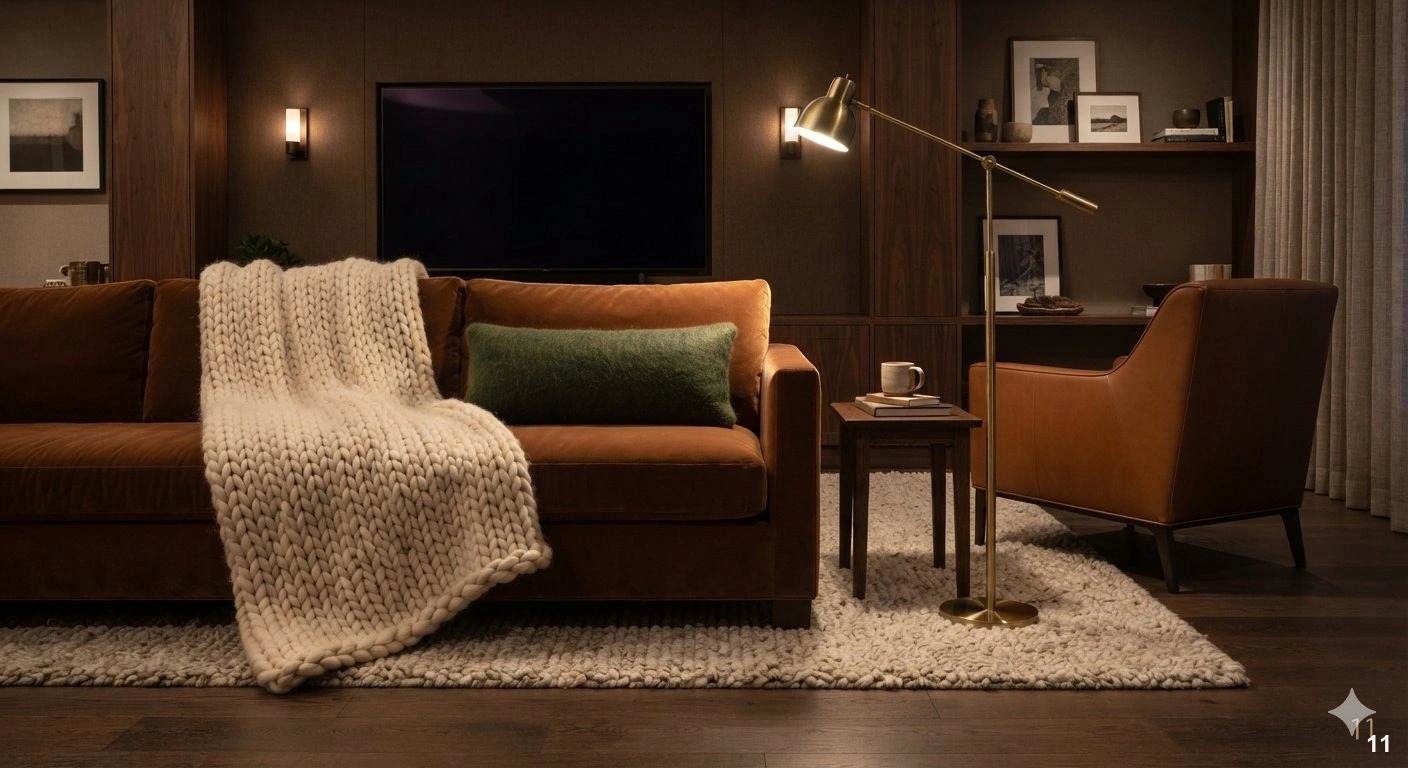
Autumn is inherently a sensory season, and your home should reflect that through deep, tactile layers. Transitioning your textiles is the most effective way to change the mood of a room. Swap crisp, cool-touch cottons for heavy-weight linens, chunky knits, velvet, and mohair. These materials add immediate visual weight and physical warmth to your seating areas.
This strategy is most effective in bedrooms and media rooms where comfort is the primary function. Drape a heavy cashmere throw over the arm of a sofa or layer a velvet lumbar pillow onto a linen-upholstered chair. The juxtaposition of smooth leather against a soft wool blanket creates a sophisticated tension that feels both cozy and luxurious.
When selecting your fabrics, focus on a monochromatic or tonal palette to let the texture do the heavy lifting. Avoid busy patterns that detract from the tactile quality of the materials. Instead, prioritize depth of color—think deep cognac, moss green, or slate grey. Lighting plays a crucial role in highlighting these textures; position floor lamps near seating areas so the light washes across the weave of a rug or the nap of a velvet pillow, emphasizing the richness of the fabric.
12. Selecting High-Quality Seasonal Florals and Foliage
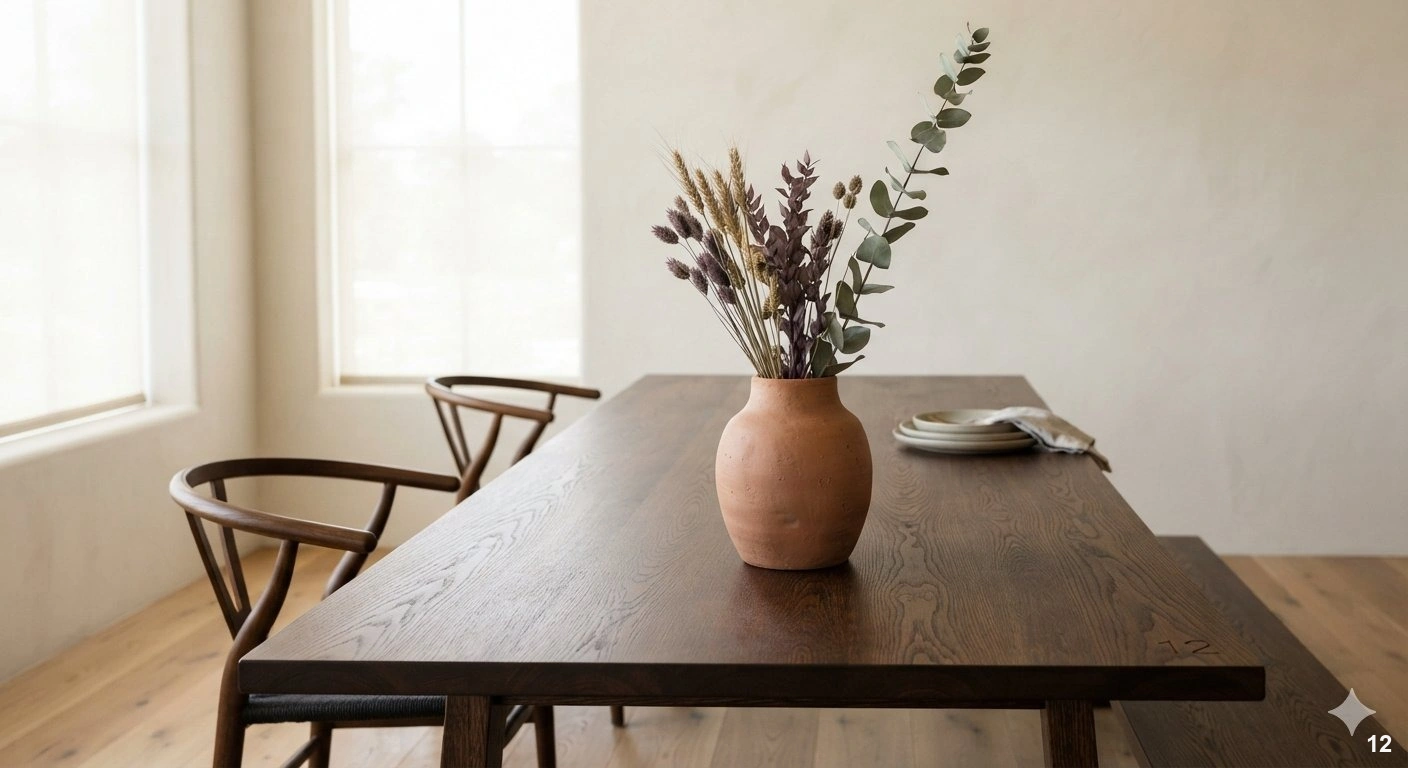
The key to elevated seasonal floral design is authenticity and restraint. Avoid mass-market silk flowers that look plastic; instead, opt for high-quality dried botanicals, preserved stems, or realistic faux branches that capture the essence of the season. Think deep, muted tones like dusty plum, sage, and dried wheat, which offer a more sophisticated take on traditional fall foliage.
These arrangements work best in architectural vases—think heavy stoneware, hand-blown glass, or matte terracotta. Place them in entryways or on dining room tables to serve as a natural focal point. The goal is to mimic the way nature looks in late autumn: dry, structured, and elegant. A few well-placed, long-reaching branches often make a more profound impact than a dense, traditional bouquet.
One common mistake is overcrowding your vases. Allow each stem to have space to breathe, which mimics the organic growth patterns of the season. For a designer-inspired touch, incorporate elements like dried eucalyptus or preserved ruscus for their sculptural shape and subtle, earthy scent. Keep your lighting soft and diffused to ensure the delicate silhouettes of your foliage are visible without creating harsh, distracting shadows against your walls.
13. Budget-Friendly Ways to Add Autumn Warmth
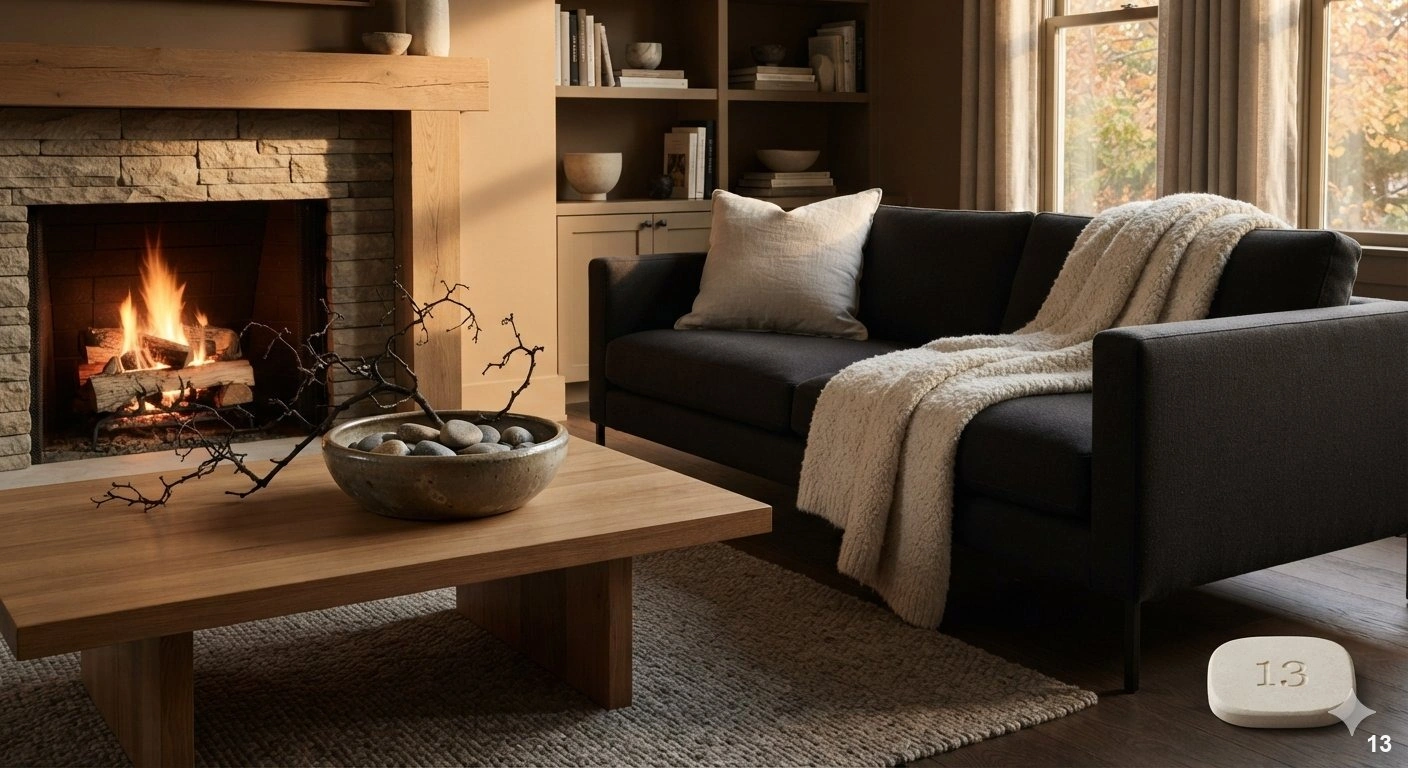
Achieving a luxury seasonal aesthetic does not require a complete overhaul. You can significantly shift the tone of your home by focusing on ambient lighting and small, intentional styling changes. Replace cool-toned light bulbs with warm, soft-white alternatives to instantly change how your space feels during the shorter, darker days of the season.
This approach is universally effective across any room. Consider introducing scents through high-quality candles with notes of cedar, sandalwood, or amber, which add an invisible layer of luxury to the environment. Another budget-friendly tip is to rearrange your existing furniture to pull your seating closer to a focal point, like a fireplace or a window with a view, creating a more intimate, cozy configuration.
Avoid buying cheap, trend-driven decor that will end up in a landfill. Instead, invest your budget in one or two high-quality items—perhaps a single, heavy ceramic bowl or a high-end wool throw—that you can use for years to come. Use natural elements found outdoors, such as smooth stones or interesting twigs, to accessorize your coffee table. By focusing on the quality of light and the arrangement of your space, you create an elevated, intentional atmosphere that feels far more expensive than it actually is.
14. Modern Farmhouse Influences in Fall Interior Design
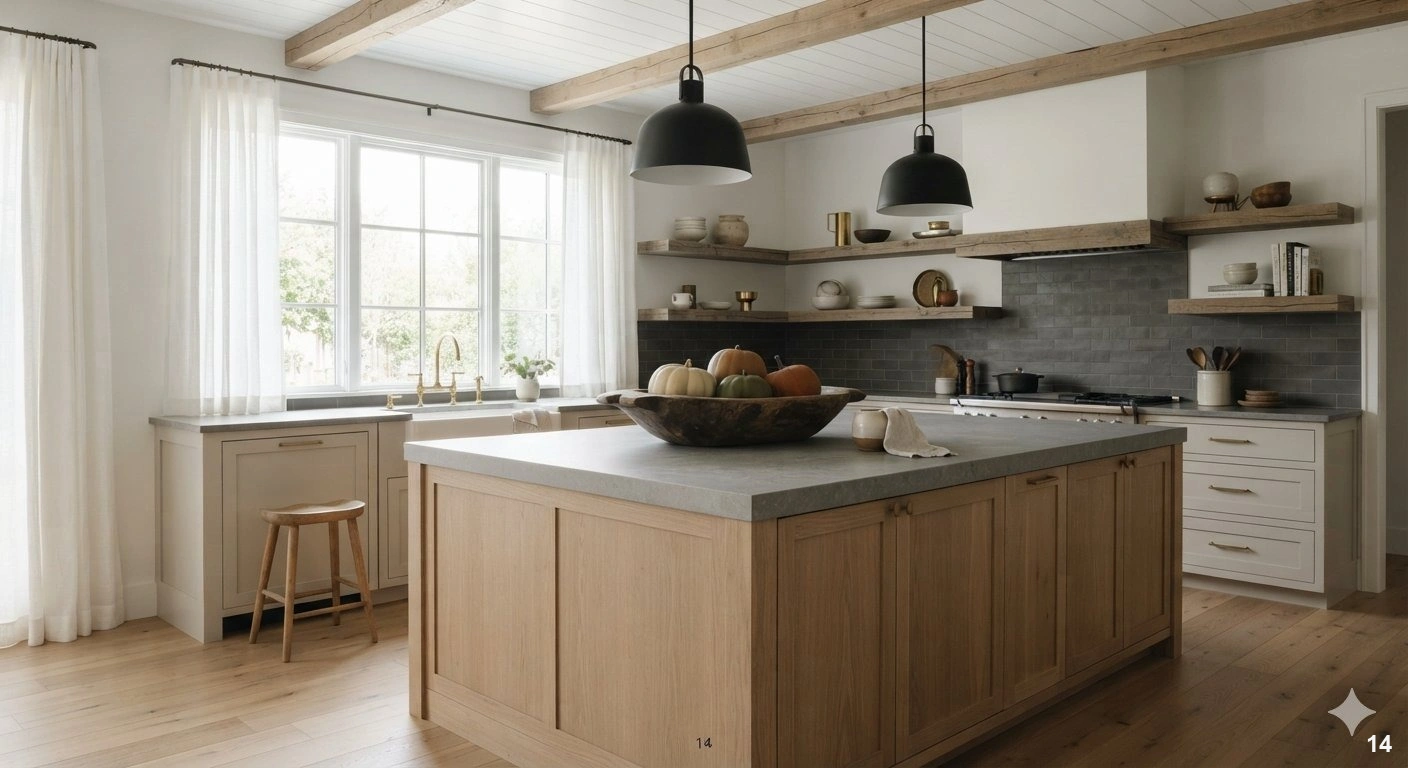
Modern farmhouse design, with its emphasis on raw materials and functional simplicity, is the perfect foundation for autumn styling. To elevate this look, focus on the ‘modern’ aspect by stripping away rustic clutter and emphasizing clean lines and monochromatic palettes. Use elements like reclaimed wood, matte black metal, and linen to ground the space in a tactile, honest aesthetic.
This style works best in kitchens and dining areas where natural wood tones and stone surfaces are already present. Incorporate autumn by adding large, sculptural wooden bowls filled with matte-finish gourds or oversized iron lanterns that add a sense of history and weight. Keep the color palette tight—think creams, greys, and deep charcoals—to prevent the space from feeling like a traditional, dated farmhouse.
A common mistake is over-committing to the ‘country’ side of the aesthetic. Avoid excessive signs, gingham prints, or bright orange accents, which can make a space feel kitschy. Instead, let the architecture of your home shine. Use lighting to reinforce the mood; pendant lights with brass or black metal finishes look stunning when illuminated against the earthy, warm tones of an autumn-inspired farmhouse kitchen. This approach creates a timeless look that feels grounded, intentional, and perfectly suited to the cooler months.
15. Strategic Use of Earth Tones for a Timeless Aesthetic
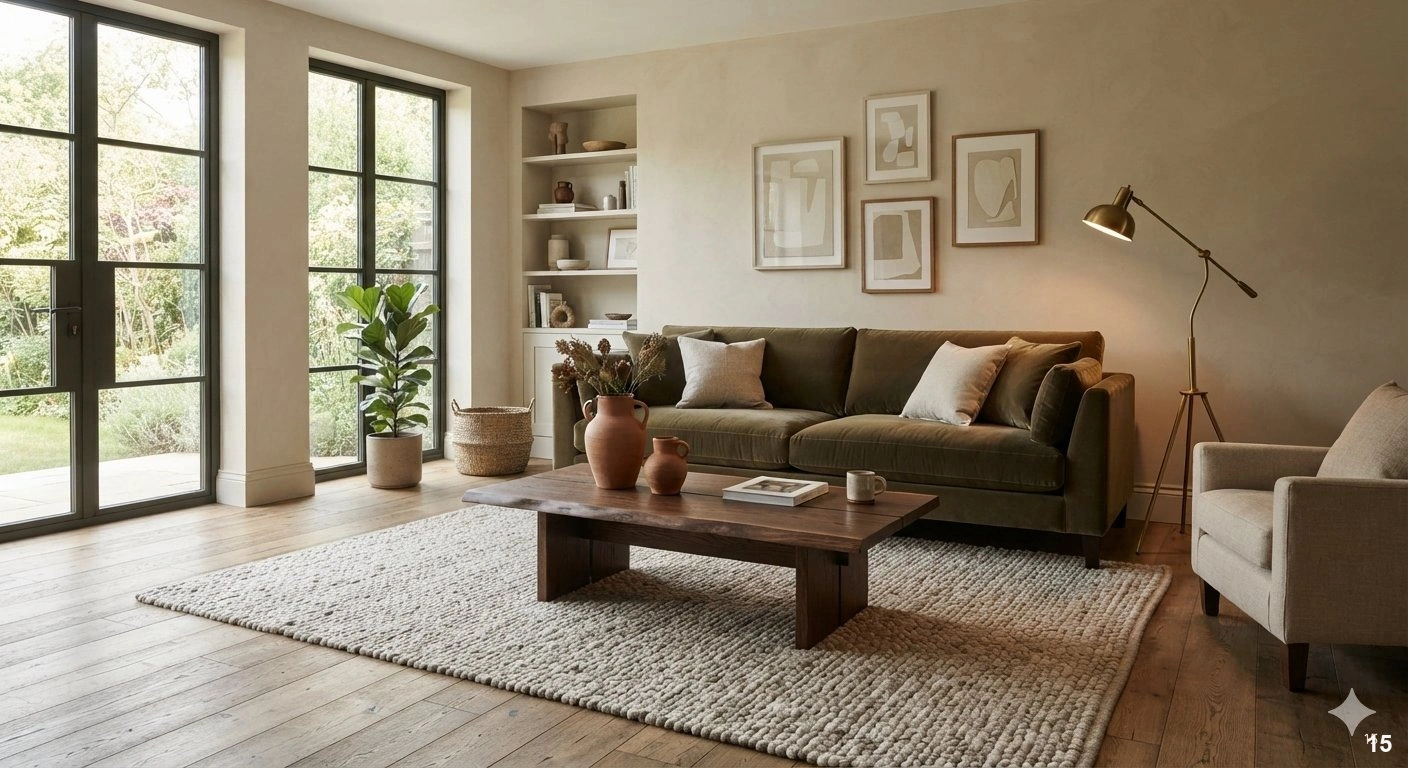
The shift to autumn is the perfect time to embrace a palette rooted in the earth. However, the key to keeping it timeless is to avoid the overly saturated ‘harvest’ colors of the past. Instead, look toward sophisticated, muted earth tones: muddy ochre, deep olive, terracotta, and soft stone. These colors feel grounded and calming rather than loud or temporary.
These shades work best when applied to large surfaces or key pieces of furniture, such as a velvet sofa or a wool rug. Because these colors are inherently natural, they act as a neutral backdrop that allows you to layer in other textures seamlessly. If you are hesitant about using color, start small with ceramics, a set of linen napkins, or a throw pillow in a rich, muted tone.
Avoid pairing these earth tones with bright whites, which can make the room feel stark and disconnected. Instead, pair them with creams, beiges, or even deep charcoal to create a cohesive, layered look. Lighting is essential here; these colors absorb light, so ensure you have adequate task and ambient lighting to keep the room from feeling dark. Use warm-toned lamps to bring out the subtle undertones in your textiles, creating a space that feels like a warm, enveloping sanctuary as the days grow shorter.
16. Enhancing the Bedroom Atmosphere with Seasonal Layers
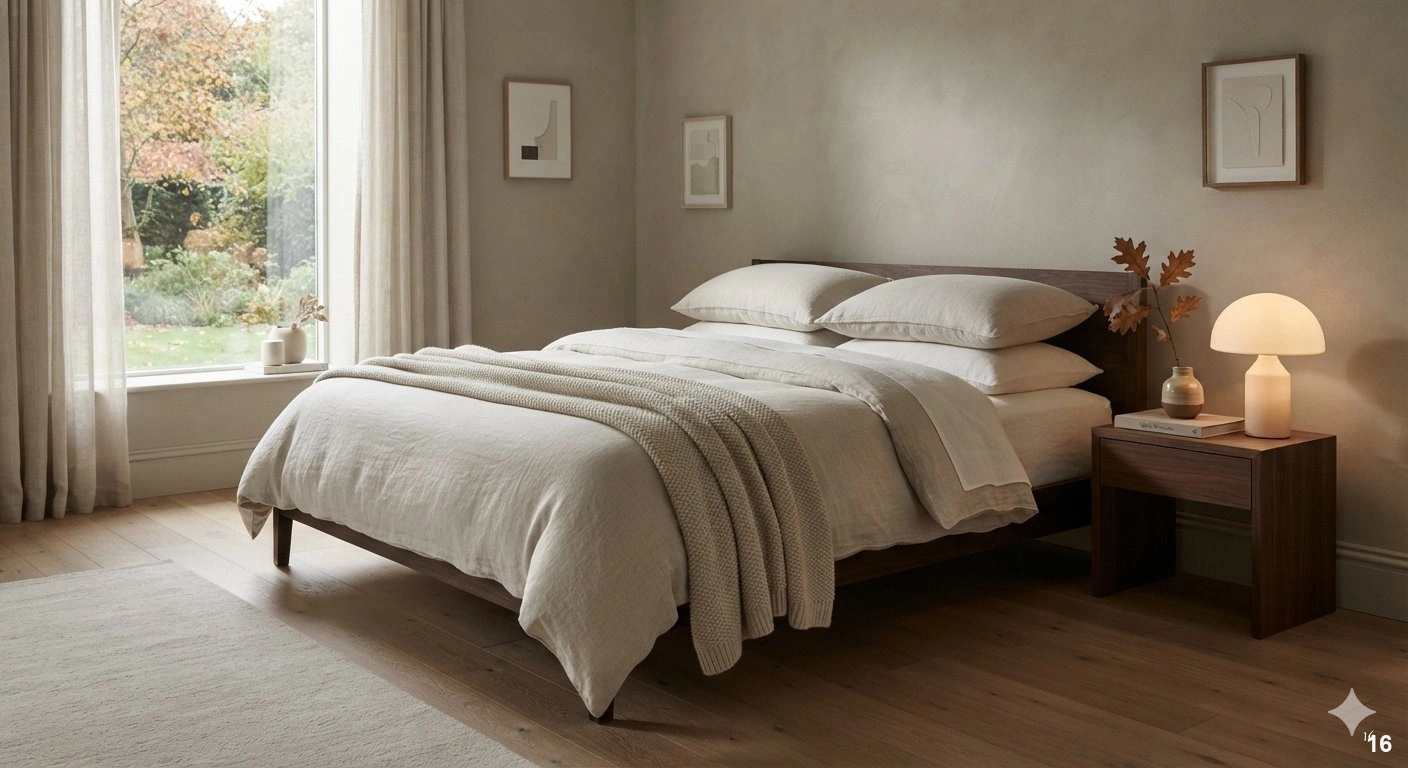
The bedroom should be your ultimate autumn retreat, and the goal here is to create a nest-like quality that feels both serene and luxurious. Start by swapping out your lightweight bedding for heavier, more substantial materials. A duvet with a heavier fill, layered with a wool or cashmere blanket at the foot of the bed, provides both visual depth and physical comfort.
This approach works best when you prioritize a monochromatic or tonal bedding ensemble. Use varying shades of white, cream, and oatmeal to create a cloud-like effect that feels incredibly soothing. The layers should be visible; draping a chunky knit throw casually across the bed adds a sense of relaxed elegance that is a hallmark of high-end design.
Avoid adding too many decorative pillows, which can feel cluttered and uninviting. Instead, focus on the quality of the bedding materials—look for washed linen or organic cotton that has a substantial, tactile feel. Lighting in the bedroom should be soft and diffuse during the autumn months. Consider adding dimmable bedside lamps with warm-toned bulbs to enhance the cozy atmosphere. A designer tip is to keep the bedside table clear of anything but a single book and a small, delicate vase with a single dried stem, maintaining the tranquil, minimalist vibe of the space.
17. The Importance of Scent in Autumn Interior Design
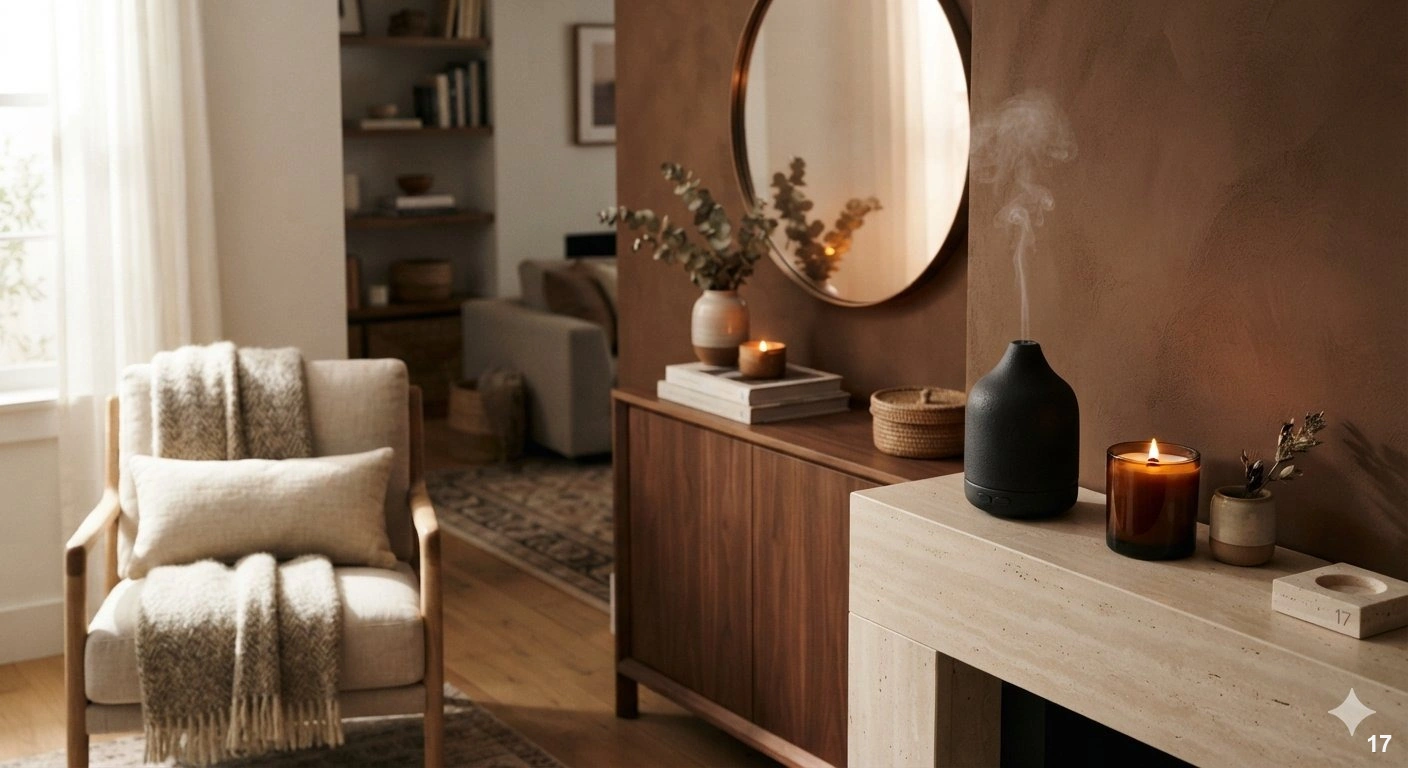
Scent is the invisible layer of interior design that truly anchors a space during the cooler months. While visual cues establish the aesthetic, fragrance dictates the atmosphere, transforming a room from merely stylish to deeply welcoming. To capture the essence of autumn, opt for complex, grounded notes like cedarwood, smoked vetiver, or spiced fig rather than overwhelming, sugary artificial aromas. High-quality soy candles or stone diffusers act as sculptural decor pieces, blending seamlessly into your existing shelves or mantels.
Place your signature scent in high-traffic zones like the entryway or the living room to create an immediate sensory transition as you cross the threshold. For a sophisticated approach, consider layering scents; a subtle room spray with notes of bergamot paired with a subtle leather-scented candle creates a rich, multi-dimensional experience. Avoid using multiple clashing scents in open-concept floor plans, as this can create olfactory fatigue. Instead, stick to one cohesive fragrance profile that complements the color palette of your home—think woody and spicy scents for rooms featuring deep earth tones.
Lighting plays a key role here as well. Place candles near mirrors or glass surfaces to amplify the flickering glow, enhancing the warmth of the space. A common mistake is using low-quality, paraffin-heavy candles that produce soot and artificial smells. Invest in clean-burning, essential oil-based options that provide a subtle, lingering presence rather than a sudden burst of scent. By treating fragrance as an essential element of your styling, you create a home that feels curated and deeply personalized, ensuring your space feels as good as it looks.
18. Curating Functional Seasonal Vignettes on Coffee Tables
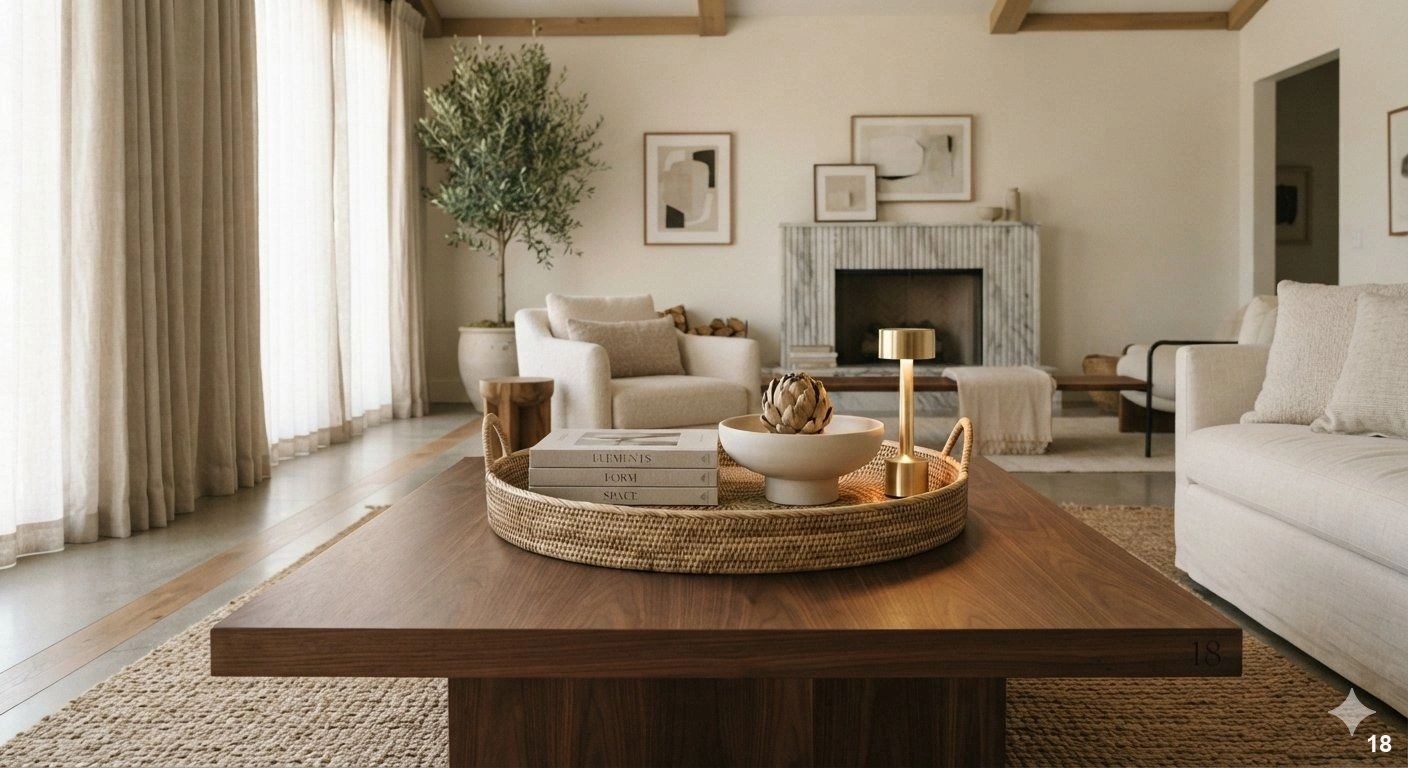
The coffee table is the heart of the living room, and during autumn, it serves as the perfect canvas for intentional, seasonal storytelling. To avoid the common pitfall of clutter, focus on a curated vignette that balances form and function. Start with a foundation, such as a large woven tray or a stack of oversized, neutral-toned coffee table books. These items provide structure and keep smaller decor elements from looking scattered.
Incorporate natural elements that feel authentic to the season, like a small ceramic bowl filled with dried artichokes, sculptural branches, or a single, oversized brass object. The key is to vary the heights and textures to create visual interest. Pair smooth, cool materials like polished stone or glass with warmer, tactile elements like linen-bound books or a small hand-thrown pottery vessel. This juxtaposition keeps the vignette feeling sophisticated rather than kitschy.
Lighting is essential for bringing these vignettes to life as the evenings grow shorter. If your coffee table is large enough, a small, cordless brass table lamp can add a layer of intimate, focused light that highlights the textures of your decor. Avoid over-decorating; the goal is to leave enough negative space so the table remains functional for everyday use—a place to rest a tea cup or a book. If you find your vignette feels too busy, remove one item. The most refined coffee tables are those that feel effortless and collected over time, rather than purchased in a single shopping trip. By selecting pieces that resonate with your personal style, you ensure your coffee table remains a timeless focal point that evolves gracefully with the changing season.
19. Transitioning Outdoor Spaces with Weather-Resistant Textiles
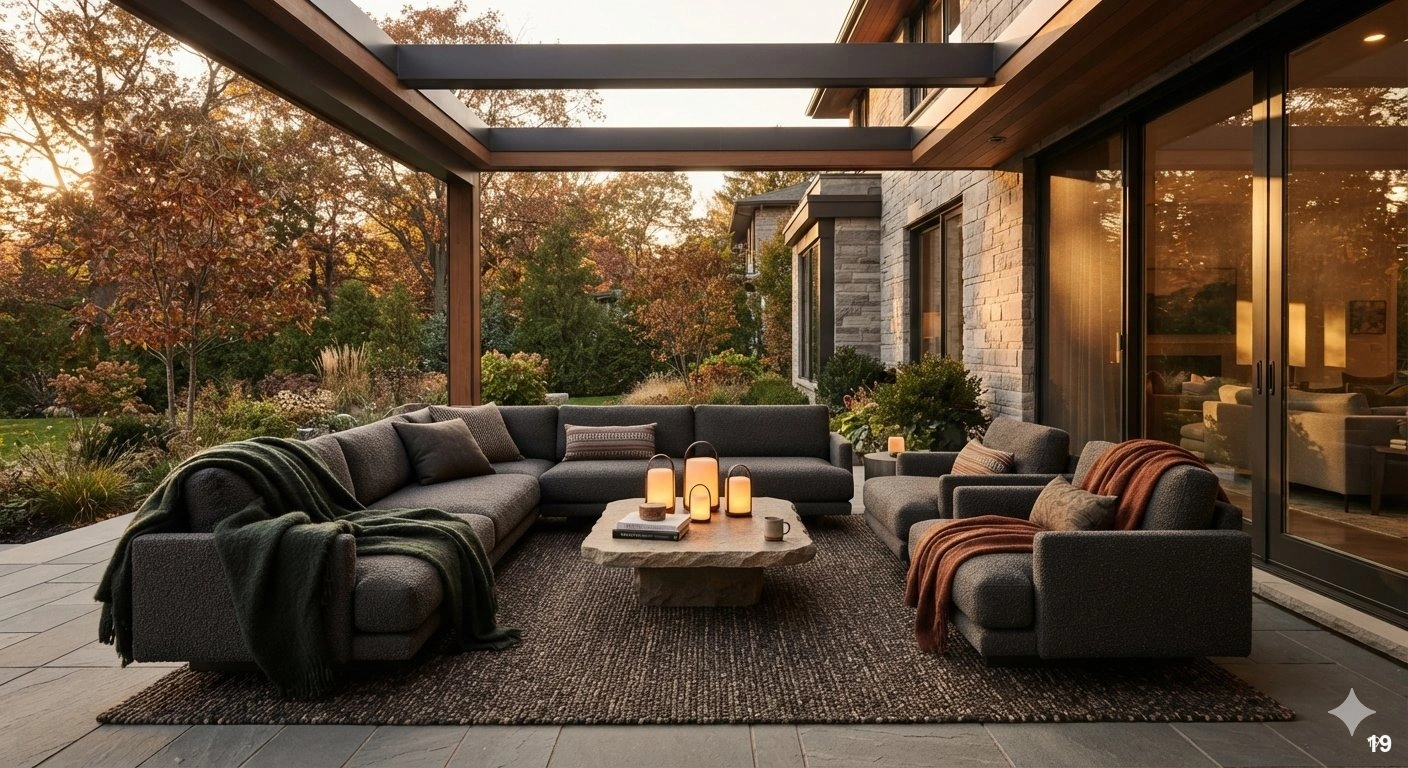
As the air turns crisp, your outdoor living area shouldn’t become a forgotten space. Transitioning your patio or porch requires a focus on textiles that bridge the gap between indoor comfort and outdoor durability. Swap out lightweight summer linens for heavier, performance-grade fabrics like solution-dyed acrylics or heavy-duty weaves that mimic the look of indoor bouclé or wool. These materials offer the cozy, weighted feel of autumn without the risk of mildew or fading.
Layering is the secret to extending the usability of your outdoor space. Drape oversized, weather-resistant throws over your patio seating and introduce plush, oversized pillows in deep, muted tones like forest green, terracotta, or warm charcoal. These colors anchor the space against the changing landscape of the season. When selecting textiles, look for textures that invite touch—think chunky knits for outdoor-safe cushions or durable, high-quality outdoor rugs that add a layer of warmth underfoot.
Don’t forget the lighting. Outdoor spaces benefit immensely from the addition of warm, ambient lighting, such as weather-rated lanterns or string lights with a warm color temperature. Avoid the harsh, bright white light of security floods; instead, aim for a soft, inviting glow that mimics the warmth of a hearth. A common mistake is leaving summer decor out too long, which can make the space feel neglected. By swapping your bright, breezy summer accents for these richer, heavier textiles, you immediately transform your outdoor area into a cozy extension of your home. This intentional shift ensures your patio remains a sophisticated destination for evening gatherings, even as the temperatures begin to drop.
20. Choosing Durable Natural Materials Over Synthetic Alternatives
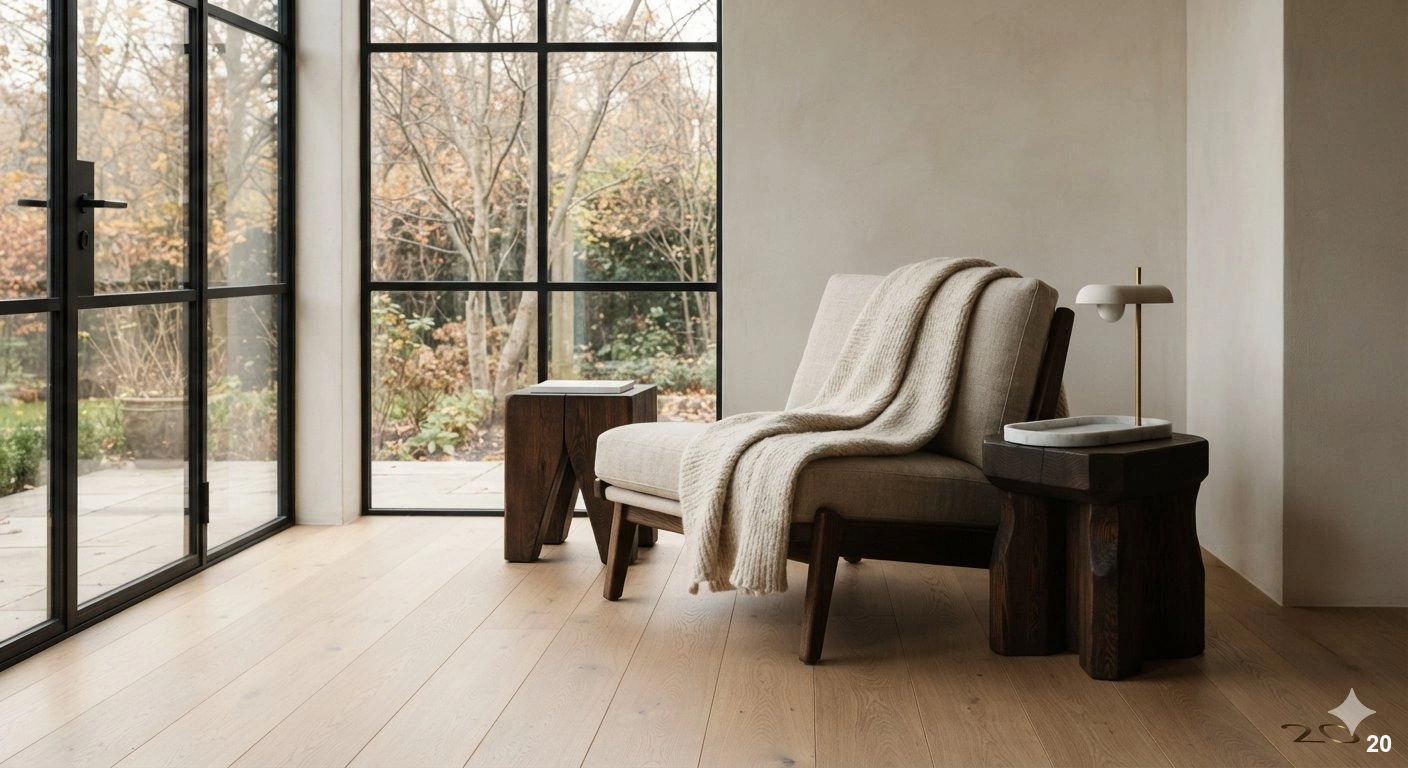
The hallmark of an elevated home is the quality of its materials. During the transition into autumn, leaning into natural textures is the most effective way to create a warm, grounding environment. Synthetic materials often feel flat or cold, whereas natural fibers like wool, heavy-weight linen, raw wood, and stone possess an inherent depth and character that only improves with time. These materials not only look better but also contribute to a healthier, more sustainable home environment.
When refreshing your decor, look for opportunities to replace plastic or mass-produced items with pieces crafted from authentic materials. Swap out a synthetic throw for one made of heavy, undyed wool or a high-quality cashmere blend. Replace a plastic serving tray with one carved from dark, stained oak or honed marble. These items bring a sense of weight and substance to a room, which is essential for creating that desired autumn ‘coziness’ without sacrificing sophistication.
Lighting reflects beautifully off natural surfaces. The matte finish of raw wood or the porous texture of stone interacts with light in a way that creates soft shadows, adding to the atmosphere of the room. A common mistake is mixing too many different wood tones or textures, which can create visual chaos. Aim for a cohesive palette of three to four materials—perhaps oak, linen, and brass—and carry those through your styling. By prioritizing durability and natural beauty, you move away from the ‘fast decor’ cycle and build a collection of items that feel intentional and timeless. These pieces are not just seasonal; they are investment elements that anchor your home, providing a stable foundation that can be easily layered upon year after year.
21. Achieving a Luxury Look Through Intentional Minimalism
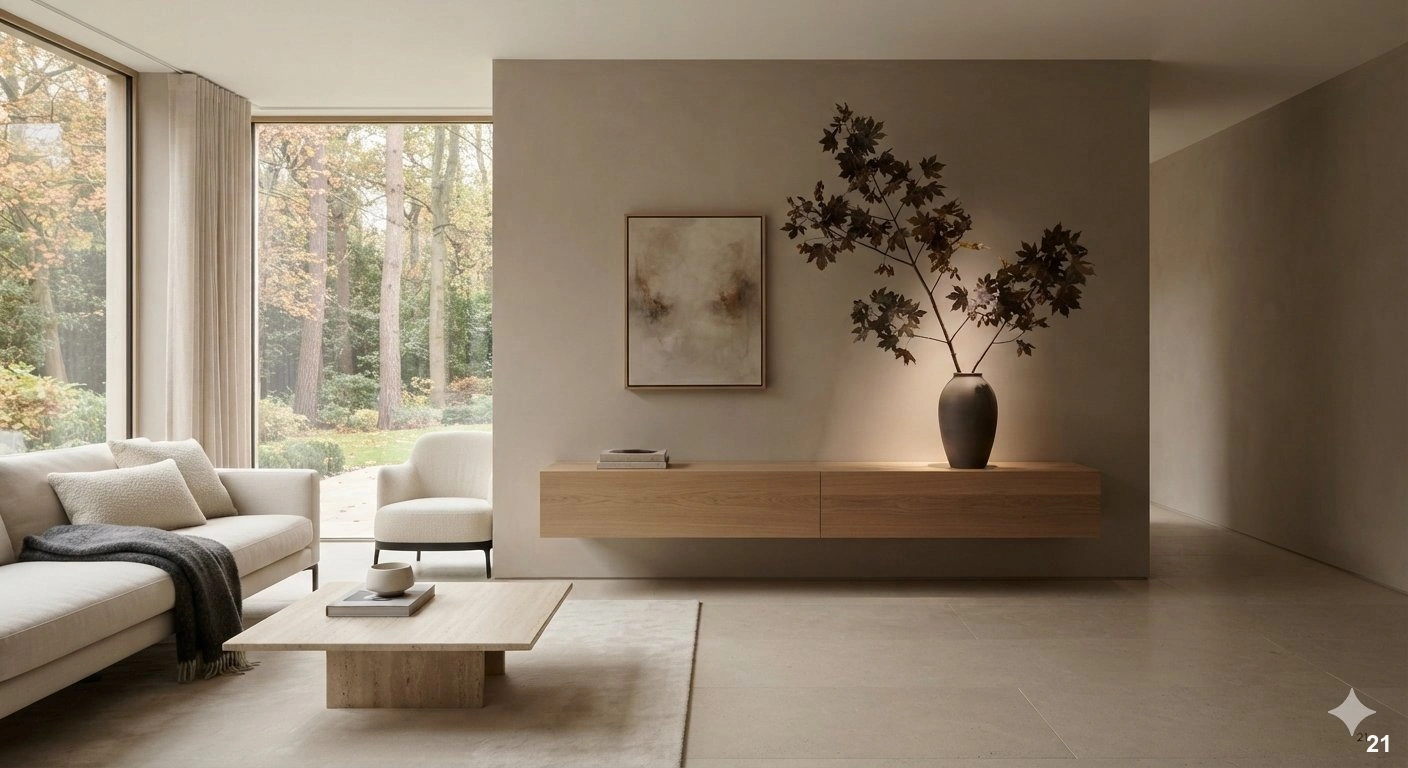
Luxury is often defined not by how much you have, but by the intentionality of what you choose to display. In the context of autumn decorating, intentional minimalism allows the beauty of the season to shine without overwhelming your home with decor. Instead of filling every surface with pumpkins or seasonal motifs, select one or two high-impact pieces that speak to the mood of the season. A single, large, sculptural branch in a tall ceramic vase can do more for your aesthetic than a dozen smaller trinkets.
This approach works best in rooms with clean lines and a neutral palette. By keeping the background quiet, you allow your seasonal accents to become the focal point. Focus on pieces that share a common design language—perhaps everything is crafted from organic materials or follows a monochromatic color scheme. This creates a sense of harmony that feels curated rather than cluttered. When you remove the excess, you are left with a space that feels calm, sophisticated, and deeply breathable.
Lighting is your best friend when practicing minimalism. Use accent lighting to highlight the few, meaningful pieces you have chosen to display. A well-placed spotlight on a piece of autumn-inspired art or a soft lamp glowing behind a vase creates a museum-like quality that feels inherently luxurious. Avoid the mistake of buying seasonal items just to fill a void; if a piece doesn’t bring joy or elevate the room, leave the space empty. Minimalism is a practice of restraint, and the reward is a home that feels curated, intentional, and perfectly in tune with the quiet beauty of the autumn season.
22. Maintaining a Cohesive Flow Between Rooms During Transitions
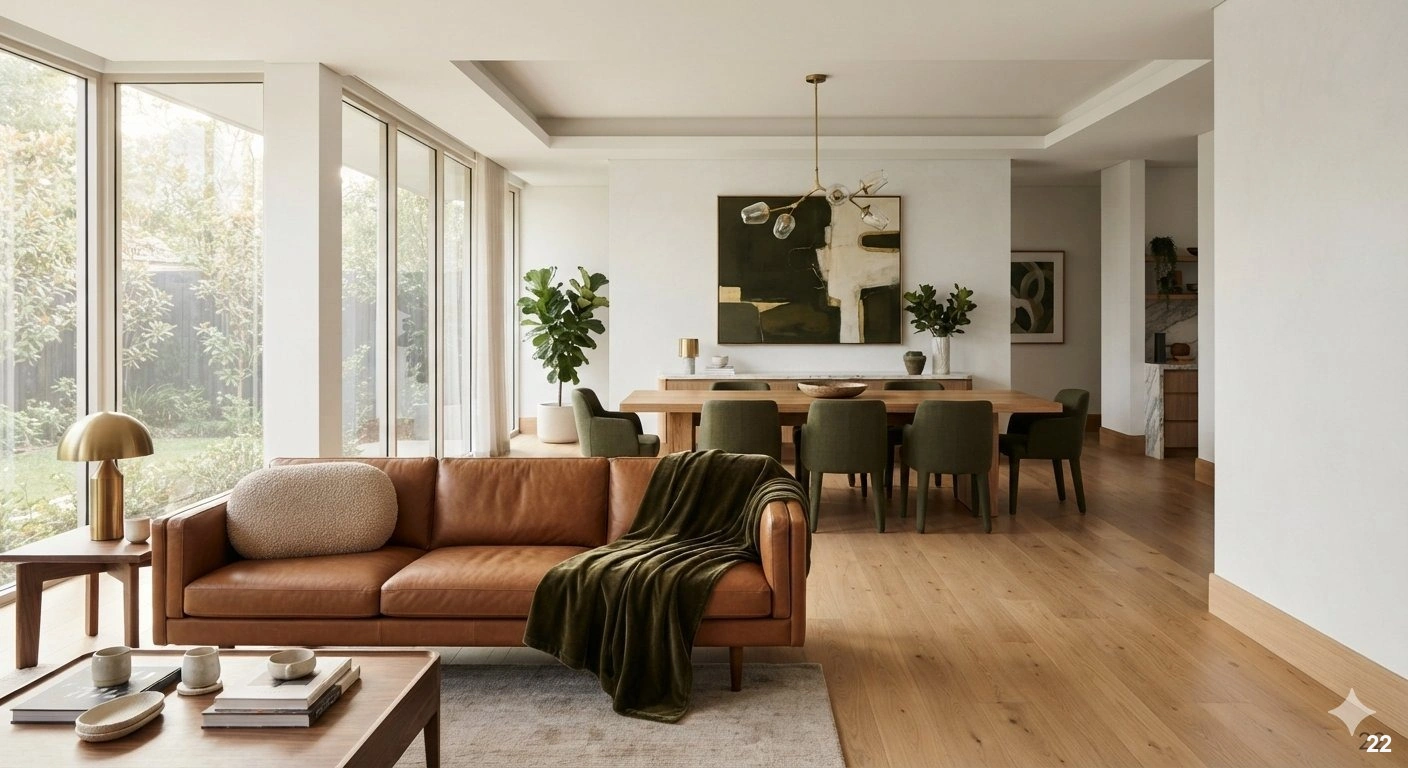
The most sophisticated homes feel like a single, unified story rather than a collection of disjointed rooms. When transitioning your home for autumn, maintaining a cohesive flow is essential to prevent the space from feeling fragmented. Start by establishing a ‘bridge color’—a hue that appears in some form in every room. This could be a warm terracotta, a deep olive green, or a soft, creamy greige. By weaving this color through your textiles, art, or even small decor accents, you create a sense of continuity that draws the eye from one space to the next.
Consistency in texture is equally important. If you introduce chunky wool knits in the living room, bring a touch of that same tactile quality into the dining room via placemats or a table runner. This repetition of material creates a subconscious feeling of comfort and unity. Consider the lighting across your home as well; aim for a consistent color temperature for your bulbs throughout the house to ensure that the transition between rooms feels natural and seamless. Avoid using ‘cool’ white lighting in one room and ‘warm’ light in another, as this creates a jarring experience.
A common mistake is treating each room as an island, leading to a home that feels like a series of unrelated showrooms. Instead, stand in your entryway and look through the house; identify the sightlines and ensure that the colors and textures you see are harmonious. By focusing on this overall flow, you create a home that feels balanced and intentional. The transition to autumn becomes a graceful shift for the entire house, rather than a frantic effort to decorate individual corners, resulting in a space that feels calm, collected, and ready for the season.
Frequently Asked Questions
How can I incorporate autumn colors without making my home feel dark or heavy?
The secret to a sophisticated autumn palette is balance. Instead of opting for overly saturated, deep tones on every surface, focus on using earth-inspired neutrals as your base—think warm creams, soft taupes, and muted grays. Introduce your seasonal accents through smaller, curated items like throw pillows, ceramic vases, or linen runners in deeper shades like cognac, forest green, or terracotta. By keeping your larger furniture pieces neutral, you maintain an airy, refined atmosphere while still capturing the grounded essence of the season without overwhelming your living space.
What is the best way to store summer decor while transitioning for fall?
To prevent seasonal clutter, treat your transition as a deliberate edit rather than a mass swap. Start by removing items that feel strictly summery, such as bright coastal accents or lightweight, sheer fabrics. Store these in labeled, breathable containers to keep them protected. As you clear these items away, you create a blank canvas for your autumn layers. The goal is to maintain a sense of intentional minimalism; by removing one item for every new one you introduce, you ensure your home stays organized and cohesive throughout the change in season.
Are synthetic materials ever acceptable in elevated fall decor?
For a truly refined and timeless aesthetic, it is best to prioritize natural materials. Authentic wool, velvet, linen, and raw wood offer a tactile depth that synthetic alternatives simply cannot replicate. Natural fibers age gracefully and provide a superior sensory experience that enhances the comfort of your home. While high-quality blends can sometimes be functional, focusing on organic materials ensures that your seasonal decor feels authentic and high-end. Investing in these durable, natural textures will provide lasting beauty that you can enjoy season after season.
How do I make my small living room feel cozy for fall without overcrowding it?
In a smaller space, focus on ‘intentional layering’ rather than adding more items. Choose one or two high-impact pieces, such as a thick, chunky knit throw blanket draped over an armchair or a set of sculptural, seasonal branches in a floor vase. Avoid cluttering your surfaces; instead, curate a single, cohesive vignette on your coffee table using a mix of textures like a matte ceramic bowl and a brass candle holder. By focusing on quality over quantity, you create a warm, inviting atmosphere that feels cozy and sophisticated without sacrificing your square footage.
How can I introduce scent into my home decor in a sophisticated way?
Scent is a powerful design element that shapes the mood of a room. For an elevated experience, move away from overly sweet or artificial fragrances. Instead, opt for complex, grounded scents like sandalwood, cedar, amber, or subtle notes of dried spices. Using a high-quality essential oil diffuser or a soy-based candle in a beautiful glass vessel allows the fragrance to become part of your decor. Place these in areas where you spend the most time, such as the living room or bedroom, to create an immersive sensory experience that feels luxurious and deeply comforting.
Conclusion
Mastering the shift into the autumn months is less about a complete home overhaul and more about the art of layering and intentional editing. By focusing on rich textures, grounded earth tones, and warm, ambient lighting, you can create a sanctuary that feels both seasonally appropriate and timelessly elegant. Remember that the most successful spaces are those that reflect your personal style while embracing the natural transition of the environment outside your windows.
We encourage you to start small by choosing one or two ideas from this guide—perhaps updating your textiles or curating a single tabletop vignette—to see how these changes transform your daily experience. As you refine your home, focus on quality materials and a clutter-free approach to ensure your space remains a sophisticated retreat. With these thoughtful adjustments, you can enjoy an elevated, cozy home that feels perfectly aligned with the beauty of the season.