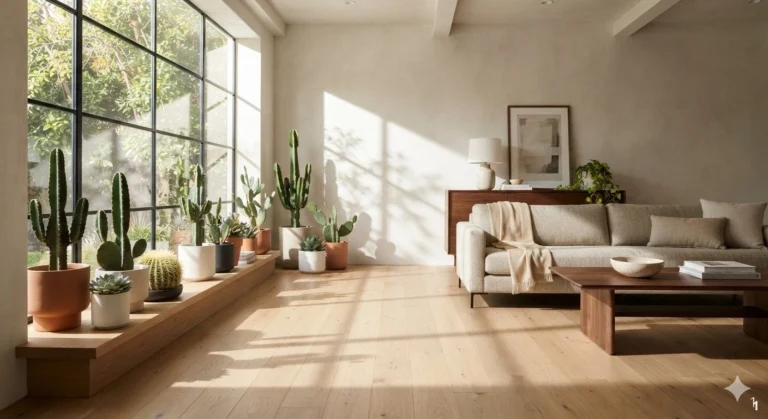
There is a distinct difference between a house that is merely furnished and a home that feels truly lived-in. Often, the missing element is a sense of soul—that organic, tactile quality that only artisanal pieces can provide. If you have grown tired of mass-produced decor that lacks character, you are not alone; many homeowners struggle to find that elusive balance between modern minimalism and the warmth of raw, earthy materials.
Incorporating unique-clay-pottery-ideas into your space is one of the most effective ways to bridge this gap. Whether it is a sculptural, unglazed vessel that anchors a coffee table or a collection of hand-thrown pots that bring depth to your shelving, clay adds a necessary layer of history and texture to any room. It is about choosing objects that tell a story rather than simply filling a void.
In the following sections, we will move beyond basic styling to explore how you can curate your own collection with intention. From mastering the art of mixing matte and glazed finishes to practical tips for maintaining raw clay pieces, you will find actionable advice to help you transform your home into a sophisticated, gallery-inspired sanctuary. Let’s refine your approach to artisanal decor and turn your living space into a true reflection of your personal aesthetic.
Mastering the Rule of Three for Pottery Groupings
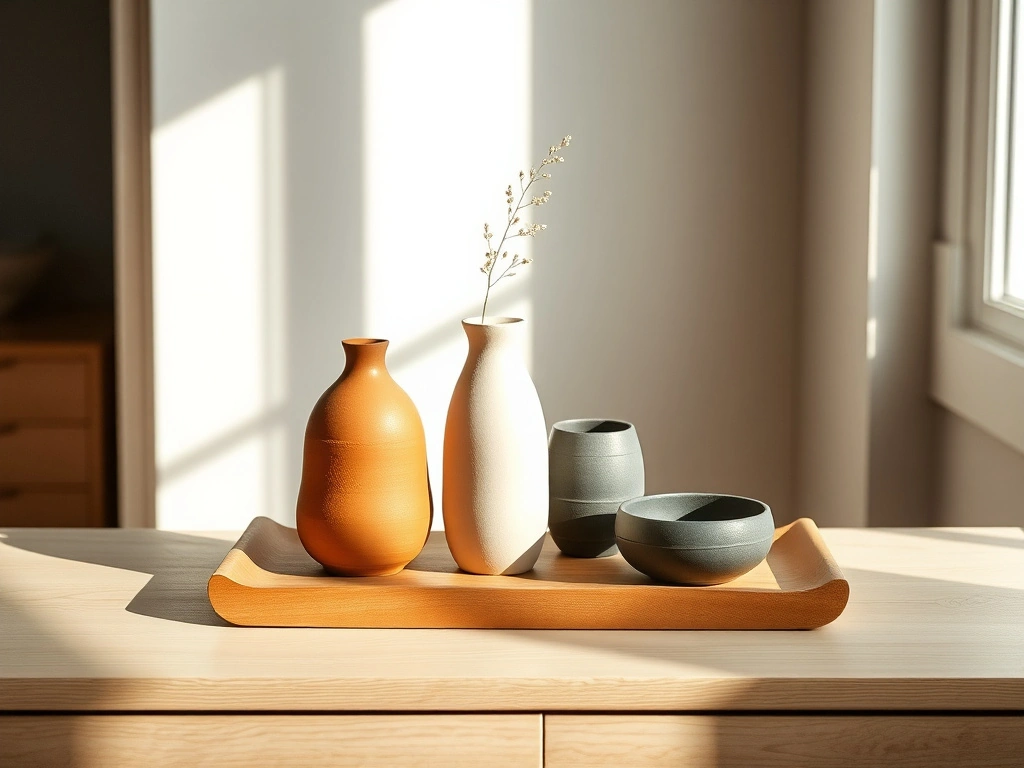
When styling clay pottery, the rule of three is your most reliable tool for creating visual harmony. By grouping vessels in odd numbers, you encourage the eye to move across the arrangement, preventing the static, symmetrical look that can often make a space feel like a showroom rather than a home. The key is variety: mix heights, widths, and silhouettes to build a dynamic landscape that feels intentionally curated.
This approach works best on open shelving, console tables, or as a centerpiece on a dining surface. Start by placing your tallest piece slightly off-center to establish a focal point, then layer in a medium-sized vessel and a smaller, perhaps more intricate, piece to ground the composition. Using clay pots with varying textures—such as a smooth, burnished finish alongside a rough, grooved exterior—adds depth that keeps the grouping from looking flat.
Lighting is critical here. Position your display where natural light can graze the surfaces, highlighting the tactile qualities of the clay. Avoid the common mistake of overcrowding the space; give each piece room to breathe so its unique form stands out. If you are struggling with scale, try placing your arrangement on a shallow wooden tray to unify the grouping and make it feel like a single, cohesive art installation. A designer tip: incorporate a single sprig of dried botanicals in the tallest vessel to introduce height and organic movement to the vignette.
Combining Matte Earthware with High-Gloss Glazes
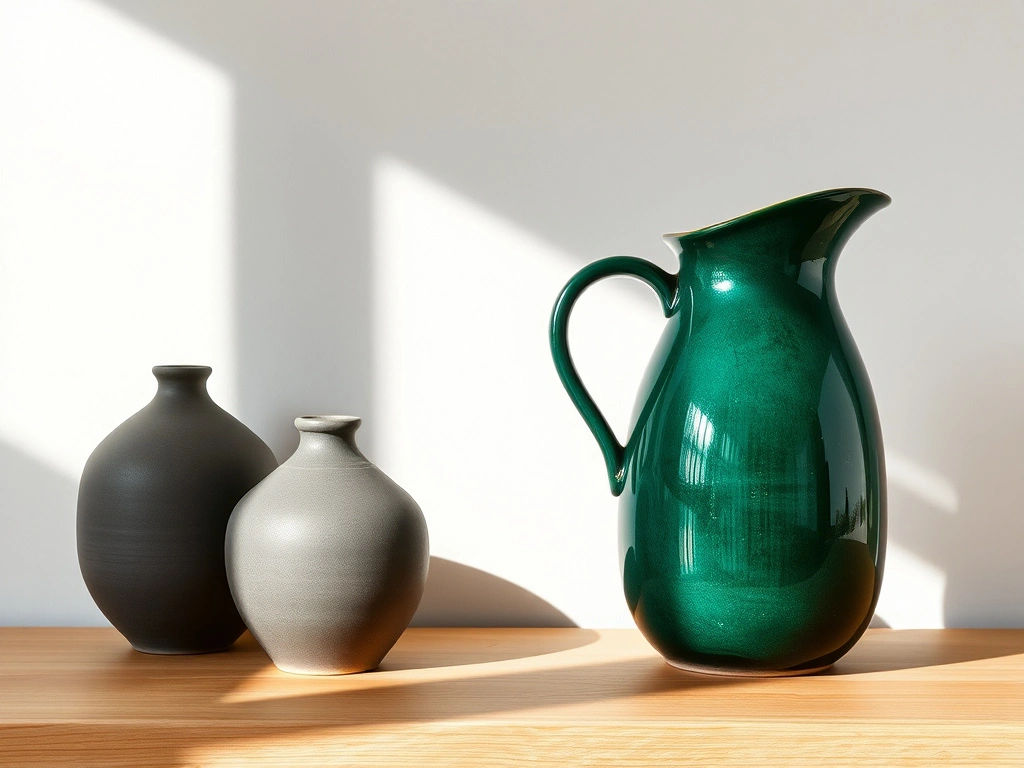
The juxtaposition of textures is the hallmark of a sophisticated interior. Mixing raw, matte earthenware with high-gloss, reactive glazes creates a tension that is visually stimulating and deeply layered. The matte pieces ground the space with their earthy, grounded presence, while the glossy finishes catch the light, adding a touch of refined elegance that prevents the decor from feeling too rustic or heavy.
This strategy is particularly effective in high-traffic areas like the kitchen or a formal living room. When styling, aim for a 70/30 ratio—let the matte pieces dominate to maintain a sense of calm, using the glossy items as ‘jewels’ that draw the eye. Consider a set of matte charcoal vases paired with a single, deep emerald-glazed pitcher. The contrast in light reflection creates a dialogue between the organic origins of the clay and the finished, polished outcome.
Avoid placing these pieces too far apart; they need to be in close proximity to establish a meaningful relationship. A common mistake is choosing colors that are too similar in tone; instead, play with contrasting depths. If your matte pottery is a pale sand color, opt for a dark, moody glaze to add drama. Under warm ambient lighting, the glossy surfaces will shimmer, while the matte surfaces will remain soft and inviting. This combination works beautifully against neutral backdrops, as it allows the texture to do the heavy lifting in terms of visual interest.
Sculptural Storage Solutions for Minimalist Spaces
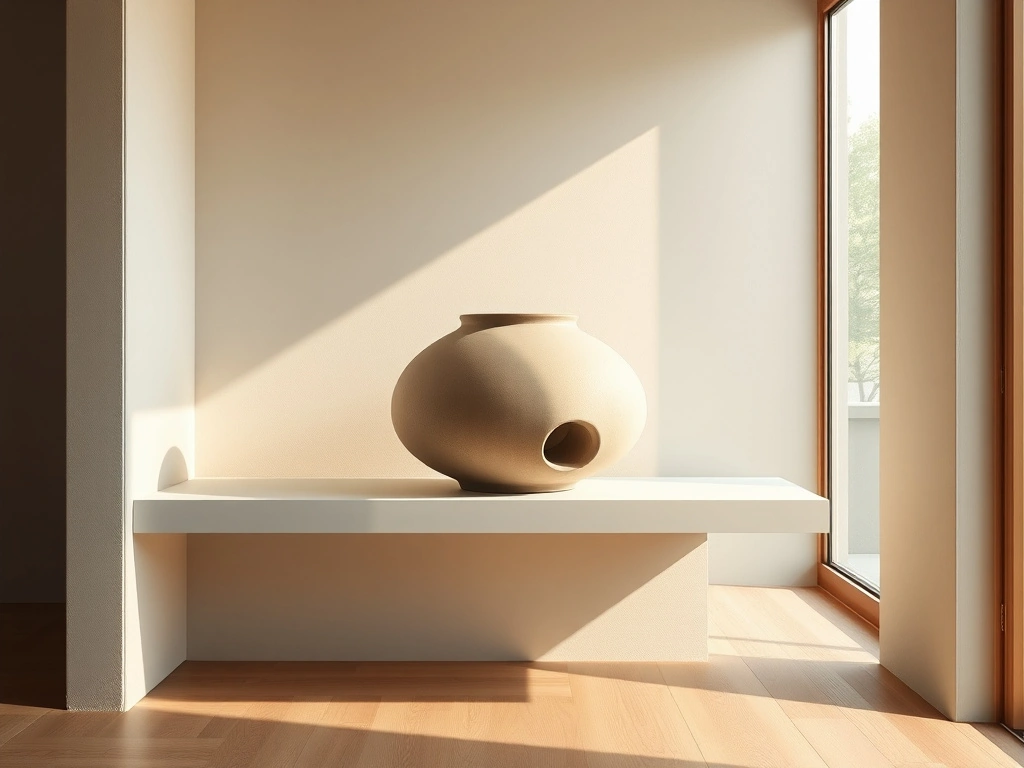
In a minimalist home, every object must earn its place. Instead of hiding your storage, choose clay vessels that double as sculptural art. Large, hand-thrown clay jars or wide-mouthed canisters offer a tactile way to store everyday items like kitchen utensils, linens, or even office supplies, turning mundane clutter into a curated display. The weight and permanence of clay bring a necessary groundedness to clean, airy spaces that might otherwise feel clinical.
These pieces work best in kitchens or entryways where functionality is paramount. Look for vessels with clean, geometric lines or subtle, hand-pressed indentations that celebrate the maker’s process without adding visual noise. When styling, keep the surrounding area clear of other distractions to let the silhouette of the pottery speak for itself. A single, large-scale vessel on a floating shelf creates a powerful focal point that feels both practical and intentional.
Avoid the trap of over-styling with too many accessories; the vessel itself is the accessory. Ensure the color palette remains monochromatic or earthy to reinforce the minimalist aesthetic. If you are using clay jars for storage, consider the interior finish—ensure it is food-safe if you plan to store pantry staples, or use a linen liner to protect delicate items. By treating your storage as an extension of your art collection, you bridge the gap between utility and high-end design, making your home feel effortlessly organized and deeply soulful.
Embracing Wabi-Sabi Imperfections in Hand-Thrown Pieces
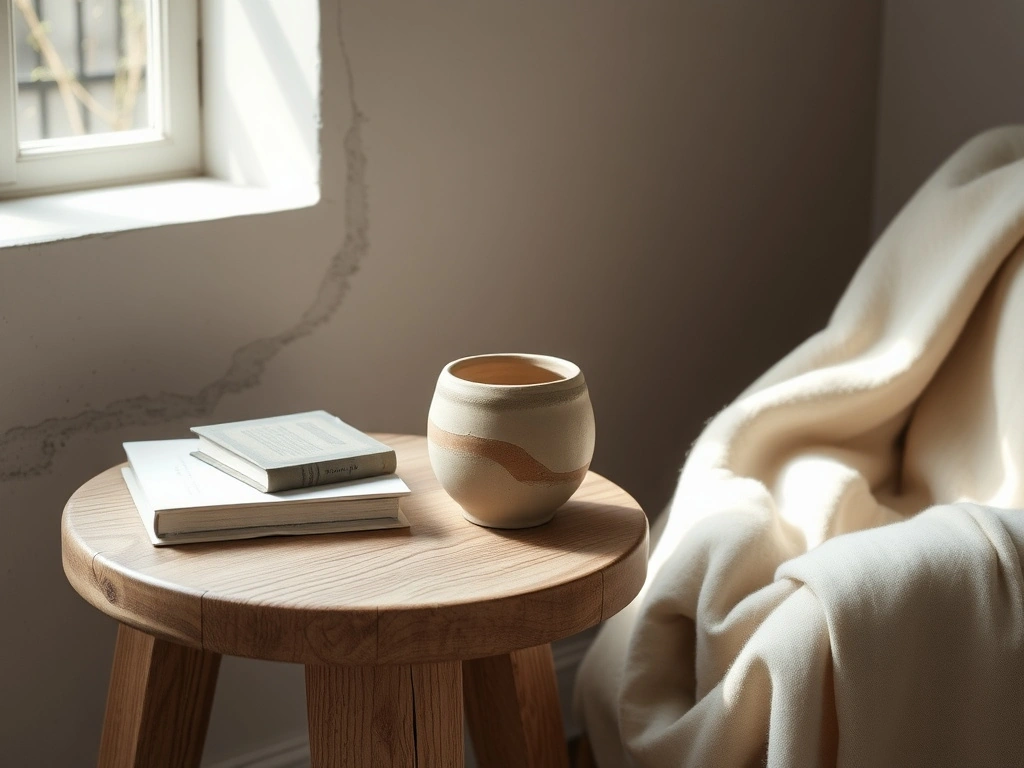
Wabi-sabi is the art of finding beauty in the imperfect, the impermanent, and the incomplete. In the context of clay pottery, this means seeking out pieces that show the evidence of the maker’s hand—a slightly wonky rim, a thumbprint in the base, or a subtle variation in the kiln fire. These are not flaws; they are the soul of the object. Incorporating these pieces into your home adds a layer of history and humanity that mass-produced ceramics simply cannot replicate.
These unique, hand-thrown items are perfect for intimate spaces like a bedside table or a reading nook. Because they carry such a strong narrative, they work best when allowed to stand alone. A single, slightly asymmetrical bowl can hold your jewelry or loose keys, turning a daily routine into a moment of appreciation for craftsmanship. When styling, do not try to hide the imperfections; instead, position the piece so that the most interesting ‘flaw’ is visible.
Avoid placing these items in overly formal settings where they might look out of place. They thrive in environments filled with natural materials—think raw linen, reclaimed wood, and stone. If you have a collection of these pieces, display them on a low, rustic wooden shelf to maintain the earthy aesthetic. A designer tip: if you are worried about the porous nature of raw clay, use a small glass insert to hold water if you want to add fresh flowers, ensuring the clay stays pristine while still enjoying the organic beauty of the vessel. This approach keeps your decor functional without sacrificing its artistic integrity.
Styling Clay Vessels for Scandi-Inspired Interiors
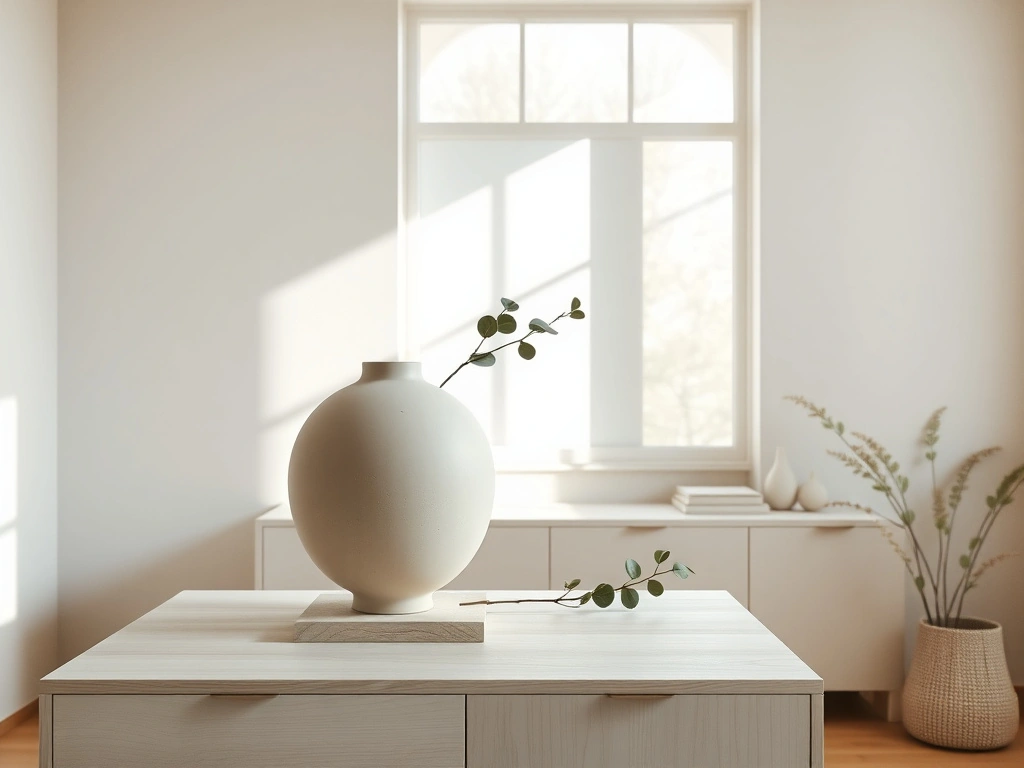
Scandinavian design relies on the balance of light, warmth, and functionality. To incorporate clay pottery into this aesthetic, focus on vessels with soft, rounded forms and muted, organic color palettes—think soft greys, whites, and muted terracottas. The goal is to introduce texture without overwhelming the clean lines that define the Scandi look. The pottery should feel like a natural extension of the architecture, adding a layer of warmth to a space that might otherwise lean toward cool tones.
These vessels work best when placed on light-toned wood surfaces, such as a white oak dining table or a pale ash floating shelf. Keep the composition simple and sparse; a single, sculptural clay vase with a few dried twigs or a lone eucalyptus branch is often all you need. The key is the silhouette—choose pieces that feel gentle and understated rather than bold or ornate. The matte finish of the clay complements the light, airy vibe of Scandi interiors perfectly.
One common mistake is choosing colors that are too vibrant or dark, which can disrupt the calm flow of a Scandi space. Stick to a tonal palette that feels cohesive with your walls and flooring. If you want to experiment with more texture, look for vessels with a subtle, sand-blasted finish that catches the light in a soft, diffused way. By prioritizing soft shapes and neutral tones, you ensure that your pottery enhances the sense of tranquility, turning your living space into a serene, light-filled retreat that feels both modern and deeply grounded.
Bohemian Decor Strategies Using Terracotta Pots
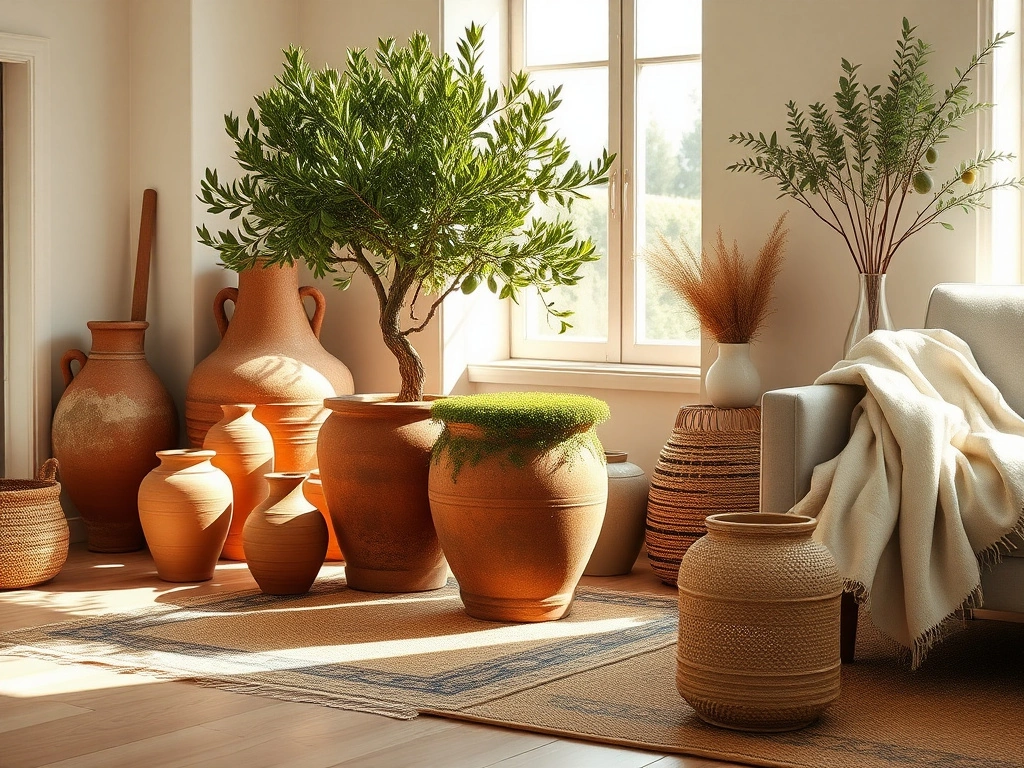
Terracotta is the heartbeat of bohemian design. Its warm, sun-baked hue brings an immediate sense of global soul and earthy comfort to any room. To elevate the classic terracotta pot beyond the garden patio, treat it as a design object. Use large, aged terracotta urns as floor-standing decor or smaller, weathered pots to house indoor trees like fiddle leaf figs or olive trees. The contrast between the vibrant green foliage and the warm, porous clay is a timeless pairing.
This aesthetic thrives in rooms with plenty of natural light and layered textures. Mix your terracotta pots with woven baskets, patterned textiles, and vintage rugs to create a rich, collected look. Don’t be afraid to group pots of different sizes and ages; a mix of brand-new, uniform terracotta and antique, moss-covered pots adds instant character. The more varied the textures, the more ‘lived-in’ and authentic your space will feel.
Avoid the mistake of making everything too uniform. Bohemian style is about the beauty of the collection, so embrace the natural aging process of the clay. If you are worried about your floors, use heavy-duty felt pads or decorative metal stands to raise the pots slightly, allowing for better airflow and preventing water stains. A designer tip: group your pots in the corners of your room to soften the architectural lines and create a lush, indoor garden feel. This strategy not only adds life to your home but also brings a grounded, natural energy that is essential to the bohemian spirit.
Modernist Approaches to Raw Clay Display
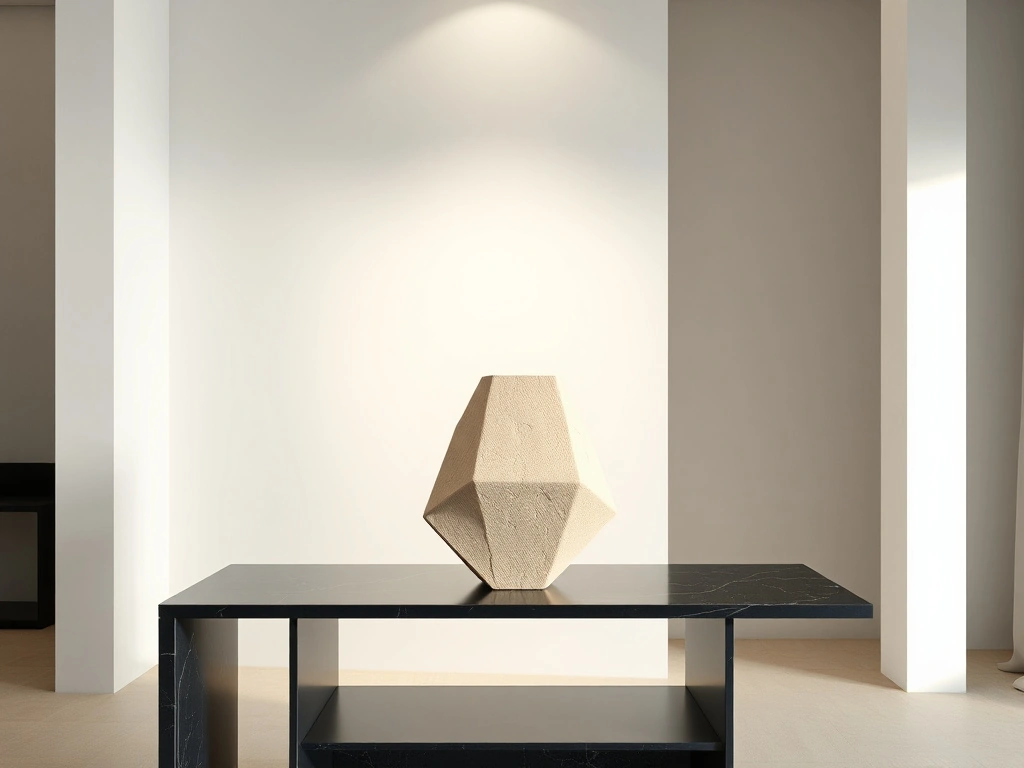
Modernist design is often characterized by precision and a lack of ornamentation, which makes raw clay pottery a surprising but brilliant addition. By introducing a piece of raw, unglazed clay into a sleek, modernist space, you provide a necessary counterpoint to the polished steel, glass, and concrete that often dominate the style. The raw, tactile nature of the clay acts as a grounding element, humanizing the space and preventing it from feeling cold or uninviting.
Focus on vessels with strong, architectural forms—think sharp angles, cylinders, or brutalist-inspired blocks. These pieces work best when displayed on a stark, minimalist surface like a black marble shelf or a glass-topped table. Because the shape of the pot provides the visual interest, you don’t need to fill it with flowers or greenery; let the empty vessel serve as a piece of sculpture. This is where the ‘less is more’ philosophy truly shines.
Avoid the common mistake of choosing rustic or overly decorative pieces, which can clash with the clean lines of modern furniture. Instead, look for pottery that has been crafted with a sense of precision. If the clay has a natural, grainy texture, it will create a beautiful contrast against smooth, reflective surfaces like polished chrome or lacquer. When lighting these pieces, use directional spotlights to emphasize the form and shadow, turning the pot into a dramatic piece of art. By treating your pottery as an architectural element rather than a decorative accessory, you achieve a balanced, high-end look that feels both contemporary and timeless.
Seasonal Transitions for Your Pottery Collections
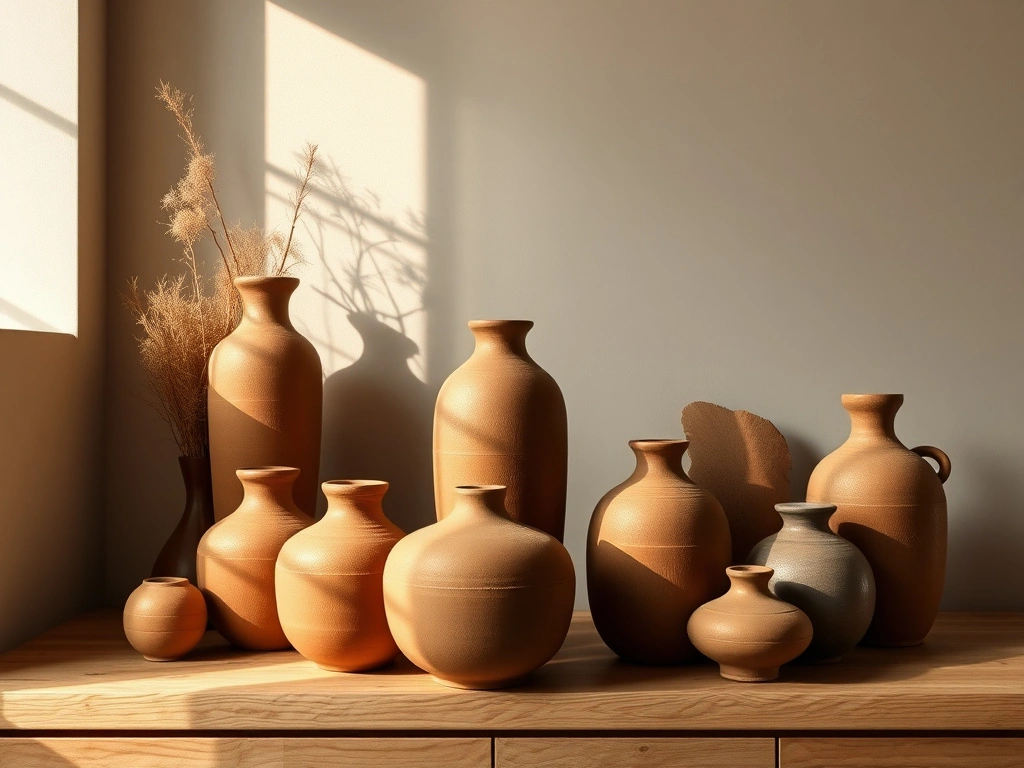
Your pottery collection should be as dynamic as the seasons themselves. Instead of keeping the same pieces on display year-round, rotate your collection to reflect the changing light and mood of your home. In the spring and summer, opt for lighter-toned, glazed vessels that feel fresh and airy. These pieces catch the brighter, more intense sunlight and pair beautifully with seasonal blooms, creating a sense of renewal and vitality in your living spaces.
As the seasons shift toward autumn and winter, transition to heavier, matte-finished pieces in warmer, deeper tones like ochre, deep brown, or charcoal. These textures feel more substantial and cozy, perfectly complementing the lower, warmer light of the colder months. When you switch your pottery, take the opportunity to clean and re-oil your pieces if necessary—a light wipe with a damp cloth or a drop of mineral oil can revive the richness of the clay, ensuring your collection always looks its best.
Avoid the mistake of keeping out-of-season pottery on display, which can make your home feel cluttered and stagnant. Use the change in seasons as a reason to curate and edit your collection; if you haven’t used a piece in a year, it might be time to move it to a different room or re-gift it. By treating your pottery as a rotating gallery, you keep your home feeling fresh and responsive to the rhythm of the year. A designer tip: keep a few ‘anchor’ pieces that stay out year-round, and use smaller, seasonal vessels to refresh the vignettes around them, creating a consistent but ever-evolving home aesthetic.
Creating Focal Points with Oversized Floor Vessels
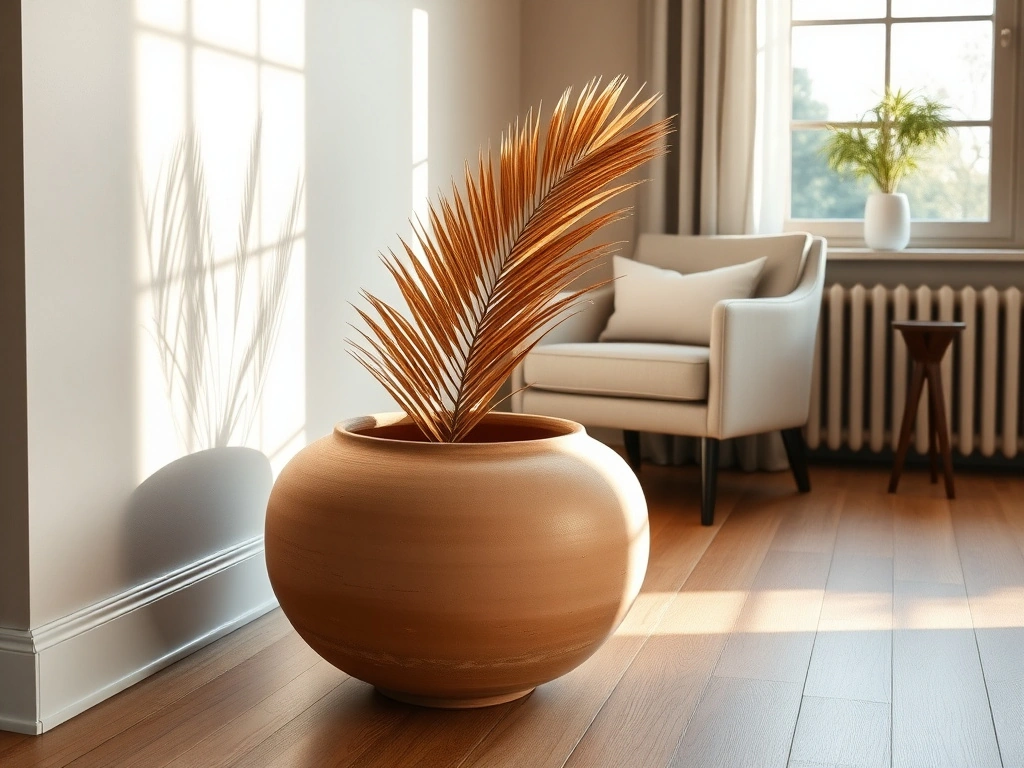
When a room feels unfinished, the culprit is often a lack of architectural weight. An oversized clay floor vessel acts as a grounding element, drawing the eye downward and providing a necessary sense of scale. Unlike smaller decorative objects, these large-scale pieces command attention and can soften the sharp, linear edges of modern furniture. I prefer placing these in underutilized corners or flanking a fireplace to provide a sculptural finish that feels curated rather than cluttered.
For a high-end look, prioritize hand-thrown clay with a raw, matte finish. The imperfections inherent in artisanal pottery prevent the space from feeling too sterile. When styling, keep the surrounding area relatively clear to let the vessel breathe. If your vessel is particularly tall, consider placing a dried sculptural branch or a single, oversized palm leaf inside to add vertical interest without distracting from the pot’s form. Avoid placing these in high-traffic hallways where they might be knocked over; instead, tuck them into a vignette where they can be appreciated from a distance.
Lighting is crucial here. Position a floor lamp or an accent spotlight nearby to emphasize the texture of the clay during the evening hours. The shadows cast across the surface will highlight the unique ridges and grooves, turning your decor into a piece of gallery-worthy art. Stick to earthy, muted tones like terracotta, charcoal, or cream to maintain a sophisticated atmosphere.
Balancing Negative Space Around Statement Ceramics
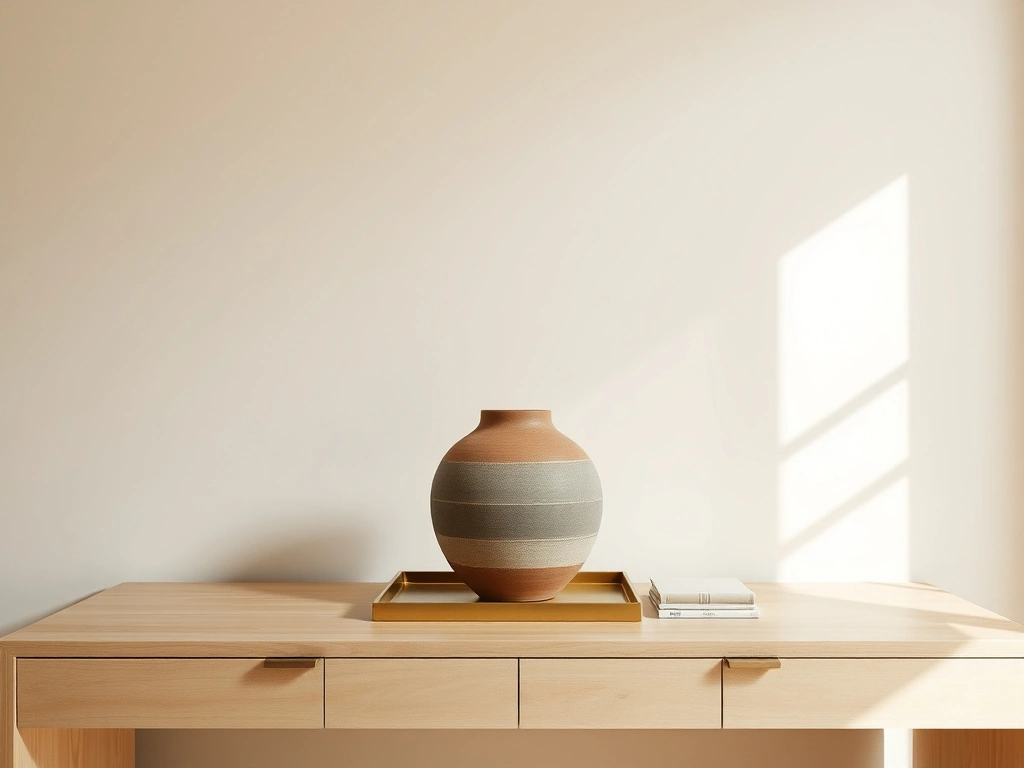
The secret to a sophisticated home isn’t the number of objects you own, but how you frame them. When displaying a statement piece of clay pottery, negative space is your greatest design tool. By leaving generous breathing room around a ceramic vessel, you elevate it from a mere accessory to a deliberate focal point. This approach prevents visual fatigue and allows the viewer to appreciate the craftsmanship of the object.
When styling a console or a coffee table, try the ‘rule of three’ but keep the objects varied in scale. Place your statement clay piece as the anchor, then surround it with items that are significantly lower in height or different in material—think a slim brass tray or a stack of linen-bound books. Avoid crowding the area with other ceramics, as this diminishes the impact of your primary piece. If you have a collection, rotate your items seasonally rather than displaying them all at once.
Color-wise, keep the background neutral to let the clay’s natural color story shine. If your vessel is a deep, moody iron-rich clay, place it against a crisp white or soft beige wall to create a high-contrast, dramatic effect. If the piece is porous and light-colored, it pairs beautifully with dark wood surfaces. Remember that negative space isn’t empty—it’s a design choice that provides clarity and focus, making your home feel intentional and calm.
Integrating Clay Texture into Japandi Design Themes
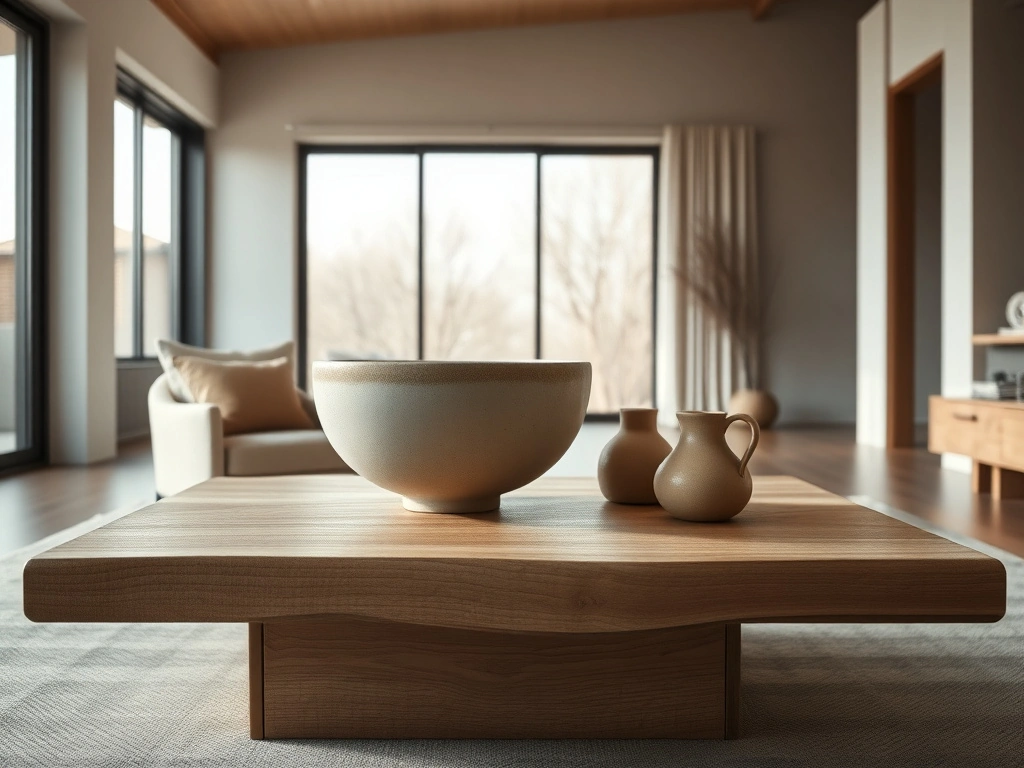
Japandi design thrives on the marriage of Japanese minimalism and Scandinavian functionality, and clay pottery is the perfect medium to bridge these two worlds. The key is to select pieces that emphasize wabi-sabi—the beauty of the imperfect. Look for vessels with subtle, irregular shapes and hand-applied glazes that feel organic and weathered. These pieces introduce warmth into a space that might otherwise lean too heavily into cold, clinical minimalism.
To integrate these effectively, stick to a muted, monochromatic palette. Think sand, stone, slate, and soft charcoal. When styling, group a raw, unglazed clay pitcher next to a sleek, polished wooden stool or a linen-upholstered chair. The juxtaposition of the gritty, tactile clay against smooth textiles creates a sensory experience that defines the Japandi aesthetic. Avoid bright, glossy finishes, which can feel too commercial; instead, look for matte, satin, or eggshell glazes that diffuse light softly.
One common mistake is over-accessorizing. In a Japandi-inspired room, every object must serve a purpose or provide a deep sense of calm. A single, wide-rimmed clay bowl placed on a low coffee table serves as both a functional catch-all and a sculptural anchor. Ensure your pottery is placed on surfaces that reflect the natural world—raw timber, stone, or woven rattan—to reinforce the connection to nature. Proper lighting is essential here; use warm, diffused light to accentuate the tactile quality of the pottery, making the room feel inviting and grounded.
DIY Techniques for Adding Organic Surface Texture
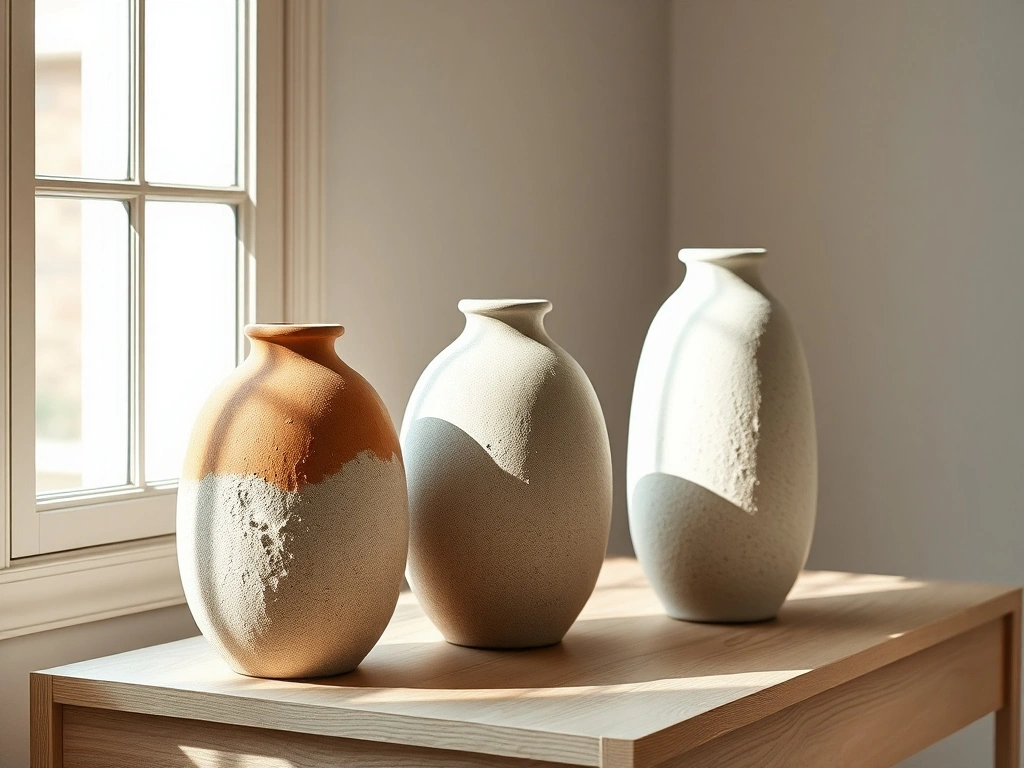
If you have a collection of basic store-bought pottery that lacks soul, you can easily transform it into high-end, artisan-style decor using simple DIY techniques. The goal is to mimic the look of ancient, hand-coiled, or stone-washed clay. A popular method involves mixing baking soda or fine sand into acrylic paint. By applying this mixture with a stiff brush in a stippling motion, you create a gritty, matte surface that catches the light and hides the mass-produced sheen of the original piece.
For a more sculptural approach, consider using air-dry clay to add ridges, handles, or organic bumps to the surface of an existing vase. Once dry, paint over the entire piece with a mineral-based paint to unify the materials. This technique is perfect for creating ‘found object’ vibes without the gallery price tag. When choosing colors, lean toward earthy ochres, chalky whites, or deep, moody earth tones. These colors look most authentic on textured surfaces.
Avoid the mistake of making the texture too uniform. Real handmade pottery has variations in thickness and finish. Let your brushstrokes show, or purposefully leave some areas slightly rougher than others. To ensure your DIY project holds up, apply a matte sealant once the paint is fully cured. This will protect the surface from dust and make it easier to clean. Display these pieces in areas with good natural light, where the added texture can truly stand out as a unique design element that you won’t find in a catalog.
Curating a Neutral Palette with Varied Clay Tones
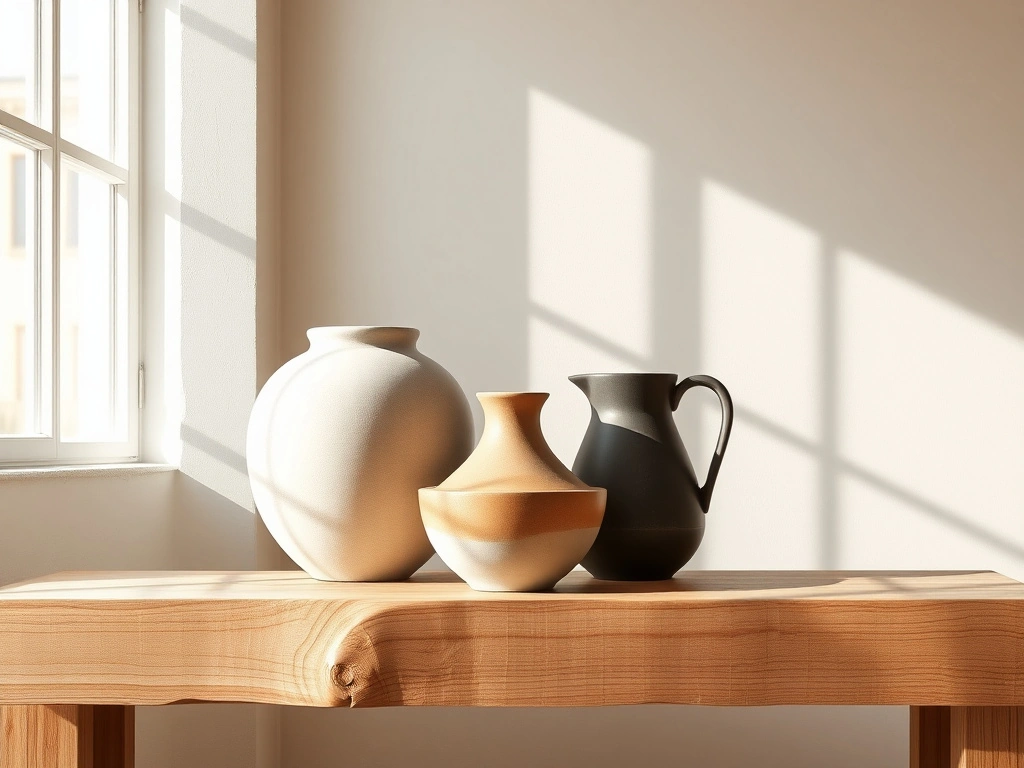
A neutral home doesn’t have to be boring; in fact, the most sophisticated spaces rely on a layered approach to color. When curating a collection of clay pottery, focus on a palette of ‘earth tones’—warm whites, soft taupes, deep terracottas, and cool grays. The trick to keeping this look cohesive is to vary the finishes. Mix a matte, chalky-white vessel with a semi-gloss, honey-glazed bowl and a dark, raw-clay pitcher. This interplay of light-reflective and light-absorbing surfaces adds depth and visual interest.
When styling these pieces, treat them as a family. Place them together on a surface, but vary their heights to create a dynamic silhouette. If you have a collection of neutral pottery, avoid grouping them by color alone. Instead, group them by tone and texture to ensure the arrangement feels intentional. For example, place a dark, iron-rich clay piece next to a light, cream-colored vessel to create a striking contrast that feels balanced and grounded.
One designer tip is to consider the background color. If your walls are a crisp, bright white, lean into warmer, darker clay tones to prevent the room from feeling washed out. If your walls are painted a deeper, moody color, lighter, off-white ceramics will pop beautifully. Remember to check the underside of your pottery; if it’s porous, place a small felt pad on the bottom to protect your furniture from scratches or moisture rings. This small detail is a hallmark of a well-cared-for, high-end home.
Layering Pottery Heights on Open Shelving Units
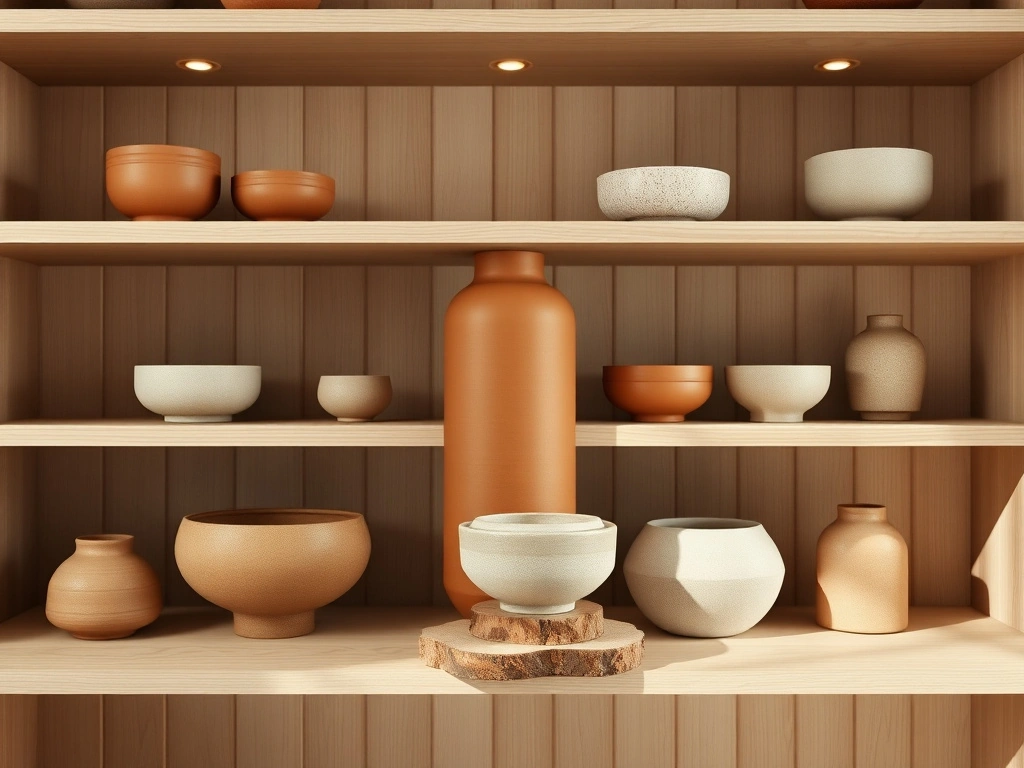
Open shelving offers the perfect canvas for showcasing your pottery collection, but the arrangement can easily become cluttered if you don’t follow a few design principles. The key is to layer heights. Start by placing your tallest vessel off-center to create an anchor for the shelf. Then, introduce smaller pieces—like bowls, cups, or shorter vases—in front or to the side to create a sense of depth.
Don’t be afraid to utilize vertical space by placing a small, flat bowl on top of a stack of books or a wooden riser. This adds a layer of sophistication and makes the shelf look like it was styled by a professional. When selecting pieces, aim for a mix of shapes. A tall, cylindrical vase looks beautiful next to a rounded, wide-mouthed bowl. This variety keeps the eye moving and prevents the shelf from looking like a retail display.
Avoid the trap of overstuffing. Leave enough empty space between your pieces so that each one can be appreciated individually. If you have a particularly beautiful piece, give it its own shelf or a dedicated section. Lighting is also important for shelving; if your shelves are deep, consider adding small, integrated LED puck lights to highlight the textures of the clay. This adds a dramatic, high-end feel that transforms a standard storage unit into a curated gallery. Finally, keep the color palette consistent across all shelves to maintain a unified look throughout the entire unit.
Using Clay Bowls for Curated Desktop Organization
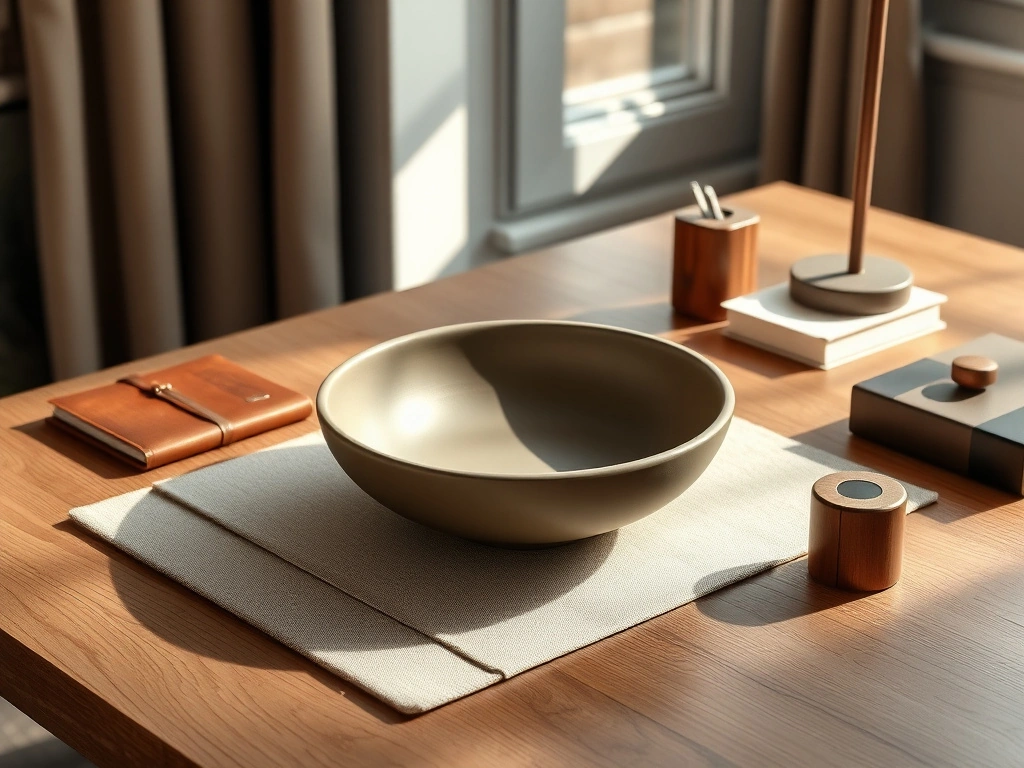
Your home office or entryway console should be as beautiful as it is functional. Clay bowls are the perfect solution for organizing small items like keys, paperclips, or jewelry, offering a tactile, artisanal alternative to plastic or metal organizers. The natural, porous quality of clay adds a layer of warmth to a workspace, softening the harsh lines of computers and monitors.
When choosing a bowl for organization, look for one with a wide, shallow base. This makes it easier to retrieve items and prevents the bowl from looking like it’s meant for serving food. A bowl with a matte finish or a subtle glaze works best, as it won’t show fingerprints and feels more substantial. If you’re using the bowl for keys near the door, ensure it’s heavy enough that it won’t slide around when you drop your keys inside.
To elevate the look, place the bowl on a tray or a piece of linen. This creates a defined ‘landing zone’ for your items and prevents the desktop from feeling messy. Avoid mixing too many different materials in one spot; if your bowl is clay, keep other desk accessories in complementary natural materials like wood, leather, or stone. A common mistake is using a bowl that is too small for its contents, which leads to overflow and clutter. Always err on the side of a larger vessel. By curating your everyday items in a beautiful, hand-crafted bowl, you turn a mundane task like clearing off your desk into a moment of appreciation for good design.
Selecting Plants That Complement Porous Clay Vessels
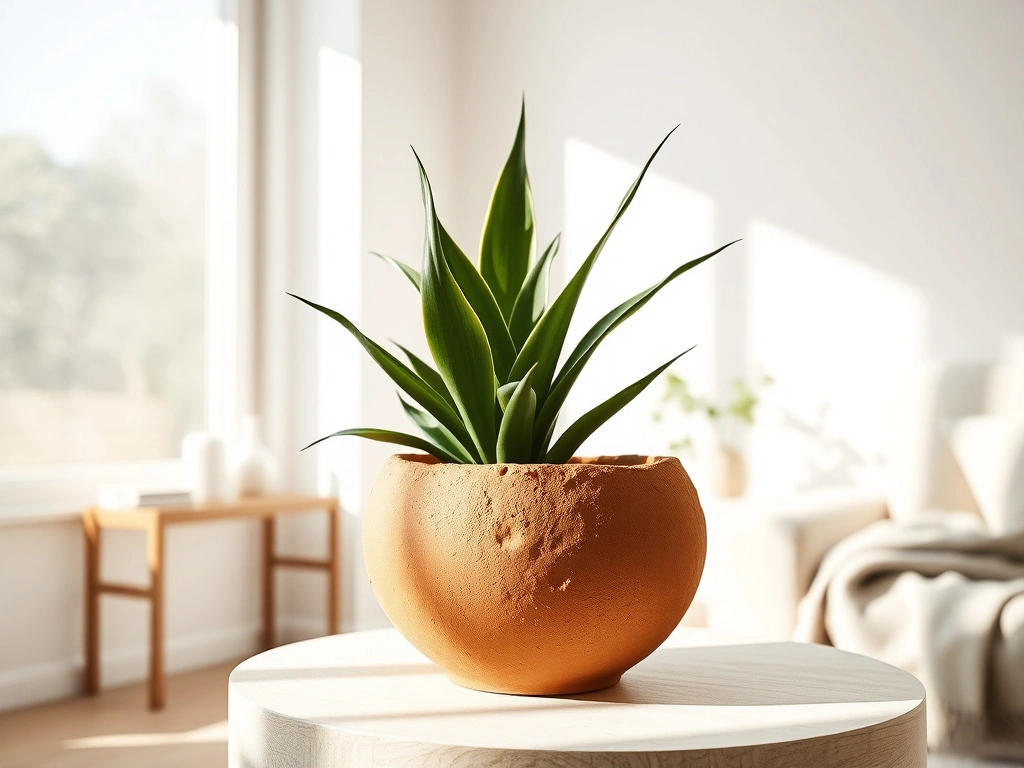
There is a symbiotic relationship between a plant and its container, especially when that container is made of porous, raw clay. Because clay ‘breathes,’ it’s an excellent environment for many houseplants, particularly those that prefer their soil to dry out between waterings, such as succulents, cacti, or snake plants. The organic look of these plants pairs naturally with the earthy texture of the clay, creating a cohesive, living vignette.
When choosing a plant, consider the shape of the vessel. A tall, slender vase looks best with a plant that has architectural, vertical leaves, like a Sansevieria. A wide, shallow bowl is perfect for a low-profile succulent arrangement or a trailing ivy that can spill over the edges. Avoid plants that require constant moisture, as they can cause the clay to darken or develop mineral deposits on the exterior over time. While some people love the ‘patina’ that develops on clay with age, if you prefer a clean look, place a plastic liner inside the pot before adding your plant.
Styling-wise, keep the plant-to-pot ratio in mind. The plant should be about one-and-a-half to two times the height of the container to ensure visual balance. If the plant is too small, the pot will overpower it; if it’s too large, the pot will look unstable. Place these arrangements in areas with indirect sunlight to prevent the foliage from burning and to keep the colors of the clay looking true. By selecting the right plant, you enhance the character of your pottery and bring a vital, organic element into your home that shifts with the seasons.
Maintenance Tips for Protecting Raw Clay Decor
Raw, unglazed clay possesses a tactile, organic quality that feels deeply soulful, but its porous nature demands a bit of extra care to maintain its pristine appearance. Because raw clay acts like a sponge, it is highly susceptible to absorbing oils from your hands or moisture from spills, which can lead to permanent discoloration. To protect your investment, I always recommend applying a high-quality, matte-finish stone sealer to the exterior. This creates an invisible barrier that repels dust and light moisture without sacrificing that signature chalky aesthetic.
When styling raw clay, avoid placing it directly on surfaces that might hold water, like a kitchen backsplash or a damp bathroom vanity. If you intend to use a raw clay vessel for fresh flowers, always place a glass or plastic liner inside. This prevents water from seeping into the clay body, which could cause efflorescence or structural weakening over time. For daily cleaning, skip the harsh chemicals. A dry, soft-bristled brush or a microfiber cloth is usually sufficient to lift away dust from the textured crevices.
One common mistake I see is using aggressive scrubbers that can leave permanent scratches or polish the clay surface unevenly. If you notice a stubborn mark, a soft artist’s eraser can often lift the blemish without damaging the integrity of the piece. By treating these items as fine art rather than utilitarian objects, you ensure they age gracefully. Remember, the beauty of raw clay lies in its evolution; a slight patina over the years is often part of the charm, provided you have protected it from deep stains early on.
How to Mix Vintage Finds with Modern Clay Art
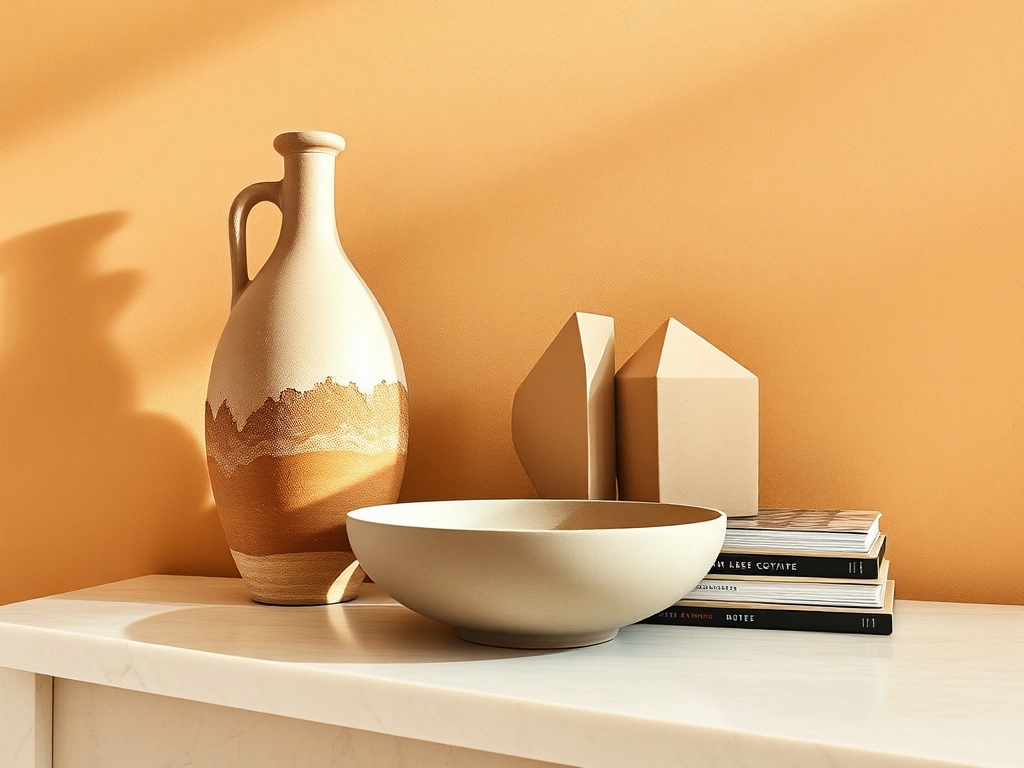
The secret to a curated, high-end home lies in the tension between the old and the new. Mixing found, vintage clay pottery with contemporary, hand-built pieces creates a narrative of history and craftsmanship that mass-produced decor simply cannot replicate. When pairing these items, focus on a shared color palette—even if the finishes differ—to maintain visual harmony. For example, a weathered, mid-century jug with a crusty, sand-colored glaze looks stunning when placed beside a sleek, minimalist clay sculpture in a similar warm, neutral tone.
Scale is your best friend when bridging these two worlds. Group your vintage finds in clusters of three, varying the heights to create a sense of movement. Place a modern, geometric clay bowl in the foreground to anchor the vignette, allowing the vintage pieces to act as the ‘storytellers’ in the background. This layering technique prevents your shelves from looking like a museum display and instead gives them the lived-in, collected feel of an interior designer’s own home.
Avoid the trap of overcrowding. If you have a collection of antique clay shards or small pots, curate them in a single, dedicated tray or on a floating shelf rather than scattering them throughout the room. By limiting the ‘vintage’ footprint to specific zones, you allow the modern pieces to breathe. Lighting also plays a critical role here; use soft, directional warm-toned lamps to highlight the unique textures of the vintage clay, casting shadows that emphasize the cracks and imperfections that make them truly special. The goal is to celebrate the passage of time while maintaining a clean, contemporary silhouette.
The Visual Impact of Geometric Clay Shapes
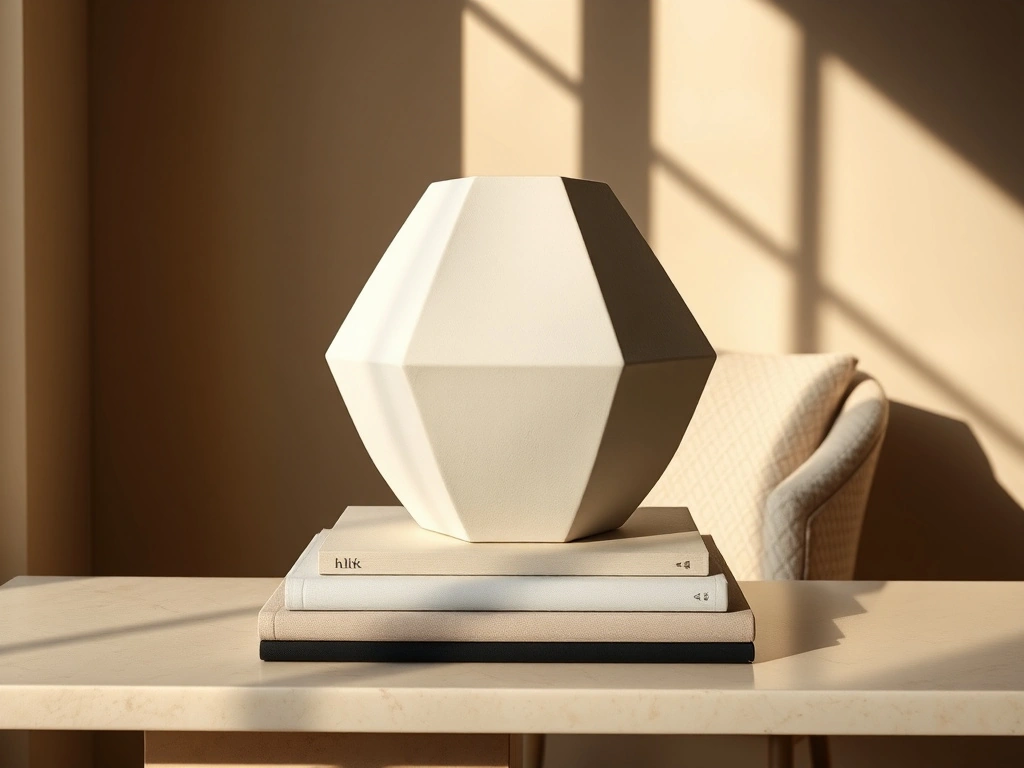
In a home filled with soft textiles and organic lines, geometric clay pottery serves as a powerful anchor. These pieces offer a structural reprieve, introducing crisp angles and mathematical precision that contrast beautifully with the fluid nature of clay. I often suggest incorporating sculptural clay forms—think cubes, cylinders, or stepped pyramids—to ground a space that feels too ‘soft’ or cluttered. These shapes act as anchors, drawing the eye and providing a sense of order to a room.
When styling geometric pieces, place them where they can be viewed from multiple angles. A sharp-edged clay vessel looks incredible on a glass-topped coffee table or a floating wall shelf, where the silhouette can be clearly defined against the wall. Because these pieces are inherently bold, they work best when allowed to stand alone. Avoid surrounding them with too many competing shapes; a single geometric clay object placed on a stack of books or a console table creates an immediate focal point.
Color-wise, stick to monochromatic or earth-toned palettes to prevent the shapes from feeling too ‘graphic’ or distracting. A matte black or bone-white finish on a geometric clay piece creates a sophisticated, gallery-style look that transitions perfectly into modern, minimalist settings. Lighting is essential here—use low-profile, focused lighting to emphasize the edges and cast sharp shadows, which further highlight the geometry of the form. The juxtaposition of a traditional material like clay with a rigid, modern shape is a hallmark of high-end design, proving that even the most grounded materials can embody architectural precision.
Styling Pottery in Transitional Hallway Spaces
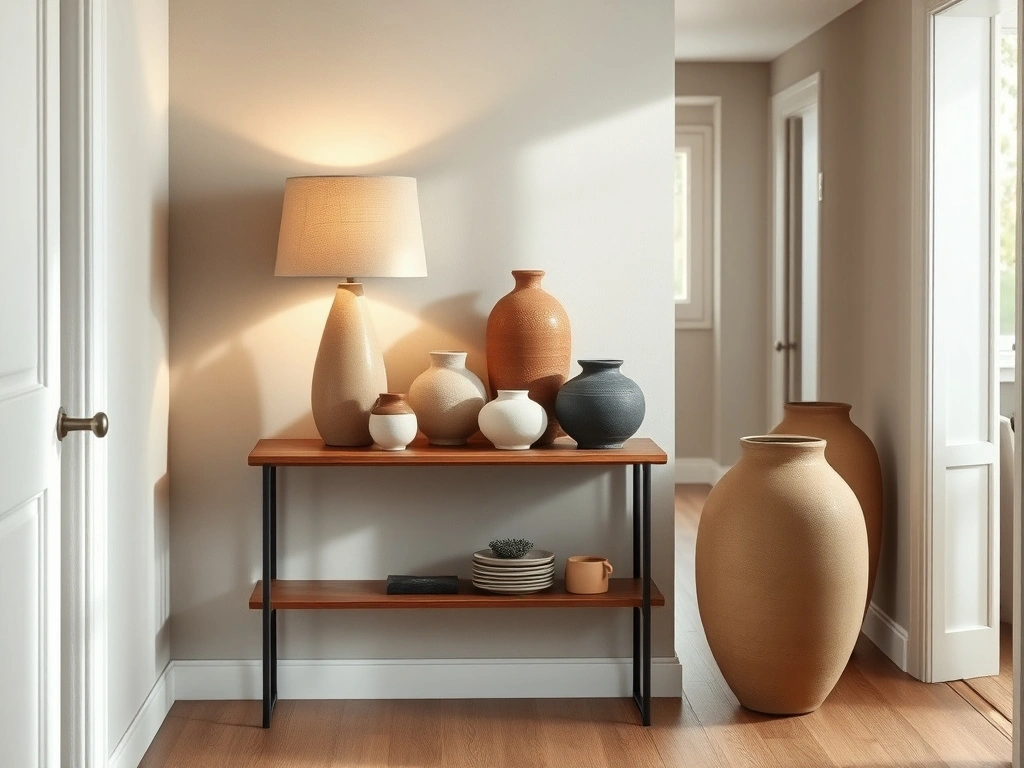
Hallways are often the most overlooked areas of the home, yet they offer the perfect opportunity to make a sculptural statement. Because these spaces are usually narrow and lack architectural depth, a well-placed piece of pottery can transform a ‘pass-through’ into a destination. I love using oversized, hand-built clay floor vases to anchor the end of a corridor. These pieces add a sense of scale and materiality that immediately elevates the feeling of the entire home as you move between rooms.
For a transitional hallway, consider the ‘rule of rhythm.’ If you have a long wall, place a series of smaller clay pots at varying heights on a slim console table. This creates a visual journey that guides the eye through the space. Keep the color palette consistent—perhaps using varying shades of cream, taupe, and charcoal—to ensure the display feels cohesive rather than chaotic. The goal is to create a moment of pause, a place where the eye can rest for a brief second.
Lighting in hallways is often harsh or purely functional. Counteract this by adding a small, warm-toned table lamp next to your clay collection. The glow of the lamp will soften the clay’s texture and create deep, inviting shadows that add drama to the hallway. Avoid placing fragile, small-scale pottery in high-traffic zones where it might be bumped. Instead, opt for sturdy, substantial pieces with a low center of gravity. By treating the hallway as a gallery for your clay collection, you turn a utilitarian walkway into a sophisticated feature of your home’s layout.
Using Clay Vases as Architectural Table Centerpieces
When styling a dining table or a large kitchen island, the centerpiece should do more than just sit there—it should define the architecture of the space. A large, architectural clay vase can serve as the heart of a room, providing a sense of weight and grounding that lighter materials cannot achieve. I prefer choosing vessels with unique, bulbous forms or elongated necks that command attention without needing a constant rotation of fresh flowers.
To achieve a high-end look, consider the ‘negative space’ surrounding your centerpiece. The vase should be proportional to the table; a tiny pot on a massive table will look lost, while a vase that is too large will obstruct conversation. I recommend a vessel that stands at least 12 to 15 inches tall, allowing it to have a presence even when empty. If your dining area is formal, choose a clay piece with a subtle, matte glazed finish that catches the light. For a more casual, rustic kitchen, opt for raw, unglazed clay that highlights the maker’s hand-marks.
Styling tip: Don’t feel pressured to fill every vase with greenery. An empty, sculptural clay vessel is a design statement in its own right. If you do use botanicals, opt for dried branches or tall, architectural grasses that mimic the organic lines of the clay. This creates a monochromatic, sophisticated aesthetic that feels curated and intentional. Avoid using bright, artificial-looking flowers, which can cheapen the artisanal feel of the pottery. Instead, let the clay’s natural color and form provide the visual interest, creating a timeless centerpiece that remains stylish regardless of the season.
The Art of Displaying Asymmetrical Hand-Built Pottery
Asymmetrical, hand-built pottery is where the soul of a home resides. Unlike mass-produced ceramic items, these pieces carry the thumbprints and irregularities of the artisan, making them inherently more interesting. When displaying these items, the key is to lean into their ‘imperfection’ rather than trying to force them into a symmetrical arrangement. I find that these pieces shine brightest when they are allowed to look slightly off-kilter, which emphasizes their human origin.
To style asymmetrical pottery effectively, use the ‘triangle method.’ Group three pieces of varying heights and widths, ensuring that the most asymmetrical piece is positioned as the focal point. Because these pots don’t have a ‘front’ or ‘back’ in the traditional sense, rotate them until you find the angle that highlights their most interesting curve or texture. This is particularly effective on open shelving or a fireplace mantel, where the pottery can be viewed from different perspectives as you move through the room.
Avoid clustering too many asymmetrical pieces together, as this can lead to a cluttered, busy appearance. Instead, balance them with ‘quiet’ items, such as a stack of linen-covered books or a smooth wooden bowl. This juxtaposition of the irregular clay against clean, straight lines creates a sophisticated visual dialogue. Lighting is also crucial; use warm, ambient lighting to highlight the undulating surfaces of the clay. A well-placed spotlight or the soft glow of a nearby sconce will create shadows that accentuate the curves and dips of the pottery, turning a simple shelf into a curated, artistic display that feels both approachable and incredibly refined.
Establishing Cohesion Through Consistent Materiality
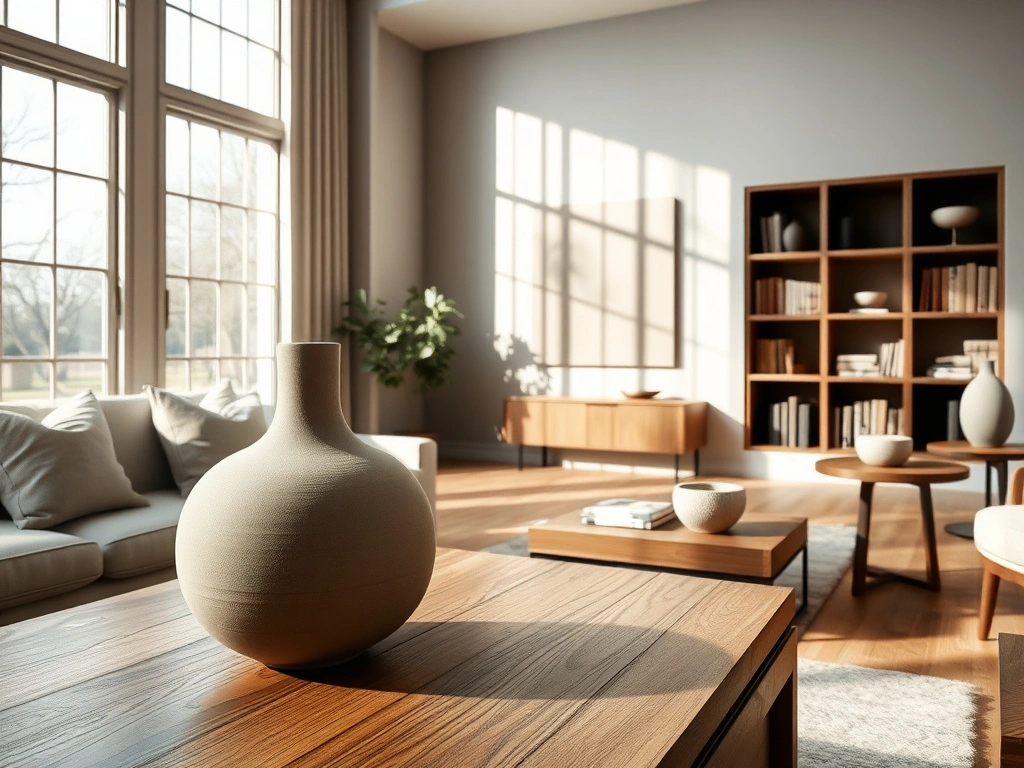
The most common mistake homeowners make when collecting pottery is buying pieces that don’t ‘speak’ to one another. To create a cohesive look that feels like a professional interior design project, you must establish a common thread of materiality. This doesn’t mean every piece needs to be identical, but they should share a tactile language. For instance, if you love the look of stone-fired clay, build your collection around that specific finish, even if you incorporate different shapes and scales.
Consistency in materiality allows you to mix and match with confidence. When you have a collection of clay pieces that all feature a similar matte, sandy, or earthy finish, they will naturally look like a set, even if they were sourced from different artisans or time periods. This creates a sense of intentionality and calm. I suggest choosing a ‘base’ color—like warm oatmeal, slate gray, or deep terracotta—and then layering in varying depths of that color to add interest.
When displaying these collections, try to spread them across a room rather than grouping them all in one spot. A piece on your coffee table, another on your bookshelf, and a third on your nightstand will tie the entire space together, creating a visual rhythm that makes the home feel unified. If you find your collection is becoming too eclectic, edit it down by removing pieces that have a finish or texture that deviates too far from your established theme. By focusing on consistent materiality, you transform a random assortment of pots into a deliberate, museum-quality collection that anchors your home’s aesthetic with grounded, earthy elegance.
Frequently Asked Questions
How can I tell if a piece of clay pottery is decorative or functional?
Most decorative clay pieces are labeled as ‘not food safe,’ especially if they are unglazed or feature experimental surface treatments that can trap bacteria. If you are unsure, look at the interior of the vessel. Functional pottery typically has a smooth, non-porous glaze that is easy to clean. If the inside feels gritty or porous, treat it as a decorative object meant for dried botanicals or sculptural display rather than serving food or holding water for fresh arrangements.
What is the best way to clean raw, unglazed clay pottery without damaging it?
Raw clay is porous, so it is best to avoid submerging it in water or using harsh detergents. For everyday dust, a soft, dry microfiber cloth or a clean, soft-bristled paintbrush works wonders to clear crevices without scratching the surface. If you accidentally get a stain on an unglazed piece, try a gentle ‘dry’ cleaning method using a white art eraser, which can lift surface marks without the need for moisture. Always handle raw pieces with clean, dry hands to prevent oils from your skin from soaking into the clay.
How do I prevent my clay pots from scratching my wooden furniture?
Protecting your surfaces is essential when styling heavy ceramic decor. The simplest solution is to apply small, adhesive felt pads to the base of each vessel. If you want a more integrated look, you can cut a thin piece of cork or leather to match the footprint of the pot. This not only prevents scratches but also adds a bit of grip, ensuring your statement pieces stay firmly in place on slick surfaces like glass console tables or polished hardwood shelves.
Can I mix different styles of clay pottery in the same room?
Absolutely. Mixing styles is actually the secret to a curated, collected home. To keep the look cohesive rather than cluttered, try to find a common thread that ties the pieces together. This could be a consistent color palette, such as varying shades of cream and stone, or a shared material finish, like keeping all your pieces within a matte texture family. By balancing different heights and shapes while maintaining one or two common design elements, you create a visual narrative that feels intentional.
What should I put in a large floor vessel to make it look professional?
Oversized floor vessels are architectural statements on their own, so they rarely need to be ‘filled’ to capacity. For a high-end look, opt for minimalist styling: a single, tall dried branch, a bundle of sculptural pampas grass, or even a bundle of willow sticks. The goal is to accentuate the shape of the vessel rather than hide it. If the pot is very deep, place a weighted brick or bag of sand at the bottom to ensure stability before adding your botanical elements.
Conclusion
Incorporating unique clay pottery into your home is more than a simple decorating choice; it is an investment in the character and warmth of your living space. By focusing on texture, scale, and the intentional placement of your pieces, you can easily bridge the gap between modern minimalism and artisanal charm. Remember that the beauty of clay lies in its natural imperfections and the tactile history each piece brings into your sanctuary.
We encourage you to start small—perhaps by refreshing a single shelf or creating a focal point with a pair of contrasting vessels. Do not feel pressured to curate the perfect collection overnight; allow your pottery display to evolve as you find pieces that resonate with your personal style. With these strategies in hand, you now have the confidence to transform your home into a curated, soulful environment that truly reflects who you are.