
The bohemian aesthetic has long been synonymous with vibrant patterns and eclectic maximalism, but for 2026, the look is evolving into something far more intentional. If your current space feels more chaotic than curated, you are not alone. Many homeowners struggle to balance the warmth of global influences with the clean lines of modern living, often resulting in a room that feels cluttered rather than cozy.
True sophistication lies in the edit. Moving away from the trend-driven, fast-fashion approach of the past, the modern approach to boho living room ideas prioritizes organic textures, earth-toned palettes, and sustainable, high-quality pieces that tell a story. It is about creating a sanctuary that feels grounded, breathable, and deeply personal.
In the following guide, we will break down the framework for achieving this refined look. From mastering the art of layering natural materials to selecting a cohesive color story that anchors your home, these actionable insights will help you transition your space into a timeless, intentional retreat.
Defining the 2026 Modern Boho Aesthetic
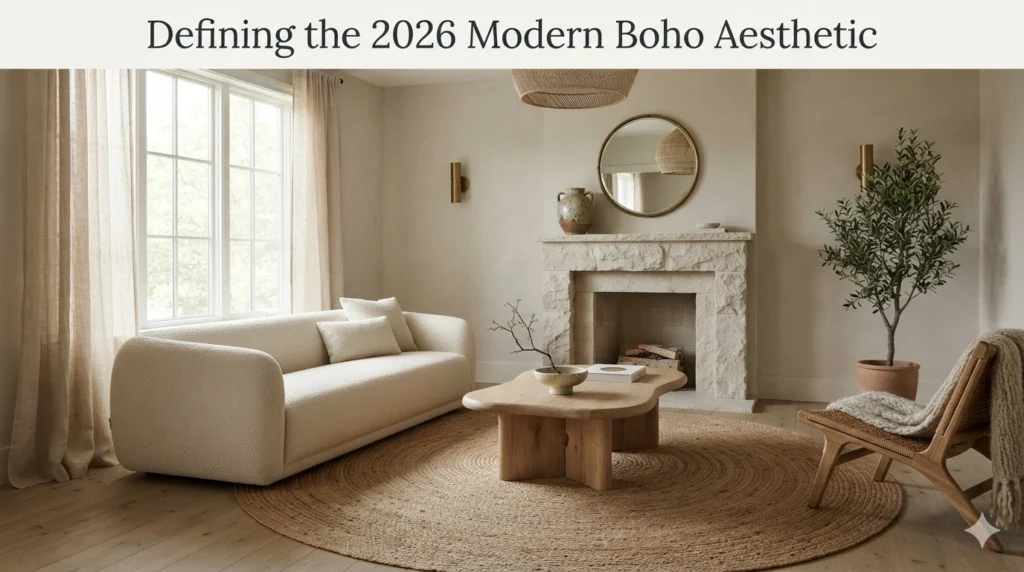
The modern bohemian aesthetic for 2026 is moving away from the chaotic maximalism of the past decade. Instead, it favors a refined, intentional approach that celebrates heritage, craftsmanship, and a slower way of living. Think of it as a dialogue between global influences and contemporary minimalism, where every object has a narrative rather than just filling a corner.
This aesthetic thrives in spaces that prioritize organic silhouettes and high-quality materials. By limiting the number of decorative items, you allow the beauty of raw wood, hand-woven textiles, and artisan ceramics to take center stage. The goal is a room that feels deeply personal and soulful, yet polished enough to feel current.
When styling, focus on pieces that bridge the gap between vintage charm and clean-lined architecture. A mid-century modern sofa paired with an antique Moroccan pouf creates that perfect tension. To keep the look cohesive, stick to a muted, tonal color story that allows the textures to provide the visual interest. Avoid the temptation to display every souvenir you have collected; instead, curate your collection to highlight only the most meaningful pieces. This disciplined approach prevents the room from feeling cluttered and ensures the space remains a sanctuary for relaxation.
Selecting Earth-Toned Color Palettes
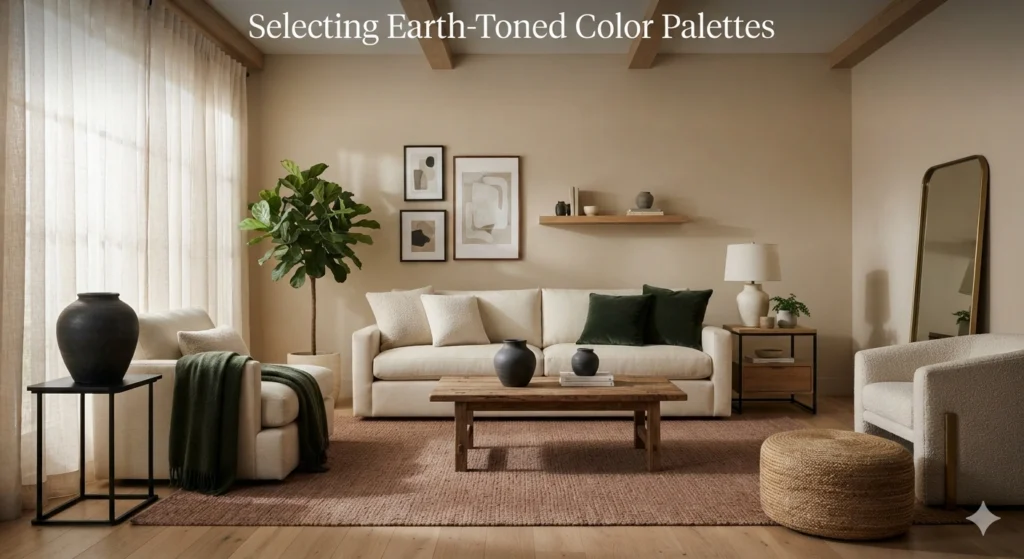
A successful boho living room hinges on a sophisticated earth-toned palette. Moving beyond the neon pops of color often associated with traditional boho, the 2026 look embraces the grounding influence of the natural world. Think deep terracotta, warm ochre, muted olive, and creamy limestone hues. These colors create an immediate sense of warmth and tranquility that invites you to linger.
To keep the palette feeling fresh, utilize a 60-30-10 rule. Let a neutral shade like warm white or soft sand cover 60% of the room, such as on the walls and large furniture pieces. Use a secondary earth tone, like a dusty clay, for 30% of the space through rugs or curtains. Finally, reserve the remaining 10% for rich, saturated accents like charcoal or deep forest green to add depth and contrast.
Lighting plays a crucial role in how these colors are perceived. Warm, dimmable LED bulbs are essential for bringing out the richness of earth tones as the sun goes down. Avoid harsh cool-toned lighting, which can make natural fabrics look flat or clinical. When selecting paint or fabric, always test samples in both morning and evening light to ensure the undertones remain cohesive throughout the day. By grounding your design in nature-inspired hues, you create a timeless backdrop that easily accommodates seasonal decor changes without feeling outdated.
Mastering the Art of Textural Layering
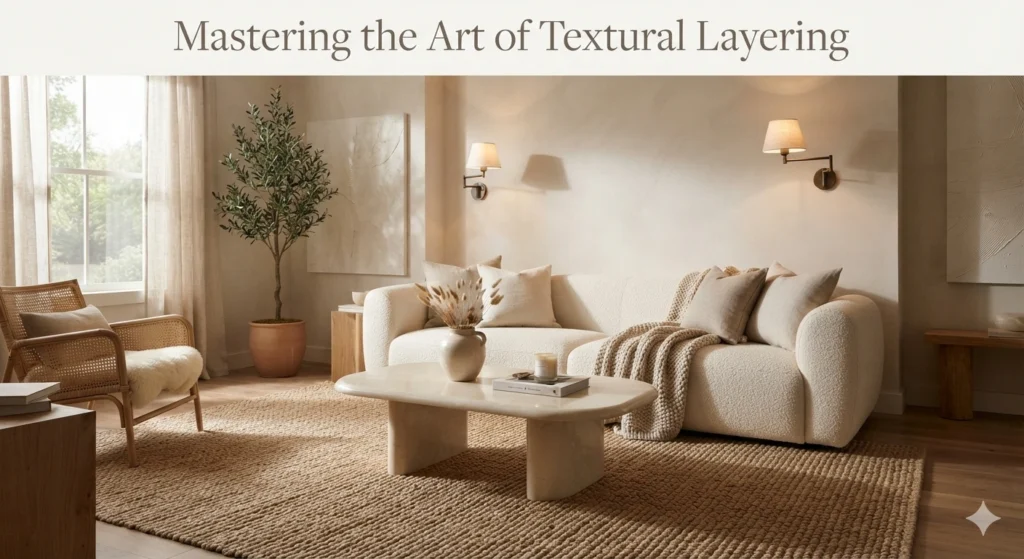
In a modern boho space, texture is the primary tool for creating depth. Because we are stripping back the clutter, the materials themselves must work harder to provide visual interest. By layering materials like jute, bouclé, raw linen, and reclaimed wood, you create a tactile experience that makes a room feel lived-in and luxurious.
Start with a foundation of natural fibers, such as a thick-weave wool or jute rug, which provides a grounding, earthy base. Introduce softer, more delicate fabrics like raw silk or washed linen through throw blankets and pillows to soften the hard edges of your furniture. The contrast between a rough, hand-knotted textile and a smooth, polished stone coffee table is exactly what gives a space its designer edge.
Avoid the common mistake of mixing too many competing patterns. Instead, focus on monochromatic layering where the interest comes from the weave and the weight of the fabric rather than a busy print. For instance, a cream-on-cream geometric embroidery on a linen pillow adds dimension without disrupting the room’s serene vibe. Lighting should be used to highlight these textures; directional wall sconces or a floor lamp with a textured shade can cast shadows that emphasize the intricate details of your chosen materials, adding a layer of drama to your cozy, curated haven.
Incorporating Biophilic Design Elements
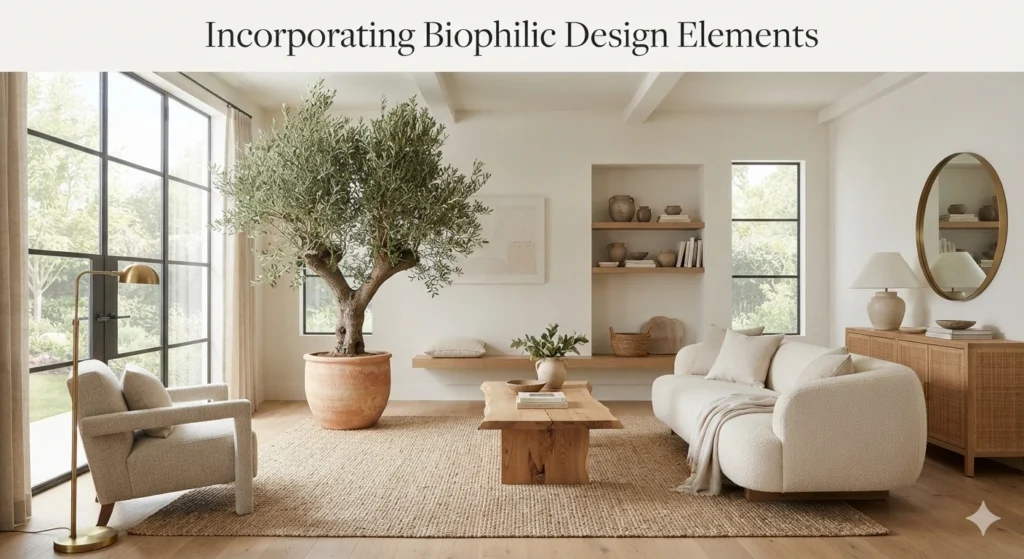
Biophilic design is the heartbeat of the modern boho home. Bringing the outdoors in is not just about placing a few plants in the corner; it is about creating a connection to nature that improves your well-being. To master this in 2026, focus on sculptural greenery that acts as living art rather than a sea of small, scattered pots.
A large, architectural plant like a Fiddle Leaf Fig or a mature Olive tree serves as a natural focal point, adding height and movement to the room. Choose planters made from organic materials like terracotta, stone, or woven seagrass to continue the earth-toned theme. If your space lacks natural light, consider high-quality preserved moss art or dried botanicals, which offer the same organic beauty without the maintenance.
Strategic placement is key to avoiding a cluttered ‘jungle’ look. Group plants in odd numbers and at varying heights to create visual balance. Ensure your lighting supports the health of your plants; a well-placed floor lamp can double as a grow light for your greenery in darker corners. By integrating these living elements, you soften the hard lines of modern architecture and infuse the room with a sense of vitality. This approach ensures your boho living room feels fresh, oxygenated, and deeply connected to the natural world, which is the hallmark of a truly restorative home environment.
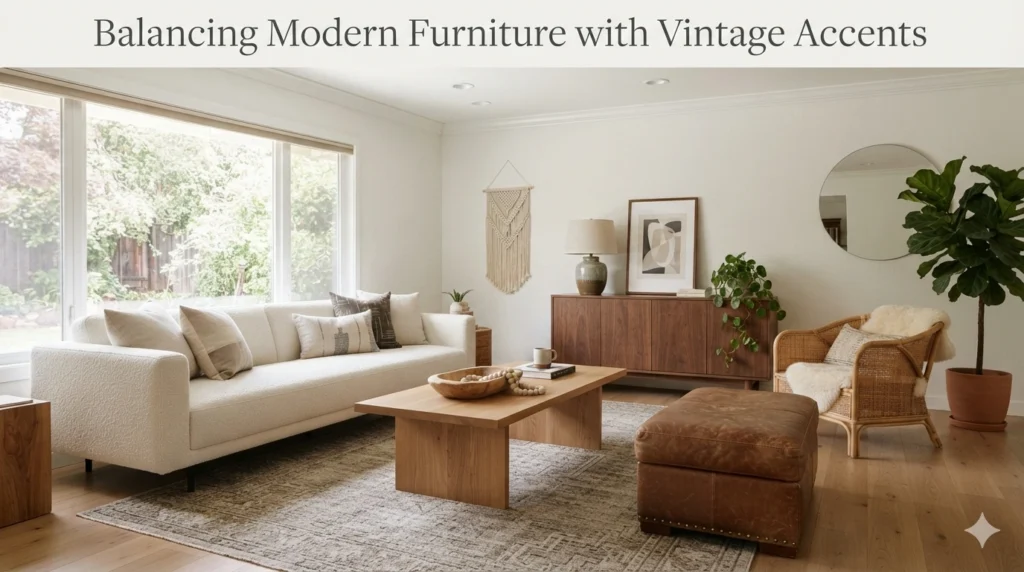
Balancing Modern Furniture with Vintage Accents
The secret to a 2026 curated boho space is the tension between sleek, modern silhouettes and the soul of vintage finds. If you fill a room exclusively with new items, it feels like a catalogue; if you use only vintage, it feels like a thrift store. The magic happens when you blend the two to create a narrative-driven environment.
Start with a modern, high-quality foundation piece, such as a streamlined sofa with clean lines or a minimalist coffee table. These pieces provide a sense of order and structure. Then, introduce your vintage accents—a hand-carved wooden bowl, a mid-century ceramic lamp, or a weathered leather ottoman—to inject character and warmth. These pieces act as the ‘jewelry’ of the room, providing the patina and history that modern manufacturing cannot replicate.
When mixing these styles, ensure they share a common element, such as scale or color tone. A vintage brass light fixture can complement a modern metal side table if they share similar metallic finishes. Avoid the mistake of overcrowding; allow your vintage pieces to stand alone as focal points. If you have an ornate antique cabinet, keep the surrounding furniture simple and understated to prevent visual fatigue. By balancing the precision of the present with the story of the past, you create a space that feels timeless, intentional, and uniquely yours, perfectly capturing the spirit of the modern bohemian lifestyle.
The Importance of Negative Space in Boho Design
In the evolution of the boho aesthetic, negative space has become the ultimate luxury. Often, we feel the urge to fill every shelf and every corner, but true sophistication lies in what you choose to leave empty. Negative space—the ‘breathing room’ around your furniture and decor—is what elevates a space from cluttered to curated.
By intentionally leaving areas of the room sparse, you allow the eye to rest and emphasize the beauty of the objects you have chosen to display. For instance, a beautifully crafted armchair placed against a blank, textured wall becomes a piece of sculpture. This discipline creates a sense of calm and order that is essential for a modern home, preventing the bohemian style from feeling overwhelming or chaotic.
When styling, evaluate your room and identify areas where you can remove items rather than add them. Could you clear the top of the console table? Could you remove the excess throw pillows to highlight the sofa’s shape? Lighting can further enhance this sense of space; use accent lighting to highlight specific zones, leaving corners in soft shadow to create depth. This play of light and void adds a layer of mystery and elegance to the room. Remember, a curated home is not about having everything; it is about having the right things, arranged with enough space to let their individual beauty shine through.
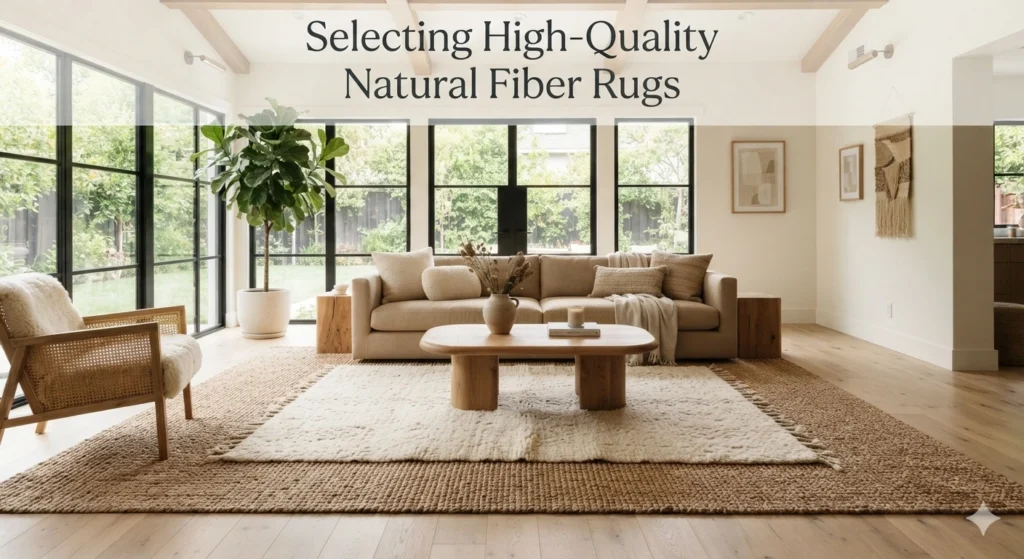
Selecting High-Quality Natural Fiber Rugs
The rug is the anchor of any boho living room, and in 2026, we are prioritizing quality and sustainability over fast-fashion trends. A natural fiber rug—whether it is hand-spun wool, organic cotton, jute, or sisal—provides the texture and organic warmth that defines the bohemian look. These materials are not only durable but also age beautifully, developing a patina that adds to the room’s character.
When selecting a rug, consider the weave and the pile. A low-pile, tight-weave jute rug is excellent for high-traffic areas and provides a neutral, earthy base. If you prefer more softness, consider layering a smaller, plush vintage rug over a larger natural fiber base. This layering technique adds depth and creates a cozy, multi-dimensional floorscape that feels inherently luxurious.
Avoid synthetic materials which can look flat and lack the warmth of natural fibers. Also, pay attention to the scale; the rug should be large enough to accommodate the front legs of your sofa and chairs, tying the furniture grouping together into a cohesive island. Lighting should be considered here as well—a rug with a subtle, natural variation in color will look magnificent under warm, ambient lighting. By investing in a high-quality natural rug, you establish a grounded, elegant foundation that anchors your boho aesthetic and stands the test of time, proving that style and substance can go hand-in-hand.
Styling Open Shelving for a Curated Look
Open shelving is a hallmark of the boho home, but it is often where the look goes from ‘curated’ to ‘cluttered.’ To achieve a modern, refined aesthetic, approach your shelves as a gallery display. The secret is to limit your color palette and prioritize objects that have a cohesive aesthetic, such as matte ceramics, hand-turned wood, and a few carefully selected books.
Start by removing everything from the shelves and cleaning the surfaces. Begin by placing your largest items first—a significant ceramic vase or a stack of art books—to establish a sense of weight. Then, fill the gaps with smaller, more delicate pieces, ensuring you leave at least 30% of the shelf space empty. This negative space is what allows the eye to appreciate each object individually rather than seeing a jumble of items.
Use lighting to highlight your display. If your shelves are built-in, consider adding recessed LED strips to create a soft, warm glow that emphasizes the textures of your ceramics and wood pieces. Avoid the mistake of overcrowding; if an object doesn’t add to the narrative or bring you joy, remove it. Incorporating a small, trailing plant can add a touch of life, but keep it minimal to maintain the clean, sophisticated vibe. By treating your open shelves as a rotating exhibit rather than a storage unit, you ensure that your living room remains a place of inspiration and beauty, reflecting your personal style with grace and intentionality.
Creating a Statement Gallery Wall with Artisan Pieces
The modern bohemian gallery wall is less about filling every inch of wall space and more about curating a narrative. Move away from mass-produced prints and instead source artisan-made textiles, hand-thrown ceramic wall plates, or vintage wood carvings. The goal is to bring soul and history into your living room, creating a focal point that feels deeply personal.
To keep the look sophisticated, focus on a cohesive color palette—think terracotta, ochre, and deep cream—rather than a rainbow of competing hues. Use frames with varying depths, such as shadow boxes for textiles or sleek, thin-profile wood frames for sketches, to add dimension. If you have high ceilings, take the arrangement vertically to draw the eye upward, but always leave enough negative space between pieces to let the wall breathe.
A common mistake is hanging pieces too high or scattering them without a central anchor. Treat your collection as a single, unified entity by establishing a balanced center point at eye level. When lighting your gallery, avoid harsh spotlights; instead, opt for warm-toned, dimmable wall sconces that cast a soft glow across the textures, highlighting the organic imperfections of your artisan finds. This approach transforms your wall from a simple display into a curated gallery that celebrates craftsmanship over clutter.
Layering Warm-Toned Lighting and Lanterns
Lighting is the heartbeat of a bohemian space. In 2026, we are moving away from bright, overhead illumination in favor of layered, warm-toned sources that create an intimate, sanctuary-like atmosphere. By mixing floor lamps, table lamps, and architectural lanterns, you can control the mood of the room throughout the day.
Incorporate lanterns made from natural materials like woven bamboo, aged brass, or translucent capiz shell to diffuse light beautifully. Place them at varying heights—some on the floor tucked into a corner, others perched on a side table—to create depth. The key is to use warm-spectrum bulbs (2700K or lower) to ensure the light feels golden rather than clinical. This layering technique masks the imperfections of a room and emphasizes the rich, tactile qualities of your furniture.
Avoid the trap of relying on a single light source, which often leaves corners dark and the center of the room feeling exposed. Instead, use a combination of task lighting for reading and ambient lighting for relaxation. If you have a large living area, use dimmable smart bulbs to adjust the intensity as the evening progresses. A well-placed lantern next to a plush velvet chair not only serves as a design statement but also creates a cozy, inviting reading nook that feels both intentional and effortlessly chic.
Utilizing Rattan and Wicker for Organic Warmth
Rattan and wicker are essential building blocks for the refined bohemian aesthetic, offering a sense of organic movement that balances out rigid modern lines. When used thoughtfully, these materials provide texture without adding visual weight, making them perfect for smaller living rooms or spaces that need a breath of fresh air. Instead of filling the room with wicker, choose one or two standout pieces—like a sculptural rattan armchair or a series of woven pendant lights—to act as the room’s texture anchor.
To modernize the look, pair natural rattan with clean, low-profile furniture in neutral tones. For instance, a vintage rattan peacock chair looks stunning when placed next to a streamlined, cream-colored performance fabric sofa. This juxtaposition prevents the ‘jungle’ look of the past and creates a high-low contrast that feels curated and intentional. Consider mixing different weaves and shades of wicker to create a layered effect that feels collected over time rather than purchased from a catalog.
Maintenance is key to keeping these materials looking premium. Dust them regularly with a soft brush to prevent grime buildup, which can make natural fibers look tired. If you find your rattan pieces are looking a bit too yellow, consider a light oil treatment or choosing pieces with a matte, natural finish. Remember, the goal is to introduce warmth and breathability into your space, so allow these pieces to stand out as sculptural elements rather than grouping them together in a way that feels chaotic or repetitive.
Choosing Sustainable and Eco-Friendly Decor
The ‘Curated Bohemian’ lifestyle is deeply rooted in mindfulness, making sustainable and eco-friendly choices not just an ethical preference, but a design necessity. In 2026, luxury is defined by the provenance of your pieces. Look for furniture and decor crafted from reclaimed woods, organic cottons, hemp, and jute. These materials bring an inherent, earthy beauty to a space while ensuring your home aligns with a conscious, modern lifestyle.
Focus on ‘slow decor’—sourcing vintage rugs, antique side tables, or artisan-made ceramics that have a smaller carbon footprint. When you invest in a piece with a story, you naturally avoid the urge to clutter your home with disposable, trend-driven items. Sustainable decor often features natural imperfections—a knot in the wood or a slight variation in the weave of a rug—which adds character and soul to a room that mass-produced plastic simply cannot replicate.
To integrate these pieces successfully, anchor the room with one or two larger sustainable items, such as a salvaged wood coffee table or a hand-knotted wool rug. Use eco-friendly textiles in neutral shades to unify the space, allowing the unique textures of the materials to take center stage. Avoid the mistake of over-decorating with small, meaningless trinkets. Instead, curate your space with fewer, higher-quality items that are both beautiful and kind to the planet. This approach not only cleans up the visual noise but also creates a home that feels grounded, authentic, and timeless.
Designing Boho Living Rooms for Small Apartments
Designing a bohemian space in a small apartment requires a disciplined approach to the ‘more is more’ philosophy. Instead of filling every corner with plants and trinkets, focus on verticality and multi-functional furniture. A small boho room can still feel lush and vibrant if you keep the floor clear and allow the walls to do the heavy lifting.
Use floating shelves to display your favorite ceramics and plants, keeping your surface areas free for essential items. A low-profile, modular sofa in a light, neutral fabric will make the room feel larger while providing a clean backdrop for patterned throw pillows. To maintain that signature bohemian vibe without the clutter, stick to a monochromatic base palette—creams, soft tans, and whites—and introduce color through textiles that can be easily swapped out with the seasons.
Lighting plays a crucial role in small spaces. Avoid large, bulky floor lamps that take up precious square footage; instead, opt for wall-mounted sconces or plug-in pendant lights that hang over side tables. Mirrors are another essential tool; place a large, arched mirror with a brass or rattan frame to bounce light around the room and create the illusion of more space. The biggest mistake in small boho design is over-layering. You don’t need five rugs to create a cozy feel; one high-quality, textured rug in a natural fiber like jute is enough to anchor the room. By focusing on intentional, high-impact pieces, you can achieve a bohemian aesthetic that feels expansive and airy rather than cramped.
Mixing Patterns Without Visual Clutter
The secret to mastering boho maximalism without it becoming chaotic lies in the balance of scale and color. When mixing patterns, choose a ‘master’ pattern—usually a large-scale print on a rug or a statement chair—and then layer in smaller, secondary patterns that share at least one common color. This creates a rhythmic visual flow rather than a visual clash.
Think of your patterns in terms of texture: a geometric mudcloth pillow, a subtle striped linen throw, and a botanical-inspired rug can exist in the same space if they are unified by a consistent palette. Keep the background of your room neutral—think warm whites or soft sands—to provide the necessary ‘rest’ for the eye between these patterns. If you find the room starting to feel busy, introduce a solid-colored piece, like a velvet ottoman or a plain leather pouf, to break up the complexity.
One common mistake is using too many patterns of the same scale. If everything is medium-sized, the room will look disjointed. Always vary your scales: pair a bold, oversized print with a tight, subtle weave. Additionally, consider the ‘rule of three’ when layering patterns to ensure the room feels balanced. By keeping the color story tight and the scales varied, you can embrace the eclectic, worldly spirit of bohemian design while maintaining the clean, sophisticated edge of a modern home. It is all about curating a collection that feels like a conversation between pieces rather than a shouting match.
The Role of Raw Linen in Modern Bohemian Spaces
Raw linen is the unsung hero of the modern bohemian aesthetic. Unlike synthetic fabrics that look stiff and uninviting, high-quality linen has a natural ‘slub’ and a relaxed drape that instantly softens the lines of a room. It brings an element of effortless luxury that works perfectly in a space designed for comfort and soul. Whether it’s floor-to-ceiling drapery that pools slightly on the floor or slipcovers on a deep-seated sofa, linen adds a tactile quality that invites you to linger.
In a boho space, linen acts as a neutral canvas. Its inherent texture provides enough visual interest that you don’t need to rely on heavy patterns to make the room feel ‘finished.’ When choosing linen, opt for earth-toned hues like oatmeal, sage, or terracotta. These colors feel grounded and organic, especially when paired with natural wood furniture or brass accents. The beauty of linen is that it looks better with age; the slight wrinkles and softening of the fabric over time only add to the ‘lived-in’ charm that characterizes a well-designed boho home.
Avoid the mistake of pressing your linens to perfection. The allure of this material is its slight imperfection; a crisp, ironed look feels too formal and contradicts the bohemian ethos. Instead, embrace the relaxed, rumpled aesthetic. If you’re using linen curtains, ensure they are hung high and wide to maximize light and frame the window as a piece of art. Layering linen with heavier textures like wool or leather creates a sophisticated contrast that keeps your bohemian living room feeling modern and elevated rather than dated.
Styling Large-Scale Houseplants as Focal Points
In the 2026 bohemian home, the ‘jungle’ look is replaced by a more intentional, curated approach to greenery. Instead of dozens of small, scattered pots, select one or two large-scale houseplants to serve as sculptural focal points. A towering Fiddle Leaf Fig, a dramatic Bird of Paradise, or a winding Monstera can act as living architecture, adding height and life to a room in a way that furniture alone cannot.
Placement is everything when styling these statement plants. Treat them like a piece of fine art: give them space to stand alone, perhaps in a corner with a dedicated spotlight or near a large window where the leaves can catch the light. The container is just as important as the plant itself. Use oversized, hand-crafted ceramic planters or woven baskets with a structured shape to ground the plant and tie it into your room’s overall design theme. Avoid plastic nursery pots at all costs, as they detract from the elevated aesthetic you are aiming for.
One common mistake is overcrowding the plant’s area with other small decor items, which creates visual clutter and masks the beauty of the plant’s form. Let your statement plant breathe by keeping the surrounding area relatively clear. If you have a room with low light, don’t force a sun-loving plant to thrive there; opt for a large, sculptural snake plant or a tall, elegant cast-iron plant that can handle dimmer conditions. By focusing on quality over quantity, you create a sophisticated, botanical-inspired space that feels lush, modern, and deeply connected to nature.
Selecting Statement Seating for a Cozy Atmosphere
In a refined boho space, seating should feel like an invitation rather than an afterthought. Instead of opting for uniform sets, I recommend sourcing a hero piece—perhaps a deep-seated, low-profile sofa upholstered in a high-performance linen or a nubby bouclé. This creates a grounded, modern foundation that balances the playfulness of bohemian style.
Place your primary sofa facing a focal point, like a fireplace or an oversized window, and anchor it with a pair of sculptural armchairs in rattan or leather. The key to maintaining a ‘curated’ feel is to ensure the frames have clean lines, even if the cushions are plush and relaxed. This prevents the room from feeling like a dorm room and elevates it to a sophisticated lounge.
Avoid the mistake of oversizing your furniture for the room. Scale is everything; if the sofa dominates the floor plan, the room loses its airy, nomadic spirit. For materials, think natural woods like white oak or walnut paired with soft, tactile upholstery. Lighting should be focused and warm—a floor lamp with a linen shade placed beside your statement chair creates a perfect reading nook that feels both intentional and incredibly cozy.
Avoiding the Over-Accessorizing Trap
The hallmark of 2026 bohemian design is intentional restraint. We are moving away from the ‘more is more’ mentality of the past and embracing a philosophy where every object has a narrative. To avoid the cluttered look, group your accessories into small, meaningful vignettes rather than scattering them across every surface.
A common mistake is filling every shelf and tabletop with trinkets. Instead, select three to five items of varying heights and textures for a coffee table, and leave the rest of the surface clear. This allows the eye to rest and makes the pieces you have chosen stand out as art. Focus on quality over quantity—a single, hand-thrown ceramic vase is infinitely more impactful than five mass-produced decor items.
When styling, use the ‘negative space’ rule: for every object you place, ensure there is an equal amount of empty space around it. This creates a sense of luxury and calm. Stick to a cohesive material story, such as mixing aged brass with matte stoneware or raw wood. Lighting should be used to highlight these vignettes; a soft, directional spotlight or a warm table lamp can turn a simple collection of books and ceramics into a gallery-worthy display.
Incorporating Hand-Woven Textiles and Throws
Textiles are the soul of the bohemian home, providing the softness that transforms a room from a cold box into a sanctuary. To keep the look modern, steer clear of neon patterns and instead embrace tonal, hand-woven textiles that celebrate craftsmanship. Think chunky wool throws, vintage-inspired kilim pillows, and heavy cotton linens.
The secret is layering textures rather than prints. Drape a heavy, hand-loomed throw over the arm of a sofa to add visual weight, and layer pillows in varying weaves—like mudcloth paired with velvet or raw linen. This creates a tactile landscape that feels rich and lived-in without being chaotic. Avoid mixing too many competing patterns; instead, stick to a palette of subtle, earthy variations of the same hue.
These textiles work best in areas where you want to encourage relaxation, such as the sofa or a daybed. Consider the weight of the fabric; a heavy, textured throw draped over a sleek chair creates a beautiful juxtaposition between modern design and organic comfort. Ensure your lighting is soft and diffused, perhaps through a pendant with a paper or woven shade, to highlight the intricate details of the weaves without harsh shadows.
Using Earthy Terracotta and Moss Green Accents
Color is the most effective way to ground a bohemian living room, and for 2026, we are leaning into the deep, organic tones of the earth. Terracotta and moss green are a timeless pairing that instantly brings a sense of serenity and nature indoors. These colors work best when applied through soft furnishings, wall art, or even a statement rug.
To keep the space feeling modern, use these bold colors as accents against a neutral base of warm white or greige. For instance, a moss green velvet ottoman or a terracotta-toned ceramic lamp can serve as a sophisticated pop of color that feels grounded rather than trendy. Avoid painting entire rooms in these saturated hues unless you have exceptional natural light; instead, use them to draw the eye toward architectural features.
When styling, think about the finish of the materials. A matte, chalky terracotta finish on a vase looks more expensive and intentional than a high-gloss version. Similarly, moss green works beautifully in velvet or linen upholstery, which absorbs light and adds depth to the room. Use warm-toned lighting, such as bulbs with a lower Kelvin rating, to ensure these earthy colors remain inviting and cozy in the evening hours.
Curating Vintage Finds for an Authentic Feel
A truly curated bohemian home needs a history, and vintage pieces are the easiest way to inject that ‘found’ quality into your space. Whether it’s a mid-century side table, a weathered wooden stool, or a vintage rug, these items provide a sense of timelessness that new furniture often lacks. The goal is to blend these aged treasures with modern, streamlined pieces to create a balanced, eclectic look.
Start by hunting for pieces that have a story or a unique patina. A common mistake is buying vintage just for the sake of it, which can lead to a cluttered appearance. Instead, look for vintage items that serve a function, such as a low wooden bench to act as a coffee table or a vintage brass lamp that adds character to a modern desk. This creates a functional, high-design environment.
When styling, place your vintage finds in prominent spots where they can be appreciated as conversation starters. If you have a vintage rug, use it as the anchor for your seating area; its faded colors and worn texture will set the tone for the entire room. Lighting is crucial here—use a warm, vintage-style filament bulb in a modern fixture to bridge the gap between the old and the new, ensuring the room feels cohesive and thoughtfully assembled.
Optimizing Natural Light for an Airy Vibe
Bohemian interiors thrive on light, but the goal is to make it feel soft and diffused rather than harsh or clinical. If you have large windows, ditch the heavy drapery in favor of sheer, lightweight linens that filter the light and create a dreamy, ethereal quality. This allows your room to feel open and airy, which is essential for preventing the boho aesthetic from feeling heavy or claustrophobic.
To maximize the space, use mirrors strategically to bounce natural light into darker corners. A large, floor-standing mirror with a thin, organic-shaped frame can make a room feel twice as large while adding a sculptural element. Avoid cluttering the window sills; keep them clear to let the light pour in unobstructed. If you have plants, place them near the windows where they can thrive, as the greenery will catch the light and enhance that organic, indoor-outdoor connection.
When the sun goes down, you need to replicate this airy vibe with your artificial lighting. Opt for multiple low-level light sources rather than a single overhead fixture. A combination of floor lamps, table lamps, and perhaps some dimmable wall sconces will keep the room feeling warm and inviting. Avoid ‘cool’ white bulbs, which can kill the cozy bohemian atmosphere; stick to warm, amber-toned lighting to maintain that golden-hour glow throughout the day.
Implementing Neutral Base Tones for Longevity
If you want your bohemian living room to stand the test of time, start with a neutral, high-quality base. By keeping your walls, large furniture, and flooring within a palette of creams, warm whites, and soft grays, you create a blank canvas that allows you to swap out your accessories and textiles as your taste evolves. This approach ensures your space stays relevant and avoids the ‘themed’ look of fast-fashion interiors.
Use layers of texture to keep your neutral base from feeling boring. A cream-colored room can feel incredibly rich if you mix materials—think a white linen sofa on a jute rug, with a raw wood coffee table and a matte plaster lamp. This creates a monochrome look that is sophisticated, calm, and unmistakably bohemian. It also makes it much easier to incorporate bold, earthy accents like terracotta or moss green without the space feeling overwhelming.
Avoid the trap of stark, cold whites; always choose whites with warm undertones to keep the room feeling inviting. When styling, focus on the architecture of the space. If you have exposed beams or interesting textures, let them shine as part of the neutral backdrop. Lighting should be used to emphasize the depth of these textures; a wall-wash light can highlight a plaster wall or a woven rug, adding visual interest while maintaining a clean, minimalist foundation.
The Impact of Sculptural Decor and Ceramics
Sculptural elements are the secret weapon of the refined bohemian home. They add a sense of artistry and weight to a space, acting as the ‘jewelry’ of your room design. In 2026, we are looking for ceramics with organic, imperfect shapes and abstract sculptures that feel like they were hand-hewn, rather than mass-produced. These pieces provide a beautiful contrast to the soft textiles and clean-lined furniture.
When selecting ceramics, look for matte finishes, visible textures, and earthy colors. A large, oversized floor vase or a cluster of smaller, irregular vessels on a shelf can add instant character to a room. The key is to treat these pieces as art, not just decor. Place them where they can be seen from multiple angles, perhaps on a floating shelf or as a centerpiece on a long, low console table.
Avoid overcrowding your space with too many small items. One large, sculptural piece is far more effective than ten small ones. For materials, explore stoneware, terracotta, and even rough-hewn stone. When it comes to lighting, use an accent light or a small picture light to highlight the form of your sculptures, especially in the evening. This creates dramatic shadows and emphasizes the organic textures of the pieces, elevating the entire room to a gallery-like status that feels both cozy and incredibly high-end.
Creating a Cohesive Flow Throughout the Room
The secret to a refined bohemian space lies in restraint. Instead of treating your living room as a catch-all for every global treasure you have collected, focus on a ‘thread of continuity.’ This means selecting a primary base color—think warm creams, soft terracottas, or muted sage—and carrying it through your textiles, wall art, and large furniture pieces. By limiting your color palette to three or four harmonious tones, you create a visual bridge that allows eclectic items to feel intentional rather than chaotic.
To achieve this flow, consider the scale and placement of your furniture. A common mistake is placing all your heavy, textured items on one side of the room, which creates an unbalanced, lopsided energy. Instead, distribute your ‘weight’ by pairing a heavy, velvet-upholstered sofa with a lightweight rattan coffee table or a slender iron floor lamp. This push-and-pull between substantial and airy pieces keeps the eye moving gracefully across the floor plan.
Lighting also plays a critical role in tying the room together. Avoid relying solely on a single overhead source, which can feel harsh and clinical. Instead, layer your lighting with floor lamps, table lamps, and wall sconces that feature natural materials like linen shades, hand-woven wicker, or matte brass. When you illuminate different corners of the room, you highlight the textures of your rugs and throw pillows, making the space feel unified after the sun goes down.
Finally, don’t underestimate the power of negative space. A curated boho home needs ‘breathing room’ to let your favorite items shine. Resist the urge to fill every surface; instead, allow your walls and tabletops to have moments of simplicity. This quiet space is exactly what transforms a cluttered room into a sanctuary.
Frequently Asked Questions
How can I prevent my boho living room from looking messy or cluttered?
The secret to a modern boho space is intentionality, not excess. Focus on the concept of negative space—leaving parts of your walls or surfaces empty allows the eye to rest and makes your curated pieces stand out. Instead of displaying every trinket you own, select a few meaningful artisan items to feature on open shelving. By grouping decor in odd numbers and sticking to a consistent, earth-toned color palette, you create visual harmony rather than chaos, ensuring your living room feels sophisticated and breathable rather than overwhelmed by stuff.
What are the best plants for a modern boho living room?
For a modern boho vibe, focus on plants that offer architectural interest and lush, organic shapes. Large-scale plants like a Fiddle Leaf Fig, Monstera Deliciosa, or a Bird of Paradise serve as incredible living focal points that soften the clean lines of modern furniture. If you are new to plant care, a Snake Plant or ZZ plant provides that structural, green aesthetic with much lower maintenance. Always choose baskets made of woven rattan or seagrass as planters to enhance the earthy, natural texture that defines the 2026 boho aesthetic.
Can I mix modern furniture with vintage boho decor without it clashing?
Absolutely, and in fact, it is encouraged. The key is to use the modern furniture as your ‘neutral base’—think clean-lined sofas in linen or soft cotton—and then layer in the vintage pieces as your character-building accents. A mid-century modern coffee table paired with a well-worn, vintage-inspired Moroccan rug creates an immediate sense of history and warmth. When mixing eras, ensure the materials ‘talk’ to each other; for example, wood tones should share similar undertones to keep the room feeling cohesive despite the variety of styles.
What color palette works best for a modern, refined bohemian look?
Move away from the neon brights of the past and embrace a grounded, nature-inspired palette. Start with a neutral foundation of warm whites, creams, or soft sand tones for your walls and large furniture. Then, layer in rich, earthy accents like terracotta, moss green, ochre, or muted indigo. These colors mimic the natural world and provide a sense of calm. The goal is to keep the overall feeling light and airy, using the deeper colors as ‘pops’ through textiles, ceramics, and artwork rather than overwhelming the entire space.
How do I make a small apartment feel like a boho sanctuary?
In a small apartment, focus on vertical space and multifunctional decor. Use tall, open shelving to draw the eye upward, which makes the room feel larger while providing a spot for your curated ceramics and books. Choose furniture with legs that lift the piece off the floor, allowing light to flow underneath and keeping the footprint feeling light. Incorporate large mirrors with organic, wooden frames to reflect natural light, and keep your textiles consistent in tone to prevent the space from feeling chopped up or cluttered.
Conclusion
Creating a modern boho living room is a journey of refinement rather than a race to fill a space. By focusing on high-quality textures, intentional color palettes, and a balance between new furniture and vintage soul, you can transform your home into a sanctuary that feels both timeless and deeply personal. Remember that the goal is to create a breathable environment that reflects your unique narrative.
Start your transformation by choosing one or two areas to edit, such as restyling your open shelving or introducing a singular statement houseplant. As you slowly curate your space with pieces that truly resonate with you, you will find that the ‘modern boho’ look becomes less about following trends and more about crafting a home that supports your well-being. Enjoy the process of building a space that feels as grounded as it is beautiful.