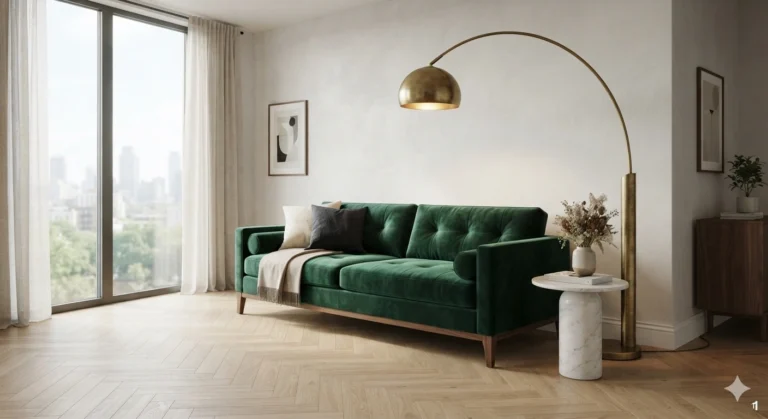
An area rug is far more than just a soft surface underfoot; it is the silent anchor that defines your entire living space. Too often, we treat rugs as an afterthought, only to find our furniture floating awkwardly or our beautiful decor feeling disjointed. Choosing the right foundation is the ultimate secret to transforming a sterile room into a warm, cohesive, and architecturally balanced sanctuary.
If you have ever struggled to balance bold patterns with your existing sofa, or felt overwhelmed trying to find a fiber that offers both luxurious comfort and everyday durability, you are not alone. Navigating the rules of furniture placement and scale can feel like a complex design puzzle. To help you cut through the confusion, we have curated a collection of inspiring modern living room rug ideas that elevate your home while standing up to the realities of daily life.
In this guide, you will discover how to select the perfect proportions, master the rules of placement, and choose materials that offer lasting beauty. Whether you are drawn to quiet, sculptural neutrals or striking graphic statements, these designer-approved strategies will give you the confidence to anchor your space. Read on to find the perfect foundation for your contemporary living room.
Oversized Wool Flatweaves to Anchor Open-Concept Seating Areas
In expansive, open-concept living rooms, defining distinct zones without physical barriers can be a design challenge. An oversized wool flatweave rug provides a sleek, low-profile foundation that effortlessly anchors a seating arrangement. Because flatweaves lack a thick pile, they allow chairs to slide smoothly and keep the transition between spaces feeling seamless and clean. Wool is the premier material choice here, offering natural stain resistance, exceptional durability, and a sophisticated matte finish that wears beautifully over time.
To style this look, select a grand scale—such as a 10×14 or larger—ensuring that all furniture legs rest comfortably on the rug. Placing only the front legs on a rug can make the layout feel fragmented, whereas a fully anchored arrangement creates a cohesive, high-end look. Complement the flatweave with low-slung, contemporary sofas and sculptural side tables.
For color palettes, look to soft oatmeal, warm charcoal, or muted taupe to keep the open space feeling airy and grounded. Position the seating group near large windows where soft, diffused natural light can highlight the tight, artisanal weave of the wool. Avoid lightweight synthetic flatweaves that bunch up easily; instead, invest in a premium wool weave backed by a high-quality felt pad to ensure the rug lies perfectly flat and feels substantial underfoot.
Ribbed Bouclé Textures for Subtle Monochromatic Depth
Monochromatic living rooms are undeniably sophisticated, yet they run the risk of feeling cold or flat without tactile variation. A ribbed bouclé rug introduces an exquisite layer of texture, using looped wool fibers to create subtle ridges that mimic architectural elements. This style works beautifully in cozy, conversational living spaces where touch and comfort are paramount. The physical depth of the bouclé loops catches the light, creating a play of shadow and highlight that makes a single hue feel incredibly rich.
Pair this deeply textured rug with smooth, contrasting materials to maximize its sensory appeal. A polished travertine coffee table, a matte leather lounge chair, and a sleek linen sofa create a beautiful tension against the nubby, ribbed wool. Stick to a refined palette of warm alabaster, soft sand, or rich ivory to maintain a serene, cohesive atmosphere.
Lighting is crucial for textured rugs; position a sculptural floor lamp nearby to cast warm, low-angle light across the floor, accentuating the ribbed pattern. A common mistake is choosing a cheap synthetic blend that quickly flattens underfoot. Opt for a high-quality wool-and-cotton blend bouclé that retains its springy loft and luxurious feel, ensuring your monochromatic design remains inviting and dynamic.
Organic Curved and Asymmetrical Silhouettes to Soften Angular Rooms
Modern architecture often features rigid lines, sharp angles, and boxy layouts. An organic, curved, or asymmetrical rug acts as a brilliant design foil, softening the hard edges of a room and introducing a sense of fluid, artistic movement. This approach works exceptionally well in compact urban apartments or rooms with prominent fireplaces and built-in shelving, breaking up the visual monotony of right angles.
To style an asymmetrical rug, embrace a more relaxed, curated furniture arrangement. Align a curved, serpentine sofa along the arc of the rug, and group rounded nesting coffee tables in the center to echo the organic flow. Look for premium hand-tufted wool or silk-blend rugs that offer a plush, dense pile to give the unique silhouette a defined, high-quality edge.
Embrace sophisticated earth tones like soft sage, warm terracotta, or pale ochre to enhance the organic feel. Natural light filtering through sheer drapes will highlight the graceful, non-traditional borders of the rug. Avoid the mistake of trying to align a curved rug with the walls; instead, let it float confidently in the center of the space, allowing its unique shape to dictate the natural flow of traffic through the room.
High-Low Pile Heights for Tactile Underfoot Contrast
For those who prefer solid-colored rugs but still crave visual interest, high-low pile rugs offer a masterclass in subtle sophistication. By carving geometric or abstract patterns into varying heights of wool, these rugs create design depth through shadow rather than color. This style works best in primary living spaces where family members gather, offering both a striking visual statement and a delightful tactile experience underfoot.
Style a high-low pile rug with clean-lined, mid-century modern or contemporary Italian furniture. The simplicity of a low-slung, structured sofa allows the carved patterns on the floor to take center stage. Look for rugs crafted from New Zealand wool, where the plush cut-pile sections feel incredibly soft, while the lower loop-pile sections provide a durable, grounding structure.
Keep the color palette sophisticated and restrained, utilizing monochromatic tones like slate grey, warm taupe, or soft ivory. Overhead architectural spotlights or recessed lighting will beautifully illuminate the physical highs and lows of the carved design. Avoid placing this style in heavy thoroughfares where dirt can settle into the lower crevices; instead, keep it centered within the main seating arrangement for an elevated, clean look.
Architectural Color-Blocking with Clean Geometric Lines
If you want to make a bold architectural statement, color-blocked rugs with clean geometric lines offer a sophisticated, graphic point of view. This style acts as a powerful anchor in formal living rooms or open-concept lofts, defining the seating area with artistic precision. The clean divisions of color draw the eye downward, transforming the floor into a structured canvas that coordinates the room’s entire color story.
When styling a color-blocked rug, balance is essential. Select furniture with minimalist silhouettes and solid upholstery to avoid competing with the bold geometric patterns on the floor. Choose a high-quality wool-and-silk blend rug; the silk accents will catch the light, giving the color blocks a subtle sheen and razor-sharp definition.
Create a sophisticated color story by choosing a rug that blends deep, grounding tones like forest green and navy with warm accents of rust, mustard, or cream. Pull one or two accent colors from the rug to use on throw pillows or a single ceramic vase. Avoid clashing with heavily patterned wallpapers or busy drapery. Keep the surrounding walls clean and neutral to let the architectural lines of the rug command the space.
Earthy Jute and Sisal Weaves for Contemporary Warmth
Natural fiber rugs, such as jute and sisal, are unmatched in their ability to bring organic warmth and casual elegance to a contemporary living room. These earthy weaves soften the coldness of concrete, tile, or dark hardwood floors, making a modern space feel instantly grounded and inviting. They work exceptionally well in sunlit, airy living rooms that embrace a coastal, biophilic, or warm modern aesthetic.
For an elevated, designer look, choose a premium, chunky-knit jute or a tight bouclé-weave sisal. To add a layer of plush comfort, use the natural fiber rug as a generous border, layering a smaller, soft vintage wool rug directly on top. This layering technique provides the perfect balance of organic texture and cozy underfoot comfort.
Pair the golden-tan tones of jute with crisp white linen slipcovered sofas, warm oak accents, and plenty of green foliage. Dappled afternoon sunlight filtering through the windows will beautifully highlight the rich, natural variations in the woven fibers. Avoid using raw jute in high-moisture areas or spaces prone to spills, as natural fibers can stain easily. Opt for a rug with a tailored, mitered cotton or leather border to give the organic material a refined, high-end finish.
Muted Distressed Vintage Rugs in Minimalist Settings
There is a beautiful design tension that occurs when you place a muted, distressed vintage rug within a stark, minimalist setting. The rich history, intricate patterns, and soft patina of an authentic vintage piece inject soul and character into clean-lined spaces, preventing them from feeling sterile or overly curated. This juxtaposition works beautifully in modern apartments, historic renovations, or industrial lofts.
When styling this look, search for authentic, hand-knotted wool rugs that have been gently distressed or sun-faded over decades. Place the rug beneath a sleek, low-profile Italian leather sofa or a pair of iconic mid-century modern lounge chairs. The contrast between the historic, faded textile and the sharp, contemporary furniture lines creates an incredibly sophisticated, lived-in luxury aesthetic.
Look for rugs featuring muted, washed-out tones of sage green, dusty rose, faded indigo, and warm sand. Soft, ambient lighting from plaster wall sconces or a sculptural pendant lamp will enhance the rug’s historic charm and delicate weave. Avoid synthetic vintage replicas that feature printed-on patterns; they lack the depth, texture, and authentic soul of a genuine hand-knotted wool piece.
Abstract Expressionist Patterns That Double as Floor Art
For the design-forward homeowner, an abstract expressionist rug offers an opportunity to treat the floor as a gallery canvas. Featuring watercolor-like washes, painterly strokes, and organic color gradients, these rugs draw the eye downward and establish a highly creative, sophisticated tone. This style works best in formal living areas or libraries where the rug can act as the main focal point of the room.
To style an abstract expressionist rug successfully, treat the surrounding furniture as a quiet supporting cast. Opt for sculptural, neutral-toned furniture—such as a curved white bouclé sofa and a glass-topped coffee table—to ensure the beautiful patterns on the floor remain completely visible and uninterrupted. Look for rugs made of a wool-and-bamboo-silk blend, which gives the painterly designs a luminous, light-reflective quality.
Select a rug with a refined color palette, such as soft blues, warm ambers, and charcoal, set against an ivory background. Ensure the room receives abundant natural light to showcase the delicate gradients and transitions of the colors. Avoid cluttering the rug with too many small furniture pieces or busy accent decor; keep the layout open and intentional to allow your floor art to truly shine.
9. Tonal Grid Motifs for Structured Graphic Appeal
A tonal grid motif offers a brilliant way to introduce architectural structure to a modern living room without overwhelming the senses. Unlike high-contrast geometric patterns that compete for attention, a tonal grid relies on subtle variations of a single hue or clever high-low pile heights. This understated geometry anchors the seating arrangement, bringing a sense of order and quiet sophistication to open-concept layouts. It works exceptionally well in minimalist or contemporary spaces that need a touch of visual grounding.
To style this look, select a high-quality wool-blend rug in soft stone, sand, or warm grey. The beauty of a tonal grid lies in its texture, so pair it with contrasting furniture silhouettes. A curved boucle sofa or a rounded travertine coffee table will beautifully offset the straight, clean lines of the rug. When it comes to lighting, position floor lamps to cast a low, warm glow across the floor; this highlights the dimensional carving of the grid lines.
A common mistake is choosing a grid with lines that are too thick or starkly contrasting, which can quickly make a room feel boxy or dated. Instead, opt for delicate, thin-line grids that whisper rather than scream. A designer favorite is to align the grid lines with the main architectural features of your room, such as a fireplace or large window frame, to create an effortlessly cohesive flow.
10. Silk-Blended Low-Profile Rugs for Sophisticated Lustre
For an elevated, high-end aesthetic, a silk-blended low-profile rug is the ultimate choice. Whether woven with genuine silk or premium bamboo silk, these rugs possess a unique, light-reflective quality that changes beautifully throughout the day. The low-profile pile keeps the look incredibly sleek and contemporary, making it ideal for formal living rooms, urban apartments, and spaces designed for sophisticated entertaining.
This style works best when paired with matte textures to create a compelling tactile contrast. Style your silk-blend rug alongside a matte leather lounge chair, a brushed oak media console, or structured linen drapery. The juxtaposition of the rug’s soft sheen against these flat surfaces creates a rich, layered look. Color palettes like platinum, champagne, soft sage, or icy blue work beautifully here, as they maximize the fiber’s natural luster.
Because silk fibers are delicate, avoid placing these rugs in high-spill zones or directly under heavy, sharp-legged furniture without protective cups. Additionally, direct, harsh sunlight can fade natural silk over time, so sheer window treatments are highly recommended to diffuse incoming light. For a designer-approved finish, rotate the rug 180 degrees every six months. This ensures even wear and constantly refreshes how the light catches the metallic-like sheen from different angles of the room.
11. Layering a Textured Accent Rug Over a Large Sisal Base
One of the most common decorating dilemmas is finding a rug that is large enough to fit a spacious living room without breaking the budget. The designer secret to solving this is layering. By placing a smaller, highly textured accent rug over an oversized, flat-weave sisal or jute base, you create a rich, layered foundation that feels warm, organic, and incredibly intentional. This technique works beautifully in coastal modern, organic contemporary, or rustic-refined living spaces.
The base rug should be large enough to allow all furniture legs to sit comfortably on it, establishing a generous boundary for the seating area. For the top layer, choose a plush wool rug, a vintage flat-weave, or a patterned accent piece that is roughly two-thirds the size of the base. To keep the look cohesive, stick to an earthy color palette. A natural tan sisal base paired with a cream, olive, or rust-toned accent rug creates an inviting, grounded atmosphere.
A frequent mistake is using a top rug that is too thick, which creates a dangerous tripping hazard. Ensure both rugs are secured with high-quality, low-profile rug tape. To elevate the look, leave at least 12 to 18 inches of the natural fiber base exposed around the perimeter. This frames the accent rug beautifully and showcases the rich contrast between the coarse natural fibers and the soft top layer.
12. High-Traffic Performance Fibers for Busy Modern Family Rooms
Modern living rooms are meant to be lived in, but high foot traffic, pets, and children can make maintaining a pristine rug feel like a constant battle. Enter high-traffic performance fibers. Today’s premium performance rugs are crafted from advanced materials like PET (recycled polyester) or treated polypropylene, which mimic the luxurious look and soft feel of natural wool while offering unparalleled stain resistance and durability.
These rugs are perfect for busy family rooms, open-plan great rooms, and entry-adjacent living spaces. To style a performance rug like a professional, choose a sophisticated heathered design, a subtle distressed pattern, or a tight flat-weave. Neutral color combinations such as warm taupe, charcoal, or oatmeal are exceptionally forgiving and easily disguise daily wear. Because these fibers are highly resistant to moisture and fading, they also shine in rooms with large glass doors or abundant direct sunlight.
A common mistake when buying performance rugs is skipping the rug pad. Because these synthetic fibers can be lightweight, a dense, high-quality felt pad is essential to give the rug a plush, expensive feel underfoot and keep it firmly in place. Look for solution-dyed options, which ensure that the color penetrates the entire fiber, allowing you to spot-clean stubborn spills with ease without worrying about color loss.
13. Deep Charcoal and Carbon Hues for Moody Contemporary Spaces
If you want to create a dramatic, intimate, and deeply sophisticated atmosphere, look no further than deep charcoal and carbon-hued rugs. Dark rugs act as a powerful visual anchor, absorbing light and bringing a sense of cozy refinement to contemporary living spaces. This approach works exceptionally well in dedicated media rooms, moody dens, or urban loft spaces with high ceilings where you want to bring the scale down to a more intimate level.
To prevent a dark rug from feeling flat or gloomy, texture is absolutely paramount. Opt for a cut-and-loop wool pile, a subtle charcoal tweed, or a rug with a delicate silk sheen that catches the light. Pair these deep tones with rich walnut wood, matte black steel accents, and caramel leather upholstery to create a luxurious, high-contrast palette. When it comes to lighting, layered ambient light is key. Use dimmable wall sconces and warm floor lamps to highlight the rich texture of the rug without washing it out.
A frequent misstep is pairing a dark rug with purely dark furniture and dark walls, which can make the room feel cave-like. Instead, balance the visual weight by incorporating a lighter cream or soft grey sofa. This contrast allows the charcoal rug to frame the furniture beautifully, making the entire seating arrangement pop.
14. Warm Ochre and Terracotta Accents to Ground Neutral Furniture
While neutral living rooms are timeless, they can occasionally feel flat or sterile if they lack warmth and contrast. Integrating a modern rug featuring warm ochre, rust, and terracotta accents is a sophisticated way to inject life and energy into a neutral space. These earthy, sun-baked tones feel organic and grounded, offering a colorful punch that still feels incredibly refined and easy to live with.
This style works beautifully in living rooms featuring ivory, beige, or warm grey sofas. To keep the look sophisticated, select a rug where these warm tones are blended with neutral grounds, such as cream, sand, or slate grey. Pair the rug with natural materials like travertine, light oak, and brushed brass. For textiles, bring in linen pillows in complementary olive green or mustard yellow to create a cohesive, nature-inspired palette.
Avoid the mistake of matching your accessories too perfectly to the rug, which can look forced and dated. Instead, aim for tonal variation—choose pillows and throws that are a few shades lighter or darker than the terracotta in the rug. A flat-woven wool or low-pile hand-knotted rug in these shades is highly recommended, as the matte texture of the wool perfectly complements the dry, earthy quality of the colors.
15. Scalloped Edges and Playful Borders for Soft Visual Contrast
Modern interior design often relies heavily on clean lines, sharp angles, and rectangular forms. To soften these rigid structures, designers are turning to rugs with scalloped edges and playful borders. This charming detail introduces a gentle, organic curve that breaks up the monotony of straight lines, adding visual interest, movement, and a touch of whimsy to contemporary living spaces.
Scalloped rugs work best in transitional, eclectic, or feminine modern living rooms. They are particularly effective when placed in rooms with a lot of boxy furniture, such as structured mid-century modern sofas or rectangular credenzas. Look for rugs made of flat-woven wool or natural jute with a contrasting border color—for example, a cream rug finished with a sage green, navy, or terracotta scalloped edge. This contrast defines the unique silhouette of the rug and draws the eye downward.
One common mistake to avoid is covering the beautiful scalloped edge with heavy, solid-to-the-floor furniture. To truly appreciate the design, float your seating so that the scalloped border is fully visible. A round glass or marble coffee table placed in the center of the rug is an excellent choice, as it echoes the curved motif while keeping the sightlines to the floor completely clear.
16. Hand-Knotted Moroccan-Inspired Shags with Refined Lines
For those who crave ultimate comfort and a relaxed, global aesthetic, a hand-knotted Moroccan-inspired shag rug is an enduring classic. Known for their high, plush pile and signature diamond or asymmetrical line patterns, these rugs bring instant warmth, soul, and texture to modern spaces. The key to making this look work in a contemporary setting is opting for refined, minimalist lines rather than overly dense, traditional tribal patterns.
These plush rugs work exceptionally well in cozy family rooms, bedrooms, or Scandinavian-inspired living spaces where comfort is a priority. To style a Moroccan-inspired shag, pair its thick, soft texture with sleek, hard surfaces. Think of a polished black marble coffee table, a structured leather sling chair, or a minimalist metal floor lamp. This high-contrast mix of soft and hard materials keeps the space looking balanced and sophisticated. Stick to a classic cream base with thin, charcoal or soft brown lines.
A common pitfall is purchasing cheap synthetic shags, which tend to mat down, trap dirt, and lose their luster quickly. Investing in a genuine, hand-knotted wool shag is well worth it, as natural wool fibers possess a resilient bounce-back quality and are naturally soil-resistant. To keep it looking fresh, vacuum regularly using a suction-only setting without a rotating beater bar, which can damage the long, luxurious fibers.
17. Undyed Natural Wool for Sustainable Minimalist Elegance
Undyed natural wool rugs offer an unmatched organic warmth, making them the ultimate foundation for sustainable, minimalist living rooms. Because these rugs bypass chemical dyes, they showcase the beautiful, subtle color variations inherent in sheep’s fleece—ranging from soft cream and warm oatmeal to deep, earthy charcoal. This natural variation adds a layer of quiet luxury and tactile depth that synthetic fibers simply cannot replicate. It works beautifully in sun-drenched, open-plan spaces where the play of natural light highlights the rich, nubby texture of the weave.
To style an undyed wool rug, pair it with low-profile furniture upholstered in natural linen, bouclé, or matte leather. Introduce warm white oak or walnut coffee tables to complement the organic tones. A common mistake is choosing a pile that is too delicate for daily life; opt for a dense loop or flatweave construction to ensure durability in high-traffic seating areas. For a designer-approved touch, ensure the rug is large enough for all furniture legs to rest comfortably on top, which anchors the arrangement and prevents the “floating island” effect. Avoid pairing these warm, earthy textiles with cool, blue-toned LED lighting, which can make the natural fibers look flat and gray. Instead, use warm-toned lamps to bring out the cozy, inviting undertones of the raw wool.
18. Bold High-Contrast Black and White Graphic Statements
A bold, high-contrast black and white graphic rug serves as a striking piece of art for your floor, instantly anchoring a contemporary or transitional living room with dramatic flair. This design choice works exceptionally well in rooms with high ceilings or minimalist architectural details, where the floor can handle a strong visual statement without overwhelming the senses. By utilizing clean lines, abstract shapes, or bold stripes, these rugs define the seating zone and inject energy into neutral spaces.
When styling a high-contrast graphic rug, balance is key. Avoid clashing the bold pattern with busy upholstery; instead, pair the rug with solid-colored sofas in rich, saturated tones like forest green, rust, or deep charcoal. To keep the look sophisticated rather than stark, opt for a cream or off-white base rather than a bright, clinical white. A common mistake is neglecting the scale of the pattern—oversized graphics work best in spacious rooms, while tighter geometric motifs suit smaller spaces. Introduce curved furniture, such as a rounded velvet sofa or a circular travertine coffee table, to soften the sharp angles of the rug’s design. Under warm, architectural lighting, the graphic contrast softens beautifully, creating a cozy yet highly curated atmosphere that feels incredibly polished.
19. Subtle Ombré and Gradient Color Transitions for Visual Flow
Subtle ombré and gradient rugs introduce a sense of fluid movement and quiet sophistication, making them ideal for modern living rooms that require a seamless visual flow. Rather than presenting a static block of color, these rugs gently transition from one hue to another, mimicking natural phenomena like misty horizons or fading twilight. This painterly effect works beautifully in open-concept layouts, where the gradient can visually bridge two distinct zones, or in narrow living rooms to draw the eye forward and create the illusion of extra length.
To maximize this effect, select a rug crafted from a blend of wool and bamboo silk or viscose. The sheen of these materials captures light dynamically, causing the colors to shift and shimmer as you walk across the room. When styling, place the deeper end of the gradient beneath your primary sofa to ground the seating area, allowing the lighter end to extend outward toward a window or fireplace. Avoid cluttering the rug with an oversized, solid coffee table that blocks the gradient transition; instead, opt for a glass-topped or open-frame metal table that preserves the visual flow. Keep the surrounding decor cohesive by pulling accent colors directly from the rug’s mid-tone transition, ensuring a harmonious and designer-level finish.
20. Checkerboard Patterns Reimagined in Sophisticated Neutrals
The classic checkerboard pattern receives a sophisticated upgrade when reimagined in muted, low-contrast neutrals. Instead of the stark black-and-white tiles of the past, contemporary living rooms benefit from soft pairings like espresso and camel, sage and ivory, or warm taupe and cream. This understated approach brings a playful yet refined structural rhythm to the space, offering a perfect compromise between solid minimalism and loud pattern. It works beautifully in transitional and warm modern living rooms that need a touch of character without sacrificing a serene color palette.
When styling a neutral checkerboard rug, texture is your best ally. Look for rugs that feature a mix of high-and-low pile or a combination of matte wool and shimmering tencel to give the squares physical dimension. Pair the rug with organic materials, such as a reclaimed wood coffee table, a cognac leather accent chair, and brushed brass lighting fixtures. A common mistake is choosing a small-scale checkerboard pattern, which can look overly busy and dizzying underfoot; instead, opt for larger, oversized blocks to maintain a calm, modern aesthetic. Ensure your lighting is soft and diffused to prevent harsh shadows from distorting the pattern, creating an inviting, balanced environment.
21. Micro-Patterned Weaves That Act as Textured Solids
For homeowners who appreciate the clean aesthetic of a solid rug but require the practicality of a pattern, micro-patterned weaves are the ultimate design solution. These rugs feature tiny, repetitive motifs—such as delicate herringbone, subtle cross-hatching, or mini-checkered weaves—that read as a solid textured surface from a distance but reveal intricate detail up close. This dual nature makes them incredibly forgiving, easily concealing lint, pet hair, and minor spills, which makes them ideal for high-traffic family living rooms.
To style a micro-patterned rug, treat it as a neutral canvas. It pairs effortlessly with almost any furniture style, from sleek mid-century modern credenzas to plush, deep-seated contemporary sectional sofas. Choose materials like wool-sisal blends or high-performance synthetic fibers that offer both durability and tactile richness. To prevent the room from feeling flat, layer contrasting textures on top of the rug, such as a smooth polished concrete coffee table, a nubby bouclé accent chair, and rich velvet throw pillows. Avoid the mistake of keeping all lighting overhead, which can wash out the subtle pattern; instead, use low-angle floor lamps and table lamps to cast gentle shadows across the weave, emphasizing its beautiful, understated craftsmanship.
22. Irregular Freeform Shapes to Break Up Traditional Rectangular Layouts
Modern architecture often relies on clean, straight lines, which can sometimes leave a living room feeling rigid and boxy. Irregular, freeform rugs offer a brilliant antidote, breaking up traditional rectangular layouts with organic curves, wavy borders, or asymmetrical, overlapping silhouettes. These artistic pieces act as functional sculptures, instantly softening the hard angles of a room and creating a dynamic focal point. They work exceptionally well in open-plan lofts, small apartments, or rooms with awkward architectural nooks where a standard rectangular rug simply won’t fit.
Styling a freeform rug requires an embrace of asymmetry. Instead of trying to line up your furniture perfectly with the rug’s edges, allow pieces to sit partially on and partially off the rug to emphasize its unique shape. Pair the organic lines of the rug with a curved sofa or a cluster of nesting coffee tables in varying heights and materials like glass and travertine. When selecting materials, opt for a plush, high-pile wool that accentuates the sculptural quality of the cut edges. A common mistake is choosing a freeform rug that is too small, which can make it look like an accidental spill on the floor; ensure the scale is generous enough to anchor the main seating group. Use a statement arched floor lamp to curve over the space, highlighting the rug’s silhouette and creating a cozy, beautifully curated vignette.
Frequently Asked Questions
What size rug do I need for a modern living room?
Choosing the right size is crucial for modern living room rug ideas to work. As a general rule, your rug should be large enough to anchor your seating arrangement. In a spacious living room, aim for a size that allows all furniture legs to rest comfortably on the rug. For smaller or more compact spaces, ensure at least the front legs of your sofa and accent chairs are positioned on the rug. This unifies the seating zone and prevents your furniture from looking like it is floating. When in doubt, scale up; a larger rug always looks more elevated than one that is too small.
How do I choose between a high-pile and a low-pile rug?
The choice between high-pile and low-pile depends on your lifestyle and the room’s function. High-pile rugs, like shags or plush wools, offer incredible warmth and cozy texture underfoot, making them perfect for low-traffic areas or intimate conversation zones. Low-pile and flatweave rugs, on the other hand, are highly durable, easier to clean, and allow chairs to slide smoothly. They are ideal for high-traffic family rooms, homes with pets, or dining-living combos. For a sophisticated modern look, consider a high-low pile rug that combines both textures for visual interest without sacrificing durability.
Can you layer rugs in a modern living room, and how do you do it?
Absolutely. Layering is an excellent way to add depth, warmth, and texture to a contemporary space. Start with a large, neutral, low-profile base rug—such as a durable natural sisal, jute, or flatweave wool—to define the overall area. Then, layer a smaller, more expressive accent rug on top, such as a plush Moroccan-style shag, a striking geometric pattern, or an organic freeform shape. Position the top rug directly under your coffee table to frame the center of your seating arrangement. This technique adds instant designer-level dimension and cozy sophistication.
How do I keep my rug from slipping or bunching on hardwood floors?
Never skip the rug pad. A high-quality rug pad is essential for safety, comfort, and protecting your flooring. For hardwood floors, choose a pad made of natural rubber or a felt-and-rubber blend rather than cheap PVC, which can damage floor finishes. A good pad keeps your rug firmly in place, prevents bunching and slipping, and adds a subtle layer of cushioning underfoot. It also absorbs sound and extends the lifespan of your rug by reducing friction between the backing and the hard floor surface.
How do I coordinate a patterned rug with my existing sofa and decor?
The key to pairing patterned modern living room rug ideas with existing furniture is balancing scale and color. If your sofa is a solid, neutral fabric, you have the freedom to introduce a bold geometric, abstract, or high-contrast pattern. Pull one or two accent colors from the rug’s design to use in your throw pillows, artwork, or decorative accessories to tie the room together. If your furniture already features busy patterns or rich textures, opt for a more subtle, monochromatic, or micro-patterned rug that acts as a textured solid to keep the space feeling serene.
What are the best rug materials for households with pets and children?
For busy, high-traffic homes, prioritize durability and stain resistance. Natural wool is an excellent, premium choice because its natural lanolin coating repels spills and resists crushing, making it both luxurious and resilient. If you need something virtually indestructible, look for high-performance synthetic fibers like polypropylene or polyester, which are easy to spot-clean and highly resistant to staining. Flatweaves and low-pile rugs are also much easier to vacuum and keep free of pet hair than high-pile options, ensuring your sophisticated living room remains fresh and clean.
Conclusion
Finding the perfect foundation for your home is an art form, but with these modern living room rug ideas, you now have the ultimate blueprint to elevate your space. Whether you choose to anchor your room with a serene, undyed wool flatweave, make a graphic statement with architectural lines, or introduce rich texture with a ribbed bouclé, the right rug has the power to unify your furniture and elevate your entire aesthetic.
Instead of feeling overwhelmed by all the design possibilities, we encourage you to start with just one or two ideas that resonate with your personal style and daily lifestyle. Focus on finding the right scale for your seating arrangement first, and then let your tactile preferences guide you toward the perfect texture or pattern. With a thoughtful approach and a bit of design confidence, you will easily create a warm, sophisticated sanctuary that you and your family will cherish for years to come.