Your bedroom should be more than just a place to sleep; it should be a sensory sanctuary that resets your nervous system the moment you step through the door. If your current space feels sterile, cluttered, or simply lacks that cohesive, high-end appeal you see on social media, you are not alone. Many homeowners struggle to bridge the gap between aspirational design and the practical realities of a functional, lived-in home.
Achieving a truly restful retreat does not require a complete renovation or an unlimited budget. By focusing on the thoughtful layering of textures, the strategic use of ambient lighting, and a refined, calming color palette, you can easily elevate your space. These dreamy bedroom ideas are designed to help you transform your room into a soft, cloud-like escape that prioritizes both aesthetic beauty and your personal well-being.
Whether you are working with a compact footprint or an awkwardly shaped layout, the right design choices can turn any room into an intimate haven. Below, we explore the essential principles of sensory-focused design, providing you with actionable steps to curate a space that feels as restorative as it looks. Let’s refine your environment and craft the ultimate sanctuary you deserve.
Mastering the Anatomy of a Cloud-Like Bed
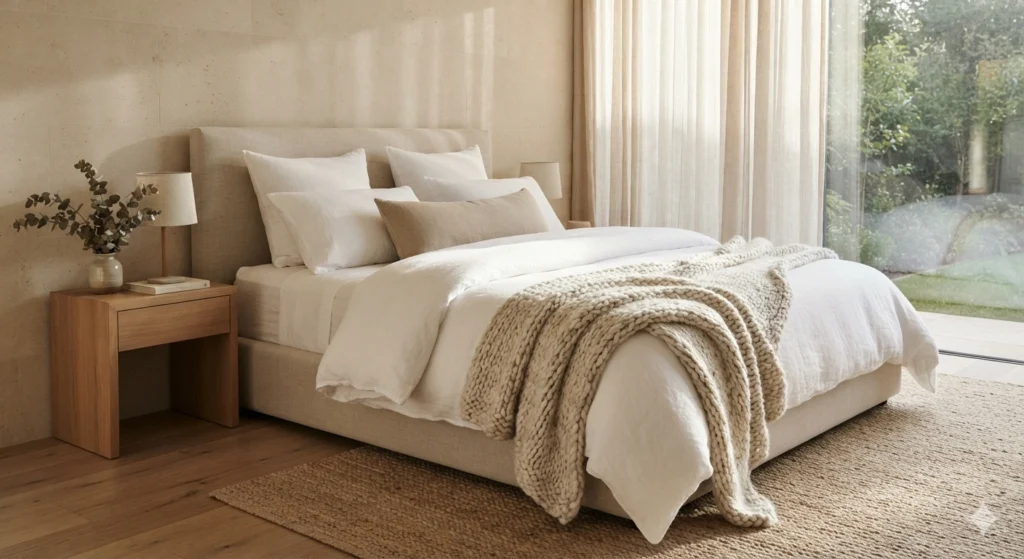
The secret to a cloud-like bed isn’t just about the price tag; it’s about the architecture of your layers. Start with a high-quality mattress topper—preferably down alternative or memory foam—to create that immediate sink-in feeling. The foundation should always be crisp, breathable percale or linen sheets, which offer a clean, hotel-inspired base. Avoid synthetic blends that trap heat, as comfort is fundamentally tied to temperature regulation.
To achieve that editorial look, opt for an oversized duvet insert that is one size larger than your duvet cover. This gives the bed a fuller, more substantial drape. Don’t be afraid to overstuff your euro shams; a firm, plump pillow creates a structured backdrop that grounds the softer layers in front. For styling, the ‘lived-in’ look is best achieved by pulling the duvet back slightly to reveal the sheet layers, adding an effortless, inviting touch.
A common mistake is over-accessorizing with too many decorative pillows. Stick to a curated selection: two standard pillows, two euro shams, and one long lumbar pillow for a clean, sophisticated finish. If you want to elevate the tactile experience, drape a chunky knit or waffle-weave throw blanket at the foot of the bed. This adds visual weight and a cozy invitation to lounge, perfectly balancing the airy quality of the bedding with grounded, heavy texture.
Selecting Soothing Color Palettes for Serenity
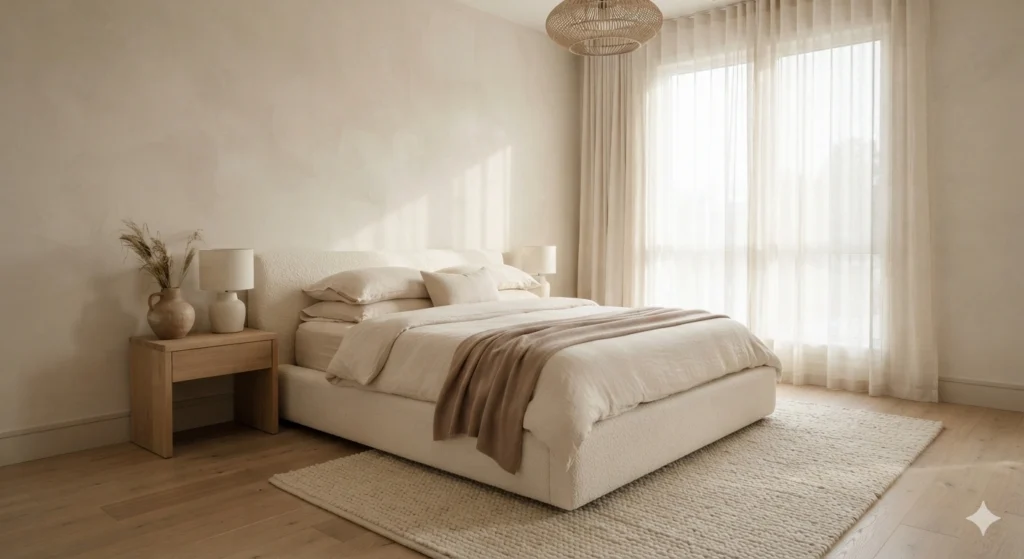
Color is the most powerful tool for shifting the mood of a bedroom. For a truly serene environment, I always recommend a monochromatic palette with subtle variations in undertone. Think of warm whites, soft greys, or muted earth tones like sage, mushroom, or dusty clay. These colors recede into the background, allowing the room to feel more expansive and less stimulating, which is crucial for rest.
When selecting your palette, consider the ‘60-30-10’ rule: 60 percent of the room should be a dominant neutral, 30 percent a secondary tone for depth, and 10 percent an accent color. If you crave a dreamy, ethereal vibe, lean into tonal whites—layering cream, ivory, and alabaster prevents the space from feeling sterile. If you prefer warmth, introduce terracotta or soft ochre through decorative textiles or artwork to ground the room.
Avoid high-contrast colors like stark black or vibrant primary hues, as these can disrupt the brain’s ability to wind down. Instead, look for ‘dirty’ colors—hues with a touch of grey or brown mixed in. These sophisticated shades change beautifully as the light shifts throughout the day, providing a dynamic yet calm backdrop. Remember, the goal is to create a visual exhale the moment you step through the door. Use matte finishes on walls to soften light reflection, further enhancing that quiet, cocooned atmosphere that defines a sanctuary.
Layering Ambient Lighting for Evening Calm
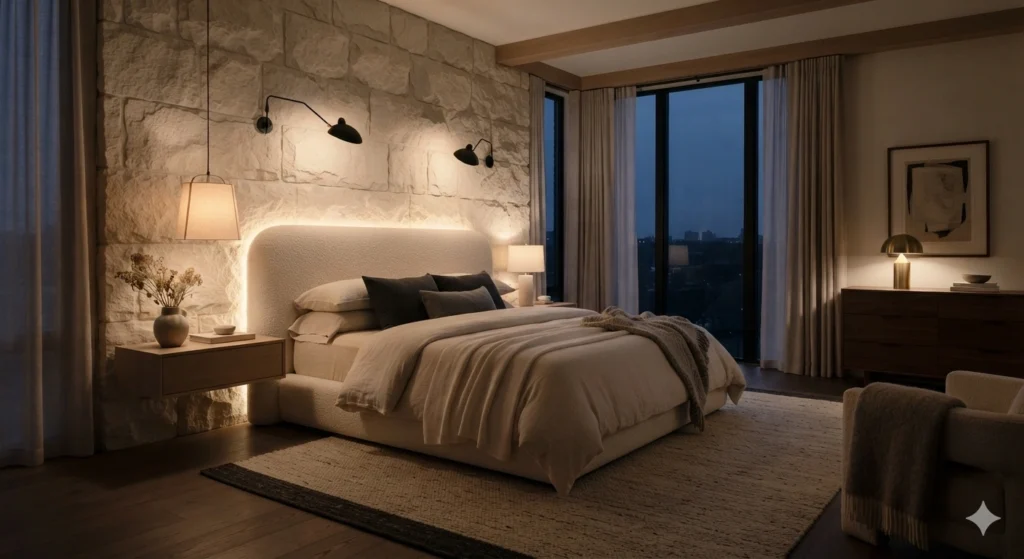
Harsh overhead lighting is the enemy of a dreamy bedroom. To transform your space, you must embrace the concept of ‘lighting zones.’ You want multiple low-level light sources placed at different heights to create a soft, warm glow that mimics the setting sun. This layering technique adds architectural interest while keeping the room feeling intimate and private.
Start by replacing your primary ceiling fixture with a dimmable pendant or a fabric-shaded chandelier that diffuses light rather than projecting it. Next, invest in high-quality bedside lamps with warm-toned bulbs (around 2700K). These should be positioned so the light pool is directed downward, perfect for reading without keeping your partner awake. If space permits, add a floor lamp in a corner or an integrated LED strip behind a headboard for a soft, indirect ‘halo’ effect.
Don’t forget the power of task lighting that feels like decor. Wall-mounted sconces are a designer favorite because they free up precious nightstand space while providing a crisp, intentional look. A common mistake is relying on a single light switch; instead, install a smart dimmer switch. Being able to gradually fade the lights as you prepare for sleep is a game-changer for your circadian rhythm. By keeping the light sources low and warm, you create a sanctuary that feels like a permanent golden hour.
Mixing Tactile Textures for Cozy Depth
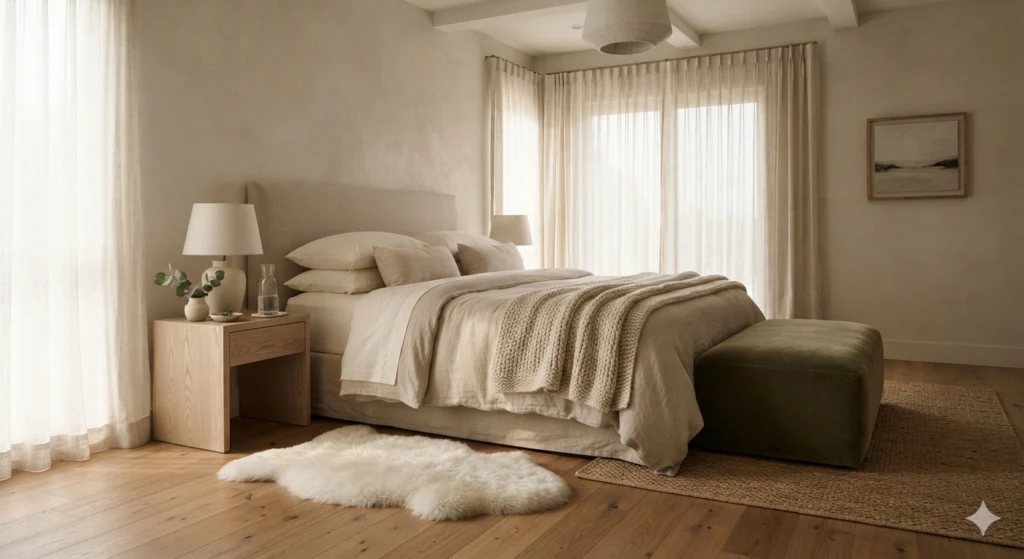
A bedroom that looks flat often feels uninviting. To achieve a high-end, dreamy aesthetic, you must curate a sensory experience through a variety of textures. Texture provides the visual ‘weight’ that makes a room feel finished and intentional, even if you are working with a neutral color scheme. I love to mix materials like raw linen, velvet, wool, and wood to create a space that feels rich and lived-in.
Start with the bed as your anchor, pairing smooth cotton sheets with a heavy, textured duvet. Then, expand this mix to the rest of the room. A sheepskin rug beside the bed provides a soft landing for your feet, while a velvet ottoman at the foot of the bed adds a touch of subtle luxury and a different light-absorbing surface. If your room feels too ‘safe,’ introduce a piece of furniture with a natural grain, like a white oak side table or a woven rattan storage basket, to provide an organic, earthy contrast.
The key is to ensure the textures don’t compete. Keep the larger pieces of furniture relatively smooth and use textiles to introduce the tactile variety. For instance, a leather-upholstered bench works beautifully against linen curtains. Avoid mixing too many shiny or metallic surfaces, as they can bounce light around and create a high-energy environment. Instead, focus on matte, soft, and natural textures that invite you to touch them. This creates a cozy, layered depth that makes the room feel like a private, luxurious retreat.
Incorporating Biophilic Design Elements
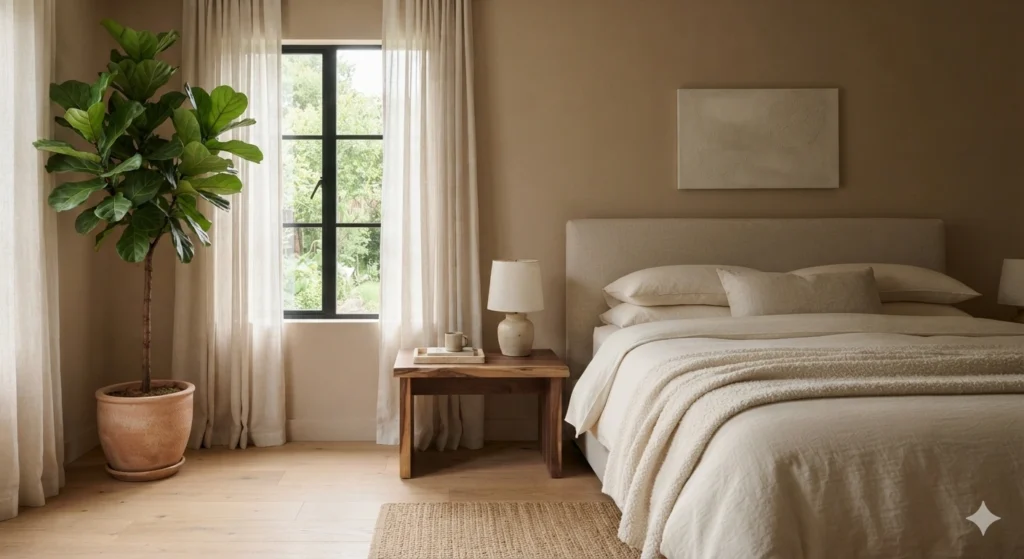
Biophilic design is the practice of connecting our indoor spaces to the natural world, and it is essential for a bedroom meant for restoration. Bringing organic elements inside naturally lowers cortisol levels and improves air quality. I always recommend starting with one or two statement plants, such as a tall Fiddle Leaf Fig or a sculptural Snake Plant, which offer height and architectural interest.
If you aren’t gifted with a green thumb, focus on natural materials. Swap out plastic or synthetic decor for items made of stone, wood, bamboo, or clay. A travertine catch-all tray for your jewelry or a raw-edged wooden stool as a bedside table can provide that grounding connection to nature. These materials age gracefully, adding a sense of history and warmth to the room that mass-produced items simply cannot replicate.
Another subtle way to incorporate biophilic principles is through the use of natural light and ventilation. Ensure your window treatments are made of natural fibers like linen or cotton, which allow for soft, filtered light to enter while maintaining privacy. If you have a view of trees or greenery, position your bed or a small reading chair to take advantage of it. A common mistake is blocking windows with heavy, dark curtains. Instead, use double-rod systems with sheer panels for daytime privacy and heavier drapes for nighttime comfort. By blurring the lines between the indoors and the outdoors, you turn your bedroom into a true, restorative oasis.
Maximizing Style in Small Bedroom Spaces
Small bedrooms are often the most intimate and dreamy, provided you don’t crowd them with unnecessary furniture. The secret to a small space is to prioritize verticality and ‘float’ as much as possible. Wall-mounted sconces, floating shelves, and beds with slim profiles prevent the floor from looking cluttered, which tricks the eye into perceiving the room as larger.
Use mirrors strategically to reflect light and create the illusion of depth. A large, floor-length mirror leaning against a wall or a decorative mirror placed opposite a window can instantly make a cramped room feel like an airy suite. When it comes to furniture, choose pieces with legs rather than solid bases; seeing the floor underneath the furniture keeps the sightlines open. If you need storage, look for an upholstered bed frame with built-in drawers or use beautiful woven baskets tucked underneath a console table.
A common mistake is avoiding large-scale art or rugs because the room is small. In reality, one large, impactful piece of art is far better than a cluttered gallery wall, which can make a small room feel chaotic. Similarly, a rug that is too small will make the room feel like a tiny box; opt for a large rug that anchors the bed and extends well beyond its perimeter. Keep your palette light and airy, but don’t shy away from adding one bold, textured element to keep the room from feeling like a sterile white cube. Style is about intention, not square footage.
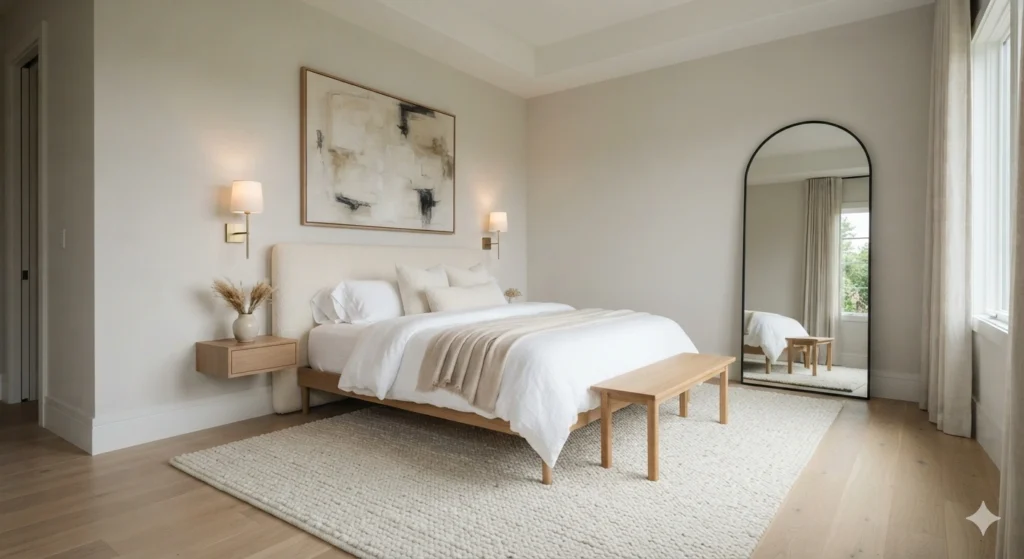
Enhancing Ambiance with Scent and Sound
A truly dreamy bedroom is a multi-sensory experience that goes beyond what you see. Scent is the fastest way to trigger a relaxation response in the brain. Incorporate a high-quality essential oil diffuser or a soy-wax candle with calming notes like lavender, bergamot, or sandalwood. The ritual of lighting a candle or starting a diffuser an hour before bed signals to your body that the day is over.
Sound is equally important, especially if you live in a busy neighborhood. If you struggle with outside noise, consider a white noise machine or a high-end speaker system to play ambient soundscapes or soft instrumental music. The goal is to create a consistent acoustic environment that masks unpredictable sounds, helping you fall into a deeper, more restorative sleep.
To keep the space feeling clean and serene, avoid clashing scents. Stick to one ‘signature’ scent for the bedroom rather than mixing floral, spicy, and citrus notes. If you prefer a lighter touch, use a linen spray on your pillows before tucking yourself in. This is a simple, affordable way to make your bed feel like a luxury boutique hotel every single night. By curating the auditory and olfactory experience, you create a psychological boundary between the ‘work’ world and your personal sanctuary. It’s these subtle, invisible layers that turn a functional space into a genuine retreat.
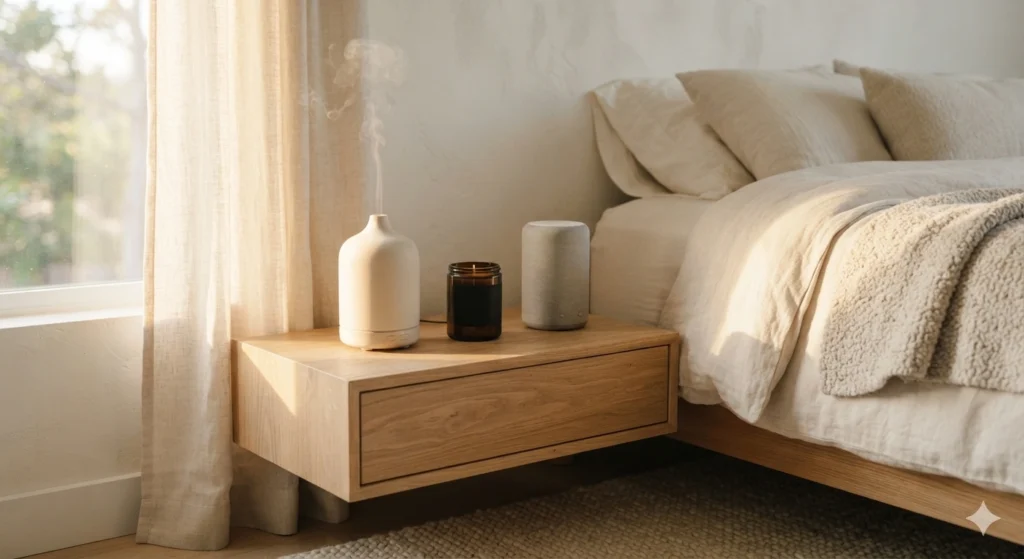
Budget-Friendly Hacks for Luxury Aesthetics
Luxury is about the appearance of quality, not necessarily the price tag. One of the most effective ways to upgrade a bedroom on a budget is to focus on hardware and details. Swap out standard, builder-grade dresser knobs or closet pulls for something with weight and character, like unlacquered brass or matte black pulls. This small change makes a massive difference in how a piece of furniture feels under your hand.
Another designer trick is to ‘frame’ your windows with extra-long, high-quality curtains. Instead of hanging the rod right above the window frame, mount it as close to the ceiling as possible and extend it several inches wider than the window. This makes the ceilings feel higher and the room feel grander. Use inexpensive IKEA or big-box curtains, but elevate them by adding custom tie-backs or using ring clips for a more polished, pleated look.
Don’t overlook the power of paint. Painting your bedroom a deep, moody color—like charcoal, navy, or forest green—can make the space feel incredibly expensive and cozy. It’s one of the cheapest ways to make a room feel like a high-end designer project. Finally, invest in one or two ‘hero’ pieces, like a vintage-inspired lamp or an oversized piece of art, to act as a focal point. When you mix one high-end, unique item with budget-friendly basics, the entire room is elevated by association. The secret is in the curation; when every item is chosen with purpose, the cost becomes secondary to the overall atmosphere.
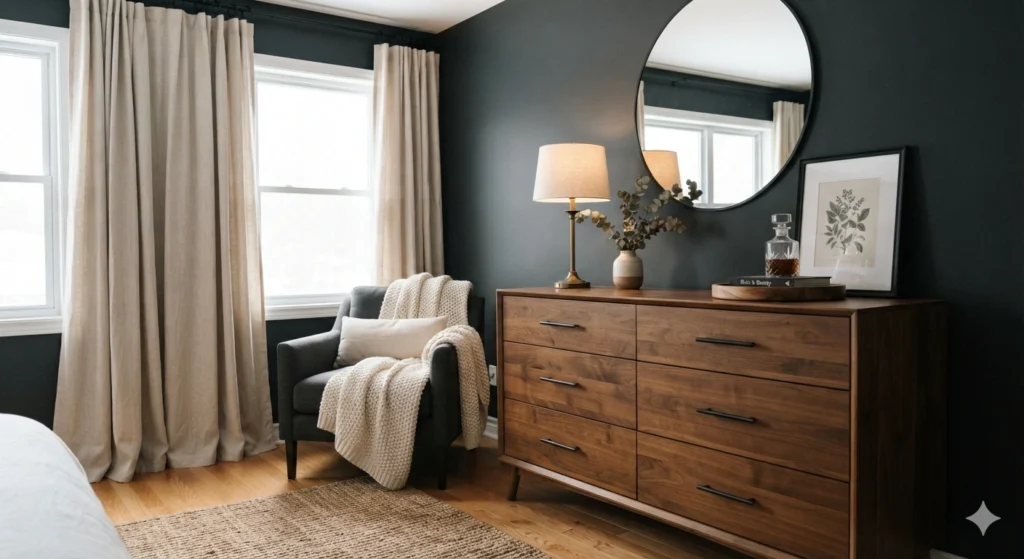
9. Effective Use of Blackout Curtains for Mood
Blackout curtains are often viewed as a purely functional necessity, but they are actually the secret weapon for creating a true sensory sanctuary. By blocking out intrusive street lights and early morning glare, you gain complete control over your room’s atmosphere, allowing it to transition seamlessly from a bright, productive space during the day to a moody, cave-like retreat at night.
To achieve a high-end look, avoid standard grommet-style curtains. Instead, opt for floor-to-ceiling drapery panels in heavy, tactile fabrics like velvet or linen-blend with a dense thermal lining. Mounting the rod as close to the ceiling as possible—rather than directly above the window frame—creates the illusion of height and adds a sense of architectural drama.
A common mistake is choosing curtains that are too narrow; ensure your panels are wide enough to overlap slightly when closed to prevent light leaks at the center. Pair these with a sheer layer underneath so you can maintain privacy during daylight hours without sacrificing natural light. When selecting colors, lean into deep, soothing tones like charcoal, slate blue, or moss green to enhance the restful, cocoon-like quality of the room.
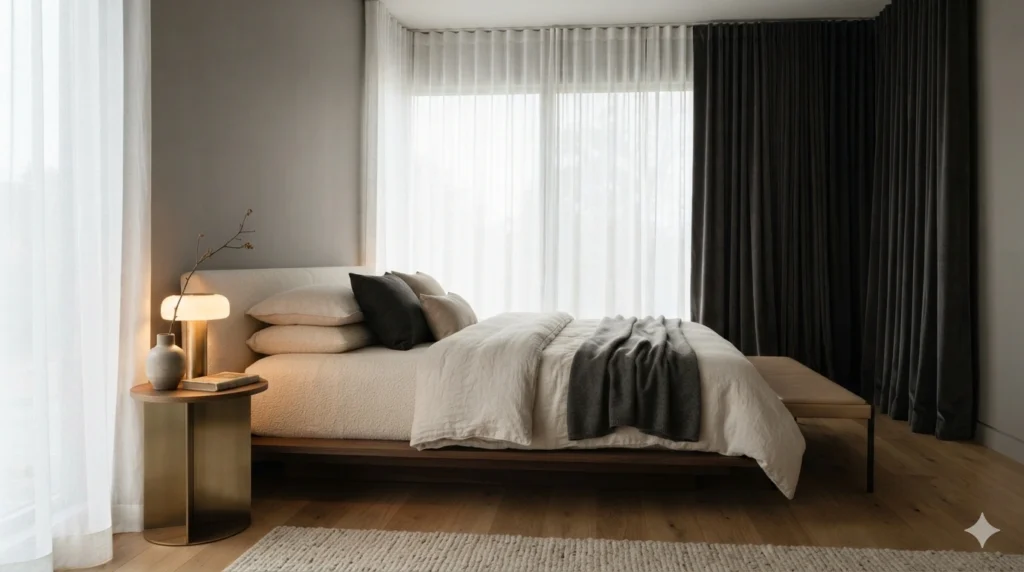
10. Creating a Cozy Reading Nook Corner
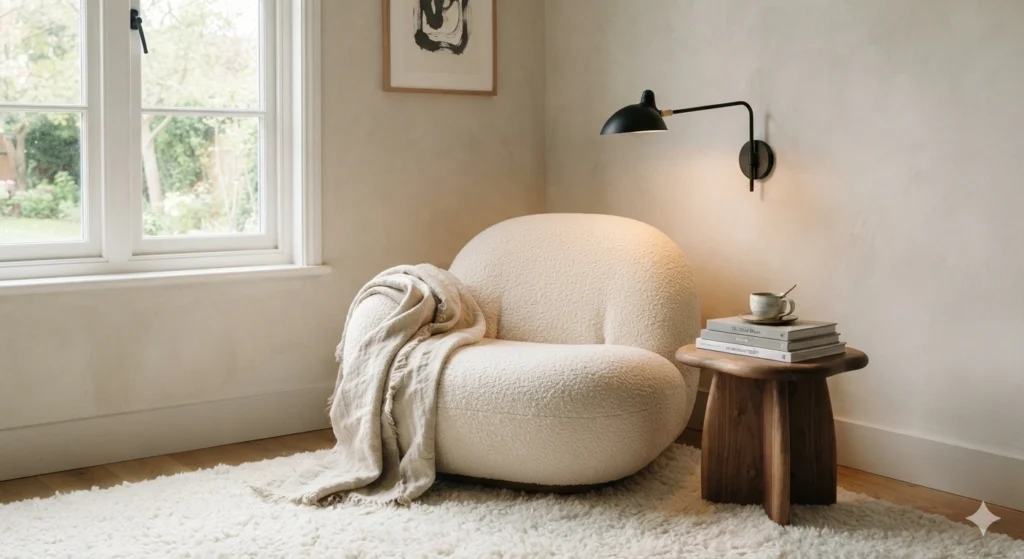
A dedicated reading nook transforms an unused corner into a purposeful retreat, grounding the bedroom with a sense of intention. The key to a successful nook is comfort that feels intentional rather than cluttered. Start with a statement lounge chair—think a sculptural velvet armchair or a classic leather mid-century piece—and ground it with a plush, high-pile wool rug to define the space as separate from the sleeping area.
Lighting is critical here. Avoid relying on the main bedroom light; instead, install a sleek, articulating wall sconce or place a sculptural floor lamp with a warm-toned bulb beside the chair. This creates a soft, localized pool of light that makes the corner feel intimate and inviting, perfect for winding down before bed.
To keep the area feeling airy, avoid over-decorating. A small, organic-shaped side table for a cup of tea, a single stack of books, and a textured throw blanket draped over the arm of the chair are all you need. If you are working with a small bedroom, look for a compact ‘slipper’ chair that provides comfort without overwhelming the floor plan. The goal is to create a sensory shift; when you sit in this corner, your brain should immediately signal that it is time to unplug and rest.
11. Styling Statement Headboards as Focal Points
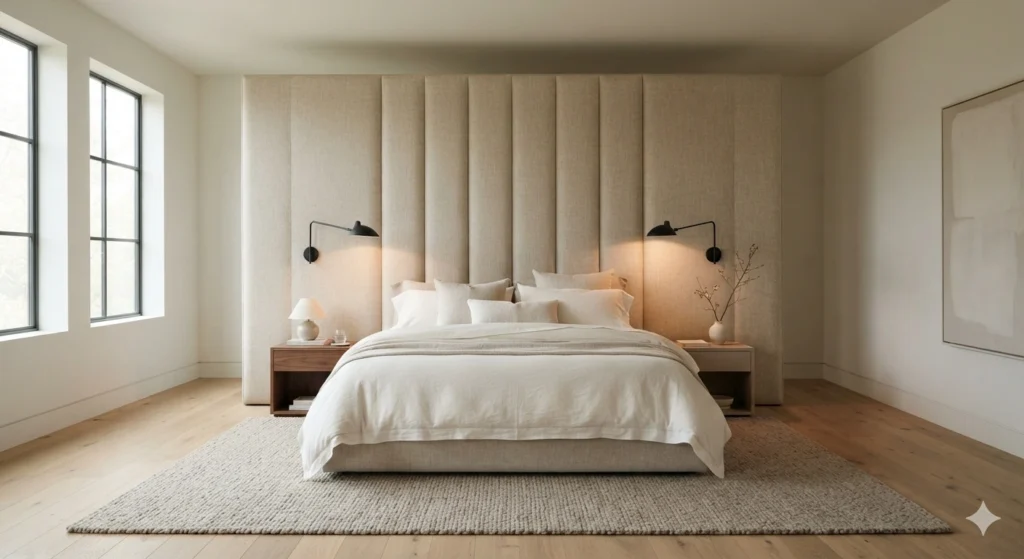
The headboard is the anchor of your bedroom, and it dictates the entire energy of the space. A statement headboard doesn’t necessarily mean high-cost; it means high-impact design. If you are looking for a dreamy, ethereal vibe, consider an oversized upholstered headboard in a soft, neutral linen. The height adds a sense of grandeur, while the fabric introduces necessary warmth and texture to the wall.
For those who prefer a more organic aesthetic, a rattan or curved wood headboard works beautifully to soften the hard lines of a room. The trick to making these pieces feel ‘designer’ is scale. Don’t be afraid to choose a headboard that is wider than your mattress, or one that extends higher up the wall to draw the eye upward and create a sense of height.
Avoid the mistake of clashing patterns or colors. If your headboard is a bold shape or color, keep the bedding relatively tonal to allow the piece to stand out. If you are on a budget, you can achieve this look by mounting a large, tufted wall panel behind your bed frame or using a decorative screen. Always ensure your lighting—whether pendant lights or sconces—is mounted to frame the headboard rather than hiding it. This framing technique creates a professional, finished look that makes the bed feel like a curated centerpiece rather than just a piece of furniture.
12. Choosing Breathable Natural Fiber Bedding
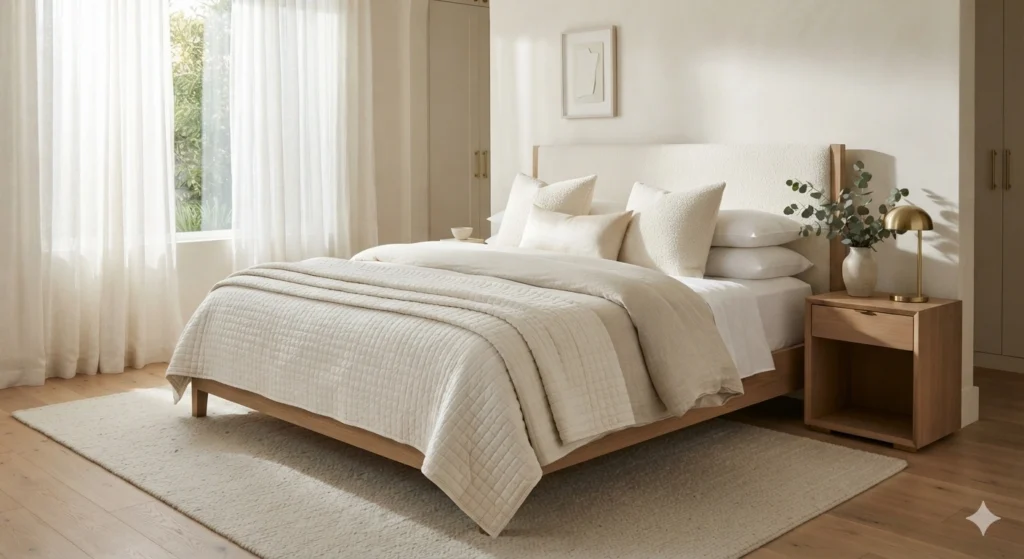
The secret to a ‘cloud-like’ bed isn’t just the thread count—it is the material. Natural fibers like linen, organic cotton, and bamboo are essential for a dreamy bedroom because they regulate temperature and improve in texture with every wash. Linen, in particular, offers a relaxed, lived-in aesthetic that feels effortlessly chic and inviting.
For a truly premium experience, focus on layering. Start with a high-quality cotton sheet set, then layer a lightweight linen duvet cover over a plush, down-alternative insert. The key to the ‘designer look’ is the mix of textures. Use a heavy, quilted coverlet at the foot of the bed for weight and visual interest, and finish with an assortment of throw pillows in varying sizes and materials—think bouclé, linen, and silk.
Avoid synthetic microfiber sheets at all costs, as they trap heat and lack the breathability needed for a restful night. When choosing colors, stick to a monochromatic palette of whites, creams, or soft earth tones to keep the bed looking clean and serene. If you want to add depth, introduce subtle variations in tone, like pairing an oatmeal-colored duvet with crisp white shams. This layering approach creates a soft, inviting landscape that looks just as good as it feels to sleep in, embodying the ultimate ‘sensory sanctuary’ philosophy.
13. Smart Lighting Solutions for Renters
Harsh overhead lighting is the quickest way to ruin a dreamy bedroom vibe, but as a renter, you are often stuck with generic ‘boob’ lights or clinical fixtures. The solution is to layer your lighting, effectively ignoring the ceiling fixture entirely. Focus on ambient and task lighting that you can take with you when you move.
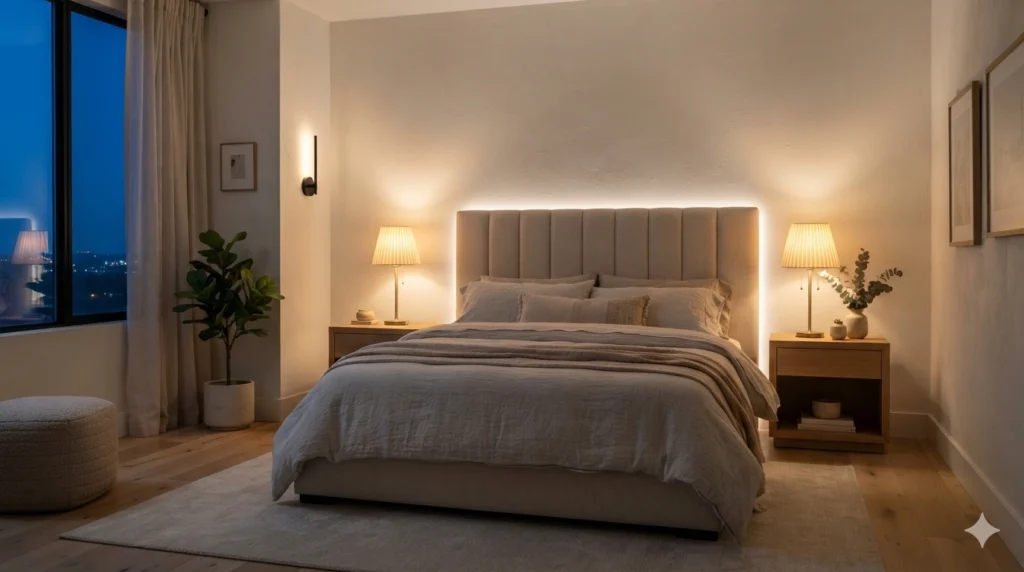
Start by placing warm-toned table lamps on your nightstands. Look for lamps with fabric shades that diffuse light to create a soft, golden glow. If you don’t have space for nightstands, floor lamps with adjustable heads can be tucked behind the bed to provide similar warmth. For an extra touch of luxury, use plug-in wall sconces that attach to the wall with command strips or small brackets, giving you that built-in look without damaging the walls.
Don’t forget the power of LED strips. You can hide these behind your headboard or under the bed frame to create a subtle, ethereal ‘floating’ effect that adds depth and interest to the room at night. Always choose smart bulbs that allow you to adjust the color temperature; keeping your lighting in the ‘warm white’ range (around 2700K) is essential for relaxation. By keeping the main ceiling light off and relying on these lower-level sources, you create a cozy, intimate environment that feels significantly more expensive and curated than a standard rental bedroom.
14. The Art of Minimalist Bedroom Styling
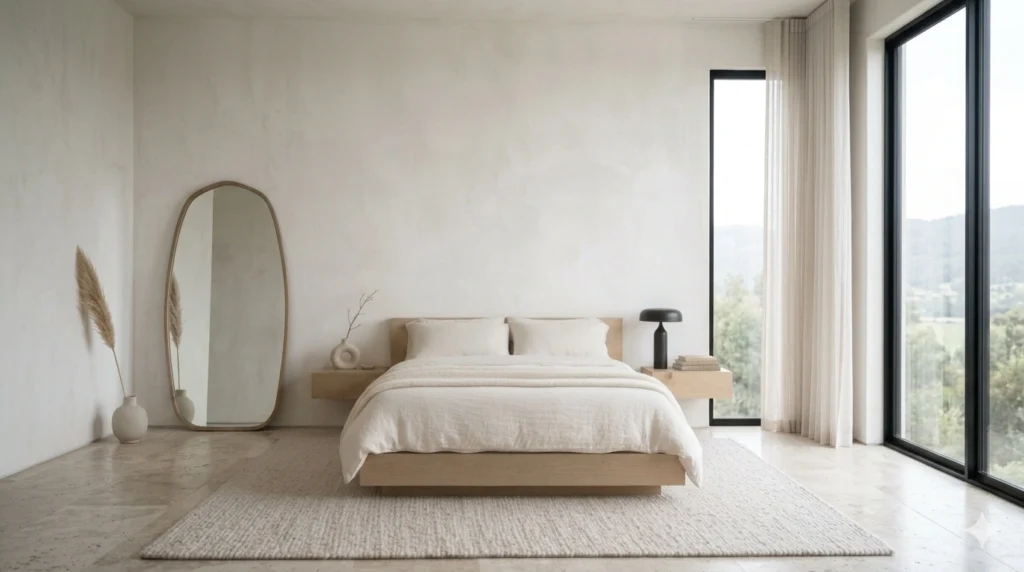
Minimalism in a bedroom isn’t about stark, cold surfaces; it is about intentionality and peace. To achieve a dreamy, minimalist aesthetic, focus on the ‘one-in, one-out’ rule to keep surfaces clear of clutter. A clear nightstand with only a single sculptural vase and a lamp is infinitely more serene than one covered in electronics, cords, and stacks of paper.
When choosing furniture, prioritize pieces with clean, architectural lines. Low-profile platform beds work exceptionally well in minimalist spaces as they keep the room feeling open and airy. Use a neutral, monochromatic color palette—warm whites, soft greys, or muted beiges—to create a sense of cohesion. The beauty of a minimalist room lies in the quality of the materials; since there is less ‘stuff’ to look at, the eye naturally gravitates toward the texture of a wool rug, the grain of a wood nightstand, or the weave of a linen blanket.
A common mistake is letting the room feel sterile. You can prevent this by introducing organic shapes—think a round mirror, a curved chair, or a vase with an asymmetrical silhouette. These shapes soften the rigidity of minimalist architecture. Always ensure your storage is hidden; use closed-door nightstands or under-bed storage boxes to keep necessary items out of sight. The goal is to curate a space where your eyes can rest the moment you walk through the door, promoting a sense of calm that is essential for deep, restorative sleep.
15. Boho-Inspired Decor for Dreamy Vibes
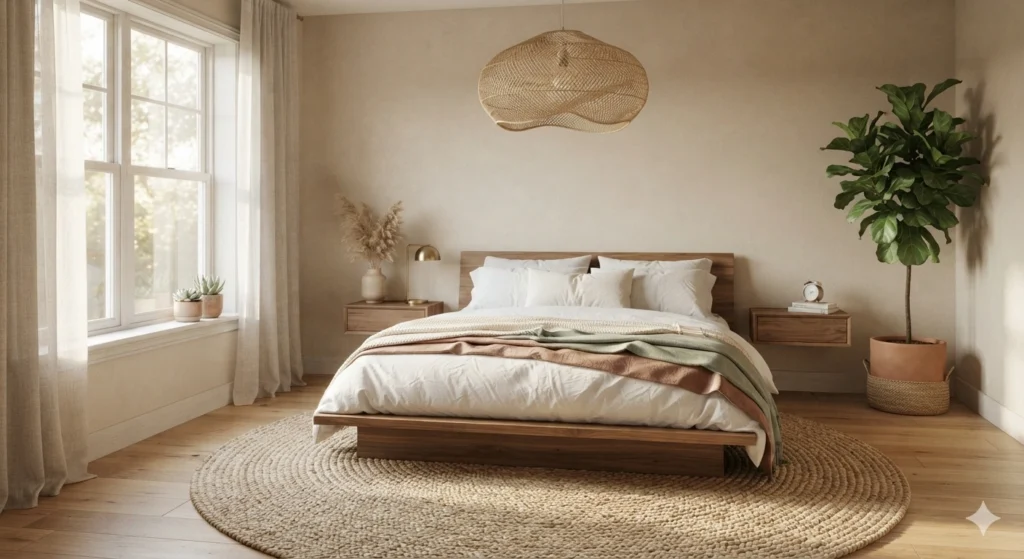
Boho design is the ultimate expression of a ‘sensory sanctuary’ because it prioritizes comfort, personality, and tactile richness. To keep the look sophisticated rather than chaotic, focus on a curated approach to bohemian style. Start with a neutral foundation—white walls or soft sand-colored paint—and layer in interest through rugs, textiles, and natural elements.
Use a mix of global-inspired patterns and materials like jute, rattan, and macramé. A large jute rug provides a wonderful textural base, while a rattan pendant light adds an organic, sculptural element to the ceiling. The key to making this work is scale; one large piece of art or one oversized plant will have more ‘dreamy’ impact than a collection of tiny trinkets that create visual clutter.
When it comes to color, pull from nature. Warm terracotta, sage green, mustard yellow, and deep indigo work beautifully together. Avoid the mistake of using too many bright, clashing colors; instead, use these as accents against a soft, muted backdrop. Incorporate plenty of greenery, as plants are essential for the ‘boho’ feel and help improve air quality, which is vital for wellness. A trailing Pothos or a tall Fiddle Leaf Fig adds life to the corners of the room. By blending these earthy, tactile elements with a clean, modern frame, you create a space that feels deeply personal, warm, and inviting.
16. Integrating Soft Window Treatments
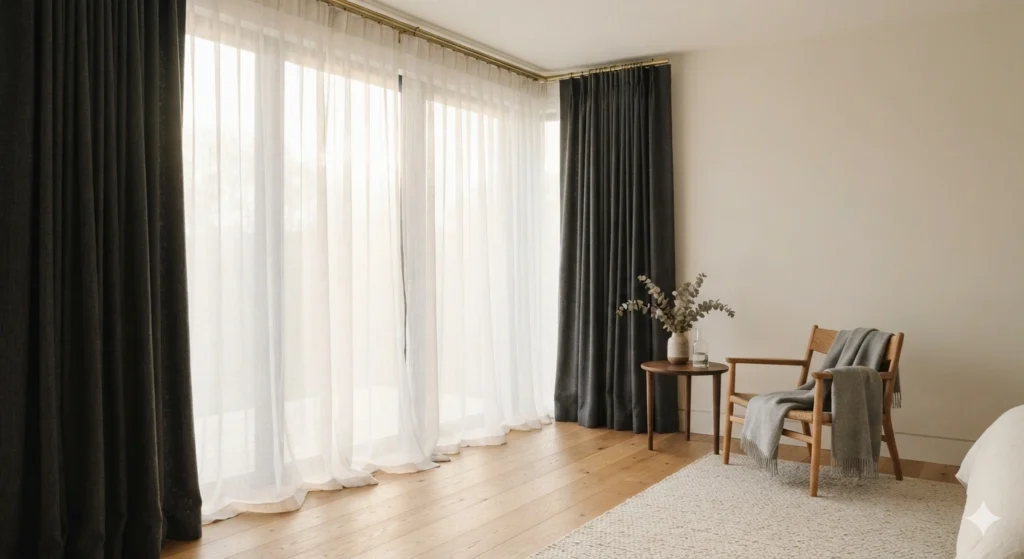
Window treatments are the ‘clothing’ of your bedroom; they provide the softness that bridges the gap between the walls and the rest of the decor. To create a dreamy, ethereal aesthetic, look for sheer fabrics that catch the light and diffuse it into a soft, glowing haze. Linen or cotton-blend sheers are perfect for this, as they have a natural drape and a beautiful, organic texture.
For a high-end, layered look, mount your sheer curtains on a double rod behind a set of heavier, opaque curtains. This allows you to have total privacy and light control while keeping the option of a soft, airy look during the day. The length of the curtains is non-negotiable: they should just kiss the floor or ‘puddle’ slightly (about one to two inches of extra fabric) for a romantic, relaxed vibe. Avoid curtains that hang mid-wall, as this cuts the room in half and makes it feel smaller.
Consider the hardware as part of the styling. A matte brass or unlacquered copper rod adds a touch of warmth and luxury that elevates the entire window area. If you are dealing with awkward window shapes, floor-to-ceiling drapery is your best friend, as it hides the frame and creates a uniform, clean line. By focusing on soft, fluid movement in your window treatments, you introduce a sense of calm and gentle motion to the room, reinforcing that serene, sanctuary-like quality that is so essential for a dreamy bedroom.
17. Avoiding Harsh Overhead Lighting Mistakes
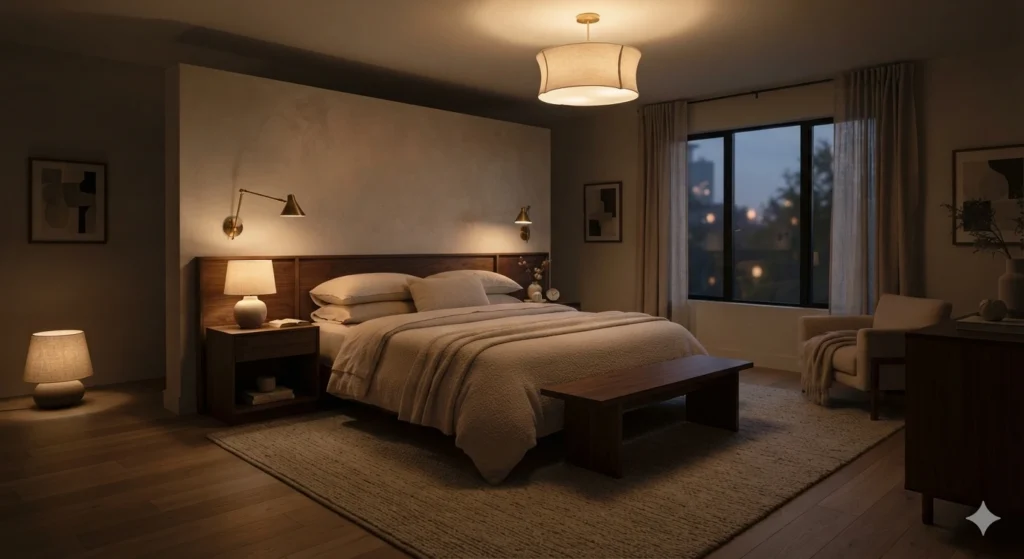
The most common culprit behind a sterile bedroom is the reliance on a single, clinical overhead light fixture. When you flip a switch and the entire room is flooded with uniform, cool-toned light, you lose the ability to create intimacy or mood. In a dreamy bedroom, light should be treated as a layer, not a utility. My golden rule is to abandon the ‘big light’ in favor of a tiered lighting scheme that mimics the warmth of a sunset.
Start by incorporating at least three light sources at different heights: a low-profile floor lamp, dimmable bedside sconces, and perhaps a soft table lamp on a dresser. Opt for bulbs with a warm color temperature—ideally between 2700K and 3000K—to ensure the space feels inviting rather than institutional. If you are stuck with a ceiling fixture, replace it with a drum shade pendant or a sculptural chandelier that diffuses light through fabric or frosted glass to soften the glow.
A frequent mistake I see is placing light sources too high; instead, aim for eye-level lighting when you are seated in bed or reading in an armchair. This creates a cozy ‘pool’ of light that keeps the upper corners of the room in shadow, which is essential for a restful, sanctuary-like atmosphere. For an added touch of luxury, install a smart dimmer switch. Being able to gradually lower the intensity of your room as you wind down for the night is the single most effective way to signal to your brain that it is time to transition into sleep mode.
18. Curating Clutter-Free Storage Solutions
A cluttered space inevitably leads to a cluttered mind, which is the antithesis of a dreamy bedroom. The challenge lies in balancing the need for storage with the desire for a minimalist, ethereal aesthetic. The secret is to prioritize ‘hidden’ storage that blends seamlessly into your architecture rather than relying on bulky, freestanding furniture that visually crowds the room.
Consider utilizing the often-wasted space under your bed. Invest in low-profile, rolling wooden crates or fabric-lined bins that tuck away linens or out-of-season clothing. If your room allows, built-in cabinetry that runs floor-to-ceiling can be painted the same color as your walls, effectively making the storage disappear into the architecture. This keeps the visual lines clean and expansive, which is particularly vital in smaller bedrooms.
When you must have open storage, such as a nightstand or a small vanity, curation is key. Use the ‘one-in, one-out’ rule to ensure your surfaces remain clear of daily detritus. Choose furniture pieces that feature closed doors or drawers rather than open shelving to prevent visual noise. If you love the look of open shelving, limit it to one or two decorative items—a single ceramic vase or a curated stack of books—rather than using it for functional storage. Remember, the goal is to create a visual exhale the moment you walk through the door. By concealing the necessary items of daily life, you allow the room’s textures and soft color palette to take center stage, creating a serene environment that feels curated rather than merely occupied.
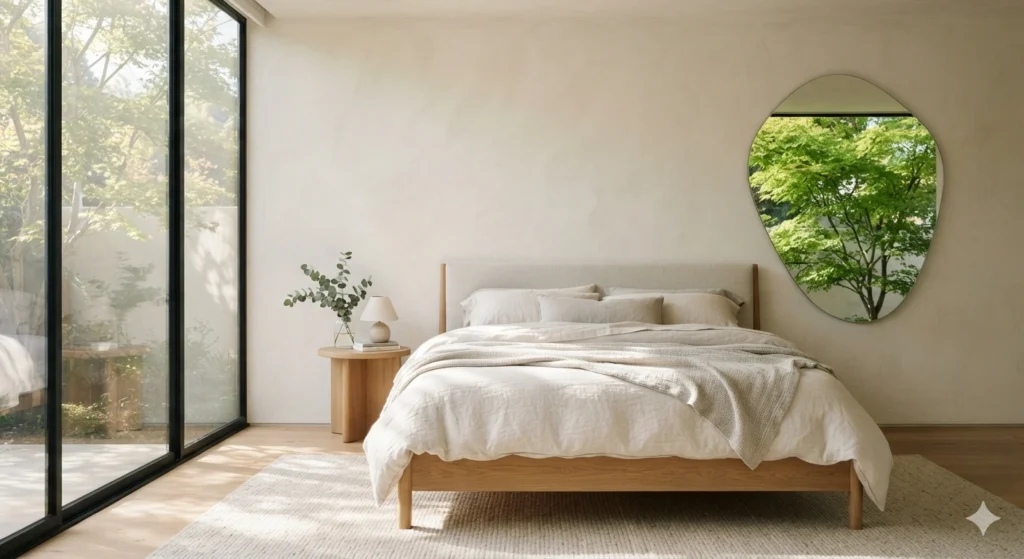
19. Using Mirrors to Enhance Natural Light
Mirrors are the oldest trick in the designer’s playbook, but they are often misused. In a dreamy bedroom, the goal isn’t just to make the room appear larger; it is to amplify the natural, soft light that enters through your windows. By strategically placing a mirror to catch the morning sun, you can effectively double the brightness of the space without adding a single extra light fixture.
For a truly ethereal effect, place a large floor-length mirror opposite a window. This reflects the greenery or the sky from outside, essentially acting as a second window and drawing the beauty of the outdoors into your sanctuary. If your bedroom is small or awkward, consider mounting a mirror behind your bedside lamps. This creates a sense of depth behind the nightstand and helps disperse the lamp’s glow across the wall, making the bedside area feel more expansive and layered.
Avoid the mistake of choosing a mirror that feels too ‘heavy’ for the space. In a dreamy, airy room, look for frames with thin, metallic finishes—brushed brass or champagne gold—or better yet, a frameless, organic-shaped mirror. These options feel modern and fluid rather than imposing. If you have a dark corner that feels stagnant, a mirror placed there can ‘open’ the wall and prevent that area from feeling claustrophobic. Just be mindful of what the mirror is reflecting; ensure it faces a beautiful, tidy corner of your room rather than a cluttered closet door. The reflection should always contribute to the sense of peace and tranquility you are trying to cultivate.
20. Adding Personal Touches with Wall Art
Your bedroom should be the most intimate room in your house, yet it is often the most neglected when it comes to personal expression. Art is the fastest way to inject personality and soul into a room. To maintain a dreamy, relaxing vibe, avoid chaotic or high-contrast imagery. Instead, lean toward abstract prints, soft-focus landscapes, or minimalist sketches that evoke a sense of calm and wonder.
When selecting art, consider the ’emotional weight’ of the piece. Does it make you feel grounded? Does it transport you to a favorite memory? Large-scale pieces work beautifully above the headboard, serving as a focal point that anchors the bed. A single, oversized canvas with muted, tonal colors—think soft greys, dusty rose, or earthy ochres—can define the room’s color palette and tie your bedding textiles together effortlessly.
Don’t feel pressured to fill every wall. In fact, leaving some wall space blank is a design choice in itself, allowing the eye to rest. When you do hang art, ensure the center of the piece is at eye level, roughly 57 inches from the floor, to create a balanced connection with the rest of the furniture. If you want a more casual, collected look, try a picture ledge. This allows you to rotate your prints or add small objects like a dried flower stem or a framed photograph without putting holes in the walls. This flexibility is perfect for those who like to refresh their space with the changing seasons or moods, ensuring your sanctuary always feels fresh, intentional, and deeply personal.
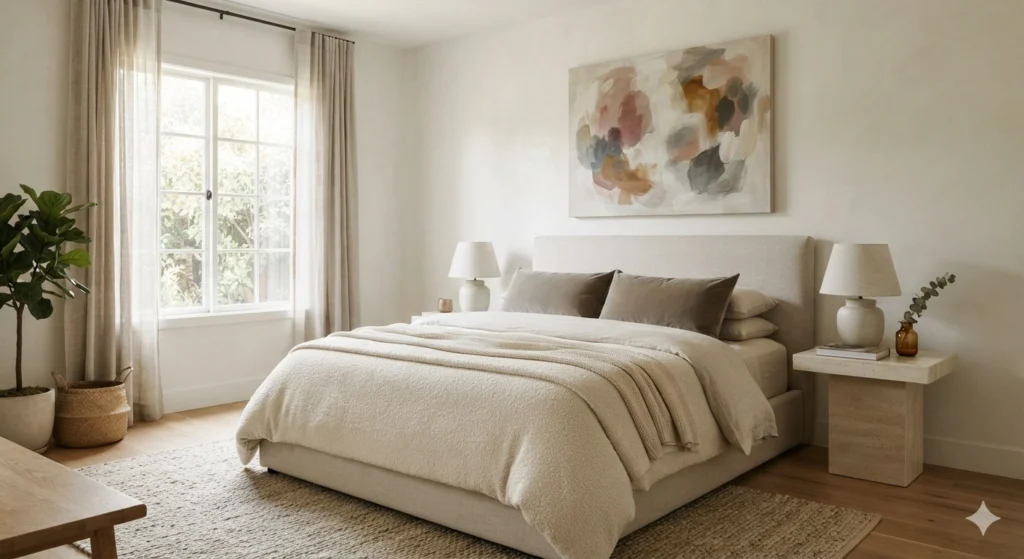
21. Seasonal Styling for Year-Round Comfort
A truly dreamy bedroom is a living, breathing space that evolves with the seasons. We often make the mistake of decorating for a permanent aesthetic, but our sensory needs change as the temperature shifts. Seasonal styling isn’t about a complete overhaul; it is about rotating key textiles and accessories to ensure your room always feels prepared for the weather outside.
In the warmer months, swap out heavy duvet covers for breathable, crisp linen or cotton percale. Incorporate lighter hues—whites, creams, and soft blues—to keep the room feeling cool and airy. Use natural materials like rattan baskets or jute rugs to add texture without the visual weight of wool or velvet. As the days grow shorter and the air turns crisp, transition into ‘nesting mode’ by layering deep, tactile materials. Think thick cashmere throws, velvet lumbar pillows, and a heavier wool rug at the foot of the bed.
Lighting should also shift with the seasons. During winter, lean into the ‘hygge’ aesthetic by adding more candles or string lights, which provide a low, flickering warmth that counteracts the early darkness. In summer, keep the window treatments light and sheer to maximize the golden hour glow. The key to seasonal styling is to keep your foundation neutral—your headboard, nightstands, and wall color—so that your seasonal accents can shine without clashing. By simply changing your throw blankets, a few pillows, and your bedside scents, you can completely redefine the mood of your sanctuary, ensuring it feels like a warm embrace in winter and a refreshing retreat in summer.
Frequently Asked Questions
How can I make my bedroom feel like a luxury hotel on a tight budget?
Creating a luxury feel doesn’t require high-end furniture. Start by investing in high-quality, crisp white bedding, which instantly elevates the room. Clear away all visual clutter from surfaces and replace harsh light bulbs with warm-toned, low-wattage options to soften the atmosphere. Adding a single oversized piece of wall art or a plush, textured throw blanket can provide that ‘designer’ touch without breaking the bank. Focus on the sensory experience—a clean, organized, and dimly lit room often feels far more expensive than a cluttered space filled with pricey decor.
What are the best colors for a restful and dreamy bedroom environment?
For a truly dreamy sanctuary, lean into ‘quiet’ colors. Soft neutrals like warm sand, pale greys, and creamy whites create a serene base that promotes relaxation. If you prefer color, opt for muted, earth-inspired tones such as sage green, dusty blue, or soft lavender. These shades mimic nature and are scientifically proven to help lower cortisol levels. Avoid high-contrast, vibrant, or neon colors, as these can be visually stimulating rather than soothing. The goal is to create a harmonious palette that feels gentle on the eyes as you wind down for the night.
How do I incorporate biophilic design into a bedroom if I don’t have a green thumb?
Biophilic design is all about connecting with nature, but it doesn’t always require living plants. If you struggle to keep greenery alive, opt for high-quality botanical prints, natural wood furniture, or stone accents like marble or travertine. You can also introduce natural textures through jute rugs, linen curtains, or wool throws. If you want a bit of life, choose low-maintenance plants like Snake Plants or Pothos, which thrive in low light and require very little water. Even a small wooden bowl or a vase of dried branches can successfully bring that grounding, earthy energy into your sanctuary.
What is the secret to layering textures effectively without making the room look messy?
The key to successful layering is to maintain a cohesive color palette while varying the materials. When everything is in a similar shade, you can be much more adventurous with texture. Mix a smooth cotton sheet with a chunky knit wool throw, a velvet pillow, and a linen duvet cover. By keeping the colors unified, the different textures create depth and ‘cozy’ visual interest rather than chaos. Think of it as a monochromatic landscape—the variety comes from the way light hits the different surfaces, making the room feel rich and inviting rather than cluttered or busy.
How can I improve my bedroom lighting if I’m renting and can’t change the fixtures?
Renters can easily upgrade their lighting by relying on portable, plug-in solutions. Avoid the main overhead light entirely and instead layer several smaller light sources. Use bedside table lamps with warm-toned bulbs, add a dimmable floor lamp in a reading corner, or string soft LED fairy lights behind a headboard for a dreamy, ethereal glow. If you have a plug-in wall sconce, these are perfect for saving surface space while still providing that high-end, custom-designed look. By creating multiple pools of soft light, you can hide architectural flaws and create a much more intimate, relaxing mood.
Conclusion
Transforming your bedroom into a dreamy sanctuary is a journey of intentional choices rather than a race to the finish line. By focusing on the sensory elements—the softness of your linens, the warmth of your lighting, and the serenity of your color palette—you are building a space that actively supports your well-being. Remember that a restorative retreat is defined by its ability to help you disconnect from the world and reconnect with yourself.
Start your transformation today by picking just one or two ideas from this list, such as decluttering your nightstand or swapping your harsh overhead bulb for a warm lamp. As you begin to layer these small, thoughtful changes, you will find your bedroom naturally evolving into the peaceful haven you deserve. Trust your instincts, embrace the process, and enjoy the quiet comfort of your newly curated sanctuary.