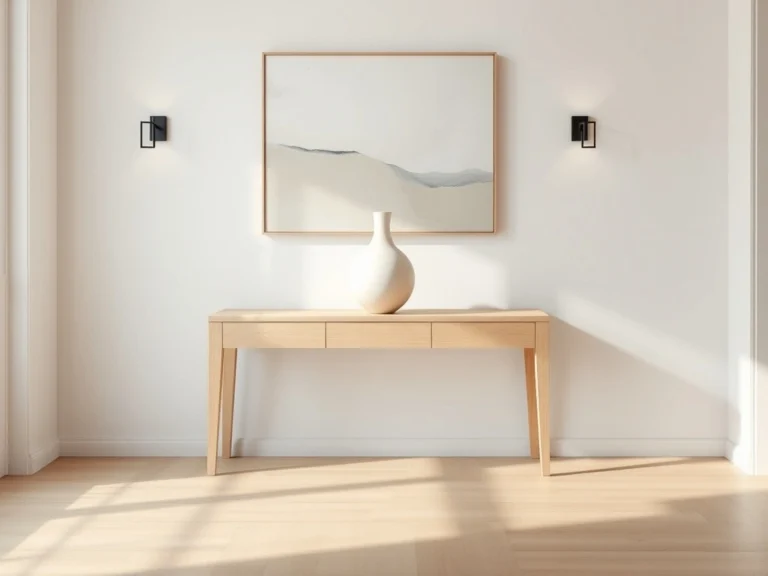
There is a distinct difference between a bedroom that simply looks tidy and one that actively settles your nervous system the moment you cross the threshold. While modern minimalism promises peace, stripped-back spaces often tip into stark, clinical territory—leaving you with a room that feels more like an echo chamber than a personal sanctuary. Your bedroom should never feel cold; it should envelop you in quiet, tactile comfort.
This delicate balance is precisely where the harmony of Japanese wabi-sabi philosophy and Scandinavian hygge becomes transformative. Japandi design strips away visual chaos while prioritizing warmth, celebrating organic textures, handcrafted imperfections, and uncluttered ease. Yet achieving that equilibrium can be challenging. It is easy to wonder how to coordinate natural wood tones, dress a low-slung bed, or conceal daily essentials without sacrificing the softness that makes a bedroom truly inviting.
To help you bridge the gap between functional simplicity and lived-in warmth, we have curated the most inspiring cozy Japandi bedroom ideas for your home. Ahead, discover how thoughtful layering, earthy neutral palettes, and diffused illumination can transform your space into a grounded, restful retreat you will look forward to returning to every evening.
Ground the Room with a Low-Profile Solid Oak Platform Bed
In a restful Japandi bedroom, visual tranquility begins from the ground up. A low-profile platform bed anchors the room by naturally shifting the visual center of gravity downward. This architectural choice leaves generous vertical breathing room, making standard-height ceilings feel surprisingly vaulted and expansive.
Solid white oak or natural ash provides the ideal physical weight and structural purity for this look. Look for clean, mitred joinery and subtle cantilevered frames that appear to hover effortlessly above the floor. Avoid high-gloss varnishes in favor of matte hardwax oils that celebrate the organic grain, knots, and natural imperfections of the timber.
Keep the palette quiet around the frame. Pair blonde and honeyed wood tones with biscuit-toned plaster walls and soft charcoal accents. Position the platform slightly away from corner walls to let negative space circulate around its perimeter, reinforcing that peaceful sense of unhurried intention.
One common misstep is selecting a thick, deep-fill pillowtop mattress that overpowers the low frame. Choose an organic latex or slim hybrid mattress dressed without a box spring to maintain sleek, horizontal proportions that stay true to traditional Japanese floor living while offering contemporary ergonomic comfort.
Soften Bedroom Walls with Textured Oatmeal Limewash Finishes
Flat, modern drywall can feel sterile and clinical, undermining the warmth that Japandi design promises. Applying a textured mineral limewash or Roman clay in a nuanced oatmeal shade infuses the room with immediate tactile soul. The chalky, suede-like patina captures shifting daylight, creating a velvety envelope that feels soft and cocooning.
Limewash thrives on gentle tonal variation rather than theatrical contrast. Choose earthy neutrals like warm alabaster, crushed oat, stone greige, or pale mushroom. Because the mineral paint breathes and naturally blooms as it cures, it mirrors the wabi-sabi philosophy of finding beauty in subtle movement and weathered grace.
This technique works exceptionally well across all four walls of a bedroom, blurring harsh corner seams and drawing the eye into a continuous, calming visual rhythm. If full-room application feels overwhelming, wrap the wall behind the headboard and extend it onto an adjacent alcove to ground your primary sleeping zone.
Avoid applying the limewash with dramatic criss-cross strokes that mimic heavy faux finishes from decades past. Instead, use a wide masonry brush in gentle, cloud-like sweeps, keeping the contrast understated. Pair the textured walls with low-wattage warm sconces positioned to skim across the plaster surface at dusk, highlighting its delicate mineral depth.
Layer Washed Belgian Linens with Chunky Knit Wool Throws
The secret to achieving Japandi comfort without succumbing to visual clutter lies in mindful textile curation. Rather than accumulating layers of throw pillows, focus on the sensory conversation between a few premium, organic materials. Washed Belgian linen provides an airy, casually rumpled foundation that balances effortlessly with the weight of heavy wool.
Start with a crisp linen duvet cover and flat sheets in tonal shades of oatmeal, bone, and soft pumice. The natural drape and breathable slub of genuine flax instantly impart Scandinavian hygge while respecting Japanese simplicity. To introduce warmth, fold an oversized, undyed boiled wool or chunky rib-knit alpaca throw loosely across the lower third of the mattress.
Stick to a disciplined, low-contrast color story. Melange ecru, warm taupe, and soft peat brown work harmoniously without breaking the room’s serene visual plane. If you crave subtle depth, introduce a single accent pillow in raw textured silk or washed waffle cotton.
Avoid high-sheen synthetic textiles or precisely pressed hospital corners, which fight the relaxed, organic ethos of the aesthetic. Embrace the natural crinkles and imperfect rumple of unironed linen; it signals ease, inviting you to slow down and rest the moment you step into the room.
Install Sculptural Washi Rice Paper Pendants for Soft Ambiance
Lighting in a Japandi retreat should never feel aggressive or directional. Traditional washi paper lanterns and modern sculptural rice paper pendants are masters of atmosphere, transforming harsh electric bulb output into an ethereal, lantern-lit glow that calms the nervous system at the end of the day.
Hang an oversized, organic-shaped paper pendant slightly off-center or low over a corner reading nook to break up rigid geometric planes. The wire ribbing beneath translucent mulberry paper creates rhythmic linear shadows, marrying Japanese artisan tradition with Scandinavian mid-century form. The sheer lightness of paper keeps large-scale fixtures from visually crowding smaller rooms.
Choose warm-spectrum LED bulbs strictly between 2400K and 2700K. Cooler light temperatures instantly destroy the delicate warmth of paper shades, rendering them cold and synthetic. Install dimmers so you can dial down the illumination to a gentle candle-like simmer as bedtime approaches.
A frequent design mistake is hanging paper lanterns too high against the ceiling, treating them like ordinary flush-mounts. Allow them to drop into your natural sightline, floating between four and five feet off the floor over accent tables, where their textural volume and mellow luminescence can be admired up close.
Introduce Tactile Rhythm with Vertical Timber Slat Feature Walls
Vertical timber slats—inspired by traditional Japanese koushi screens—introduce architectural presence, organic texture, and sound absorption without the visual weight of heavy built-ins. Installed behind the bed, they act as an extended vertical headboard that draws the eye skyward while introducing tailored warmth.
Select slim, closely spaced battens crafted from white oak, ash, or sustainably sourced birch. The continuous repetition creates a soothing visual cadence that mimics the quiet verticality of a bamboo forest. Backing the slats with acoustic felt in a soft charcoal or slate tone adds functional soundproofing, helping curate the hushed silence essential to bedroom sanctuary design.
This architectural feature works best when balanced by generous unadorned surfaces. Keep the surrounding walls finished in smooth, chalky paint so the woodwork remains an intentional focal point rather than a chaotic full-room paneling treatment. Pair the timber with matte black iron reading sconces installed directly between slats for a tailored, integrated finish.
Resist the urge to stain the slats with dark, glossy espresso or reddish varnishes, which pull the look toward dated corporate lobbies. Keep the wood raw or sealed with an invisible dead-flat polyurethane that preserves the pale, natural character of the freshly milled grain.
Mount Floating Minimalist Nightstands with Hidden Wire Storage
Visual clutter is the enemy of rest, and conventional bedside tables often turn into dumping grounds for books, charging cords, and daily ephemera. Floating minimalist nightstands resolve this challenge by keeping the floor plane uninterrupted, creating an illusion of effortless square footage that feels airy and calm.
Opt for floating cantilevered boxes crafted in natural oak, smoked ash, or honed travertine shelves with soft bullnose edges. Look for designs featuring seamless push-latch drawers equipped with concealed cable grommets and integrated power strips inside. This allows you to tuck charging cables, phones, and nighttime essentials neatly out of sight behind clean timber drawer fronts.
Mount the units slightly below or perfectly flush with the mattress line of your low platform bed. Placing nightstands at traditional standard heights beside low Japandi beds creates an awkward, disjointed vertical stagger that fractures the room’s cohesive horizontal rhythm.
Style the surface with strict restraint: a single ceramic carafe of water, a stoneware catchall for personal jewelry, and perhaps a small linen-bound journal. By guarding this small footprint against everyday disorganization, your bedside remains an intentional zone dedicated solely to unwind and reset.
Style Sculptural Ikebana Branches in Hand-Thown Ceramic Vessels
Traditional floral arrangements often feel too busy and overly manicured for a peaceful Japandi interior. Instead, embrace the restrained elegance of ikebana—the Japanese art of flower arrangement—which celebrates negative space, asymmetrical silhouettes, and the quiet dignity of a single living stem.
A single contorted branch of quince, dried magnolia, flowering plum, or delicate witch hazel offers far more emotional impact than a dense bouquet of garden flowers. Positioned on a low dresser, deep windowsill, or floating shelf, the branch’s sculptural twists draw the eye through the room, introducing life without physical clutter.
The vessel itself is an opportunity to honor wabi-sabi principles. Seek out hand-thrown ceramic vases, rough-textured unglazed stoneware, or dark raku-fired urns crafted with visible finger ridges and tactile glazes. These artisanal touchpoints offer grounding contrast against smooth walls and clean furniture silhouettes.
The most common misstep is overcrowding the arrangement. Remember that the empty air surrounding the branch is just as critical as the stem itself. Trim away excess foliage and anchor the branch firmly using a brass kenzan flower frog hidden in the base, allowing the solitary line of the wood to make its poetic statement.
Layer the Floor with Natural Tatami Weaves and Plush Wool Rugs
Grounding your Japandi bedroom in multisensory comfort requires a deliberate dialogue between natural plant fibers and soft textiles underfoot. Combining the structured, earthen scent of woven tatami or fine sisal with the plush hygge warmth of a high-pile wool rug produces a luxurious, grounded tactile experience.
Begin with a base rug of tightly woven rush grass, tatami mats, or finely bound bleached jute that extends well beyond the borders of your bed frame. The natural reed weave adds authentic organic texture, subtle grass notes, and resilient durability while paying clear homage to classic Japanese architecture.
To soften morning steps, layer an asymmetrical or rectangular thick-pile New Zealand wool rug slightly offset over the woven base near the bedside. Look for undyed, high-low loop piles in warm cream, oatmeal, or pebble tones, avoiding loud geometric Moroccan diamond patterns that can distract from the room’s zen tranquility.
Avoid synthetic poly-blend rugs with cold, reflective sheens that clash with genuine natural materials. High-traffic paths should showcase the resilience of the natural weave, while the soft wool rug cradles the exact spots where bare feet land upon waking, balancing barefoot practicality with refined luxury.
9. Curate a Calming Palette of Muted Taupe, Biscuit, and Slate
The secret to an authentic Japandi retreat lies in balancing Scandinavian warmth with the earthy restraint of Japanese aesthetics. Pairing soft biscuit and muted taupe wall tones with deep, grounding slate creates immediate spatial depth without introducing visual friction. This trio replaces sterile whites with comforting warmth, establishing an envelope that feels cocooning during dark winter mornings yet pleasantly airy in bright midday sun.
To execute this palette successfully, assign roles to each hue based on surface scale and texture. Use biscuit or warm taupe across primary wall surfaces—preferably in a limewash, Roman clay, or dead-flat chalk finish—to absorb glare and create velvety soft shadows. Ground the scheme by introducing slate in intentional, sculptural doses, such as a cast concrete catchall tray, charcoal linen pillow covers, or a blackened steel sconce arm.
Lighting plays a pivotal role in keeping these tones cohesive. Stick to warm-spectrum bulbs rated between 2700K and 3000K; cooler illumination will instantly draw out blue undertones in slate and leave taupe looking flat and muddy. Avoid high-contrast accents like jet black or bright brass, which disrupt the meditative harmony of the space.
A favorite designer trick is pulling tones directly from raw materials. Select an undyed wool throw blanket in natural biscuit, an oiled ash nightstand, and a dark slate decorative stone bowl. When your color palette mirrors authentic raw earth and stone, the room naturally invites deeper breathing and calm.
10. Incorporate a Cozy Bouclé Accent Chair into a Quiet Reading Corner
While traditional Japanese design embraces lean, clean-lined silhouettes, Scandinavian hygge calls for irresistible, cloud-like tactile comfort. A low-profile bouclé accent chair bridges these two worlds seamlessly. The nubby, looped yarn provides dimensional texture that softens the rigid architectural lines of platform beds and slatted screens without introducing busy patterns.
Position your reading chair in an underutilized corner near natural daylight, angled slightly toward the bedroom center to maintain fluid flow. Keep the chair’s scale modest and its stance low to the ground to honor Japanese low-slung proportion principles. Pair it with a slender, matte-black reading lamp and a tiny solid-ash side table just wide enough for a ceramic mug and a single book.
When styling bouclé, texture pairing is everything. Offset the ultra-plush fabric against sleek, smooth materials like turned timber, honed stone, or brushed blackened metal. Avoid the common mistake of buying bulky, oversized bouclé club chairs designed for expansive living rooms; in a tranquil Japandi bedroom, heavy furniture overpowers the intended feeling of lightness.
For an elevated finishing touch, drape a lightweight, crumpled waffle-weave blanket across one arm in a warm oatmeal shade. This subtle contrast in weave highlights the rich topography of the bouclé while keeping your cozy corner effortlessly relaxed and unpretentious.
11. Embrace Earthy Craftsmanship with Matte Wabi-Sabi Table Lamps
Japandi bedrooms thrive on the wabi-sabi philosophy of finding beauty in imperfection and organic honesty. Swapping factory-made metal bedside lamps for handcrafted ceramic or terracotta fixtures instantly introduces soul and character to your sanctuary. Hand-thrown clay bases with visible throwing lines, pitted surfaces, and uneven glaze drips remind us of human craftsmanship in an increasingly synthetic world.
These tactile table lamps work exceptionally well when perched upon minimalist, flat-surface floating nightstands or solid block timber tables. The juxtaposition between clean architectural carpentry and raw, earthy pottery creates captivating design tension. Choose warm finishes such as unglazed terracotta, speckled biscuit stoneware, or weathered charcoal ceramic paired with textured linen or washi paper drum shades.
Bedside illumination should always prioritize gentle ambience over task utility. Fit each lamp with a fully dimmable 2700K warm LED bulb that diffuses softly through the shade, casting an inviting glow across the wall behind the headboard. A common pitfall is choosing high-gloss glazed ceramics or polished brass harp fittings, which produce distracting glares and read as overly formal.
To complete the styling, keep surrounding nightstand decor intentionally sparse. Allow the lamp to stand as a sculptural art piece, accompanied only by a single branch in a slender glass vial or a handmade ceramic trinket dish for evening rings.
12. Frame Natural Daylight Using Floor-to-Ceiling Raw Linen Drapes
Window treatments in a Japandi bedroom should never feel structured, tailored, or stifling. Floor-to-ceiling drapery fashioned from raw, unlined linen effortlessly filters intense daylight into a hazy, dreamlike glow. By mounting drapery tracks directly to the ceiling or hiding them within a recessed ceiling pocket, you visually heighten the walls while establishing an ethereal vertical sweep that balances low-profile furniture.
This treatment is ideal for standard bedroom windows or expansive glass doors alike. Choose weights that hold their own body without acting as complete blackouts; a medium-weight open weave allows sunshine to highlight slubs and natural irregularities in the flax fibers. For bedrooms requiring complete darkness for sleep, install hidden motorized blackout roller blinds behind the linen panels that retract fully during the day.
Keep the palette subtle and sun-bleached. Warm ivory, raw oat, or stone-washed greige blend naturally into pale plaster walls, allowing the drapery to frame the view rather than dominate it. A frequent mistake is hemming linen drapes to hover an inch above the floor, which looks unfinished and rigid. Instead, allow the fabric to lightly kiss the floorboards or settle into a soft, relaxed half-inch puddle.
Designer tip: Choose a ripple-fold or subtle back-tab header style rather than traditional pinch pleats. The soft, rhythmic S-curves feel organic, architectural, and completely aligned with minimalist sensibility.
13. Add Architectural Texture with a Fluted Wood Headboard Panel
When floor plans lean minimal, walls must provide the sensory interest that furniture and layered decor typically offer. A custom fluted wood panel extending across the headboard wall introduces rhythmic texture, architectural presence, and warm timber tones. The vertical slats catch light and cast slender shadow lines, creating dynamic depth that changes beautifully throughout the day.
This architectural feature is transformative in compact rooms with standard eight-foot ceilings, as the vertical repetition draws the gaze upward to create the optical illusion of greater height. Select pale, fine-grained hardwoods like white oak, ash, or Japanese cypress finished with a dead-matte clear protective sealant. Steer clear of high-gloss polyurethane or reddish-orange wood stains, which detract from the clean Scandinavian-Japanese aesthetic.
To keep the composition cohesive, consider running the fluted panel along the entire width of the wall rather than stopping at the mattress edge. You can then mount floating nightstands directly into the millwork, establishing a continuous, integrated horizontal plane. This eliminates freestanding furniture clutter and preserves precious bedroom square footage.
A masterstroke of designer detailing is integrating hidden dimmable LED strip lighting beneath the panel’s upper edge or along the base of the floating nightstand. The grazing light accentuates the dimensional ridges of the wood grain, yielding a cozy, hotel-level warmth every evening.
14. Preserve Visual Calm in Small Spaces with Floor-to-Ceiling Flush Wardrobes
Visual clutter is the enemy of a peaceful mind, particularly in the sanctuary of a bedroom. In compact or medium-sized spaces, freestanding wardrobes and open clothing racks quickly overwhelm the room with discordant shapes and colors. Floor-to-ceiling flush-front wardrobes create the illusion of clean, continuous drywall while quietly concealing everyday storage behind seamless panels.
To achieve this built-in serenity, design custom cabinet fronts that extend cleanly from baseboard to ceiling, omitting traditional crown molding. Opt for push-to-open touch latches or deeply recessed vertical finger grooves in place of protruding knobs and handles. When painted in the exact shade and flat sheen of the surrounding walls, the storage effectively dissolves into the background architecture.
If you prefer the warmth of natural wood over painted cabinetry, opt for quarter-sawn light oak or birch veneer panels arranged with continuous vertical grain matching. Avoid intricate panel moldings, shaker profiles, or contrasting metallic handles, which create horizontal visual breaks that disrupt Japandi simplicity.
Inside, configure storage with a place for everything—pull-out drawers for folded knits, concealed laundry hampers, and integrated charging stations for electronics. By keeping personal essentials, chargers, and cords fully enclosed behind pristine doors, your sleeping quarters remain an uncompromised zone of order and mental stillness.
15. Create a Soft Evening Glow with Concealed Under-Bed LED Strip Lighting
Lighting in a Japandi bedroom should never descend from harsh, centralized overhead fixtures at night. Instead, prioritize low-level indirect lighting that mirrors the gentle descent of evening shadows. Installing concealed LED strip lighting beneath the perimeter of a low platform bed yields an ethereal floating effect while casting a calming, floor-level wash of illumination.
This subtle lighting strategy serves both practical and aesthetic purposes. Practically, it acts as a gentle, non-disruptive nightlight for midnight navigation that will not blind tired eyes. Aesthetically, it softens the structural footprint of the bed frame, creating the meditative illusion that your sleeping platform is hovering weightlessly above the floorboards.
Execution requires careful attention to color temperature and diffusion. Select premium LED strips rated at an ultra-warm 2200K to 2400K, mirroring candlelight and signaling your circadian rhythm to unwind. Mount the strip inside a recessed aluminum channel equipped with a frosted milky diffuser lens, positioning it at least six inches inward from the bed frame edge to ensure the individual LED diodes remain entirely invisible.
The most common misstep is selecting standard 4000K daylight white strips or installing bare diodes directly against reflective flooring, creating harsh specular hot spots. Connect the system to a discreet bedside dimmer or motion sensor to achieve an ambient evening experience that feels utterly luxurious.
16. Hang Understated Neutral Canvas Art that Honors Generous Negative Space
In both Japanese aesthetics and Scandinavian design, what you leave out of a room is just as meaningful as what you include. The Japanese concept of ma—celebrating negative space, pauses, and intervals—finds its ultimate bedroom expression through understated, minimalist artwork. A single, generously scaled canvas featuring quiet textural brushstrokes or subtle geometric plaster relief offers the eye an uncluttered resting point.
Avoid chaotic gallery walls packed with framed photos and colorful prints, which stimulate the mind when it should be settling for sleep. Instead, center one substantial piece above the bed or set an off-center vertical canvas on a low timber display ledge. The artwork should embrace a monochromatic palette of chalky white, raw ecru, warm stone, or pale sand, relying on sculptural texture rather than vivid pigment.
Frame your piece in a slim, unfinished white oak or natural ash float frame that creates a delicate breathing border between canvas and wall. A frequent decorating error is hanging art far too high on the wall; keep the center point of the canvas roughly eye level when standing, or four to six inches above the top rail of low-slung headboards.
Allow the surrounding wall space to remain completely unadorned. That wide expanse of empty wall around a solitary, quietly expressive piece communicates confidence, intentionality, and an enduring sense of peace.
17. Harmonize Natural Finishes by Pairing Blonde Ash with Smoked Walnut
A common misstep when designing a Japandi bedroom is sticking strictly to a single wood species, which can leave a serene room feeling flat and uninspired. Pairing Scandinavian blonde ash with Japanese-inspired smoked walnut introduces deliberate architectural depth without disturbing the tranquil palette. The pale tones of ash reflect natural morning light, while deep walnut provides a grounding, tactile counterweight that anchors the eye.
This complementary pairing shines brightest in primary bedrooms that receive moderate to bright daylight, where subtle grain patterns can be appreciated throughout the day. Anchor the room with a blonde ash platform bed featuring clean, rounded edges, and flank it with smoked walnut floating bedside shelves or a slender walnut dresser. The dramatic tonal contrast prevents the minimalist furniture silhouettes from disappearing into neutral walls.
To keep the composition cohesive, ensure both woods share an ultra-matte, clear oil finish rather than heavy amber lacquers. Avoid species with competing red or cherry undertones; instead, let warm greige lime-wash walls, bone-colored linen drapery, and blackened steel hardware bridge the tonal gap. The secret lies in deliberate distribution: repeat the darker walnut finish at least twice in smaller accessories, such as a sculptural tray or hand-turned lamp base, so it feels intentional rather than accidental.
18. Enhance Bedding Depth with Organic Cotton Waffle and Kantha Quilts
In a curated Japandi sanctuary, visual warmth relies on tactile layering rather than vibrant colors or busy patterns. Swapping polished synthetic sheets for deep-textured fabrics introduces the cozy ethos of Scandinavian hygge alongside the organic, imperfect charm of wabi-sabi. A dimensional organic cotton waffle blanket layered beneath a vintage, hand-stitched kantha quilt creates an inviting nest that begs to be touched.
This approach works beautifully on low-slung platform beds where bulky, overly formal duvets tend to overwhelm the frame. Start with an unironed oatmeal or chalk-white washed linen duvet as your neutral canvas. Fold a heavy-gauge waffle throw horizontally across the middle of the bed, then casually drape an earthy kantha quilt—featuring subtle running stitches in slate gray or moss—across the footboard.
Focus on muted, nature-derived tones like pumice, dried sage, and warm stone to keep the aesthetic peaceful. The biggest mistake to avoid is over-accessorizing with an army of decorative throw pillows; two king sleeping pillows tucked behind a pair of Belgian linen shams are all you need. Look for textiles with natural slubs and frayed borders, celebrating artisanal irregularities that soften the clean lines of modern bedroom architecture.
19. Install Sleek Matte Black Articulating Sconces for Unobtrusive Reading Light
Nightstand clutter is the natural enemy of Japandi calm, and oversized table lamps often consume precious surface real estate. Wall-mounted articulating sconces finished in ultra-matte black offer a tailored solution, acting like delicate brushstrokes of sumi ink against pale bedroom walls. Their slender silhouettes deliver targeted functional lighting while keeping low-profile bedside surfaces completely clear for a carafe or a single ceramic bud vase.
This fixture style is ideal for compact urban bedrooms and rooms with standard ceiling heights, where floor lamps would create physical and visual obstacles. Mount each sconce approximately 30 to 36 inches above the mattress surface, positioned slightly outside the width of the headboard. This height allows you to adjust the articulated arm for nighttime reading without casting harsh downward shadows across your resting space.
Opt for sconces with integrated, step-free dimming capabilities and pair them with warm 2700K or 2400K LED bulbs to protect your circadian rhythm before sleep. Avoid polished chrome or brass finishes, which feel too cold and flashy for Japandi spaces; matte black or patinated bronze provides the right understated restraint. Conceal wiring inside drywall during renovation, or choose high-end plug-in sconces finished with braided linen cords that subtly echo your room’s natural textiles.
20. Carve Out a Mindful Rest Zone with Low Floor Cushions and a Low Teak Bench
Integrating a secondary relaxation area brings the tranquil cadence of a traditional Japanese ryokan into a modern home. Rather than retreating to bed to unwind, establishing a low-profile rest zone encourages mindfulness, quiet contemplation, and evening tea rituals. By keeping furniture heights close to the floor, this zone honors Japanese ergonomic traditions while making average-height ceilings appear considerably taller.
This concept thrives in an unused corner, beside a low-silled window, or along an empty wall opposite the bed. Center the vignette around an authentic reclaimed teak bench with visible wood joints and rich graining. Complement the bench with dense, oversized floor cushions—or traditional zabuton—upholstered in heavy unbleached canvas, washed linen, or woven boiled wool.
Layer a round, flat-weave jute or tatami-style seagrass mat beneath the setup to define the zone without building physical walls. Keep styling minimal: place a cast-iron teapot on a soapstone trivet and introduce an unglazed ceramic vase holding a solitary dried branch. Avoid standard accent chairs with high backs, which disrupt the peaceful horizontal continuity of the room. When evening arrives, illuminate this corner using a paper-shaded floor lantern placed directly on the floorboards to cast a soft, restorative amber glow.
Frequently Asked Questions
What is the core difference between minimalist design and the Japandi style?
While traditional minimalism can sometimes feel stark or clinical, Japandi design infuses that clean aesthetic with cozy, organic warmth. It bridges the gap by combining the functional simplicity of Japanese design with the hygge-inspired comfort of Scandinavian interiors. Instead of bare, cold surfaces, a Japandi bedroom embraces rich textures, soft natural fibers, warm wood tones, and hand-crafted elements. This creates a space that is highly organized and clutter-free, yet incredibly inviting, soft, and restorative to your nervous system.
How can I successfully mix different wood tones in a Japandi bedroom?
Mixing woods is highly encouraged in Japandi design, as it celebrates the natural variations of the earth. The key is to limit your selection to two or three tones and ensure they share a similar undertone—either warm or cool. For example, pairing a light, airy blonde ash with a rich, smoked walnut works beautifully because both have earthy, natural finishes. Avoid high-gloss lacquers; instead, opt for matte or oiled finishes that highlight the raw, organic beauty of the grain.
Do I have to use a low-profile platform bed to achieve the Japandi look?
While low-profile beds are a hallmark of Japanese design because they ground the room and create an airy feel, they are not strictly mandatory. If you prefer a standard-height bed, you can still capture the Japandi aesthetic. Balance the height by keeping your nightstands low, choosing a simple headboard made of natural wood or linen, and hanging low, sculptural pendant lights. The goal is to maintain a clean horizon line and keep the visual weight of the room focused downward.
How do I prevent a neutral color palette from feeling flat or boring?
The secret to a dynamic neutral bedroom is tactile texture. When working with a limited palette of taupe, biscuit, and slate, you must introduce depth through touch. Layer different materials like waffle-weave cotton blankets, chunky wool throws, raw linen drapes, and matte ceramic lamps. These varied surfaces catch natural daylight and evening shadows differently, creating a rich, multi-dimensional environment that feels deeply cozy and sophisticated without relying on bright colors.
What are some budget-friendly ways to transition my bedroom to a Japandi style?
You do not need a complete remodel to embrace Japandi design. Start with high-impact, low-cost changes. Swap out your current lighting for an inexpensive, sculptural paper shade to instantly soften the room’s glow. Declutter your surfaces and style a single, foraged branch in a simple ceramic vase. Finally, layer your existing bedding with a linen flat sheet or a waffle-knit throw in an earthy, muted tone to introduce that signature textured warmth.
How do I handle bedroom storage without disrupting the calm aesthetic?
To preserve visual peace, aim for concealed storage solutions. Look for bedside tables with drawers to keep daily essentials out of sight, or choose a bed frame with discreet, built-in under-bed drawers. If you are updating your wardrobe, floor-to-ceiling closets with flat, handle-free doors that match your wall color will blend seamlessly into the background. Keeping the visual landscape clear allows the mind to rest fully.
Conclusion
Creating a cozy Japandi bedroom is all about finding the perfect harmony between clean, functional design and rich, organic textures. By blending the warm comfort of Scandinavian styling with the mindful simplicity of Japanese aesthetics, you transform your sleeping space into a true sanctuary. From low-profile furniture and soft, diffused lighting to tactile linens and earthy wood tones, each element works together to quiet the mind and soothe the senses.
You don’t need to redesign your entire room overnight to capture this serene feeling. Start small by introducing one or two mindful changes—perhaps swapping out your bedding for organic, textured linens, or adding a sculptural paper pendant to soften your evening lighting. These small, deliberate shifts will immediately invite a sense of calm and warmth into your space.
With a focus on quality, natural materials, and uncluttered simplicity, your bedroom will naturally evolve into a timeless retreat. Trust your instincts, embrace the beauty of imperfection, and enjoy the process of crafting a peaceful haven that welcomes you home every single night.