
The entryway is the silent ambassador of your home, setting the tone for every room that follows. Yet, for many of us, this transition space often becomes a catch-all for mail, keys, and daily clutter rather than the curated focal point it deserves to be. If you find yourself struggling to balance high-end aesthetics with the practical demands of your morning routine, you are certainly not alone.
Achieving a polished look requires more than just a beautiful piece of furniture; it demands a thoughtful approach to scale, lighting, and intentional organization. By treating your foyer as a functional art installation, you can create an inviting drop zone that feels both sophisticated and effortless.
In the following guide, we explore 23 stylish entryway console table ideas designed to help you master this delicate balance. From selecting the perfect proportions for narrow hallways to layering decor that speaks to your personal style, these practical strategies will help you transform your foyer into a space that is as organized as it is beautiful.
The Minimalist Scandinavian Approach
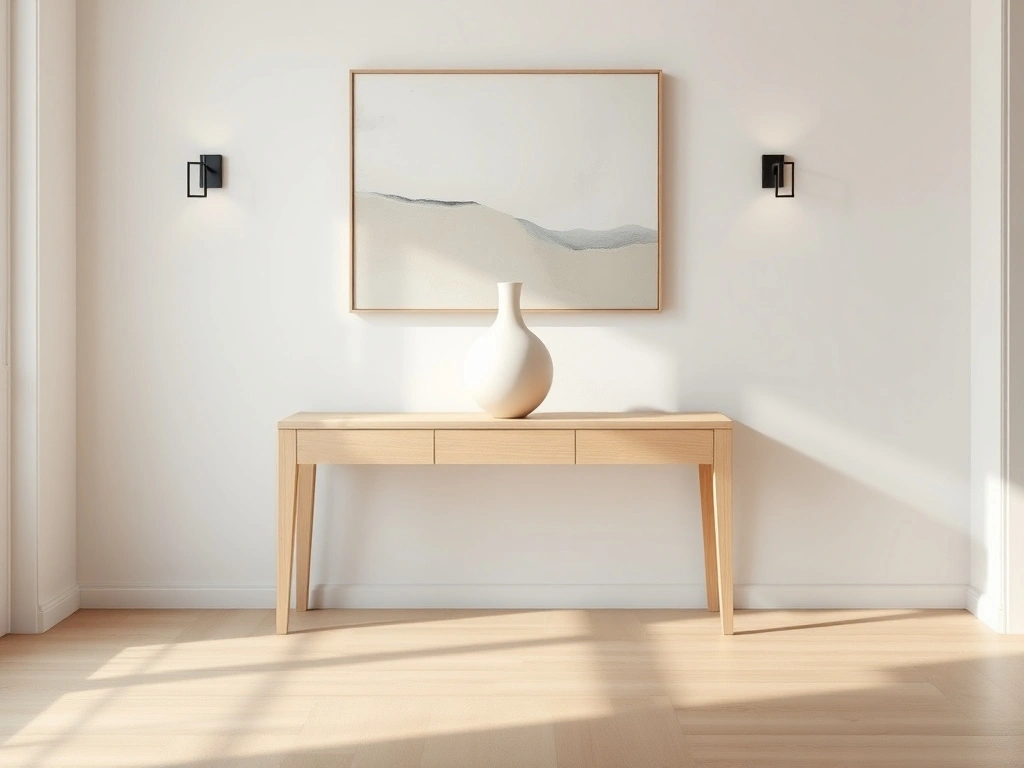
The Scandinavian aesthetic is rooted in the philosophy of ‘less is more,’ making it an ideal choice for an entryway that feels serene rather than cluttered. A slim, light-toned wood console table—think white oak or ash—serves as the perfect anchor. By keeping the surface clear of unnecessary trinkets, you allow the natural grain of the wood and the clean lines of the furniture to become the focal point. This approach works exceptionally well in smaller hallways where visual weight needs to be kept to a minimum to maintain an airy, expansive feel.
To style this look, choose one single, high-impact accessory. A sculptural ceramic vase in a matte white or neutral earth tone is often sufficient to ground the space. If you need functional storage, opt for a hidden drawer rather than surface-level baskets to preserve that coveted clean silhouette. The key to this style is the lighting; a pair of simple, geometric wall sconces in a brushed brass or matte black finish will add just enough warmth to prevent the space from feeling sterile.
A common mistake here is over-decorating; resist the urge to fill every inch of the surface. Instead, embrace the negative space. If you want to elevate the look further, pair the console with a large piece of abstract art featuring a muted, monochromatic palette. This maintains the minimalist vibe while ensuring the entryway feels intentional and thoughtful rather than empty. When everything has a place and surfaces remain largely unadorned, the entryway becomes a peaceful transition zone between the outside world and the sanctuary of your home.
Maximizing Space with Floating Console Shelves
For those navigating narrow hallways or compact apartment entryways, a floating console shelf is a masterclass in spatial efficiency. By eliminating legs, you create the illusion of a larger floor area, which instantly makes a tight space feel more open and breathable. This design choice is inherently modern and works beautifully in contemporary homes where clean, architectural lines are desired. It effectively keeps the ground plane clear, making it easier to clean and allowing for a more seamless transition between floor materials.
When installing a floating shelf, scale is paramount. You want the piece to feel substantial enough to hold a few essentials, like a catch-all tray for keys and a small lamp, without overwhelming the wall. Mounting the shelf at a height that allows for a pair of slim stools or ottomans to tuck neatly underneath is a designer-favorite trick. This provides extra seating for putting on shoes while ensuring you don’t sacrifice valuable square footage. Choose materials like reclaimed wood for a rustic contrast or a lacquered finish for a high-gloss, sophisticated look.
A common pitfall is improper installation; ensure your shelf is anchored securely into the studs, especially if you plan to place heavier items like a stone lamp or a stack of coffee table books on it. To style the area above, consider a vertical gallery wall or a tall, slender mirror to draw the eye upward, reinforcing the sense of height. This approach turns a ‘dead’ wall into a functional gallery, proving that even the most limited entryways can possess a high-end, curated feel when you think vertically and prioritize streamlined, wall-mounted solutions.
The Rule of Three for Balanced Vignettes
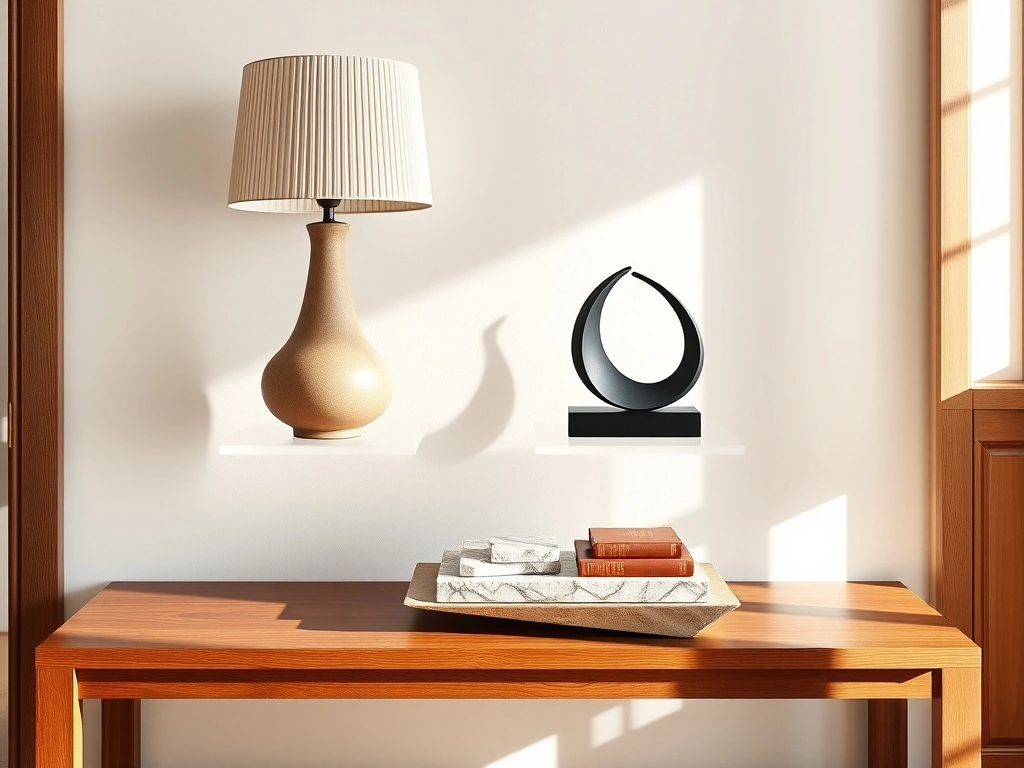
The ‘Rule of Three’ is a foundational principle in interior design that suggests grouping objects in odd numbers—specifically three—creates a more visually appealing and balanced composition. When applied to a console table, this strategy prevents your entryway from looking like a disorganized collection of items. By using objects of varying heights and textures, you create a dynamic vignette that guides the viewer’s eye across the surface. A tall element, a medium-sized piece, and a low, functional object typically form the perfect trio.
To execute this, start with a tall, vertical item like a slender table lamp or a vase with dried branches. Follow this with a medium-height object, such as a framed photograph or a piece of sculptural art. Finally, ground the composition with a low, functional item like a decorative tray or a stack of leather-bound books. This layering technique works in entryways of all sizes because it allows you to control the ‘volume’ of the decor. If your console is long, you can repeat this rule in two separate groupings, but keep the space between them clear to avoid clutter.
Avoid the mistake of choosing three items of the same height or shape, which can make the display feel static and predictable. Instead, play with contrast. Pair a glossy ceramic bowl with a rough-hewn wooden box and a metallic candle holder. The juxtaposition of textures adds depth and sophistication. Lighting is the final piece of the puzzle; ensure your tall element is positioned to cast a soft glow across the other two, highlighting their unique shapes and finishes. This method transforms a simple console into a curated display that feels both professional and deeply personal.
Adding Warmth with Natural Greenery and Botanicals
There is no faster way to breathe life into an entryway than by incorporating natural greenery. A console table is the perfect pedestal for botanicals, as it acts as a welcome mat for your home, signaling a connection to the outdoors. Whether it is a lush, sprawling fern or a simple glass vase filled with seasonal branches, greenery adds organic shape and movement to a space that might otherwise feel too rigid or formal. This is particularly effective in entryways that lack natural light, as a touch of green provides a psychological sense of vitality.
When selecting plants, consider the maintenance level and the light availability in your hallway. If your entryway is dim, a low-maintenance snake plant or a dried arrangement of eucalyptus works wonders. For a more dramatic look, choose a tall, architectural plant like a fiddle leaf fig or an olive tree placed on the floor next to the console, allowing its branches to frame the furniture piece. If you prefer smaller displays, a low-profile bowl filled with moss or succulents provides a sophisticated, modern touch without taking up too much room.
Designer tip: Pay close attention to your vessel choice. A rustic terracotta pot adds warmth and earthiness, while a sleek, hand-thrown ceramic piece feels more polished and contemporary. Avoid plastic planters at all costs; they cheapen the look of even the most expensive console table. Instead, look for materials like stone, clay, or clear glass that reflect the quality of your home’s interior. By incorporating these living elements, you create a sensory experience that welcomes you home with a soft, natural aesthetic that feels both inviting and alive.
Choosing the Perfect Statement Mirror
A mirror above a console table is more than just a place to check your appearance; it is a design tool used to amplify light and expand the sense of space. In an entryway, a statement mirror serves as the ‘wow’ factor that sets the tone for the rest of the home. When choosing a mirror, think about the shape in relation to your console. A rectangular console table often benefits from a round or arched mirror to soften the sharp, linear edges of the furniture, creating a balanced and harmonious silhouette.
Consider the finish of the mirror frame as an opportunity to introduce a new texture or color to your palette. A gilded, antique brass frame adds a touch of old-world glamour and warmth, while a thin, matte black metal frame leans into a more modern, industrial aesthetic. If you want to make the room feel larger, lean towards a frameless or oversized mirror that reflects the opposite wall, effectively tricking the eye into seeing more space than actually exists. This works exceptionally well in cramped or dark entry halls that need a boost of brightness.
A common mistake is hanging the mirror too high. It should be positioned so that it feels connected to the console, ideally about 6 to 10 inches above the tabletop. You want the mirror to act as a backdrop for your vignette, not float disconnectedly on the wall. If you are struggling with the scale, remember that the mirror should generally be no wider than the console itself, but can be significantly taller. By selecting a mirror that acts as a piece of art, you elevate the entryway from a mere pass-through to a curated, high-design zone that guests will notice the moment they step inside.
Industrial Chic with Metal and Wood Combinations
The industrial chic look is all about celebrating the beauty of raw, honest materials. Combining the warmth of wood with the edge of metal creates a sophisticated, grounded entryway that feels both durable and stylish. For the console itself, look for pieces that feature a reclaimed wood top—showing off those natural knots and imperfections—paired with a matte black or gunmetal iron frame. This style works best in homes with an open-concept layout or loft-like architectural details, as it provides a grounded, substantial focal point.
To style this look, lean into the ‘raw’ aesthetic. Use industrial-inspired accessories like a metal wire basket for mail, a heavy-duty concrete tray for keys, or a vintage-style task lamp with exposed bulbs. These items reinforce the theme without making the space feel like a workshop. The beauty of this style is its resilience; it is a very practical choice for high-traffic areas because wood and metal are forgiving materials that only look better with a bit of wear and tear. You don’t have to worry about a few scratches or dings.
Avoid over-styling with too many delicate or feminine pieces, which can clash with the boldness of the industrial frame. Instead, opt for masculine, geometric shapes. If you want to introduce color, stick to deep, moody tones like navy, forest green, or charcoal. Lighting should feel intentional; a pendant light with a metal cage shade hanging above the console can further emphasize the industrial vibe. By marrying the warmth of natural wood with the structure of metal, you create an entryway that feels incredibly solid, welcoming, and undeniably cool, setting a confident tone for the rest of your home.
Hidden Storage Solutions Using Decorative Baskets
One of the greatest challenges in entryway design is managing the ‘clutter creep’—the accumulation of mail, umbrellas, bags, and shoes that naturally congregates near the door. Decorative baskets are the ultimate designer secret for maintaining a clean aesthetic while keeping essentials within reach. By tucking woven baskets under your console table, you create a structured, organized look that hides the chaos of daily life. This is the perfect compromise for families or busy professionals who need high functionality but refuse to sacrifice style.
Choose baskets that complement your home’s color palette. For a coastal or airy feel, opt for light seagrass or rattan baskets. If your home is more traditional or moody, consider dark stained wicker or even structured fabric bins with leather handles. The key is uniformity; using three or four identical baskets creates a sense of repetition and calm, whereas a mismatched collection can quickly make the space look messy. This approach works best with open-base console tables that provide ample clearance underneath.
Avoid the mistake of using baskets that are too small or too large for the space. They should fit snugly under the table, leaving just enough room to easily slide them in and out. If you have extra space, consider adding a label to each basket to keep family members organized—for example, one for shoes, one for bags, and one for seasonal accessories like scarves and gloves. By containing your daily items in beautiful, textural baskets, you turn a potential eyesore into a design feature. It allows the console table itself to remain styled with your favorite decorative objects, ensuring the entryway stays a beautiful, serene space regardless of how busy your day has been.
Layering Textures with Ceramic Trays and Bowls
Texture is often the missing ingredient in entryways that feel flat or uninspired. By layering various materials—specifically ceramic trays and bowls—you add a tactile quality that makes the console feel curated and intentional. A ceramic tray is not just a place to drop your keys; it is a sculptural element that provides a base for your other items. Look for pieces with unique glazes, such as a reactive glaze that changes color in the light, or a hand-formed organic edge that contrasts with the straight lines of the table.
When layering, focus on the contrast between the tray and the items placed upon it. A smooth, matte ceramic bowl looks stunning when filled with something tactile, like a cluster of polished stones, smooth wooden beads, or even a collection of vintage brass keys. This contrast creates visual interest that draws the eye in. The bowl serves as a ‘container’ for small items, which prevents them from scattering across the console surface. This technique is particularly useful in entryways where you want to display items that are both functional and beautiful.
Avoid the common mistake of overcrowding the tray. It should feel like a curated selection, not a storage bin. Leave some space around the objects so the tray itself can be appreciated. Consider incorporating a mix of heights within your bowl—perhaps a tall, slender candle alongside a shorter, wider ceramic piece. Lighting plays a crucial role here; place your tray in a spot where it catches natural light, which will highlight the textures of the ceramic and the depth of the glaze. By focusing on these smaller, textural details, you ensure that even the smallest entryway feels luxurious, thoughtful, and perfectly styled to reflect your personal design aesthetic.
9. The Importance of Vertical Wall Art Anchors
A console table often feels like a floating island if it isn’t properly anchored by the wall space above it. The most successful entries use a vertical element to draw the eye upward and provide a sense of scale. Whether it is an oversized abstract canvas, a gallery of curated prints, or a dramatic mirror, the art serves as the visual weight that balances the furniture piece below.
For a sophisticated look, choose a piece that echoes the color palette of your entryway. If your console is made of dark wood, consider a gilded frame or high-contrast black-and-white photography to create visual tension. The key is in the placement: hang your artwork or mirror approximately six to eight inches above the console surface. This creates a cohesive dialogue between the furniture and the wall, ensuring the vignette feels intentional rather than haphazard.
Avoid the common mistake of hanging art too high; if it loses its connection to the table, the entryway loses its sense of intimacy. If your entryway is narrow, a large round mirror is an excellent choice, as it reflects light and adds architectural interest without overwhelming the space. For a more collected feel, lean a large, framed print against the wall rather than mounting it. This adds a relaxed, ‘lived-in’ designer quality that feels effortless and chic.
10. Selecting Ambient Lighting with Table Lamps
Lighting is the secret ingredient that transforms a simple console table into a high-end design feature. A table lamp does more than provide illumination; it adds a sculptural layer that defines the mood of your home the moment you walk through the door. I always recommend choosing a lamp with a warm-toned bulb to create an inviting, soft glow that contrasts with the harsh overhead lighting often found in entryways.
When selecting a lamp, consider the scale of your console. A petite table requires a slender, minimalist lamp, while a substantial buffet-style console can handle a bold, ceramic, or stone base with a textured linen shade. Symmetry is a classic choice for a formal look—placing a lamp on either side of the console creates a balanced, hotel-inspired aesthetic. However, for a more modern, asymmetrical approach, try pairing a single striking lamp on one side with a stack of coffee table books or a tall sculptural object on the other.
Avoid lamps that are too tall or wide for the surface area, as they can make the space feel cluttered and unusable. If your entryway lacks an outlet, consider high-quality rechargeable LED cordless lamps, which have become a game-changer for styling consoles in tricky locations. Remember, the goal is to cast a warm, ambient light that makes the space feel like a sanctuary rather than a mere transit point.
11. Modern Farmhouse Console Styling Secrets
Modern farmhouse style is all about the artful blend of rustic charm and clean, contemporary lines. To achieve this look on your console table, prioritize raw, organic materials like reclaimed wood, matte black iron, or weathered stone. The goal is to create a space that feels grounded, tactile, and inherently welcoming, avoiding the trap of over-styling with too many knick-knacks.
Start with a foundation piece—a console with a chunky wooden frame or an iron base—and layer in elements that provide texture. Think of a hand-woven seagrass basket tucked underneath for hidden storage, or a simple ceramic pitcher filled with dried eucalyptus or seasonal branches. These natural additions bring life to the space without requiring constant maintenance. Keep your color palette grounded in soft neutrals: creams, greys, and muted earth tones work best to maintain that serene, farmhouse atmosphere.
One common mistake is incorporating too many ‘theme’ items, which can quickly make an entryway look like a country gift shop. Instead, focus on quality over quantity. Choose one or two statement pieces, like a vintage dough bowl or a heavy cast-iron bowl for keys, and leave the rest of the surface breathable. By maintaining negative space, you allow the beautiful textures of the wood and stone to become the focal point of the vignette. This approach ensures your entryway feels current, sophisticated, and perfectly aligned with the rest of your home.
12. Refining Narrow Hallways with Slim-Profile Tables
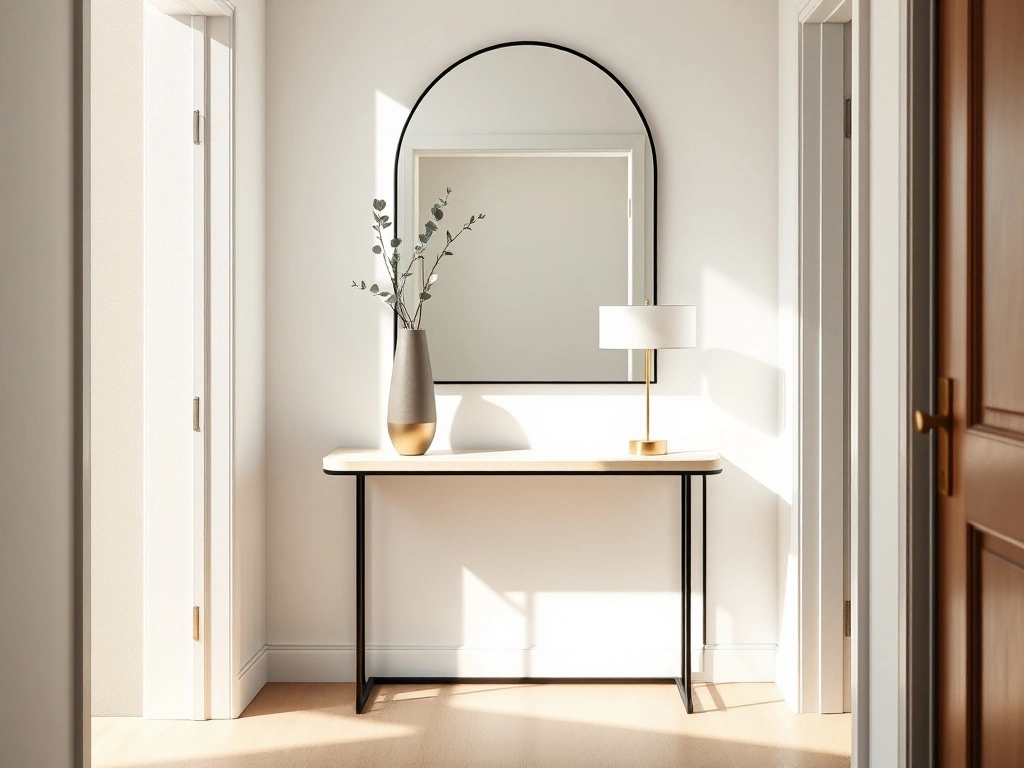
Designing for a narrow entryway is a common challenge, but it is also an opportunity to prove that functionality does not require a large footprint. A slim-profile console table, often referred to as a ‘demi-lune’ or a ‘shallow console,’ is the perfect solution. These pieces are designed to hug the wall, providing a surface for essentials without obstructing the flow of traffic in your home.
When styling a slim console, the ‘less is more’ philosophy is paramount. Because the surface is narrow, you don’t have room for large, bulky decor. Instead, focus on height and verticality. A tall, thin vase or a slender lamp will draw the eye up, making the hallway feel taller and more spacious. Use a mirror above the table to bounce light around the room, which is a classic designer trick to visually double the width of a tight corridor.
Avoid using heavy, solid bases that make the table look like a block in the hallway. Opt for tables with open, airy legs—such as hairpin legs or thin metal frames—which allow the floor to remain visible underneath. This creates an illusion of more square footage. For color, choosing a console that matches your wall color can help it ‘disappear’ into the architecture, or conversely, a high-contrast piece can turn the table into a deliberate design statement. Regardless of your choice, keep the surface tidy; a clutter-free, slim console is the ultimate sign of a well-edited home.
13. Incorporating Seasonal Decor for Fresh Transitions
Your console table is the most versatile stage in your house, and it should evolve with the seasons. Refreshing your entryway doesn’t require a total overhaul; it’s about swapping out a few key accessories to reflect the time of year. This keeps your home feeling dynamic and connected to the outdoors, which is an essential element of high-end interior design.
In the spring and summer, lean into lightness. Replace heavy, dark objects with clear glass vases, fresh cut flowers, or bowls filled with citrus fruits. The goal is to evoke a sense of airiness and renewal. When autumn and winter arrive, shift your palette toward deeper, richer textures. Swap out the glass for a heavy brass tray, add a scented candle with notes of pine or sandalwood, and replace fresh blooms with dried wheat, branches, or velvet-textured decorative objects.
One designer tip is to maintain a ‘permanent’ base layer—such as a neutral lamp or a beautiful mirror—and only change the accessories. This creates a cohesive look that feels like ‘you’ all year round, while the seasonal touches provide that delightful sense of change. Avoid the temptation to clutter the table with holiday-specific kitsch. Instead, opt for subtle, sophisticated nods to the season. A single brass ornament or a bowl of pinecones is far more elegant than an overabundance of plastic decor. By keeping the foundation consistent, you ensure your entryway always looks curated, intentional, and perfectly suited to the current moment.
14. Using Trays to Organize Daily Essentials
The biggest enemy of a stylish console table is clutter. We all have daily essentials—keys, wallets, sunglasses, and mail—that need a home, but leaving them loose on a surface creates visual chaos. The designer’s solution? The tray. A beautiful tray acts as a frame for your belongings, turning a pile of ‘stuff’ into a curated collection of daily necessities.
Select a tray that complements the material of your console. If you have a marble table, a leather or brass tray adds a beautiful, warm contrast. For a wooden table, a lacquer or stone tray provides a modern, clean finish. The key is to choose a size that fits the scale of your console; a tray that is too small will look like an afterthought, while one that is too large will dominate the entire surface. Place your tray off-center to allow room for a lamp or a decorative object, creating a balanced, tiered arrangement.
Avoid using trays with high sides if you want easy access, or low-profile trays if you have a lot of items to corral. You might even consider a lidded box if you prefer to hide your items completely from view. This is a brilliant way to maintain a minimalist aesthetic without sacrificing the functionality of your drop zone. By giving every item a ‘home’ within the tray, you prevent the entryway from becoming a dumping ground, ensuring that your first impression of the home is always one of order, calm, and sophisticated organization.
15. Mid-Century Modern Console Table Aesthetics
Mid-century modern design is timeless, characterized by its emphasis on function, organic shapes, and clean lines. A console table in this style is often a centerpiece in its own right, usually featuring tapered legs, warm wood tones like teak or walnut, and minimalist hardware. When styling a piece like this, the goal is to honor the era’s spirit while keeping the space feeling fresh and relevant to today.
Focus on iconic shapes. A low-profile, long console fits perfectly with the mid-century ethos of horizontal lines. Enhance this with decor that pays homage to the period: think geometric ceramics, a brass abstract sculpture, or a classic mid-century task lamp. The color palette should lean toward warm, natural tones—mustard yellows, burnt oranges, or deep olive greens—which act as beautiful accents against the rich wood of the table.
One common mistake is overcrowding the surface. Mid-century design thrives on negative space and clean silhouettes. Don’t feel the need to fill every inch of the table. A single, well-chosen piece of pottery and a stack of art books can be more impactful than five smaller items. Ensure your lighting follows suit; a lamp with a rounded, organic shape will complement the tapered legs of the table perfectly. By keeping the accessories minimal and the furniture the star of the show, you create an entryway that feels like a curated gallery, celebrating the timeless elegance of mid-century modern design without it feeling like a dated time capsule.
16. Creating a Functional Drop Zone for Mail and Keys
The entryway is the primary bridge between the outside world and the peace of your home. To make this transition successful, your console table must function as a high-performance drop zone. However, functionality doesn’t have to look utilitarian. By integrating smart storage solutions into your aesthetic, you can keep your daily essentials organized without sacrificing the beauty of your decor.
I recommend a ‘tiered’ approach to your drop zone. Use a decorative bowl or tray for keys and small items, and a designated, stylish vertical file or a wall-mounted envelope rack for mail. This keeps paper clutter off the surface of the console. If your console has drawers, utilize them for items you use frequently but don’t want on display, like umbrellas or spare masks. If your table is open, use beautiful, uniform baskets on the floor underneath to store shoes or seasonal accessories, keeping the walkway clear.
Avoid the trap of allowing mail to pile up. A good designer tip is to have a small recycle bin nearby or a specific system to process mail as soon as you walk in the door. The visual impact of a clean console is worth the extra few seconds of effort. For lighting, ensure your drop zone is well-lit so you can easily find what you need even when arriving home after dark. A small, motion-activated under-cabinet light hidden beneath the console or a nearby wall sconce can be a game-changer. By combining intentional storage with a beautiful surface, you create a space that works as hard as it looks.
17. Glamorous Touches with Metallic Accents and Glass
If you want to make an immediate statement of refinement the moment the front door opens, look no further than the interplay of glass and metal. A console table featuring a tempered glass top paired with a polished brass or brushed nickel frame creates a sense of airiness that prevents a hallway from feeling cramped. The transparency of the glass allows the eye to travel through the piece, maintaining a light, open aesthetic while the metallic structure introduces a necessary hit of jewelry-like sophistication.
To style this effectively, lean into the ‘curated’ look by keeping the surface uncluttered. Place a single sculptural object—perhaps a crystal vase or a heavy, metallic bowl—directly in the center. Avoid heavy stacks of paper or mail, which can quickly ruin the ethereal vibe. Instead, use small, elegant trays finished in gold or silver to corral keys and daily essentials, ensuring the functional elements feel like intentional design choices rather than afterthoughts.
Lighting is critical here. A pair of slim, modern table lamps with pleated fabric shades or blown-glass bases will cast a warm, diffused glow off the metallic finishes. This combination works exceptionally well in transitional or contemporary homes where you want to signal luxury without overwhelming the space. Avoid pairing this look with overly rustic or heavy wood furniture nearby, as it will clash with the sleek, polished narrative you are trying to build. Instead, anchor the table with a high-pile, neutral area rug to soften the reflective surfaces and add a layer of tactile comfort underfoot.
18. Bohemian Inspired Entryway Displays
Bohemian design is all about telling a story through texture, warmth, and global influence. For an entryway console, this means moving away from rigid symmetry and embracing a more organic, collected approach. Start with a console table crafted from reclaimed wood or natural rattan; the raw, weathered finish provides the perfect foundation for a layered, soulful display. This style excels in homes that embrace a relaxed, lived-in atmosphere, making guests feel instantly at ease.
When styling, think in terms of height and texture. A large, woven basket placed on the floor beneath the table serves as a beautiful catch-all for umbrellas or oversized plants. On the tabletop, group objects of varying heights: a vintage brass candle holder, a stack of art books, and a trailing pothos plant that softens the edges of the furniture. The goal is to make it look like you’ve curated these pieces over time rather than buying them in a single shopping trip.
Natural materials are essential here. Incorporate ceramic vessels, carved wooden boxes, and linen-wrapped decor to ground the space. Color-wise, stick to a palette of warm earth tones—terracotta, sage green, and creamy whites—to maintain a cohesive look. A common mistake is to overfill the space with too many small trinkets, which creates visual noise. Instead, choose three ‘hero’ pieces and let them breathe. Lighting should be warm and inviting; a rattan-shaded wall sconce positioned above the table will enhance the earthy ambiance, casting soft, dappled shadows that make the entryway feel like an intimate, curated sanctuary.
19. Balancing Scale and Proportion in Small Foyers
The biggest challenge in a compact foyer is selecting a console table that provides utility without obstructing the flow of traffic. In small spaces, the ‘floating’ console is a game-changer. By mounting a sleek, wall-hung shelf instead of a floor-standing table, you eliminate the visual weight of legs, making the floor area appear larger and more open. This creates a sense of architectural intentionality and keeps the floor clear for easier cleaning.
When choosing your piece, prioritize a slim profile—depth should ideally be between 10 to 12 inches. If you prefer a traditional table, opt for one with slim, tapered legs to maintain a sense of lightness. The length should never exceed two-thirds of the wall space available, ensuring the piece feels proportional rather than stuffed. A common mistake is choosing a table that is too tall; aim for a height that sits just below your waist, allowing for a comfortable reach when dropping off keys.
Styling in a small foyer requires extreme editing. Use a large, vertical mirror above the console to bounce light around the room and create the illusion of double the space. Keep the surface limited to a single tray for essentials and a small, delicate floral arrangement. By keeping the surface clear, you allow the piece itself to act as a functional anchor rather than a clutter magnet. Lighting should be minimal and focused; a single, slim-profile wall sconce or a recessed spotlight will draw the eye to the console without adding physical bulk. Remember, in small foyers, less is always more—the goal is to create a moment of beauty that doesn’t demand too much physical or visual space.
20. Curating a Personal Gallery Wall Backdrop
A console table is never truly finished until you address the wall space above it. Treating this area as a gallery wall backdrop transforms a simple piece of furniture into a curated art installation. Whether you prefer a grid of black-and-white photography or an eclectic mix of vintage frames and sketches, the key is to ensure the art reflects your personal narrative while maintaining a cohesive color story.
Start by selecting a unified frame finish—such as matte black, light oak, or brushed gold—to tie the collection together. The arrangement should be balanced but not necessarily symmetrical. If the console table is long, consider a series of three or four large-scale prints for a bold, modern look. If the table is smaller or more ornate, a clustered arrangement of varying frame sizes can add depth and personality. Ensure the art is hung low enough to ‘connect’ with the console table; a gap that is too wide makes the furniture look disconnected from the wall art.
For the console surface, keep the decor secondary to the wall art. A simple, low-profile bowl or a stack of design books allows the gallery wall to take center stage. Avoid cluttering the wall with too many competing elements; the console should provide a place for the eye to rest. Lighting is vital here; consider installing a picture light above the main art piece to highlight the collection and add a gallery-like feel. This approach is perfect for long, featureless hallways where you need to create a focal point. By curating a personal backdrop, you ensure that your entryway is not just a transit zone, but a reflection of your home’s unique character.
21. Budget-Friendly DIY Console Table Makeovers
You don’t need a designer budget to achieve a high-end look; sometimes, a vintage find or a basic store-bought console is the perfect candidate for a transformation. The secret to a premium DIY finish lies in the materials you choose. For instance, applying a limewash or plaster-effect paint to an inexpensive wooden table can give it the texture and gravitas of a high-end designer piece. This adds an organic, artisanal feel that instantly elevates the space.
Another effective technique is updating the hardware. Swapping out standard knobs or pulls for solid brass, leather-wrapped, or matte black architectural hardware can make a dramatic difference. If the table has a flat, uninspired top, consider adding a thin slab of marble or a piece of custom-cut stone to create a luxe, durable surface. This simple addition completely changes the weight and perceived value of the furniture. When painting, avoid high-gloss finishes; instead, opt for a matte or eggshell sheen, which feels more sophisticated and hides imperfections better.
When styling your ‘new’ piece, lean into the newfound quality of the materials. If you’ve added a stone top, keep the decor minimal to let the natural veining shine. If you’ve gone for a textured paint finish, contrast it with smooth, metallic accessories. A common mistake is to ignore the legs—make sure to sand and finish them with the same care as the body. By investing a little bit of time in the details—like adding felt pads to the bottom of decor items or ensuring the paint is perfectly smooth—you can create a piece that looks like it belongs in a high-end boutique gallery. The result is a custom, one-of-a-kind console that tells a story of creativity and intentional design.
22. Utilizing Under-Table Space for Seating Ottomans
The area beneath a console table is prime real estate that is often overlooked. In a functional home, this is the perfect place to tuck away a pair of stools or ottomans. Not only does this solve the problem of needing extra seating when guests arrive, but it also provides a sense of fullness and intentionality to the entryway. The key is to choose ottomans that complement the scale and style of the table—think clean lines and luxurious fabrics like velvet, linen, or boucle.
When selecting your seating, ensure they fit neatly under the console without looking like they are being crammed in. A gap of a few inches on either side creates a sophisticated, ‘designed’ look. If you have a long table, two matching ottomans create a symmetrical, high-end aesthetic. For a smaller table, a single, round pouf can add a softer, more organic shape that breaks up the rigid lines of the hallway. This is a brilliant solution for smaller homes where every piece of furniture needs to pull double duty.
Styling these ottomans is just as important as the table itself. Choose fabrics that add warmth to the space; a nubby boucle or a rich, dark velvet can provide a beautiful contrast to a wooden or metal console. Avoid busy patterns that might compete with other elements in the entryway. Instead, stick to a monochromatic or neutral palette that blends with the flooring. By filling this space, you ground the console, making it feel like a substantial, permanent part of the home’s architecture rather than a floating shelf. It’s a practical, designer-approved trick that adds depth, texture, and unexpected function to your home’s first impression.
23. Sophisticated Monochrome Entryway Styling
Monochrome styling is the hallmark of a sophisticated, confident designer. By sticking to a single color family—whether it’s shades of cream, charcoal, or deep navy—you create a cohesive, serene environment that feels incredibly intentional. The secret to making a monochromatic look work is not the color itself, but the variety of textures you layer within that palette. A charcoal console table paired with a matte black lamp, a dark ceramic vase, and a slate-toned tray creates depth without needing a splash of contrasting color.
When working with a monochrome theme, focus on finishes. Mix matte, glossy, and textured surfaces to prevent the space from feeling flat. A lacquered console table, for example, looks stunning when paired with a rough, hand-thrown ceramic bowl and a smooth, leather-bound book. This play on light reflection adds complexity to the design. In a monochrome entryway, the lighting should be equally considered; a lamp with a sculptural base in the same color as the table creates a seamless, monolithic effect that is very popular in modern, high-end interiors.
A common mistake is to choose items that are too similar in tone; you need enough variation in shade to define the different objects. If your table is dark, choose accessories that are a slightly lighter or darker shade of the same hue to ensure they don’t disappear into the background. Use shadows to your advantage by placing the console against a wall painted in a complementary shade. This approach is best for homeowners who want their entryway to feel calm, organized, and undeniably chic. It eliminates visual clutter and creates a powerful, architectural statement that sets the tone for the rest of the house.
Frequently Asked Questions
How do I choose the right height for an entryway console table?
The ideal console table height typically ranges between 30 and 36 inches, which aligns well with the standard height of most entryway mirrors and wall art. When selecting your table, consider the height of your front door handle and any nearby light switches. You want the table to feel proportional to the wall space without overwhelming the entry. If you plan to use it as a functional drop zone, ensure it sits at a comfortable height for placing keys or mail without having to reach too high or bend down awkwardly.
What is the best way to style a console table in a very narrow hallway?
For tight spaces, prioritize a slim-profile or ‘demi-lune’ console table that offers a shallow depth, usually under 12 inches. Focus on verticality rather than horizontal clutter; use a tall, slender mirror or artwork to draw the eye upward, which makes the area feel more expansive. Keep the tabletop surface clear by using wall-mounted hooks for keys or a single, low-profile decorative tray. By keeping the floor beneath the table clear—or tucking in a single slim ottoman—you maintain a sense of openness while keeping the area functional and stylish.
How can I keep my entryway console table from looking cluttered?
The secret to a curated look is the ‘Rule of Three’ and the use of hidden storage. Group decorative items in odd-numbered clusters to create visual interest, but leave some ‘negative space’ on the tabletop so it doesn’t look overcrowded. Incorporate decorative baskets or lidded boxes on the lower shelf or tucked underneath the table to hide away everyday items like mail, dog leashes, or umbrellas. By designating a specific home for every item, you ensure that your console table remains a beautiful focal point rather than a dumping ground for household overflow.
Should I match my console table to the rest of my home’s decor?
Your entryway serves as a preview of your home’s design language, so it is helpful to incorporate elements that echo your interior style. If your home has a modern farmhouse aesthetic, lean into raw wood textures and black iron hardware. If you prefer mid-century modern, look for tapered legs and organic shapes. You don’t need to match every piece perfectly, but maintaining a consistent color palette or a shared material—like gold accents or walnut wood—creates a cohesive flow that makes your home feel thoughtfully designed from the moment guests walk through the door.
What are some practical lighting options if my entryway lacks natural light?
If your foyer is dim, a table lamp is your best friend. Choose a lamp with a stylish shade that complements your table’s design and provides a warm, ambient glow rather than harsh overhead light. If tabletop space is limited, consider installing a wall sconce above the console or a slim, plug-in LED bar hidden behind a piece of art to create a ‘halo’ effect. Adding a mirror behind your lamp is another clever designer trick; the reflective surface will bounce the light around the room, instantly brightening the space and making it feel larger.
Conclusion
Your entryway is more than just a place to drop your keys; it is the first impression of your home and a reflection of your personal style. By carefully selecting a console table that fits your space and layering it with intentional decor, lighting, and storage, you can create an area that is as functional as it is beautiful. Whether you opt for a minimalist Scandinavian look or a warm, bohemian display, the key is to balance daily utility with your unique aesthetic vision.
We encourage you to start small. Choose one of these 23 ideas—perhaps clearing the clutter with a new tray or adding a statement mirror—and see how it transforms the energy of your foyer. You have the tools to turn this transition space into a curated highlight of your home. Take a step back, experiment with your favorite pieces, and enjoy the process of making your entryway a welcoming, stylish retreat.