There is an undeniable magic in a quiet corner bathed in natural light, yet many of us overlook the potential of the space directly beneath our windows. Far from being just an architectural afterthought, this area holds the secret to transforming a cold, empty wall into the most coveted sanctuary in your home.
Whether you are struggling with a lack of square footage or simply searching for a way to add character to a sterile room, the right design can solve both your storage woes and your need for a peaceful retreat. A well-planned nook offers more than just a place to sit; it provides a functional anchor that elevates the entire flow of your living space.
In this guide, we are exploring a curated collection of window seat ideas that balance high-end aesthetics with everyday utility. From navigating custom carpentry to choosing the perfect sun-resistant textiles, we will walk you through the practical steps to building a beautiful, purposeful nook that reflects your personal style and stands the test of time.
Maximizing Vertical Space with Floor-to-Ceiling Built-ins
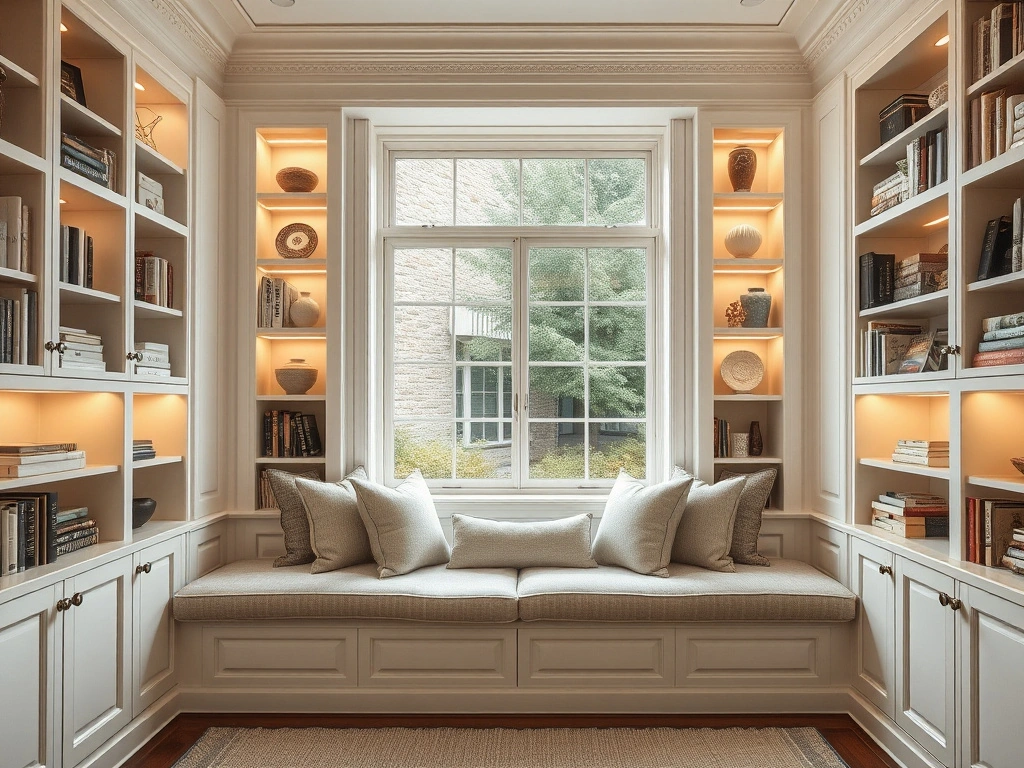
When you have a window that feels disconnected from the room, framing it with floor-to-ceiling cabinetry is the ultimate architectural power move. By extending your window seat into a full-height surround, you transform a simple ledge into a grand, library-inspired alcove. This creates a vertical focal point that draws the eye upward, making ceilings feel significantly higher and rooms feel more expansive.
This approach works best in living rooms or studies where you need both seating and display space. Use the vertical portions for open shelving to house your curated collection of art books and ceramics, while keeping the seat itself dedicated to comfort. To maintain a cohesive look, paint the built-ins the same color as your wall trim—a soft, creamy white or a moody charcoal works beautifully to ground the space.
Avoid the mistake of making the shelving too deep; twelve inches is usually sufficient for books and decor. If you want a designer-inspired touch, incorporate integrated LED strip lighting within the shelves to cast a warm, ambient glow across your accessories in the evening. This creates a refined, gallery-like atmosphere that turns a functional nook into a sophisticated design statement.
Ergonomic Dimensions for Optimal Seating Comfort
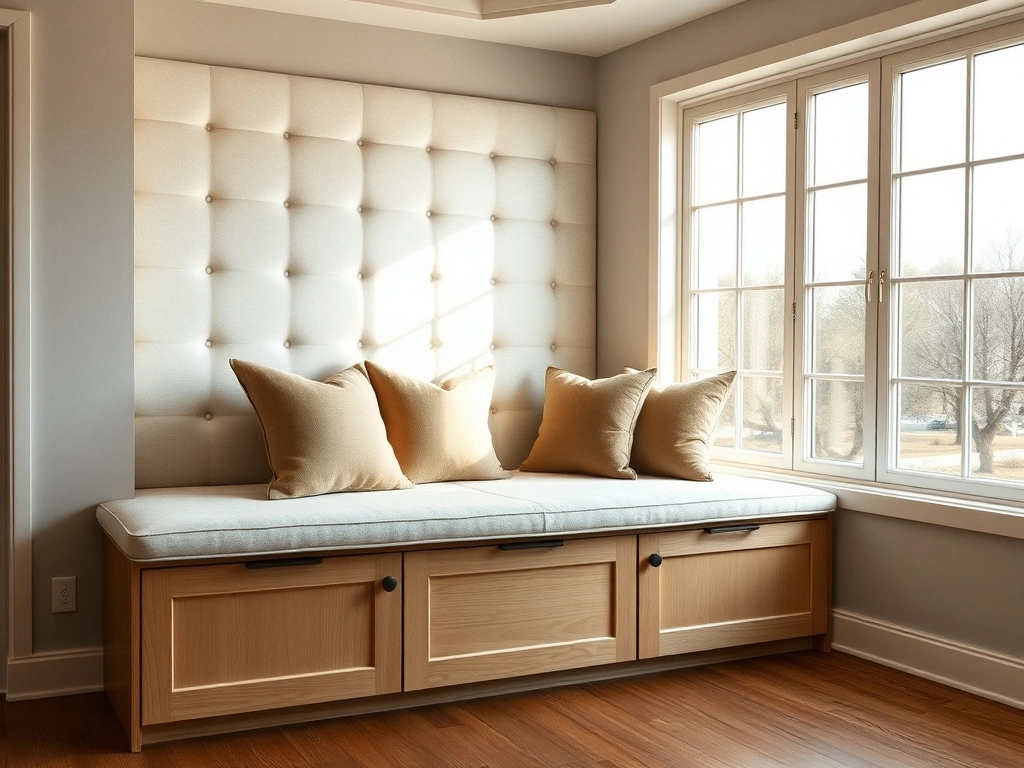
A window seat is only as successful as its comfort level. Many homeowners overlook the technical side of ergonomics, resulting in a nook that looks lovely but feels awkward to sit in for more than ten minutes. For a truly relaxing sanctuary, your seat height should typically land between 18 and 20 inches from the floor, including the cushion thickness. This mimics the standard height of a high-quality sofa.
Depth is equally crucial. If you intend for this to be a reading nook, a depth of at least 24 to 28 inches allows you to curl up comfortably with a blanket. If the seat is too shallow, you will feel like you are perched on a ledge; too deep, and you will struggle to find back support. Always pair your seat with oversized, high-density foam cushions that won’t flatten out over time.
For back support, do not rely solely on the window wall. Mount a row of plush, down-filled throw pillows or, better yet, install a custom upholstered back panel directly to the wall. This adds a layer of softness and keeps you from leaning against cold glass or hard plaster. The goal is to create a seamless transition between the architecture and the upholstery, ensuring that your window seat feels less like a piece of furniture and more like an extension of the room’s comfort.
Integrating Deep Drawers for Hidden Bedroom Storage
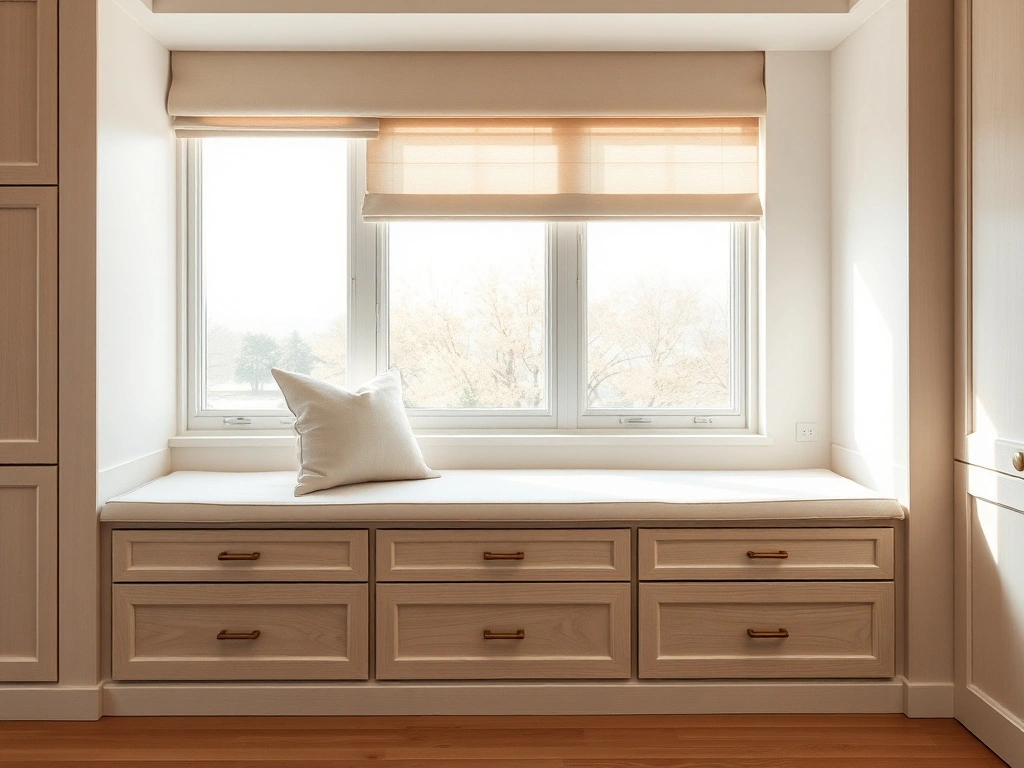
In smaller bedrooms, every square inch of floor space is precious. A window seat provides the perfect opportunity to reclaim lost utility by incorporating deep, functional drawers beneath the seating surface. This is an ingenious way to manage seasonal linens, extra pillows, or even out-of-season clothing without cluttering your closet.
For a clean, high-end look, opt for push-to-open hardware rather than traditional knobs or pulls. This keeps the facade of the bench sleek and uninterrupted, allowing it to blend into the bedroom architecture seamlessly. If you are working with a long run, consider dividing the space into two or three large drawers rather than one oversized one; this prevents the drawer slides from bowing under heavy weight and makes the storage much easier to organize.
When styling these drawers, ensure the base is elevated slightly on a recessed plinth. This provides a ‘floating’ effect that makes the cabinetry look custom-built rather than like a bulky box sitting on the floor. Pair this with a soft roman shade in a tactile fabric like wool or linen to soften the hard edges of the woodwork. This setup works exceptionally well in guest rooms, where you can offer visitors extra storage while providing them with a quiet, sun-drenched spot to enjoy their morning coffee.
Designing Around Radiators with Custom Venting Solutions
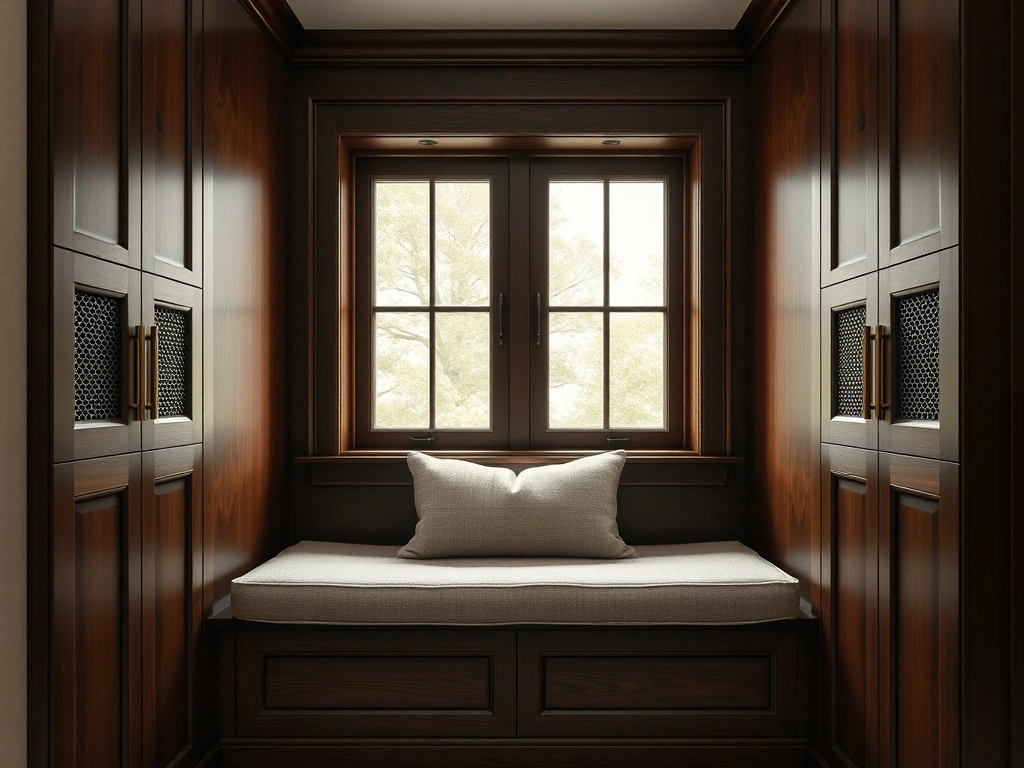
Radiators are often the primary obstacle to installing a window seat, but they don’t have to be a dealbreaker. With careful design, you can enclose a radiator within a custom bench, provided you prioritize proper airflow. The key is to include decorative metal or wood grilles on both the front face and the top of the bench to allow heat to escape efficiently into the room.
Never completely seal a radiator inside a box, as this is a significant fire hazard and will trap heat that should be warming your home. Instead, treat the radiator cover as a design element. Use brass or antique bronze mesh grilles to add a touch of metallic warmth to your space, which pairs beautifully with dark wood or painted cabinetry. This creates a refined, classic look that feels right at home in older, character-filled properties.
If you are worried about the seat getting too hot, use a thick, breathable natural fiber cushion, such as wool or heavy-duty cotton. These materials handle temperature fluctuations better than synthetics. By turning an awkward heating unit into a functional piece of furniture, you not only gain a cozy seat but also elevate the overall aesthetic of your room. It is the ultimate solution for turning a ‘problem area’ into a sophisticated, highly practical architectural feature.
Choosing UV-Resistant Fabrics for Sun-Drenched Nooks
Because window seats are positioned in the path of direct sunlight, fabric selection is the most critical decision you will make. Standard cottons and linens will fade and weaken over time when exposed to constant UV rays. To ensure your investment lasts, look for high-performance, solution-dyed acrylics or specialized indoor-outdoor fabrics that are engineered to resist fading.
Modern performance fabrics have come a long way; they no longer feel stiff or plastic-like. Many high-end textile houses now offer luxury weaves that mimic the look and feel of heavy linens or chenille while offering superior UV protection. When choosing colors, lean toward lighter, neutral tones like oatmeal, sand, or soft sage. These colors are inherently more forgiving if minor fading occurs, and they keep the space feeling light and airy.
Avoid dark, saturated pigments if the window faces south, as these are the first to show sun-bleaching. If you absolutely love a bold color, consider adding a secondary sheer curtain or UV-filtering film to the window glass to protect the upholstery. For a designer touch, finish your cushions with a subtle piped edge in a contrasting, durable fabric. This adds a tailored, professional look that holds its shape and style for years, even in the brightest corners of your home.
Freestanding Bench Options for Rental-Friendly Upgrades
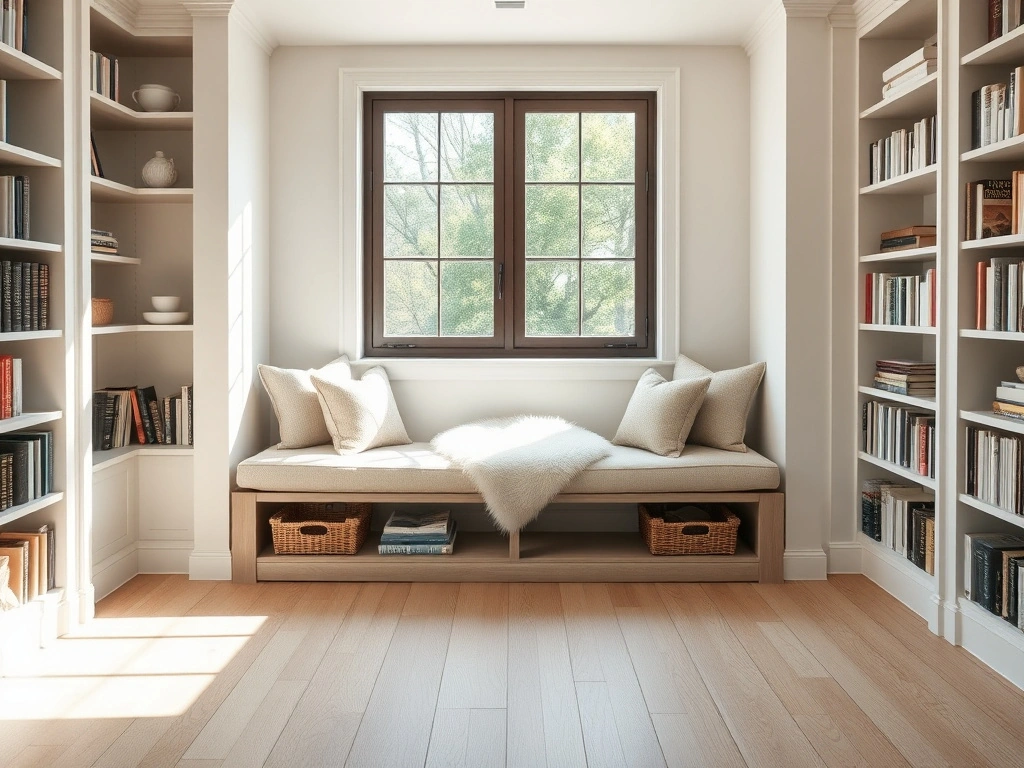
If you are renting or simply not ready to commit to a permanent, built-in structure, a high-quality freestanding bench is your best friend. A sturdy, upholstered bench placed directly beneath a window can offer almost all the benefits of a custom build without the need for contractors or heavy renovations. The trick is to choose a piece that is properly scaled to the window width; you want the bench to feel intentional, not like a temporary afterthought.
Look for benches with clean, architectural legs or a solid, upholstered base that touches the floor. A bench with a lower shelf is an excellent way to introduce more storage without the complexity of drawers. You can style this shelf with woven baskets for books, magazines, or cozy blankets, which adds texture and warmth to the space.
To make a freestanding bench feel ‘built-in,’ flank it with tall floor lamps or a pair of slim bookshelves on either side. This anchors the furniture and creates a defined zone. Choose a bench with a frame made of solid wood or powder-coated metal to ensure it can withstand daily use. By adding high-quality textiles and a collection of throw pillows, you can easily elevate a standard piece of furniture into a bespoke-looking reading nook that you can take with you when you move.
Creating a Minimalist Modern Look for Urban Apartments
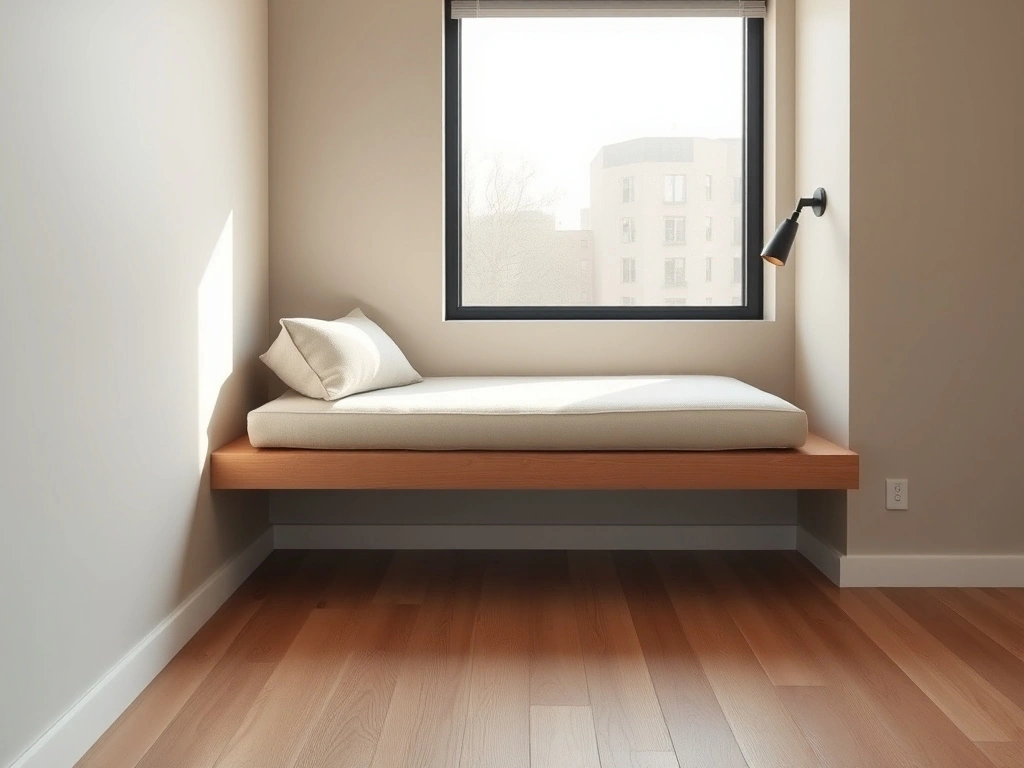
In urban apartments, minimalism is often a necessity, but it can also be a design strength. A minimalist window seat should focus on clean lines, monochromatic color palettes, and hidden functionality. Instead of ornate cushions or busy patterns, opt for a single, long mattress-style cushion upholstered in a durable, tight-weave fabric like a heavy-duty wool blend or a refined bouclé.
To achieve this look, keep the base of the seat simple. A floating design—where the bench appears to hover slightly above the floor—is perfect for small spaces because it maintains the visual flow of the floorboards, making the room feel larger. Use a matte finish for any visible woodwork to avoid distracting reflections, and stick to a palette of creams, greys, or soft earth tones to keep the mood calm and serene.
Lighting is critical in a minimalist setting. Rather than adding a table lamp that consumes surface space, install a sleek, articulating wall sconce nearby. This provides focused light for reading while keeping the window area clutter-free. The goal is to create a ‘less is more’ sanctuary that feels like a quiet escape from the city outside. By stripping away the unnecessary, you emphasize the quality of the materials and the beauty of the natural light pouring in, creating a space that feels both intentional and incredibly tranquil.
Utilizing Bay Window Architecture for Panoramic Seating
A bay window is a gift to any interior designer, offering the perfect footprint for a dramatic, panoramic seating area. Because the shape is already defined by the architecture, the key here is to follow the angles precisely. A custom-cut cushion is non-negotiable; you want a seamless fit that follows every curve of the bay, ensuring there are no awkward gaps where the seat meets the wall.
Given the expansive nature of a bay window, this area acts as a focal point for the entire room. You can afford to be a bit more expressive with your textiles here. Consider a sophisticated, low-profile pattern or a rich, tactile velvet that catches the light differently throughout the day. Because bay windows often have glass on three sides, they can become quite cold in the winter; ensure your seat base is well-insulated to provide a comfortable, warm place to sit.
To enhance the panoramic feel, avoid heavy curtains that block the view. Instead, use Roman shades mounted inside the window frame. This keeps the focus on the outside world while providing privacy when needed. If the bay window is large enough, treat it as a secondary living area by adding a small, low-profile drink table in the center. This turns the space from a simple seat into a functional lounge, perfect for enjoying a morning tea while watching the world go by. It is the ultimate expression of luxury, blending the indoors with the beauty of the landscape.
Adding Library Shelving Beneath Your Window Bench
Transforming the dead space beneath a window into a mini-library is the ultimate marriage of form and function. By integrating open cubbies or closed cabinetry into the base of your bench, you turn a simple seating area into a curated sanctuary. This works exceptionally well in home offices or secondary bedrooms where vertical storage is limited, effectively clearing clutter while grounding the window as a focal point.
When designing your shelving, aim for a depth of at least twelve inches to accommodate standard hardcover books comfortably. If you prefer an open-shelving look, consider painting the interior of the cubbies a contrasting, darker tone—like a deep charcoal or navy—to create depth and make your book collection pop. For a more sophisticated, tailored appearance, incorporate glass-fronted cabinets to protect your volumes from dust while maintaining visual access.
One common mistake is neglecting the hardware. Ensure your shelves are supported by high-quality cabinetry grade fasteners to prevent sagging over time. If you’re working with a radiator beneath the window, consult a carpenter to build a custom metal-grated cover that allows heat to circulate safely while still providing the base for your shelving unit. To elevate the aesthetic, install a small wall-mounted brass sconce above the bench to highlight the spines of your books, turning your collection into a living piece of art. This setup is best suited for rooms with lower windowsills where the seating height aligns perfectly with standard library dimensions, creating an inviting, scholarly atmosphere that encourages you to linger.
Selecting High-Density Foam for Long-Term Support
The secret to a window seat you’ll actually use is the cushion density. While it’s tempting to opt for something soft and cloud-like, a window bench requires firm, high-density foam to prevent the seat from bottoming out against the wood frame. Think of this as the foundation of your wellness nook; if the support isn’t there, the comfort won’t last beyond the first ten minutes of reading.
For a professional-grade finish, I always recommend a high-density polyurethane foam with a minimum 2.0-pound density rating. This ensures the cushion maintains its shape for years, even with daily use. Wrap the foam in a layer of polyester batting before applying your upholstery fabric; this adds a subtle loft and creates a crisp, tailored edge that looks bespoke rather than DIY. If you really want to lean into luxury, consider a ‘sandwich’ construction: a firm base layer of high-density foam topped with a two-inch layer of memory foam for that initial touch of softness.
Avoid cheap, low-density foams that will lose their structure after a single season. When selecting your fabric, prioritize high-performance linens or bouclé blends that are treated for UV resistance, as window seats are prone to sun-fading. A common mistake is failing to secure the cushion to the bench; use a hidden Velcro strip or a non-slip rug pad underneath the fabric cover to keep everything neatly in place. By investing in the right core materials, you ensure your window seat remains a premium, supportive refuge rather than a sagging eyesore.
Incorporating Task Lighting for Evening Reading Sessions
A window seat is a daytime dream, but without the right lighting, it becomes obsolete once the sun sets. To extend the functionality of your nook into the evening, you need to layer in task lighting that feels intentional rather than utilitarian. The key is to avoid harsh overhead bulbs in favor of directional, warm-hued light that mimics the soft glow of a sunset.
For a polished look, wall-mounted swing-arm sconces are the gold standard. They provide focused illumination directly onto your book or tablet without taking up any precious seat surface. If you have the luxury of custom millwork, consider installing recessed LED strips beneath the upper window casing or hidden within a shelf above the seat. This creates a soft, ambient wash of light that frames the window beautifully. Always opt for ‘warm white’ bulbs in the 2700K range to maintain that cozy, inviting atmosphere.
A common mistake is placing light sources too high, which can cause glare on your pages. Aim to position your sconces at shoulder height when you are seated, ensuring the light hits your reading material at an angle rather than directly in your eyes. If hardwiring isn’t an option, use high-end cordless, rechargeable LED sconces that can be mounted with adhesive strips; these have come a long way in design and offer a clutter-free solution for renters. Pair your lighting with a dimmer switch or a smart bulb to transition the mood from a bright, productive afternoon study session to a dim, relaxing evening retreat. This level of detail transforms a simple window bench into a sophisticated, multi-purpose zone that works around the clock.
Cozying Up with Textural Layering and Throw Pillows
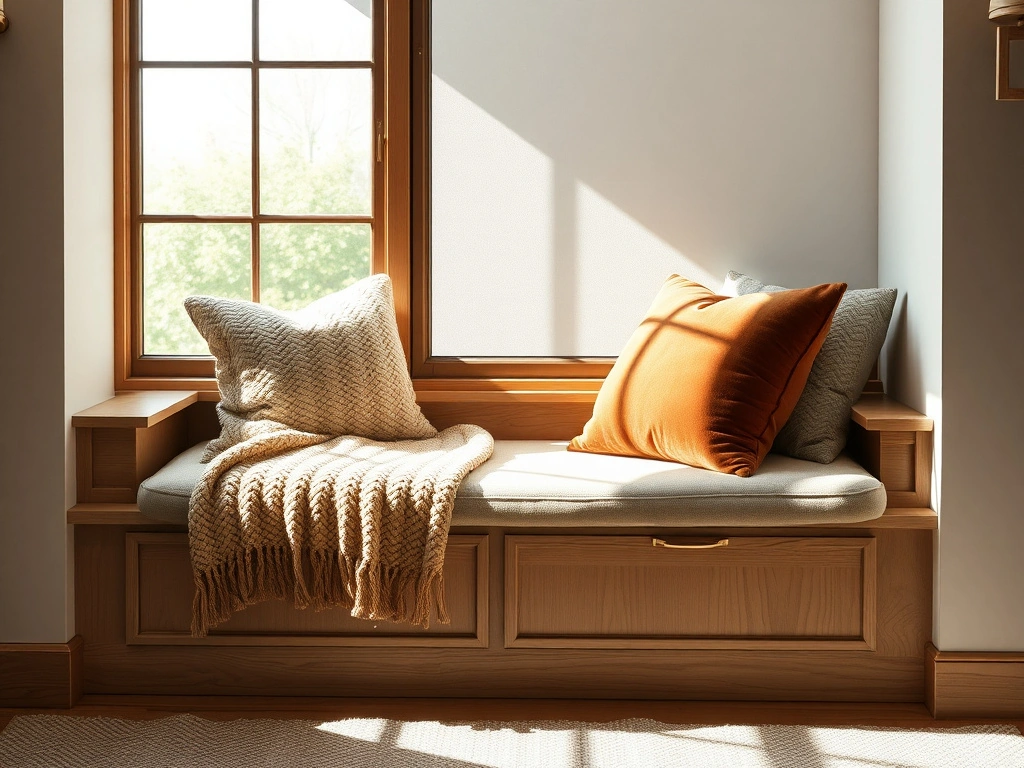
Textural layering is what separates a standard bench from a designer-grade sanctuary. A window seat is inherently architectural, so it needs soft elements to balance out the hard lines of the window frame and the wooden base. Start with a solid foundation—a seat cushion in a neutral, durable fabric—and then build personality through your selection of pillows and throws.
Think about contrast when choosing your textiles. If your cushion is a smooth, high-performance linen, introduce a chunky knit wool throw or a velvet pillow cover to add depth. I love mixing materials like mohair, heavy-weight cotton, and even a touch of leather to create a sophisticated, lived-in vibe. This layering technique not only provides physical comfort but also makes the space visually ‘warm’ and inviting, even on the coldest winter days.
When arranging your pillows, remember that less is often more. Two oversized, structured lumbar pillows are much more effective for lounging than a cluster of small, decorative pillows that just end up on the floor. For a professional touch, use down or synthetic down-alternative inserts that are slightly larger than the pillow covers; this gives them that ‘karate-chopped’ look that is synonymous with luxury styling. Avoid synthetic, shiny fabrics that look cheap under direct sunlight. Instead, opt for organic textures that age beautifully and feel good against the skin. By keeping your color palette tight—perhaps varying shades of oatmeal, terracotta, and sage—you create a cohesive look that feels like a natural extension of the room’s design while inviting you to curl up and stay a while.
Floating Window Seats for an Airy Aesthetic
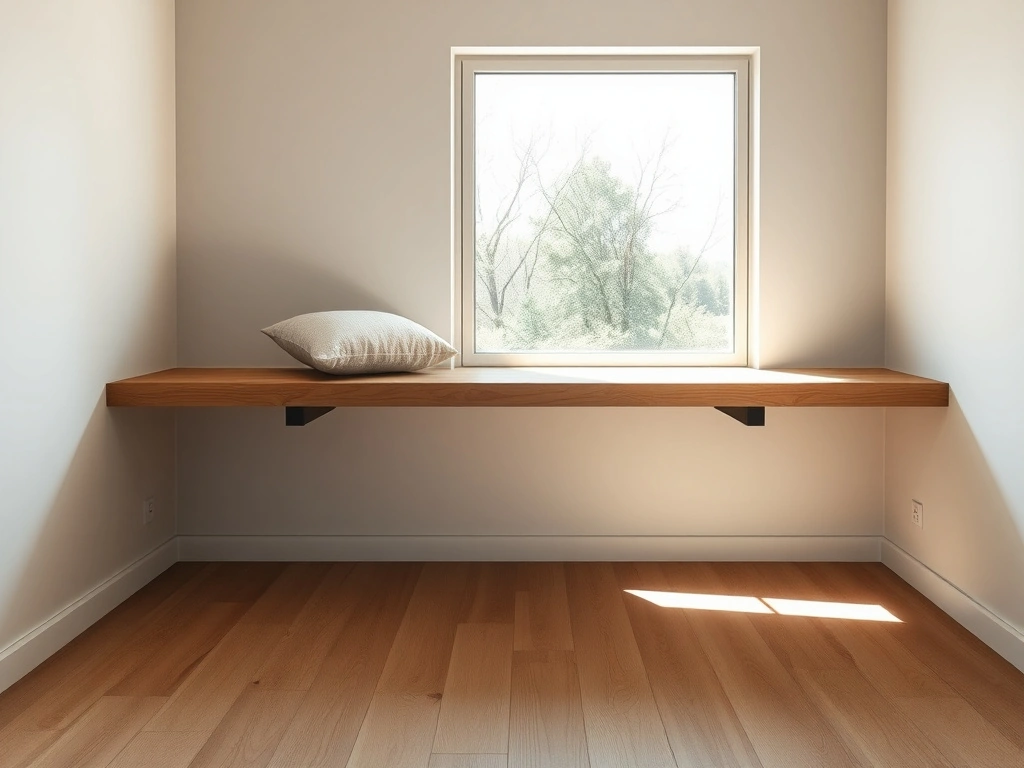
If you want to maintain a sense of space in a smaller room, a floating window seat is a brilliant design choice. By mounting the bench to the wall without traditional legs or a closed base, you create an ‘airy’ effect that keeps the floor visible and makes the room feel significantly larger. This is particularly effective in modern, minimalist homes or bedrooms where heavy cabinetry would feel too imposing.
To achieve this look, you need a heavy-duty, concealed bracket system. The bench must be properly anchored to the wall studs to ensure safety and stability. The underside of the seat becomes an opportunity for design; you can paint it the same color as the wall to make it disappear, or finish it in a contrasting wood tone to draw attention to the architectural ‘floating’ detail. This setup is perfect for those who want a clean, uncluttered floor line, making it much easier to vacuum or place a small floor lamp beneath.
One common mistake is underestimating the weight load. Ensure your contractor uses structural steel brackets that are fully rated for the weight of multiple people. Because the underside is exposed, keep the construction clean—avoid visible screws or rough edges. A floating seat works best under wider, floor-to-ceiling windows where the horizontal line of the bench can mimic the window’s span, creating a seamless connection between the indoors and the view outside. It’s a chic, contemporary approach that feels intentional and high-end, proving that you don’t need bulky storage to have a functional, beautiful window seat.
Custom Millwork Features for a Seamless Architectural Finish
Custom millwork is the difference between a window seat that looks like an afterthought and one that looks like it was part of the original blueprint. When you opt for built-in cabinetry, you have the opportunity to integrate the seat into the room’s existing trim, wainscoting, or crown molding. This creates a cohesive, high-end finish that feels permanent and luxurious.
Work with a carpenter to match the profile of your window casing to the edges of your bench. If your home has traditional details, consider adding decorative side panels or base molding that ties the bench into the rest of the room’s architecture. For a more modern aesthetic, go for flush-mount doors and push-to-open latches that keep the look clean and handle-free. The goal is to make the bench look like it grew out of the wall, rather than being attached to it.
One designer tip is to wrap the bench in the same material as your window frame if possible, or paint it a contrasting tone that highlights the architecture of the window itself. If you are building around an awkward radiator, custom metal grilles can be powder-coated to match the millwork, turning a utility problem into a design feature. Avoid generic, store-bought furniture pushed against a window; it rarely fits the exact dimensions and leaves unsightly gaps that collect dust. By investing in custom millwork, you gain not only a beautiful, perfectly fitted seat but also significant storage and a sophisticated architectural element that adds real value to your home.
DIY Window Seat Kits for Weekend Renovators
For the weekend renovator, modular DIY window seat kits offer a fantastic middle ground between expensive custom cabinetry and flimsy, store-bought benches. These kits typically come as a series of pre-fabricated boxes that you can configure to fit your specific wall length, allowing you to create a professional-looking built-in aesthetic without the need for advanced carpentry skills.
The beauty of these kits lies in their versatility. You can start with basic base cabinets and then add your own trim, crown molding, and baseboards to make them look custom. After assembly, painting the entire unit the same color as your wall—or even a bold, moody accent color—is the secret to making it look expensive. It hides the seams and creates a unified, ‘built-in’ appearance that will leave your guests guessing whether it was a professional installation.
When choosing a kit, look for solid wood or high-density MDF construction rather than particle board, as it will hold up much better under the weight of people sitting on it. A common mistake is failing to level the floor before installation; if your floor is slightly sloped, your bench will be crooked, and your doors will not align. Use shims to ensure everything is perfectly level, and then cover the gap with base molding. Once the structure is set, add a custom-cut high-density foam cushion and some beautiful hardware to complete the look. It’s an accessible way to gain storage and a cozy reading spot in just a weekend, proving that you don’t need a massive budget to achieve a designer-worthy result.
Styling Nooks with Roman Shades for Privacy and Light Control
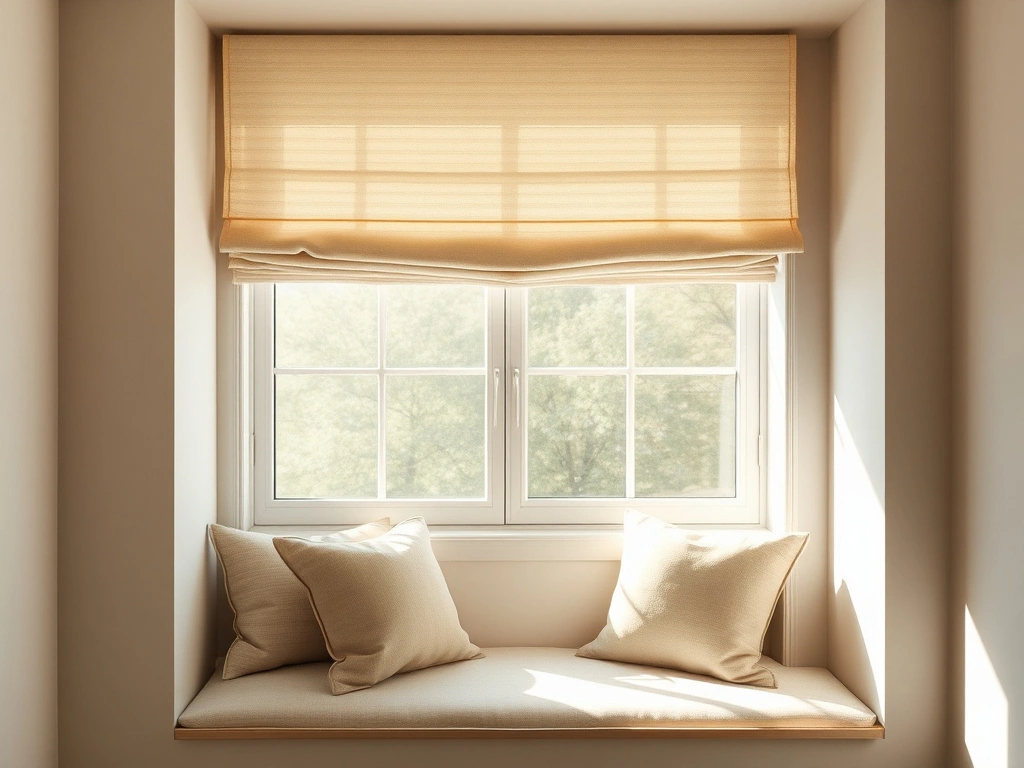
Window treatments are the jewelry of your window seat, and for a cozy nook, nothing beats the tailored elegance of a Roman shade. Unlike heavy drapery that can feel bulky in a small area, Roman shades offer a clean, streamlined look that provides privacy without obscuring the view or taking up precious space. They are particularly effective for window seats because they can be mounted inside the window frame, keeping the seat area completely clear.
When choosing fabric for your shades, consider the function of the room. If it’s a bedroom, a blackout-lined linen shade will give you the ultimate control for afternoon naps. In a living room or sunroom, a lighter, semi-sheer fabric will diffuse the harsh midday sun into a soft, golden glow, creating the perfect atmosphere for reading. The folds of the Roman shade add a layer of texture that softens the hard edges of the window, making the entire nook feel more intimate and ‘finished.’
One professional tip is to mount the shade as high as possible—right up against the ceiling or the top of the window casing—to create the illusion of taller, more dramatic windows. Avoid shades that are too thin; look for options with a bit of body, like a cotton-linen blend, so they fold crisply when raised. A common mistake is choosing a pattern that is too busy for the space; stick to solids or subtle, textural weaves to keep the focus on the serenity of the nook. By coordinating the color of your shades with your seat cushions, you create a cohesive, designer-curated look that feels both practical and incredibly stylish.
Implementing Lift-Top Lids for Bulky Item Storage
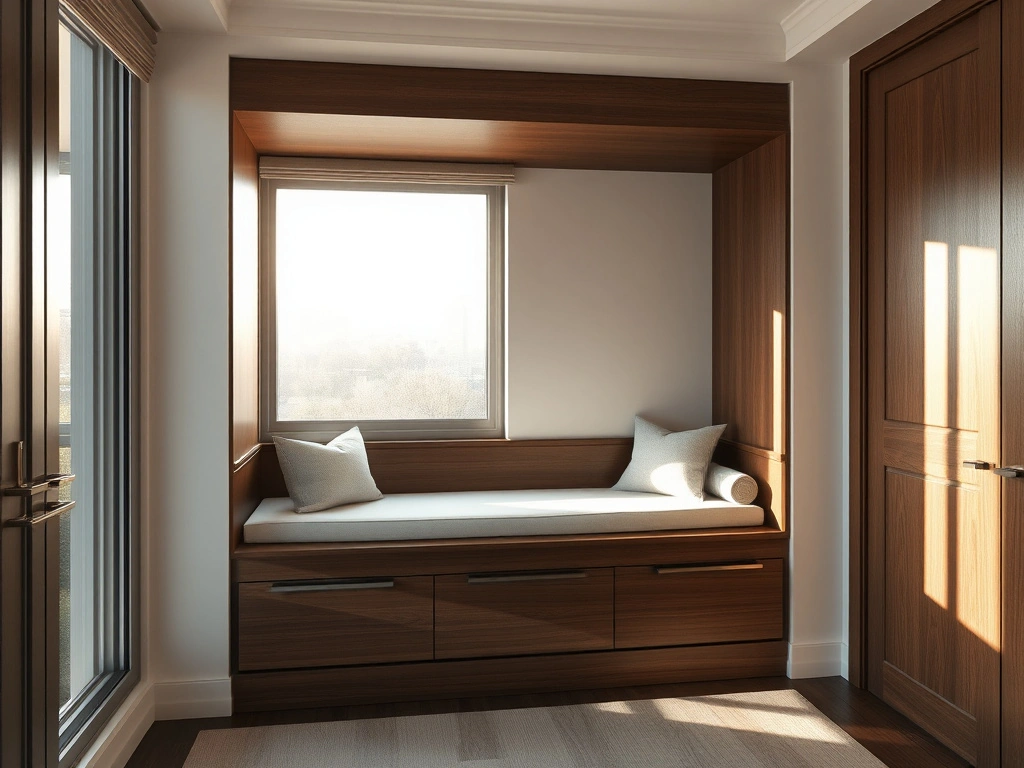
A window seat is the ultimate architectural double-agent, serving as both a serene lounging spot and a clever storage solution. By incorporating a lift-top lid, you transform dead space beneath a window into a hidden compartment for seasonal blankets, bulky board games, or guest linens. This design works best in bedrooms or living areas where floor space is at a premium and clutter tends to accumulate.
When executing this, opt for high-quality soft-close hinges. This simple hardware addition prevents the lid from slamming shut, protecting little fingers and ensuring the piece feels premium rather than utilitarian. For the construction, choose durable materials like birch plywood or custom millwork that matches your home’s existing architecture. If you are worried about the weight, consider split-lid designs that allow you to access one side without clearing the entire seat of cushions.
Styling-wise, keep the top surface uncluttered. A long, custom-fitted seat cushion is essential for comfort; look for high-performance fabrics like linen blends or heavy-duty cottons that can withstand the weight of someone sitting on the lid frequently. Avoid using heavy hardware that protrudes, as it can snag fabrics or cause discomfort. For a seamless look, use a piano hinge that runs the full length of the bench, creating a clean, uninterrupted line. This is a perfect opportunity to introduce a touch of contrast—perhaps a dark walnut wood finish against light, airy walls—to anchor the room visually.
Matching Bench Finishes to Existing Room Trim
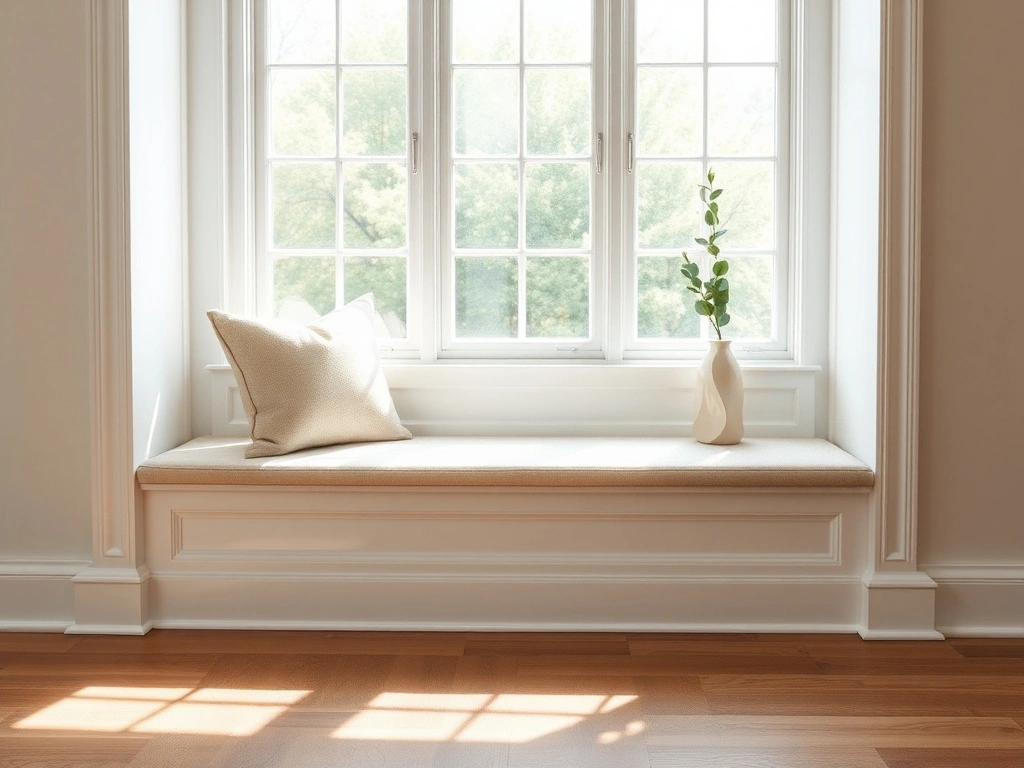
The hallmark of a truly custom window seat is its ability to look like an original architectural feature rather than an afterthought. To achieve this, the finish—specifically the paint color and sheen—must harmonize perfectly with your room’s existing millwork, baseboards, and window casings. When the bench shares the same trim color, it creates a cohesive, grounded look that makes a small room feel intentionally designed and spacious.
If your home features classic white baseboards, painting the base of your window seat to match creates a clean, built-in appearance. However, don’t be afraid to experiment with depth. For a more sophisticated, moody library vibe, consider painting both the window trim and the bench in a rich, saturated hue like charcoal or deep navy. This technique effectively blurs the boundaries of the wall, making the nook feel like an enveloping cocoon.
When selecting materials, ensure the paint finish matches the rest of the room’s trim. If your baseboards are semi-gloss, the bench base should follow suit to ensure it holds up to scuffs from shoes and vacuum cleaners. For a more organic, modern aesthetic, you might choose to match the wood species of your flooring, perhaps opting for white oak or rift-sawn timber. The goal is visual continuity; by treating the bench as an extension of the existing woodwork, you elevate the craftsmanship of the entire space. Avoid mismatched whites or clashing wood undertones, which can make a custom piece feel disjointed and cheap.
Small-Scale Corner Configurations for Compact Living
In smaller homes or urban apartments, every square inch counts, and the corner window is often the most overlooked asset. A corner bench configuration is a brilliant way to reclaim these dead zones, turning a claustrophobic corner into a high-functioning reading nook. L-shaped or angled benches allow you to maximize seating without encroaching on the center of the room, keeping the floor plan open and airy.
To make this work in a compact space, prioritize a floating base or slender tapered legs. This creates the illusion of more floor space beneath the seat, preventing the furniture from feeling heavy or boxy. If you need storage, incorporate drawers rather than lift-top lids, as drawers are much easier to access in tight corners where you cannot easily move cushions out of the way. For color, stick to light, monochromatic palettes—think shades of cream, bone, or soft gray—to ensure the corner doesn’t feel visually heavy or confining.
Lighting is the secret weapon here. Since corners can be dark, install a wall-mounted sconce with an adjustable arm. This provides task lighting for reading without occupying precious seat space or requiring a bulky floor lamp. When choosing upholstery, opt for a tight, tailored fit with durable, stain-resistant fabrics like wool or indoor-outdoor performance velvet. A common mistake is crowding the corner with too many throw pillows; instead, choose one or two large, structured lumbar pillows that provide support without consuming the entire seating area. This keeps the nook feeling like a deliberate, refined destination rather than a cluttered pile of textiles.
Adding Upholstered Backrests for Enhanced Relaxation
A window seat without a backrest is merely a bench; a window seat with a plush, upholstered backrest is a sanctuary. Whether you are curling up with a book or watching the rain, the comfort level is directly tied to how you handle the vertical surface behind you. For a high-end look, skip the standard scatter pillows and opt for a fixed, upholstered back panel that spans the length of the seat.
Installing a wall-mounted upholstered panel—or a series of leather-wrapped boards—provides the necessary structure and comfort without the constant need for rearranging pillows. This approach works exceptionally well in modern spaces where clean lines are preferred. You can play with textures here; consider a tactile boucle for warmth or a wipeable faux leather if the seat is near a high-traffic area. If you prefer a softer look, a roman shade in the same fabric as the backrest can create a beautiful, layered effect that frames the window perfectly.
When designing the backrest, consider the ergonomics of your window height. If the window sill is low, you don’t want the backrest to obstruct your view. Use a lower-profile, angled back cushion that provides lumbar support without rising above the sill line. For a designer touch, add piping or a subtle tufted detail to the upholstery to give it a tailored, bespoke feel. Avoid overly plush, deep-tufted cushions that might feel dated; stick to crisp, structured forms that echo the architecture of the window itself. By treating the backrest as a design element rather than an afterthought, you ensure the space looks just as good empty as it does when occupied.
Smart Power Outlet Placement for Tech-Friendly Nooks
In today’s home, a reading nook often doubles as a secondary workstation or a place to recharge devices. The most common mistake homeowners make is forgetting to integrate technology until the project is finished. Before you build your window seat, plan for power. A recessed outlet integrated into the side of the bench or the adjacent wall is a game-changer for charging laptops, tablets, or even a small task lamp.
When positioning outlets, look for low-profile, decorative plates that match your wall color so they disappear when not in use. If your bench is built against a wall, consider a pop-up outlet on the seat deck itself, though be mindful of cord management. A much cleaner solution is to mount the outlet just above the baseboard on the wall adjacent to the seat, keeping cords out of the way of your legs. If you are doing a full renovation, adding a USB-C port directly into the millwork is a modern, high-end detail that adds significant value.
Lighting is equally important; a tech-friendly nook should have layered light. Beyond the built-in power, consider integrating LED strip lighting under the lip of the seat. This creates a soft, ambient glow at night, making the bench look like it is floating. When choosing materials, avoid metallic outlet covers that clash with your hardware; opt for matte finishes that blend seamlessly into the surrounding surfaces. Remember, the goal is to make the technology invisible. By anticipating your power needs during the design phase, you ensure that your window seat remains a clutter-free, functional sanctuary that supports your modern lifestyle without sacrificing its aesthetic purity.
Curating a Cohesive Color Palette for Your Reading Area
The window seat should feel like an extension of the room’s soul, not an island of color. To curate a cohesive palette, look to the existing textiles in your space—your area rug, drapery, or accent chairs—and pull a secondary or tertiary color from those pieces for your bench cushions. If your room is primarily neutral, use the window seat as an opportunity to introduce a subtle, sophisticated texture rather than a jarring color.
Consider a monochromatic approach where the bench fabric, the wall color, and the window treatments are all variations of the same tone. For example, a soft sage bench cushion paired with slightly darker sage walls creates a tranquil, verdant retreat that feels inherently calming. If you prefer contrast, look to the color wheel for complementary accents. A warm, terracotta-toned cushion in a cool-toned blue room can act as a grounding element, preventing the space from feeling too sterile.
When choosing fabrics, remember that window seats are subject to intense UV exposure. Always opt for high-quality, fade-resistant indoor-outdoor fabrics. Many modern brands now offer performance velvets and linens that look and feel luxurious but are built to withstand direct sun. Avoid bright, saturated colors that will inevitably fade unevenly over time; instead, lean into earthy, mineral-based tones like ochre, slate, or stone, which age gracefully. Finally, use throw pillows to introduce seasonal color changes. By keeping the main bench upholstery neutral and timeless, you allow yourself the flexibility to refresh the nook’s personality with a simple change of pillows, keeping the design fresh and relevant through the changing seasons.
Transforming Awkward Alcoves into Functional Window Benches
Every home seems to have that one awkward, narrow alcove that is too small for a chair but too prominent to leave empty. These spaces are tailor-made for window seats. By filling the alcove with a custom-fit bench, you stop the ‘lost space’ cycle and create a focal point that adds genuine architectural interest. The key to success here is precision; the bench should fit snugly from wall to wall, creating a seamless, built-in look that makes the room feel larger.
If the alcove is particularly deep, don’t feel obligated to fill the entire depth with the seat. You can create a shallower bench and use the remaining depth behind it for hidden storage or even a small bookshelf. This is an excellent way to handle awkward radiator placement as well. If you have a radiator in that spot, build the bench with a slatted or decorative metal grille front to allow for airflow while hiding the unsightly unit. This turns a functional necessity into a beautiful design feature.
For material selection, lean into the existing character of the alcove. If you have crown molding or wainscoting in the room, carry those details onto the front of the bench to ensure it looks like it has been there since the house was built. Keep the lighting warm and inviting; if the alcove is tucked away, consider installing a recessed light in the ceiling above the bench to ensure it doesn’t become a dark, dusty corner. By embracing the unique dimensions of the alcove rather than trying to hide them, you transform a challenging architectural quirk into the most charming, functional corner of your home.
Frequently Asked Questions
How deep should a window seat be to ensure it is comfortable for both sitting and lounging?
For basic seating, a depth of 16 to 18 inches is standard and comfortable for most adults. However, if you envision your window seat as a cozy daybed for reading or napping, I recommend increasing that depth to between 24 and 30 inches. Keep in mind that a deeper seat requires a slightly lower height to remain ergonomic. Always test your planned depth with a temporary mock-up using cardboard boxes before committing to permanent millwork, as the goal is to create a space that invites you to linger rather than one that feels awkward or restrictive.
What is the best way to handle radiator placement when installing a window seat?
You should never block a radiator completely, as it needs to circulate air to heat your room efficiently. The best approach is to build a custom casing around the radiator that features a decorative grille or metal mesh front. This allows the heat to escape into the room rather than trapping it beneath your cushions. Ensure there is enough clearance between the radiator and the underside of your seat, and use heat-resistant materials for the interior lining of the bench to protect your storage items and the structural integrity of the nook.
Can I install a window seat in a rental apartment without losing my security deposit?
Absolutely. You do not need to rely on permanent built-ins to enjoy a beautiful window seat. Look for high-quality, freestanding storage benches that can be pushed up against your window wall. You can customize these with custom-cut high-density foam cushions and slipcovers that match your decor. If you want a more integrated look, consider modular furniture pieces that can be anchored safely without damaging the walls. When you move out, you simply take your sanctuary with you, leaving the apartment exactly as you found it.
What fabrics are most durable for a window seat that receives direct sunlight?
Sunlight is notorious for fading fabrics and breaking down fibers over time. To keep your nook looking fresh, opt for high-performance, UV-resistant textiles such as solution-dyed acrylics or linens blended with synthetic fibers specifically engineered for fade resistance. Brands like Sunbrella are excellent for this purpose. Additionally, consider installing Roman shades or solar blinds on the window itself to filter harsh rays during peak hours. This dual approach protects your investment, keeps the upholstery vibrant, and ensures the seat remains cool and comfortable even on the brightest summer afternoons.
What is the most efficient way to incorporate storage into my window seat design?
The right storage solution depends on what you plan to hide away. For items like seasonal blankets or bulky pillows, a lift-top lid provides easy access and maximizes the entire internal volume of the bench. If you prefer to store books, board games, or electronics, deep drawers on heavy-duty glides are far more practical, as they allow you to reach the contents without moving your cushions. For a truly custom feel, consider a combination of both—drawers at the bottom for accessibility and a hinged top for long-term storage.
Conclusion
Transforming an underutilized alcove or a plain window wall into a curated window seat is one of the most rewarding home improvements you can make. By blending custom millwork, thoughtful fabric choices, and clever storage solutions, you turn a simple architectural feature into a functional, inviting sanctuary that enhances your daily life. Whether you prioritize a sleek, modern aesthetic or a cozy, library-inspired retreat, the key is to ensure the design serves your specific needs for comfort and organization.
Start small by identifying the window in your home that offers the best light or the most peaceful view, and consider how a simple bench or a custom built-in might change the way you interact with that space. You don’t need a total renovation to make a meaningful impact; even a well-styled freestanding bench can breathe new life into a room. Take your time selecting materials that speak to your personal style, and soon enough, you will have the perfect spot to recharge, read, and enjoy the beauty of your home.