We all crave a bedroom that feels like a refined, clutter-free sanctuary at the end of a long day. But too often, the pursuit of a contemporary look leads to spaces that feel cold, clinical, and devoid of personality. It is a common frustration: how do you embrace clean, minimal design without sacrificing the warmth and comfort that a bedroom truly needs?
The secret lies in warm modernism, a design approach that balances sleek lines with rich textures, organic materials, and thoughtful lighting. By exploring curated modern bedroom aesthetic ideas, you can easily transform your personal space into a sophisticated retreat that is both visually stunning and deeply cozy. You do not need a massive budget or a professional design degree to achieve this balance; you simply need a clear roadmap.
In this guide, we will share practical, actionable styling tips to help you master this timeless aesthetic. From choosing the perfect relaxed color palette to layering textiles and selecting functional yet beautiful furniture, you will discover how to create a bedroom that feels elevated and inviting. Read on to find the inspiration you need to design your ultimate modern sanctuary.
Embrace Low-Profile Platform Beds for a Grounded Silhouette
Low-profile platform beds anchor a modern bedroom aesthetic by drawing the eye downward, creating an immediate sense of spaciousness and tranquility. This grounded silhouette works exceptionally well in rooms with standard or lower ceilings, as well as expansive primary suites where you want to emphasize horizontal lines. By reducing the visual height of the bed, you allow the architecture of the room to breathe, making the entire space feel more expansive and serene.
To style this look, opt for a platform bed wrapped in a tactile fabric like textured wool, tailored linen, or supple top-grain leather. To keep the look cohesive, avoid ultra-high headboards; instead, select a headboard that extends horizontally beyond the frame to integrate the nightstands visually. Pair this setup with low-slung, minimalist bedding—tuck in your coverlet tightly for a crisp, tailored look, leaving just a hint of the wooden or upholstered frame exposed.
Complement the low profile with soft, low-hanging pendant lights on either side of the bed to draw the eye back up gently without cluttering the nightstands. Stick to a sophisticated palette of charcoal, warm taupe, or deep olive to ground the piece. A frequent misstep is pairing a low-profile bed with overly bulky, tall nightstands, which disrupts the intentional scale of the room. Keep your bedside tables proportional, ideally sitting no more than two inches above or below the mattress height. To elevate this silhouette, choose a platform bed with a cantilevered or recessed base to create a floating illusion, which adds an airy, architectural quality to your modern-bedroom-aesthetic-ideas.
Introduce Warm Neutrals to Soften Sharp Geometric Lines
Modern design is celebrated for its clean, geometric lines, but without the right color palette, these sharp angles can quickly feel cold and clinical. Introducing warm neutrals—such as creamy alabaster, soft beige, warm greige, and rich terracotta—infuses the bedroom with an inviting, organic softness. This approach is highly effective in south-facing rooms where natural sunlight can highlight the subtle undertones of these earthy shades, making the space feel deeply comfortable and personalized.
Start with a base of warm white on the walls, then layer in textiles and decor in varying shades of oatmeal, camel, and espresso. Mix matte finishes with slightly brushed metals like antique brass to add warmth without introducing high-shine glare. Soft, warm-toned lighting is essential here; choose bulbs with a color temperature of 2700K to enhance the rich undertones of your neutral palette and create a cozy evening sanctuary.
A common pitfall is using a single shade of beige across every surface, which results in a flat, uninspiring space. Instead, build depth by contrasting a light boucle chair against a deeper linen wall hanging or a textured wool rug. When curating your modern-bedroom-aesthetic-ideas, treat black as an accent rather than a primary color; a slim black metal frame or a small charcoal ceramic vase will punctuate the warm neutrals and keep the design looking sharp, intentional, and balanced.
Layer Richly Textured Bedding with Linen and Bouclé
In a minimalist modern bedroom, texture becomes your primary design language. Layering contrasting fabrics like relaxed linen and nubby bouclé creates a tactile landscape that feels luxurious and incredibly comfortable. This styling technique works beautifully in any bedroom size, instantly transforming a simple mattress setup into a high-end boutique hotel experience without relying on bright colors or busy patterns.
Begin with a crisp, high-thread-count cotton or bamboo sheet set as your base. Layer a heavy-weight, washed linen duvet cover over it, leaving it slightly rumpled to embrace its natural, lived-in elegance. At the foot of the bed, drape a chunky bouclé throw blanket or place a long, cylindrical bouclé bolster pillow against your sleeping pillows. Stick to a tonal color scheme—such as pairing soft ivory linen with a warm sand-colored bouclé—to keep the visual noise to a minimum.
Position a dimmable reading light nearby to cast soft shadows across the textured fabrics, accentuating their rich weaves. Avoid over-styling with too many small decorative pillows, which clutter the clean lines of modern design. Stick to two large Euro shams and one long statement bolster for a clean, edited look. To master this modern-bedroom-aesthetic-ideas approach, mix weights as well as textures; pair the airy, breathable quality of linen with the dense, structural weight of bouclé to achieve a perfectly balanced bed.
Install Sleek Floating Nightstands to Maximize Floor Space
Floating nightstands are a hallmark of modern bedroom design, offering a clean, airborne aesthetic that visually expands the room. By freeing up the floor space beneath them, these pieces create an uninterrupted line of sight, making small bedrooms feel significantly larger and easier to clean. They work exceptionally well in tight spaces where traditional, bulky furniture would feel cramped.
Choose floating units made from premium materials like walnut, white oak, or honed marble. Select designs that feature a single drawer or a sleek drop-down compartment to keep charging cords, books, and personal items hidden from view. Style the top surface sparingly: a single ceramic dish for jewelry, a small carafe of water, and perhaps a single stem in a bud vase are all you need. To maximize the utility of your floating nightstands, mount adjustable wall sconces directly above them, keeping the tabletop entirely clear.
A frequent error is mounting floating nightstands at the wrong height. They should align perfectly with the top of your mattress to ensure both aesthetic harmony and easy physical reach. If you are building or renovating, integrate your floating nightstands directly into a custom wood-paneled accent wall behind the bed. This creates a seamless, built-in look that epitomizes high-end architectural design and elevates your modern-bedroom-aesthetic-ideas to a professional level.
Incorporate Ambient Architectural Lighting with Concealed LEDs
Lighting is the secret ingredient that transforms a modern bedroom from a simple sleeping space into a serene, high-end sanctuary. Instead of relying on harsh overhead fixtures, incorporate concealed LED strips to wash the walls with soft, indirect light. This architectural lighting technique works beautifully behind headboards, beneath floating bed frames, or tucked inside ceiling coves, adding depth and drama to the room.
Use high-quality, dimmable LED tape lights with a warm color temperature (ideally 2700K) to ensure the glow feels cozy rather than clinical. Install these strips in aluminum channels with diffused covers to eliminate hot spots and create an even, seamless line of light. Pair this warm, indirect glow with rich, dark paint colors on the accent wall, such as charcoal, deep navy, or forest green, to create a dramatic, moody backdrop that feels incredibly sophisticated at night.
Avoid using cool white or blue-toned LEDs, which can disrupt your circadian rhythm and make the bedroom feel like a commercial office space. Connect your architectural lighting to a smart dimmer system. This allows you to transition your modern-bedroom-aesthetic-ideas effortlessly from bright morning prep to a soft, relaxing evening glow with the touch of a button or a simple voice command, making technology work invisibly in your favor.
Use Monochromatic Color Schemes for a Calming Effect
A monochromatic color palette is one of the most effective ways to create a serene, distraction-free environment that promotes deep relaxation. By utilizing various tones, tints, and shades of a single color, you eliminate visual friction, allowing the mind to rest. This design strategy is highly recommended for master bedrooms where a spa-like atmosphere is the ultimate goal.
Select a sophisticated base hue, such as a soft warm gray, muted sage, or deep slate. Paint the walls, trim, and even the ceiling in the same color, but vary the finishes—use flat paint on the ceiling, eggshell on the walls, and satin on the trim to create subtle dimension. Carry this color family into the textiles, selecting a duvet, rug, and window treatments that sit just a shade lighter or darker than the walls. To prevent a monochromatic room from looking flat, use layered lighting, combining natural daylight with soft, glowing table lamps and adjustable reading lights to cast gentle shadows.
The biggest mistake in monochromatic design is failing to introduce varied textures. Without a mix of matte, rough, and woven surfaces, a single-color room will feel sterile. When styling monochromatic modern-bedroom-aesthetic-ideas, introduce a single, unexpected natural element—like a light oak bench or a travertine bowl—to break up the color block and ground the design.
Select Oversized Minimalist Art as a Singular Focal Point
Rather than cluttering your walls with a busy gallery arrangement, a modern bedroom benefits immensely from a single piece of oversized minimalist art. This approach creates a powerful focal point that anchors the room, drawing the eye and establishing an immediate sense of quiet confidence. It works best when hung directly above the headboard or on a large, prominent wall opposite the bed.
Look for abstract plaster art, simple line drawings, or large-scale black-and-white photography with generous white matting. Frame the artwork in a slim, high-quality frame—such as thin black metal, light natural wood, or a floating acrylic frame—to keep the focus entirely on the art itself. Choose artwork that reflects the room’s color palette, or use it to introduce a single, subtle accent color like ochre or deep rust. Position a recessed ceiling spotlight or an adjustable picture light above the frame to highlight the piece and make it feel like a curated gallery installation.
A common mistake is hanging the art too high. The bottom of the frame should sit about six to eight inches above the headboard to ensure it feels connected to the furniture below rather than floating aimlessly. For a truly high-end, custom look, opt for a canvas textured with plaster or gesso; the tactile surface will catch the light beautifully and add a rich layer of depth to your modern-bedroom-aesthetic-ideas.
Integrate Natural Wood Tones to Counteract Sterile Surfaces
Modern design often features sleek, non-porous surfaces like polished concrete, metal, and glass, which can feel cold if not properly balanced. Integrating natural wood tones is the ultimate antidote, instantly injecting organic warmth, character, and texture into the space. This technique is essential for any modern bedroom, particularly those with minimalist architecture or cool color palettes.
Incorporate wood through key furniture pieces or architectural details. A fluted wood accent wall behind the bed, a solid oak bench at the foot of the bed, or a pair of walnut nightstands can do wonders. Opt for matte, low-sheen finishes like oil-rubbed or wire-brushed wood, which preserve the natural grain and feel much more modern than high-gloss varnishes. Pair rich walnut with cool grays and crisp whites for a sophisticated contrast, or combine light white oak with warm creams and soft beiges for a bright, breezy, Scandinavian-inspired look.
Avoid mixing too many different wood species with clashing undertones. Stick to one dominant wood tone for your large pieces and introduce at most one secondary wood tone for smaller accents to maintain a cohesive look. To elevate your modern-bedroom-aesthetic-ideas, look for wood pieces that showcase organic edges or subtle craftsmanship details, like finger joints or tapered legs, to celebrate the material’s natural beauty.
9. Apply Subtle Textured Wall Treatments Like Lime Wash or Microcement
Applying a subtle textured wall treatment like lime wash or microcement is an excellent way to introduce organic warmth to a modern bedroom. Flat, painted drywall can often feel cold and clinical. These artisanal finishes bring a tactile, velvety depth that mimics the natural variations of stone, instantly making the room feel like a cozy, sophisticated sanctuary. This technique works exceptionally well on the headboard wall to create a soft focal point, or across all four walls for an enveloping, cocoon-like atmosphere.
To style this look, pair the soft, matte texture of the walls with complementary natural materials. Think slubby linen bedding, a raw oak platform bed, and a textured wool rug. Earthy, muted tones work best here—shades of warm alabaster, pale greige, or soft clay will enhance the light-filtering qualities of the texture.
Lighting plays a crucial role in bringing these walls to life. Install warm, low-glare recessed pinlights or adjustable brass wall sconces that wash light down the surface, casting gentle shadows that highlight the delicate movement of the plaster. A common mistake is choosing a texture with too much contrast or aggressive trowel marks, which can look dated and chaotic. Instead, aim for a subtle, cloud-like application. For a designer-approved finish, apply a matte, breathable sealer to protect the walls from scuffs while preserving their signature non-reflective quality.
10. Add Sculptural Accent Chairs to Define Empty Corners
An empty corner in a bedroom often feels like an afterthought, but introducing a sculptural accent chair instantly transforms it into an intentional, artful sanctuary. This design choice works beautifully in medium-to-large bedrooms, particularly near a window or adjacent to a sleek wardrobe. By breaking up the straight lines of modern architecture with soft, organic curves, a sculptural chair adds visual balance and a dedicated spot for quiet contemplation.
When selecting your chair, prioritize tactile, luxurious materials that invite you to sit. A curvaceous armchair upholstered in rich cream bouclé, nubby wool, or plush shearling creates a stunning sensory contrast against smooth wooden floors. To make a bold statement, choose a chair in a rich, grounding tone like olive green, burnt rust, or deep charcoal, contrasting beautifully with a neutral backdrop.
To style the nook, place a slender, arched metal floor lamp next to the chair, casting a warm, downward pool of light perfect for evening reading. Avoid the mistake of choosing a chair that is too small or lightweight, as it will get lost in the room; look for a piece with solid visual weight and presence. A great designer tip is to casually drape a high-quality cashmere or heavy knit throw over one arm of the chair. This simple layer softens the structural lines of the furniture and adds an inviting, lived-in touch to your modern aesthetic.
11. Conceal Smart Technology Behind Clean Custom Cabinetry
A truly modern bedroom should be a peaceful sanctuary dedicated to rest, entirely free from the visual clutter of flashing lights, black screens, and tangled power cords. Concealing smart technology behind clean, custom cabinetry allows you to enjoy modern conveniences without compromising on a minimalist aesthetic. This solution works best directly opposite the bed, where a television or media hub can be completely hidden from view when not in use.
Opt for custom-built cabinetry featuring flat-panel doors made of high-quality white oak, walnut, or a matte lacquer that matches your walls. Using pocket doors that slide back into the frame or sleek bi-fold panels ensures the cabinetry remains functional and unobtrusive when open. Inside, integrate smart charging stations, cable management channels, and even a small pull-out shelf for devices.
To elevate the experience, install warm LED strip lighting inside the cabinets that automatically illuminates when the doors are opened. A common mistake when hiding electronics is neglecting ventilation. Devices generate heat, so ensure your custom cabinetry includes subtle ventilation cutouts at the back or bottom to keep your tech running safely. A designer-inspired alternative is to install a motorized art lift, which slides a beautiful, framed canvas painting directly over your television screen at the touch of a button, blending technology seamlessly with fine art.
12. Hang Statement Pendant Lights Low Over Bedside Tables
Hanging statement pendant lights low over bedside tables is a sophisticated design choice that frees up valuable surface space while creating an intimate, tailored focal point. This lighting arrangement works exceptionally well in bedrooms with high ceilings, as it draws the eye downward, visually grounding the bed and making the sleeping area feel incredibly cozy. It replaces the traditional table lamp with an architectural element that feels custom and deliberate.
Choose fixtures made from premium, light-diffusing materials such as hand-blown frosted glass, slip-cast ceramic, or brushed brass. For the perfect balance, hang the pendants so the bottom of the shade sits approximately 20 to 24 inches above the nightstand. This height provides excellent task lighting for reading while keeping the bulb out of your direct line of sight when lying down.
Color-wise, pair soft matte white globes with dark walnut nightstands for a striking, high-contrast look, or opt for warm brass fixtures to complement neutral linen bedding. Always install these pendants on a dimmer switch, allowing you to transition from bright morning light to a soft, golden evening glow. A common mistake is hanging the pendants too high, which disperses the light too widely and loses the cozy, intimate feel. For a designer-approved look, ensure your pendants have a bottom diffuser to eliminate harsh glare and create a beautifully soft, ambient light.
13. Frame Windows with Floor-to-Ceiling Sheer Drapery
Framing your windows with floor-to-ceiling sheer drapery is a brilliant way to soften the clean, hard lines of modern bedroom architecture. Sheers diffuse harsh sunlight into a soft, romantic glow during the day while adding elegant vertical height and gentle movement to the space. This treatment works best when installed wall-to-wall and ceiling-to-floor, creating a seamless, hotel-like backdrop that makes the entire room feel larger and more luxurious.
Select high-quality, lightweight fabrics with a visible weave, such as pure linen or sheer wool blends. To maintain a clean, modern aesthetic, mount the drapery on a recessed ceiling track or a minimal, matte black metal rod hidden behind a simple drywall fascia. Opt for soft, neutral colors like warm ivory, alabaster, or a very pale greige to keep the atmosphere light and airy.
For evening ambiance, consider installing soft uplighting or a hidden LED strip within the drapery pocket to wash the sheer fabric in a warm, architectural glow. A common mistake is hanging drapes that stop a few inches short of the floor, which disrupts the visual flow. Instead, ensure the fabric kisses the floor perfectly or pools slightly by a half-inch. A designer tip is to pair these sheers with hidden, motorized blackout roller shades mounted inside the window frame, giving you ultimate light control without sacrificing the breezy, elegant look of the drapery.
14. Design Hidden, Handle-Free Wardrobe Solutions
In a modern bedroom, minimizing visual noise is essential for creating a restful environment. Designing hidden, handle-free wardrobe solutions allows you to maximize storage while maintaining clean, uninterrupted architectural lines. This approach works beautifully in master suites and smaller bedrooms alike, turning what could be a bulky piece of furniture into a seamless, elegant wall treatment.
To achieve this look, utilize touch-latch or push-to-open mechanisms on floor-to-ceiling flat-panel doors. Finish the doors in an ultra-matte lacquer that matches your bedroom wall paint exactly, or opt for a warm, flat-cut white oak veneer with a vertical grain. By painting the wardrobe the same shade as the surrounding walls, the cabinetry virtually disappears, making the room feel incredibly spacious and serene.
Inside the wardrobe, incorporate integrated vertical LED strip lighting that illuminates your clothing automatically when the doors are pressed open. A common mistake is using high-gloss finishes for push-to-open doors, as they easily show fingerprints and smudges from daily use. Stick to matte or textured finishes to keep the surface looking pristine. A designer-inspired tip is to align the door seams precisely with the room’s architectural lines, such as baseboards or ceiling tracks, creating a highly customized, built-in aesthetic that feels elevated and intentional.
15. Utilize Matte Black Hardware for Sharp Graphic Contrast
While a warm, neutral color palette is key to a relaxing modern bedroom, a space can sometimes feel flat or unfinished without a touch of contrast. Utilizing matte black hardware is an excellent way to introduce sharp, graphic definition that grounds the entire design. This works best on functional touchpoints throughout the room, such as door handles, window frames, light switches, drawer pulls, and cabinet hinges.
Select high-quality hardware made of solid brass with a durable, powder-coated matte black finish. The physical weight and smooth texture of quality metal elevate the tactile experience of the room. Pair these black accents with warm white oak furniture, cream plaster walls, or soft beige textiles to create a balanced, contemporary palette. The contrast prevents the neutral tones from looking washed out.
When planning your lighting, position directional spotlights or bedside reading lights near these black elements to catch their clean, non-reflective edges. A common mistake is overusing black hardware, which can make a bedroom feel fragmented and visually busy. Keep these accents restrained and purposeful. A favorite designer tip is to swap out standard plastic light switches for modern, matte black toggle switches with matching metal faceplates, adding an instant, high-end architectural detail to your bedroom walls.
16. Mix Curated Vintage Accents with Contemporary Furniture
A modern bedroom styled exclusively with brand-new contemporary furniture can sometimes feel sterile and devoid of character. To prevent this, mix curated vintage accents with your modern pieces to inject soul, history, and a lived-in warmth. This design philosophy works beautifully on bedside tables, dressers, or by creating a dedicated vanity nook. The juxtaposition of clean, modern lines with the patina of age creates a rich, sophisticated aesthetic.
For a balanced look, pair a sleek, low-profile upholstered platform bed with a mid-century travertine side table or a rustic, antique wooden chest. The contrast of smooth, engineered surfaces against the rich grain of aged wood or natural stone adds instant visual interest. Integrate warm, earthy colors like amber glass, aged brass, and deep walnut to bridge the gap between different design eras.
In terms of lighting, place a vintage ceramic table lamp with a pleated paper shade on a modern, clean-lined dresser to create a charming focal point. Avoid the mistake of cluttering the space with too many small vintage knick-knacks, which quickly disrupts the minimalist modern vibe. Instead, select just one or two high-quality, larger vintage statement pieces. A designer tip is to source vintage oil paintings, reframing them in simple, modern black metal frames to effortlessly blend historical art with contemporary styling.
17. Anchor the Space with Plush High-Pile Area Rugs
Modern bedrooms often feature sleek hardwood, polished concrete, or minimalist tile flooring. While beautiful, these hard surfaces can sometimes feel cold and uninviting. A plush, high-pile area rug acts as the ultimate anchor, grounding the bed while injecting essential sensory warmth and acoustic comfort. It works best when positioned under the bottom two-thirds of the bed, extending at least two to three feet on either side to greet your feet each morning.
When selecting materials, prioritize natural fibers like wool, wool-silk blends, or high-quality tencel which offers a subtle, luxurious sheen. A common mistake is choosing a rug that is too small, which disrupts the proportions of the room and makes the bed look isolated. Instead, opt for a generous size that unifies your bedside tables and bed frame.
For a sophisticated color palette, look to creamy ivory, soft alabaster, or muted charcoal. These neutral tones allow the rich, shaggy texture of the rug to take center stage. To highlight the texture at night, consider low-level warm lighting, such as under-bed LED strips, which cast a soft glow across the fibers.
Designer tip: Layering is key to a cozy modern aesthetic. Try placing a plush, high-pile rug over a flat-weave sisal or jute rug to create a rich, tactile foundation that feels deeply intentional.
18. Introduce Subtle Metallic Accents in Brushed Brass or Gunmetal
In a modern bedroom design, metallic accents serve as the room’s jewelry, catching the light and adding a layer of refined sophistication. Brushed brass introduces an inviting, sunny warmth, while gunmetal offers a moody, architectural edge. These finishes work best when applied to light fixtures, drawer pulls, and thin picture frames, providing a deliberate contrast to matte surfaces throughout the space.
To keep the look cohesive, avoid high-shine chrome or polished brass, which can feel clinical or dated. Instead, stick to matte or brushed finishes that develop a subtle patina over time. A great rule of thumb is to mix metals with intention, using a seventy-thirty ratio where one metal dominates and the second acts as a subtle supporting accent.
Brushed brass pairs beautifully with rich, warm tones like forest green, deep navy, and cream. Gunmetal, on the other hand, complements cool grays, crisp whites, and raw plaster textures. Pair these metallic details with soft, warm-toned lighting (around 2700K) to enhance their natural luster without creating harsh glare or reflections.
Designer tip: Elevate a standard dresser instantly by swapping out generic hardware for custom, solid-brass knobs with a knurled texture. This small, tactile detail adds a high-end touch that makes the entire room feel custom-designed and thoughtfully curated.
19. Craft a Custom Built-In Headboard with Integrated Sconces
A custom built-in headboard is a hallmark of high-end modern design, offering a seamless architectural feature that anchors the entire room. By extending the headboard wall-to-wall or floor-to-ceiling, you create a striking focal point that makes the bedroom feel larger and more cohesive. Integrating sconces directly into this structure eliminates the need for bulky bedside lamps, keeping your nightstands clean and clutter-free.
This approach works exceptionally well in smaller bedrooms where saving surface space is paramount. For materials, consider warm wood paneling like white oak or walnut, or opt for a plush upholstered panel in linen, bouclé, or performance velvet. Avoid overly ornate tufting; instead, choose clean, vertical channels or a smooth, minimalist face.
When planning the color scheme, contrast is your friend. Pair a rich, dark walnut wood panel with sleek matte-black sconces, or match a light oatmeal upholstered headboard with warm bronze fixtures. The lighting should be soft and indirect, ideally with dimmable fixtures that allow you to transition from bright reading light to a warm, ambient glow.
Designer tip: Run the headboard paneling slightly wider than your bedside tables. This wraps the entire sleeping area in a cozy, protective alcove, creating a luxurious ’boutique hotel’ feel right at home.
20. Place Large Clean-Lined Mirrors to Enhance Natural Light
Mirrors are a powerful tool in modern interior design, valued for their ability to bounce natural light and visually expand a room. In a contemporary bedroom, a large, clean-lined mirror acts as a functional piece of art. It works best when positioned opposite or adjacent to a window, capturing the outdoor view and reflecting daylight deep into the darker corners of the space.
When selecting a mirror, opt for simple, geometric frames that align with a minimalist aesthetic. Large circular mirrors or oversized floor-length arched mirrors are excellent choices. Look for thin, understated frames made of black iron, brushed brass, or light oak. Avoid heavy, ornate, or distressed frames, which can clash with the clean lines of modern furniture.
To maximize the effect, consider how the mirror interacts with your lighting. During the day, it amplifies natural sunlight, while at night, it can double the soft glow of a nearby bedside lamp or pendant. Be mindful of what the mirror reflects; avoid placing it directly opposite a cluttered closet or a workspace.
Designer tip: Lean a heavy, oversized floor mirror securely against the wall instead of hanging it. Pair it with a small, textured ceramic vase or a low accent chair nearby to create a beautifully styled, three-dimensional vignette.
21. Adopt Asymmetrical Layouts for an Artful Modern Edge
While traditional bedroom design relies heavily on perfect symmetry, modern aesthetics embrace the dynamic energy of asymmetry. An asymmetrical layout introduces visual interest and a relaxed, curated feel, making the space feel deeply personal rather than like a sterile showroom. This approach works best in contemporary bedrooms where you want to establish an artful, sophisticated atmosphere.
Instead of flanking your bed with identical nightstands and matching lamps, mix things up with intention. Place a sleek, multi-drawer nightstand with a sculptural ceramic table lamp on one side. On the other side, use a minimalist pedestal table paired with a low-hanging pendant light or a sleek, slender floor lamp. The key is to balance the visual weight of the objects, rather than their exact shapes or sizes.
To keep the look cohesive, maintain a consistent color palette and material story across both sides of the bed. For example, if one side features dark oak wood, incorporate a dark-framed piece of art or a dark ceramic vessel on the opposing side. This ensures the asymmetry feels highly intentional rather than accidental.
Designer tip: Hang an oversized piece of abstract art slightly off-center above the headboard. Balance the empty wall space on the opposite side with a tall, sculptural branch in a heavy vase on the adjacent nightstand.
22. Create a Minimalist Reading Nook with a Sleek Chaise Lounge
A bedroom should be a multi-functional sanctuary for relaxation, and a dedicated reading nook is the perfect way to achieve this. Incorporating a sleek chaise lounge provides a comfortable spot to unwind with a book or enjoy a morning coffee without the visual bulk of a traditional armchair. This setup works best in an underutilized corner of the room, adjacent to a large window, or positioned elegantly at the foot of the bed.
When choosing a chaise, look for clean lines, a low profile, and exquisite materials. Textured linen, nubby bouclé, or rich, distressed leather add instant warmth and tactile contrast to the room. Avoid oversized, overstuffed recliners that can disrupt the clean, architectural flow of a modern aesthetic. Instead, prioritize sculptural shapes that look beautiful from every angle.
Keep the color palette serene by choosing a neutral-toned chaise in oatmeal, taupe, or soft gray. Pair it with a slim, matte-black floor lamp that provides targeted task lighting without taking up precious floor space. Add a single cashmere or chunky knit throw blanket in a complementary tone to invite cozy comfort.
Designer tip: Place a tiny, minimalist side table—just large enough for a cup of tea and a book—next to the chaise. Keeping this secondary zone simple and uncluttered ensures it remains a peaceful, functional retreat within your bedroom.
23. Inject Earthy Accent Tones Like Terracotta and Ochre
A common pitfall of modern design is relying too heavily on cool grays and stark whites, which can leave a bedroom feeling cold and clinical. To infuse your space with natural warmth and organic vitality, introduce earthy accent tones like terracotta, ochre, and warm sienna. These clay-inspired hues inject instant comfort and depth, working best as accents against a calm, neutral backdrop.
Apply these rich colors through high-quality textiles, matte ceramics, and abstract artwork. A linen duvet cover in a muted terracotta or a pair of ochre velvet accent pillows can instantly transform the mood of the room. Keep the base of the room neutral—think oatmeal walls, light oak floors, and cream rugs—so these rich, earthy tones can stand out beautifully without overwhelming the senses.
When working with these organic pigments, lighting is absolutely crucial. Warm, diffused light from bedside lamps or dimmable sconces enhances the natural richness of terracotta and ochre, making the bedroom feel incredibly cozy and inviting at night. Avoid bright, cool-toned overhead lighting, which can wash out these beautiful, natural shades.
Designer tip: When sourcing decor, look for ‘muddy’ or desaturated versions of terracotta and ochre. These earthy, toned-down variations feel much more sophisticated, restful, and high-end than their bright, saturated counterparts, ensuring a serene sleeping environment.
24. Bring Nature Indoors with Strategic Biophilic Greenery
Biophilic design is a powerful element in modern interiors, connecting our indoor spaces with the calming influence of the natural world. In a modern bedroom, strategic greenery softens the sharp lines of contemporary furniture and adds organic movement and life. This works best when you place a statement plant in an underutilized corner or style a delicate branch on a nightstand.
To maintain a clean, modern aesthetic, avoid cluttered groupings of small pots. Instead, choose one or two architectural plants with clean silhouettes, such as a Fiddle Leaf Fig, a Bird of Paradise, or a slender Olive Tree. House them in minimalist pots made of raw concrete, matte ceramic, or textured terracotta to match the room’s material palette.
The vibrant green of the foliage contrasts beautifully with neutral walls, warm wood tones, and metallic accents. Ensure your plants are placed where they receive adequate natural light, which not only keeps them healthy but also casts beautiful, organic shadows across your walls during the day.
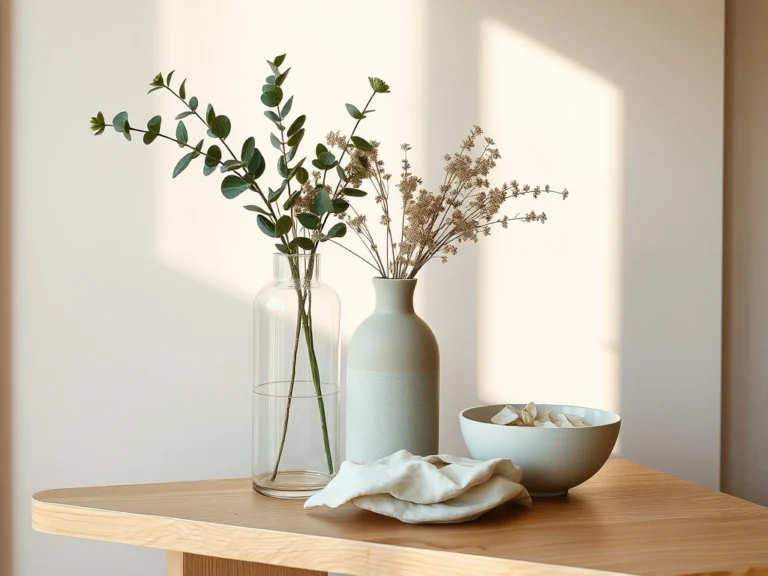
Designer tip: If you don’t have a green thumb, you can still achieve this look. Place a single, oversized dried branch—like eucalyptus, ginkgo, or magnolia leaves—in a tall, textured ceramic vase for a low-maintenance, sculptural statement.
Frequently Asked Questions
How do I make a modern bedroom feel warm and cozy instead of cold?
To prevent a modern bedroom from feeling sterile, focus on layering rich textures and organic materials. While modern design relies on clean lines, introducing tactile elements like a bouclé accent chair, linen bedding, or a plush high-pile rug instantly softens the space. Additionally, swap out cool-toned white lighting for warm-toned LED bulbs (around 2700K) and integrate natural wood accents. This creates a beautiful tension between sleek contemporary architecture and cozy, inviting comfort.
Can I achieve a modern bedroom aesthetic in a small room?
Absolutely. In fact, modern design is ideal for smaller spaces because of its emphasis on minimalism and functionality. To maximize a compact room, opt for low-profile platform beds and floating nightstands, which keep the floor visible and create the illusion of more space. Use built-in, handle-free wardrobes to eliminate visual clutter, and hang floor-to-ceiling sheer drapery to draw the eye upward, making your ceilings feel much higher than they actually are.
What is the best color palette for a modern bedroom aesthetic?
The most successful modern bedroom color palettes rely on a foundation of warm neutrals—such as cream, beige, taupe, and soft gray. A monochromatic base keeps the environment feeling serene and cohesive. To add depth without disrupting the tranquil vibe, introduce subtle contrast through matte black hardware or earthy accent tones like terracotta, ochre, or deep forest green through small accessories, pillows, or a single piece of artwork.
How can I hide messy cords and electronics in a modern bedroom?
Maintaining a sleek, modern aesthetic requires clever cable management. Look for bedside tables with built-in cable management ports or hollow legs designed to route cords out of sight. For wall-mounted televisions or smart devices, consider installing a custom media panel or faux wall treatment that allows you to run wires behind the drywall. You can also utilize decorative lidded storage baskets or sleek minimalist boxes on lower shelves to discreetly house power strips and chargers.
Is it okay to mix vintage pieces with modern bedroom furniture?
Yes, mixing styles is actually highly encouraged in contemporary design. It prevents your bedroom from looking like a sterile showroom. The key is balance: aim for an 80/20 rule, where eighty percent of the room features clean, modern silhouettes, and twenty percent showcases curated vintage finds. A weathered antique wooden stool used as a plant stand or a mid-century dresser adds instant soul, history, and character to an otherwise sleek, contemporary space.
How do I choose the right lighting for a modern bedroom?
Modern bedroom lighting should be layered and indirect rather than relying on a single, harsh overhead fixture. Start with ambient lighting by installing concealed LED strip lights under floating nightstands or behind a custom headboard. Next, add task lighting with low-hanging bedside pendants or adjustable wall-mounted sconces. Finally, ensure all your light sources are connected to dimmer switches so you can easily adjust the mood and intensity to transition from morning routines to evening relaxation.
Conclusion
Creating a modern bedroom aesthetic does not mean sacrificing comfort for style. By blending sleek, clean lines with warm neutrals, rich tactile fabrics, and thoughtful layered lighting, you can craft a sanctuary that feels both incredibly sophisticated and deeply relaxing. It is all about finding that perfect harmony between minimalist design and organic warmth, ensuring your private retreat is a true reflection of calm.
If you are feeling overwhelmed by the possibilities, remember that you do not have to redesign your entire room overnight. Start small by introducing one or two key elements—perhaps upgrading to a low-profile platform bed, swapping out your bedside lamps for low-hanging pendants, or layering a cozy bouclé throw onto your existing linen sheets. Every small change brings you closer to your dream space. With a clear vision and a few curated adjustments, you will soon have a beautiful, elevated sanctuary where you can escape, unwind, and recharge in style.