The modern home office has evolved far beyond a simple desk in the corner; it is now a vital sanctuary where professional focus meets personal style. Yet, many homeowners find themselves struggling to bridge the gap between necessary ergonomic utility and a cohesive, high-end aesthetic. It is a common challenge to balance bulky equipment and tangled cords with a space that feels like a natural extension of your home rather than a sterile afterthought.
Designing a workspace that truly inspires requires a shift in perspective. Instead of viewing your office as a utilitarian necessity, it should be treated as a curated environment that supports both your productivity and your well-being. When the visual clutter is managed and the lighting is intentionally layered, your office becomes a place where you actually want to spend your time.
In the following guide, we explore 23 beautiful office interior design ideas that prove you do not have to sacrifice comfort for style. Whether you are working with a dedicated room or a quiet nook in a multi-purpose area, these practical design strategies will help you reclaim your space. Let’s walk through how to blend form and function to create a workspace that works as hard as you do.
The Psychology of Color for Deep Focus
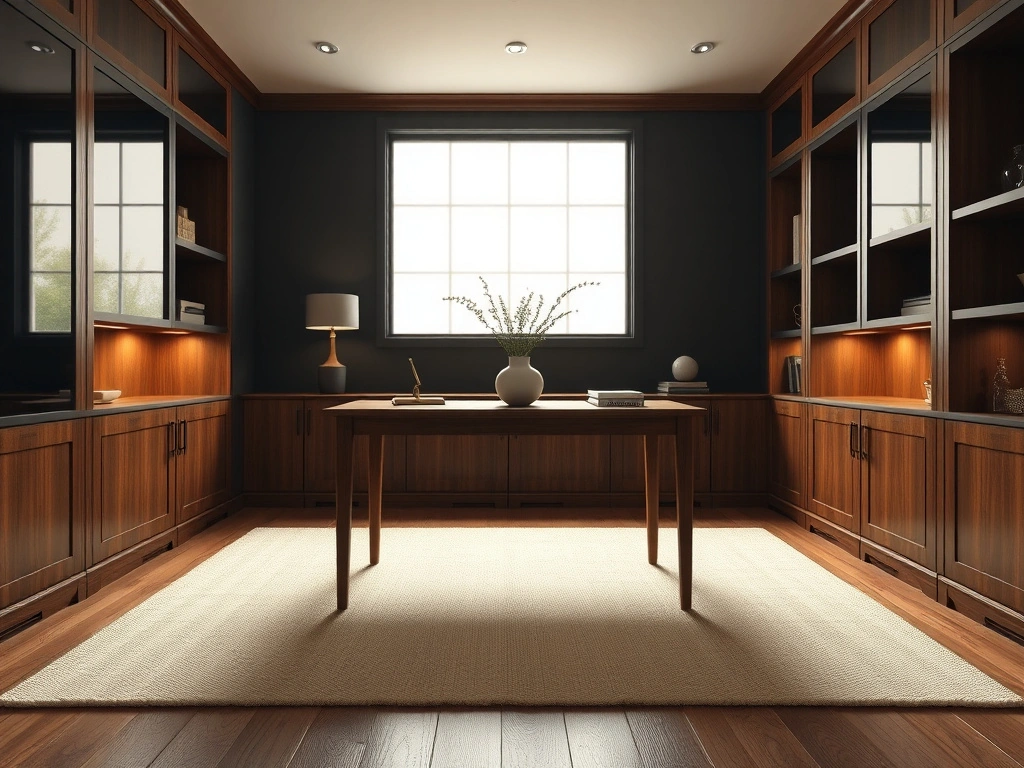
Color is the silent architect of your productivity. To foster deep focus, move away from the stark, clinical whites that often dominate office design and instead embrace ‘grounded neutrals’ or ‘saturated moody hues.’ A deep navy or charcoal wall creates a cocoon-like environment that minimizes visual distractions, allowing your mind to settle into complex tasks. Conversely, if your work requires creative brainstorming, soft sage greens or warm terracotta tones can stimulate cognitive flexibility without causing over-stimulation.
The key is to balance these wall colors with organic textures. If you choose a bold, dark wall, incorporate light oak or walnut furniture to prevent the room from feeling oppressive. Avoid high-contrast, primary colors, which tend to fatigue the eyes and disrupt concentration over long periods. Instead, aim for a monochromatic palette where subtle tonal shifts—think cream, taupe, and mushroom—create a sophisticated, calming backdrop.
Designer tip: Apply your chosen color not just to the walls, but to the millwork or built-ins. Painting your shelves the same color as the wall creates a seamless, bespoke look that makes the space feel larger and more intentional. When selecting your palette, consider the natural light exposure of the room; a north-facing office benefits from warmer, earth-toned pigments, while a south-facing room can handle cooler, crisp blues or teals.
Layered Lighting Strategies for Task and Ambiance
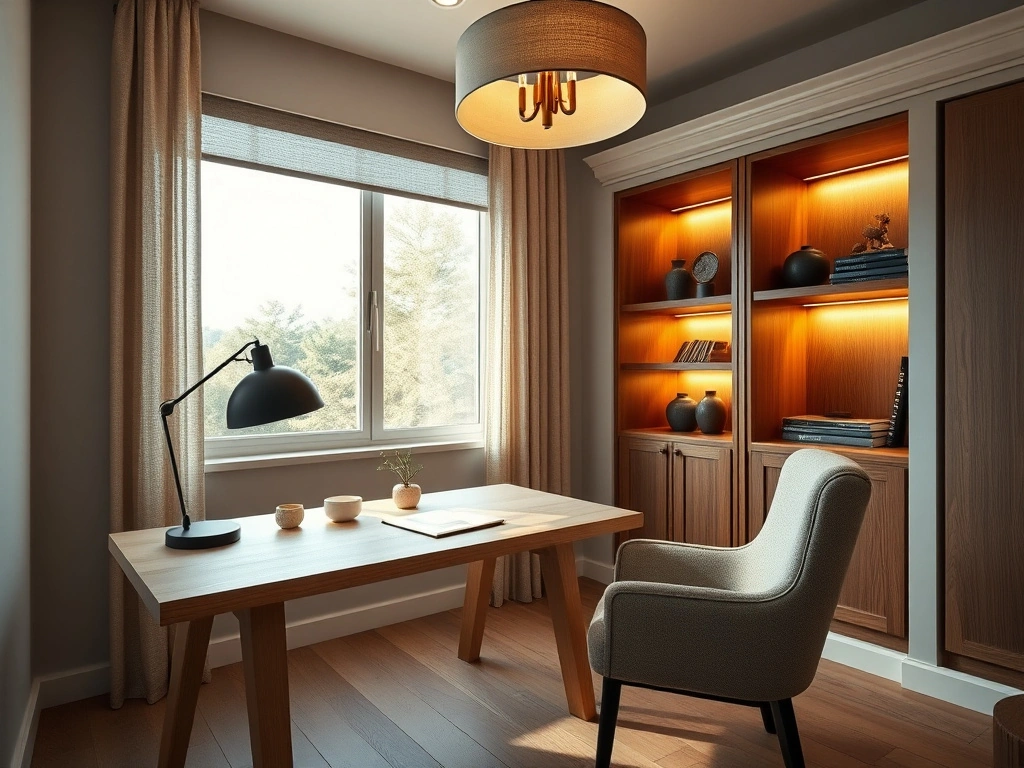
Lighting is the most overlooked element of a beautiful home office, yet it is the most critical for both comfort and style. A single overhead light source is insufficient and creates harsh, unflattering shadows. Instead, adopt a three-tiered strategy: ambient, task, and accent lighting. Ambient light provides the general glow, ideally achieved through a dimmable decorative chandelier or recessed fixtures that mimic daylight temperature.
Task lighting is where you invest in form and function. A sculptural brass or matte black desk lamp should be positioned to illuminate your workspace without creating glare on your monitor. When selecting a lamp, look for adjustable arms that allow you to direct the light precisely where you need it. For accent lighting, consider LED strips tucked behind shelves or a small table lamp on a side console to add depth and a warm, inviting glow during evening hours.
Avoid placing your desk directly facing a window, as the backlighting will cause eye strain and wash you out during video calls. Instead, position your desk perpendicular to the window to take advantage of natural light. A common mistake is using bulbs with a clinical, cool color temperature (over 4000K). Opt for ‘warm white’ bulbs in the 2700K to 3000K range to keep the space feeling like a sanctuary rather than a cubicle. If your office lacks windows, use mirrors to bounce light around the room, which also adds a touch of architectural elegance.
Vertical Storage Solutions for Minimalist Aesthetics
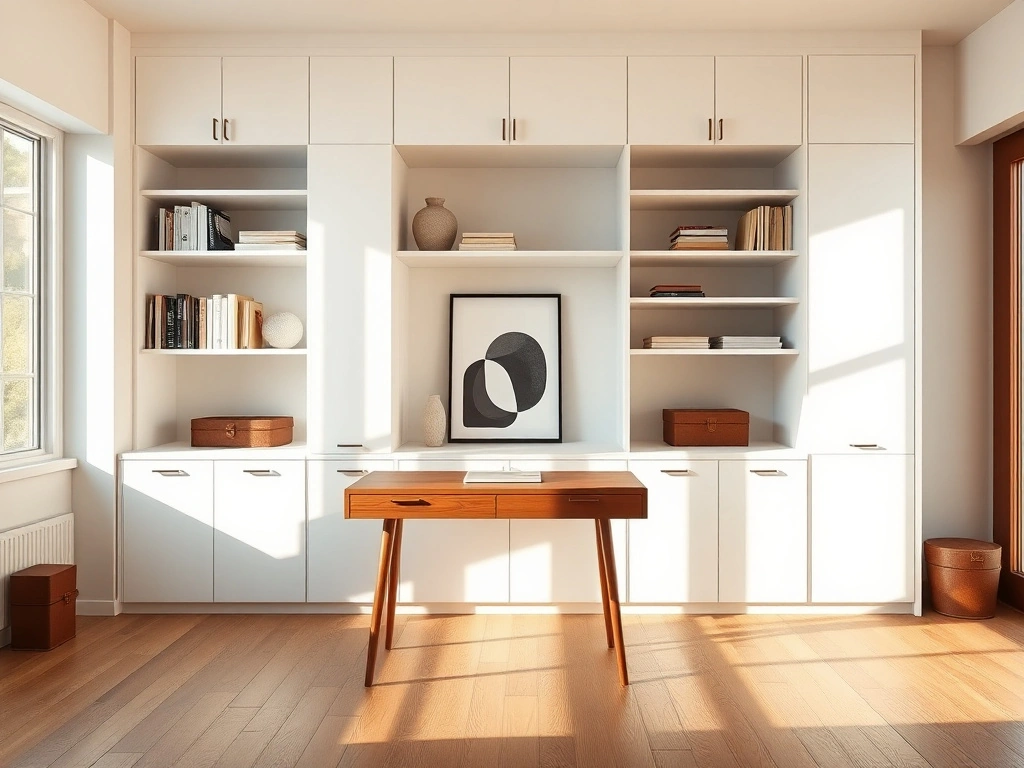
Visual clutter is the enemy of productivity. In a smaller office, floor space is a premium, so look toward the walls to solve your storage dilemmas. Floor-to-ceiling built-in cabinetry is the gold standard for a curated workspace. By taking storage all the way to the ceiling, you draw the eye upward, making the room feel more expansive and architectural. Open shelving should be reserved for curated items—a stack of beautiful design books, a piece of art, or a sculptural ceramic vase—while closed cabinets hide the necessary ‘ugly’ office supplies.
If custom millwork isn’t an option, consider a modular shelving system with a clean, minimalist profile. Sleek metal uprights paired with wood shelves provide a modern, industrial-chic aesthetic that remains airy and light. When styling these shelves, follow the ‘two-thirds rule’: keep two-thirds of the shelf space relatively clear to prevent the room from feeling crowded. Use decorative boxes in linen or leather to conceal cables, paper stacks, and small gadgets.
Avoid using bulky plastic bins or mismatched storage containers, as these immediately diminish the luxury feel of a home office. Instead, invest in uniform storage baskets or leather-bound files that look intentional. A designer trick is to incorporate a gallery wall around your shelving to integrate your storage into the overall decor. This turns your functional storage into a design statement, blending the line between a workspace and a high-end library.
Styling a Professional Video Conferencing Backdrop
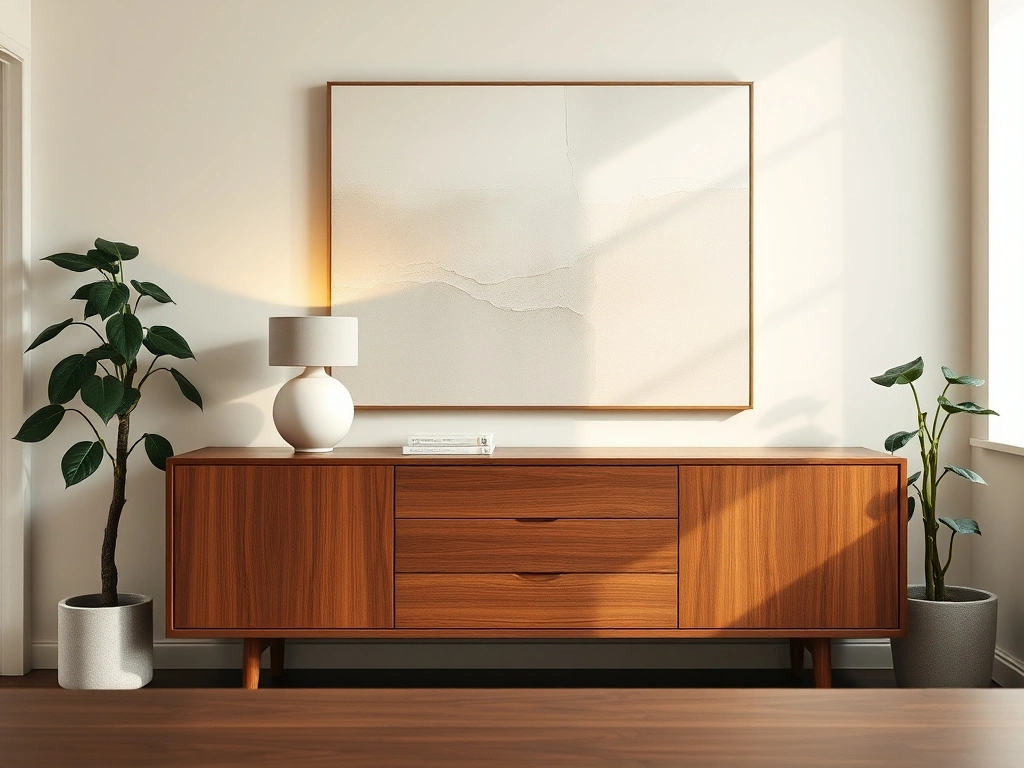
Your video conferencing backdrop is the modern-day business card. It needs to reflect your professional identity while remaining authentic to your home’s aesthetic. The most successful backdrops are layered and dimensional. Avoid a blank wall, which can feel sterile and detached; instead, create a ‘vignette’ behind your seating area that includes a mix of textures, such as a tall indoor plant, a piece of artwork, or a stylish bookshelf.
Depth is essential for a professional look. If space allows, position your desk a few feet away from the wall so you can incorporate a console table or a sideboard behind you. This allows you to layer decor—a table lamp, a stack of books, and a trailing plant—to create a sense of three-dimensional interest that looks great on camera. Keep the color palette behind you consistent with the rest of the room to maintain a cohesive flow.
Avoid overly busy patterns or cluttered shelves that distract from your face during meetings. If your office is in a multi-purpose room, use a folding screen or a piece of large-scale art to define the ‘zoom zone’ and hide the rest of the house. Lighting is also vital here; ensure a light source is directed toward your face rather than from behind you. A small, portable ring light can be hidden behind your monitor to soften shadows and provide a healthy, professional glow, ensuring you always look your best on camera.
Selecting Ergonomic Furniture with High-End Finishes
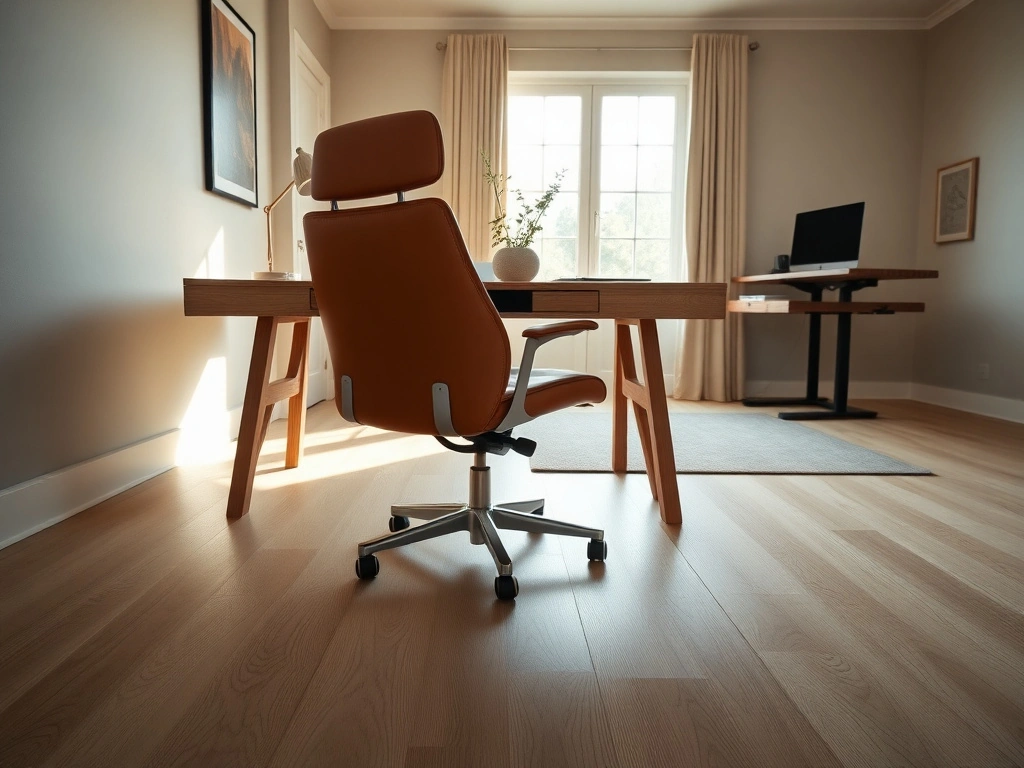
The days of the bulky, neon-colored ergonomic chair are over. Today, you can achieve world-class comfort without sacrificing the aesthetic integrity of your room. When selecting a chair, look for high-performance features like adjustable lumbar support, seat depth, and tension control, but prioritize models upholstered in premium materials. Think rich cognac leather, breathable wool-blend fabrics, or high-quality performance velvet in sophisticated, muted tones.
Your desk should be the anchor of the room. A solid wood desk, such as white oak or walnut, adds warmth and natural beauty that synthetic laminates simply cannot replicate. If you prefer a modern look, consider a metal frame with a stone or marble top. The key is to ensure the proportions fit the room—a desk that is too large will overwhelm the space, while one that is too small will look like an afterthought.
Avoid cheap, mass-produced office furniture that squeaks or wobbles. These items rarely last and cheapen the entire look of your home. Instead, treat your office furniture as an investment piece, similar to how you would choose a dining table or a sofa. If you need a standing desk, look for models with hidden motorized legs and wooden veneers that disguise the mechanical components. By selecting furniture with high-end finishes and clean silhouettes, you create a workspace that feels like a natural extension of your home’s interior design, making the hours spent at your desk feel significantly more luxurious.
Integrating Biophilic Design to Reduce Stress
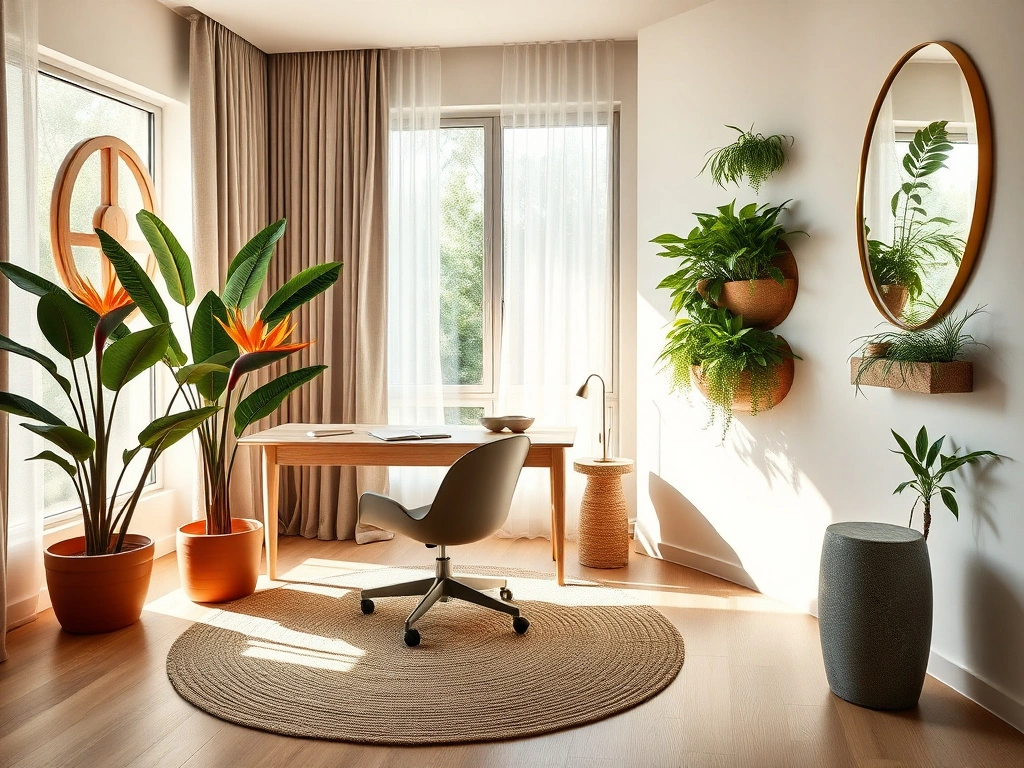
Biophilic design—the practice of connecting indoor environments to nature—is a proven way to reduce cortisol levels and boost creativity. In a home office, this is about more than just placing a single plant on a desk. It is about creating a sensory experience that mimics the outdoors. Start with a large, statement floor plant, such as a Fiddle Leaf Fig or a Bird of Paradise, to add height and organic movement to a corner of the room.
Incorporate natural materials throughout your workspace. A jute or sisal rug provides a tactile, earthy foundation, while wood tones in your furniture and shelving bring in the warmth of the forest. If you have limited floor space, consider a vertical wall planter or hanging succulents near a window. The goal is to create a soft, layered environment that feels alive rather than static.
If you lack natural light, choose low-light varieties like Snake Plants or ZZ plants that thrive in indoor conditions. Avoid artificial-looking plastic plants, which can make a space feel cheap; if you cannot maintain real plants, focus on natural wood finishes and stone accents instead. A designer tip is to use organic shapes in your decor—a round mirror, a curved chair, or a stone-topped side table—to break up the rigid, straight lines typical of office furniture. This balance between structured work surfaces and fluid, natural forms creates a harmonious environment that supports long-term mental well-being.
Hidden Technology and Cable Management Hacks
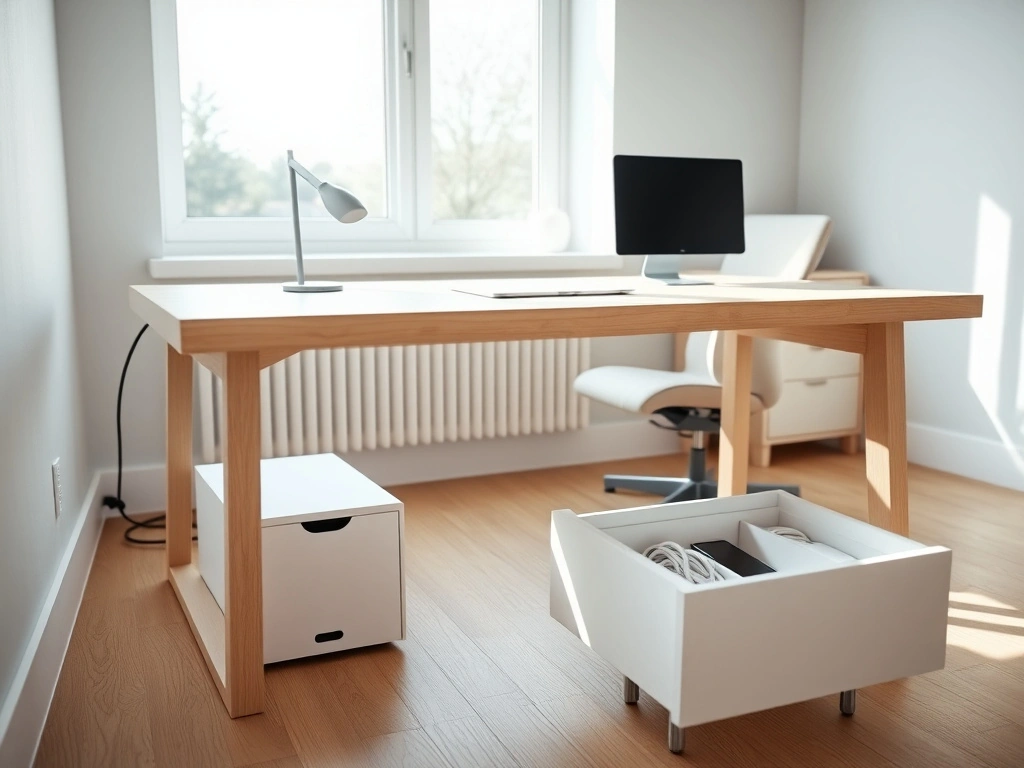
Technology is necessary, but it is rarely beautiful. Nothing ruins a curated office aesthetic faster than a tangle of black cables snaking across your desk or floor. The most effective way to handle this is to plan for cable management at the design stage. Use desks with built-in grommets or hidden power trays underneath the surface. These allow you to route all your cords through the leg or behind the desk, keeping the surface completely clear.
For power strips that must remain visible, invest in ‘cable management boxes’ that match your desk or wall color. These sleek, minimalist boxes hide the entire power strip and the mess of plugs inside, leaving only a single cord running to the wall outlet. Use Velcro ties to bundle cords together, which creates a cleaner, more organized look than plastic zip ties. If you have a standing desk, ensure your cables have enough slack, and use an expandable cable sleeve to bundle them into a single, neat line.
Avoid letting chargers and gadgets sit out on your desk when not in use. Create a ‘tech drawer’ with dedicated charging ports inside so you can plug in your devices and close the drawer, keeping them out of sight while they charge. A designer tip is to color-match your cables to your walls or furniture where possible; white cables against a white wall are far less noticeable than black ones. By removing the visual noise of technology, you allow your decor, art, and personal style to take center stage, creating a workspace that is as peaceful as it is powerful.
Creating a Dedicated Zone in Small Living Areas
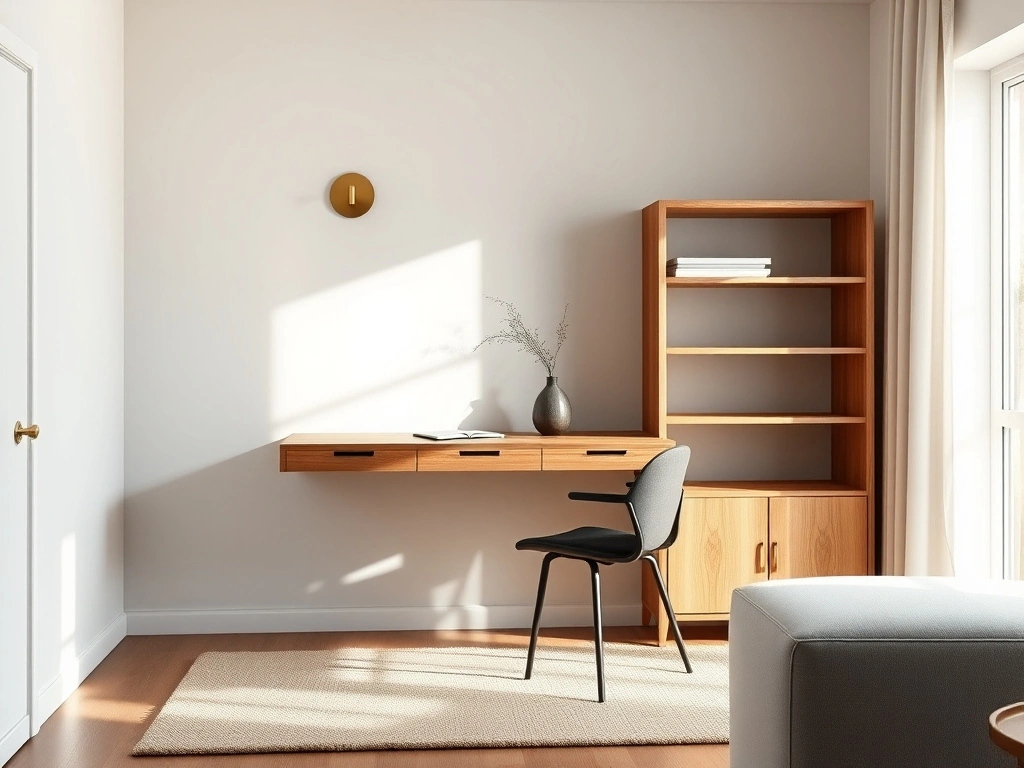
When you don’t have a separate room for an office, you must define the zone through design. The goal is to make the workspace feel like a deliberate part of the room rather than a cluttered intrusion. Use a high-quality area rug to ‘anchor’ the office zone, effectively creating a visual room-within-a-room. This separates the workspace from the living or sleeping areas and signals to your brain that it is time to focus.
Lighting and verticality are your best friends in small spaces. A wall-mounted desk or a floating shelf desk can save valuable floor space while maintaining a clean, minimalist silhouette. Add a wall-mounted sconce above the desk to provide task lighting without occupying precious surface area. If you need to tuck your office into a bedroom, consider a desk that doubles as a vanity or a console table that can be styled with books and decor when you aren’t working.
Avoid allowing work materials to bleed into your living space. Use a dedicated ‘shut-down’ ritual where you clear your desktop and hide your laptop in a drawer or a decorative basket. This is essential for maintaining a healthy work-life balance in a small home. A designer tip is to use a room divider, such as an open-back bookshelf or a glass-and-metal partition, to provide a physical boundary between your work zone and your relaxation space. This adds architectural interest while ensuring that your beautiful home decor remains the focal point, not your monitor.
9. The Art of Minimalist Desk Styling
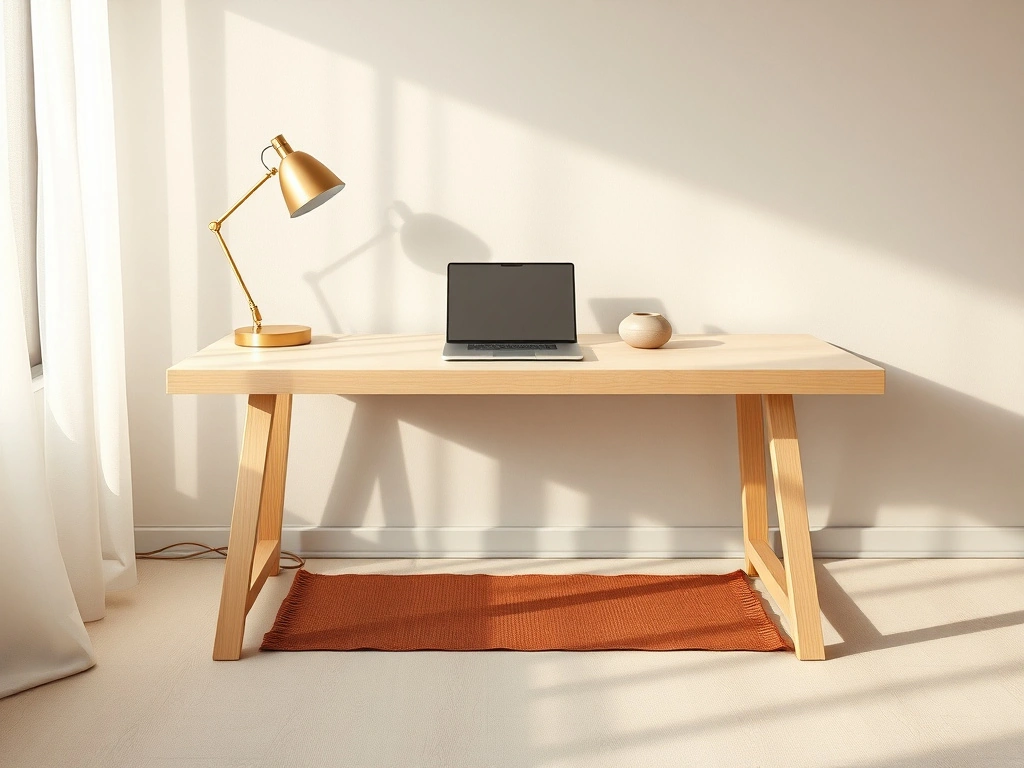
Minimalism in a workspace isn’t about emptiness; it is about intentionality. By removing visual noise, you create a sanctuary for deep work. Start by clearing your desk surface of everything except the absolute essentials: a laptop, a high-quality task lamp, and perhaps a single sculptural object that brings you joy. This approach works best in rooms where the office shares space with a bedroom or living area, as it prevents the ‘work zone’ from overwhelming the room’s aesthetic.
To achieve this look, prioritize hidden cable management. Invest in a desk with integrated compartments or use sleek, fabric-covered sleeves to bundle cords out of sight. When selecting accessories, focus on materiality. A heavy marble paperweight or a leather-bound desk mat adds weight and sophistication without adding clutter. Avoid the common mistake of storing too much on the desktop; instead, utilize deep drawers or a nearby credenza for the items you don’t use hourly.
For a designer touch, choose a monochromatic color palette. Pairing a warm white desk with subtle cream or greige accents creates a serene, focused environment. Always ensure your desk height is ergonomic, even if you are opting for a minimalist silhouette, as style should never compromise your physical well-being. Lighting should be focused and warm, avoiding harsh overhead fluorescents in favor of a soft, dimmable LED task light that highlights the texture of your desk surface.
10. Incorporating Organic Textures for Warmth
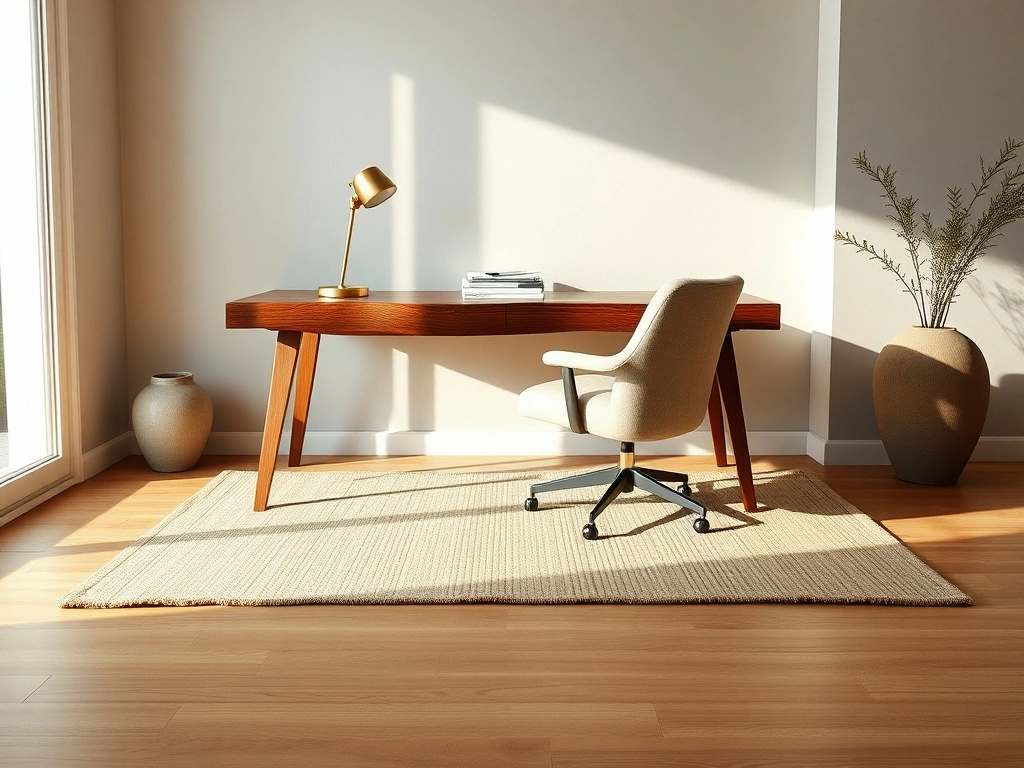
The biggest challenge in home office design is avoiding the sterile, cold feeling often associated with professional environments. The solution lies in layering organic textures. By introducing materials like raw linen, woven rattan, unlacquered brass, or reclaimed wood, you soften the hard lines of technology and make the space feel like a natural extension of your home.
This design strategy works exceptionally well in modern industrial or transitional spaces. If your desk is a sleek, glass or metal piece, balance it with a wool area rug or a leather-upholstered office chair. The contrast between the rigid, tech-heavy equipment and the tactile nature of natural fibers creates a sophisticated, grounded atmosphere that encourages longer creative sessions. Avoid synthetic materials that feel cheap or plastic; instead, opt for high-quality natural textiles that age beautifully over time.
When styling, consider the ‘rule of three’ for textures. Incorporate a natural wood element, a soft textile, and a metallic accent. For example, a live-edge wooden desk paired with a linen-upholstered chair and brass hardware creates a balanced, professional look. Lighting plays a crucial role here; use warm-toned bulbs to emphasize the grain of the wood and the weave of the fabrics. Acommon mistake is ignoring the floor; don’t leave hardwood floors bare if you want a cozy feel—layering a jute or vintage-style rug adds immediate warmth and acoustic benefits.
11. Statement Lighting Fixtures as Design Anchors
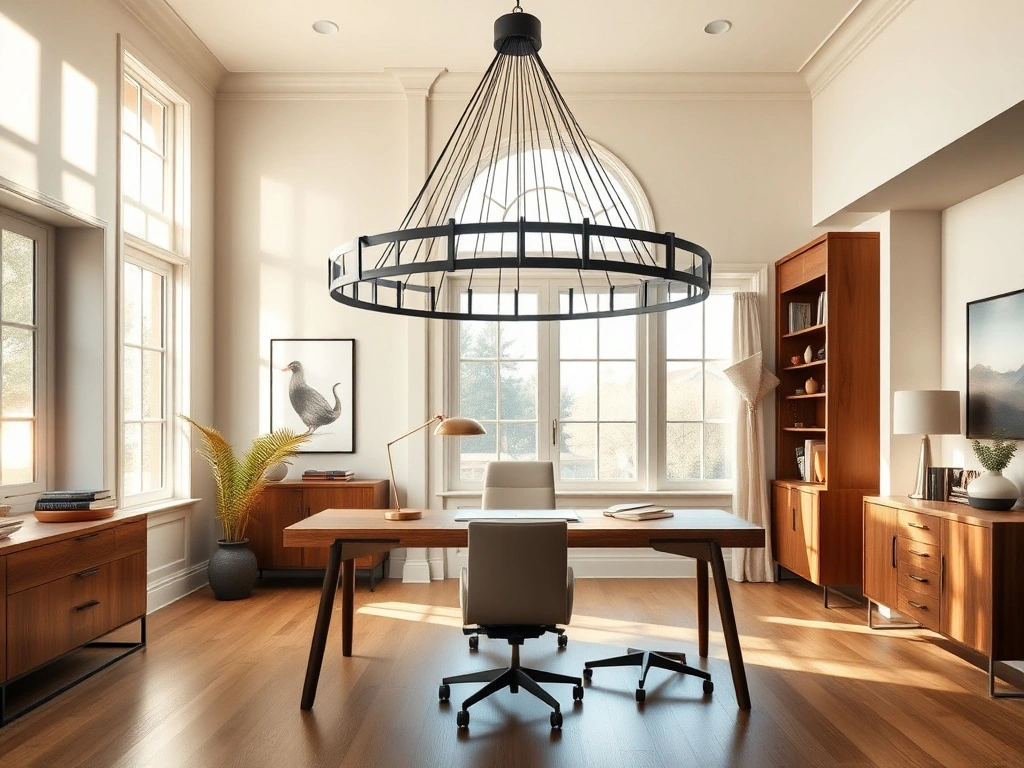
In a home office, lighting is often treated as an afterthought, but a statement fixture can serve as the primary design anchor for the entire room. Think of your lighting not just as a utility, but as a piece of sculpture. A bold, oversized pendant light centered above the desk draws the eye upward and defines the workspace as a purposeful, curated zone, even within an open-concept floor plan.
This approach works best in rooms with high ceilings or where you want to add a sense of luxury to an otherwise understated office. When selecting a fixture, consider the scale of the room. A large, matte black metal chandelier or a sculptural brass orb fixture provides immediate character. Pair this with a secondary, adjustable task lamp on the desk to ensure you have bright, focused light for tasks while maintaining a warm ambient glow for video calls.
Avoid the mistake of installing only one light source. Layered lighting is essential for productivity. A beautiful pendant provides the ‘wow’ factor, but you must supplement it with task lighting to prevent eye strain and shadows on your workspace. For a designer finish, choose finishes that complement the hardware in the rest of your home. If your office features dark wood tones, a warm brass or antique gold fixture provides a stunning, high-contrast glow. Ensure the light temperature is consistent across all sources, ideally around 2700K to 3000K, to maintain a cozy and inviting atmosphere throughout the day.
12. Utilizing Floating Shelves for Curated Displays
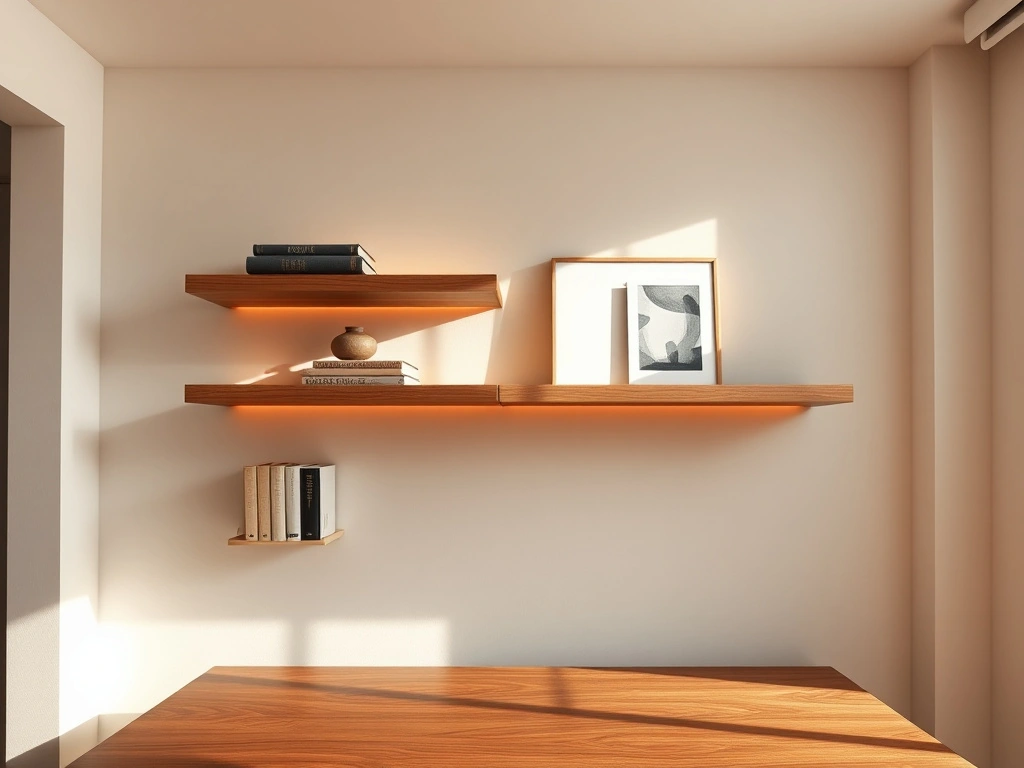
Floating shelves are the ultimate tool for balancing storage and style in a home office. Unlike bulky bookcases, floating shelves keep the floor space open, making a smaller office feel significantly larger and more airy. They offer a dedicated space to showcase your personality through books, art, and curated accessories, turning your office into a space that reflects your professional identity.
These shelves work best when installed at eye level above a desk or along a feature wall. Use them to display items that inspire you—a collection of art books, a unique piece of pottery, or a vintage camera. The key to a ‘curated’ look is avoiding overcrowding. Leave negative space between objects to allow the eye to rest. Group items by color or theme to maintain a cohesive look, and don’t be afraid to lean a piece of framed art against the wall on the shelf for a layered, casual feel.
When styling, ensure the shelves are mounted securely and use high-quality materials like solid walnut, white oak, or matte-finished metal. Avoid cheap laminate options that look flimsy. A common mistake is using shelves purely for paper storage; keep the messy files in closed cabinets below and use the open shelves strictly for items that elevate the room’s aesthetic. Consider adding hidden LED strip lighting under the shelves to cast a soft glow on your desk surface, which adds a layer of depth and luxury to the wall display. This combination of decor and soft illumination creates a sophisticated, boutique-like feel.
13. Maximizing Natural Light with Strategic Mirror Placement
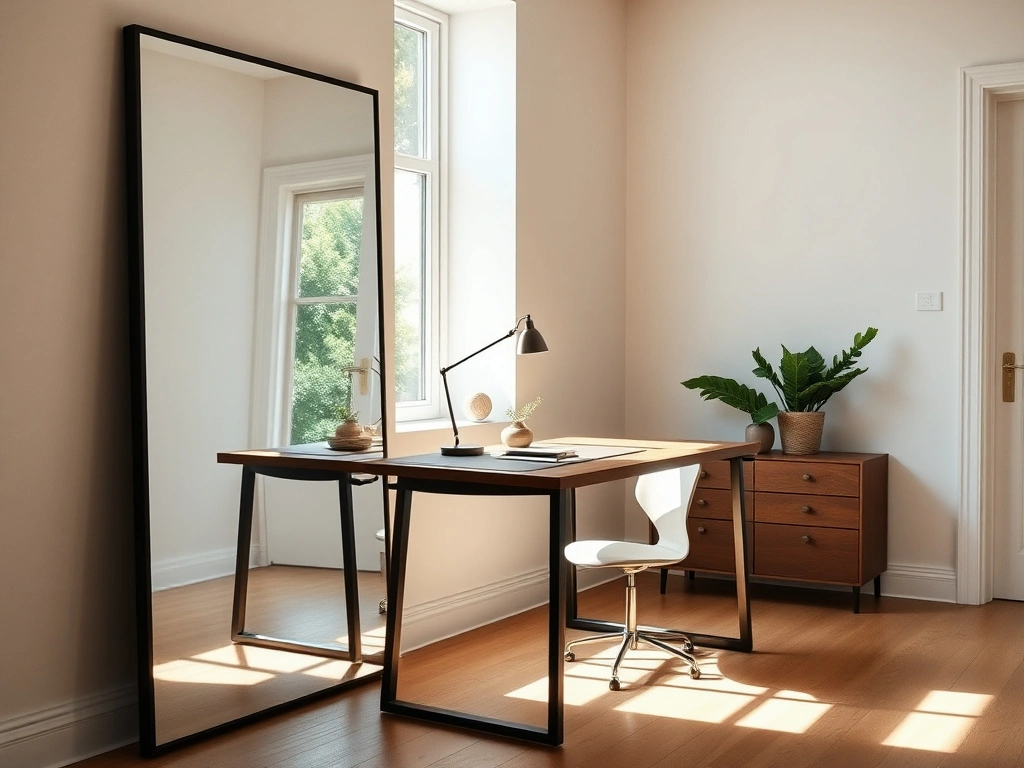
If your home office lacks large windows, mirrors are your greatest design ally. By strategically placing a large mirror opposite a window, you can double the amount of natural light entering the room and create the illusion of a much larger space. This technique not only brightens the room, making it feel more productive and energizing, but it also adds a touch of architectural elegance to the office walls.
This design trick works best in small or window-challenged rooms. Choose a mirror with a frame that complements your office furniture—a thin black metal frame for a modern look, or a gilded antique frame for a more eclectic, sophisticated vibe. The mirror acts as a secondary window, reflecting the outdoors and bringing a sense of depth to the room. When positioning, ensure the mirror reflects a pleasant view, such as a garden or a clean, organized part of the house, rather than a cluttered storage closet.
Avoid the common mistake of placing a mirror directly behind your computer monitor, as the glare can cause significant eye strain and distraction. Instead, place it on a side wall or behind your chair to reflect light toward your desk. For a designer-inspired touch, consider a floor-to-ceiling mirror or a series of smaller, framed mirrors arranged in a grid. This adds a sense of grandeur and helps bounce light into the darker corners of the office. Keep the frame finish consistent with your lighting fixtures for a cohesive, intentional look that makes the space feel like a high-end studio.
14. Selecting Durable and Stylish Rugs for Defined Zones
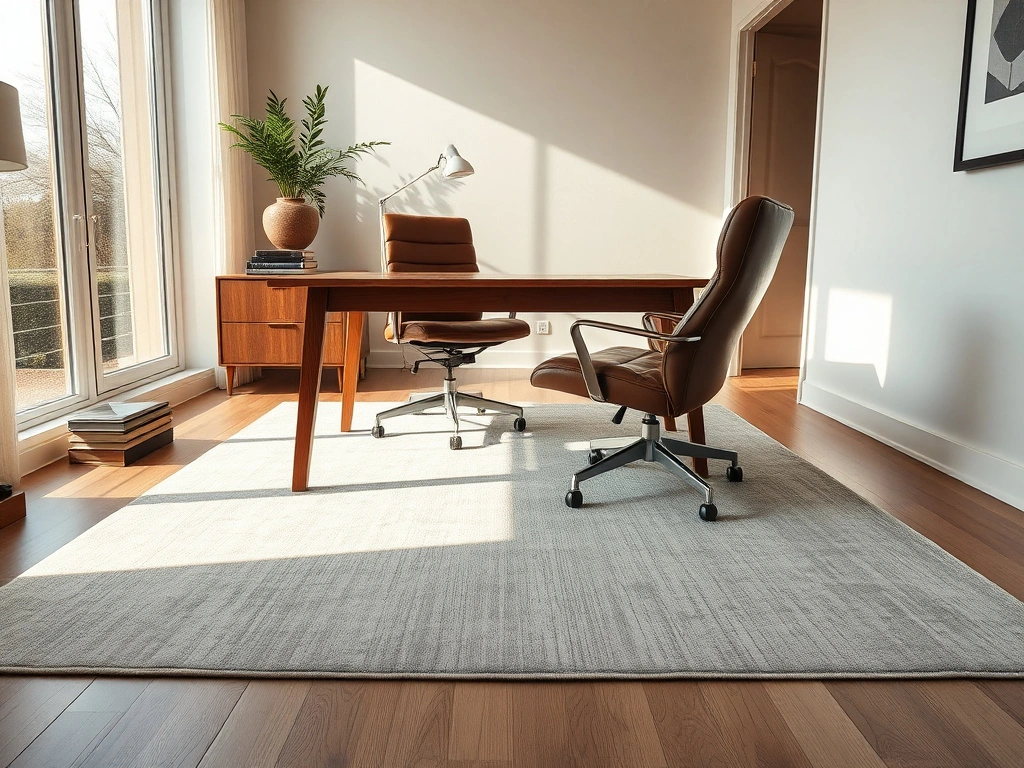
A rug is more than just a floor covering; it is the foundation that defines your office zone, especially in open-plan living. A high-quality rug anchors the desk and chair, separating your workspace from the rest of the room both visually and acoustically. For a home office, you need a balance of durability and style—look for materials like low-pile wool or high-performance synthetic blends that can withstand the constant movement of a rolling office chair.
This works best when the rug is large enough to extend at least 24 inches beyond the desk on all sides, ensuring your chair doesn’t catch on the edges. In terms of style, a vintage-inspired distressed rug adds character and hides wear, while a solid-colored wool rug with a subtle texture provides a clean, modern backdrop. Avoid shag or high-pile rugs, as they make it nearly impossible to move your chair comfortably and can look messy over time.
When choosing a color, consider the mood you want to set. Darker, moody tones like navy or charcoal create a sense of focus and authority, while lighter, neutral tones like cream or soft gray keep the space feeling bright and expansive. A common mistake is choosing a rug that is too small, which can make the office feel fragmented and temporary. Invest in a rug pad to add extra cushion for long hours at the desk and to prevent slipping. This simple addition elevates the comfort level of your office, making it feel like a luxury retreat rather than a makeshift work corner.
15. Choosing Art That Inspires Creative Flow
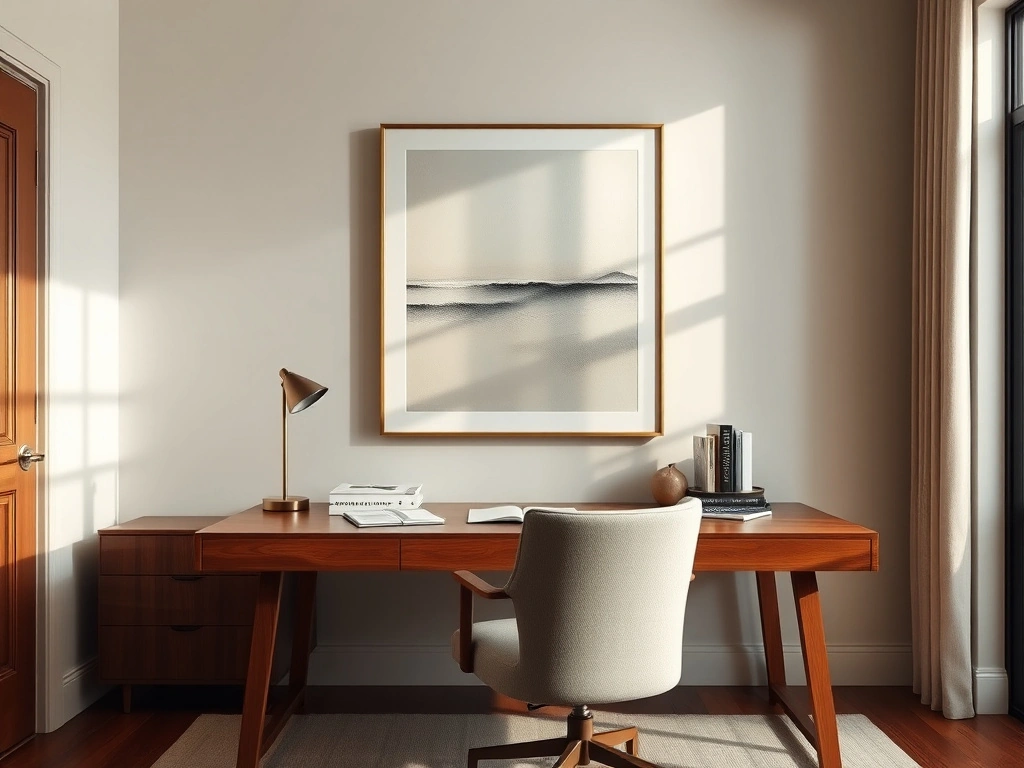
The art in your office should do more than fill empty wall space; it should stimulate your mind and support your creative flow. Because you spend significant time in this room, choose pieces that evoke the mood you want to cultivate. For some, this might be large-scale abstract art with energetic brushstrokes; for others, it might be serene landscape photography that provides a mental escape during stressful moments.
This approach works best when you treat your office art with the same level of curation as you would your living room. Avoid generic mass-produced prints. Instead, opt for original works, limited-edition prints, or even framed technical drawings that reflect your specific field of work. The placement is key: hang art at eye level while seated, so it remains in your peripheral vision, serving as a subtle source of inspiration throughout the day. If your office is small, a single oversized piece of art makes a bigger impact than a cluttered gallery wall.
When selecting a frame, consider the ‘frame-to-art’ ratio. A wide matting on a smaller print can make it look substantial and gallery-worthy. Ensure the frame finish aligns with your office’s overall metal or wood palette. Lighting is also vital; if you have a favorite piece, consider adding a picture light above it. This not only highlights the art but adds a layer of warm, ambient light to the room. A common mistake is choosing art that is too busy or distracting. If your work requires intense focus, lean toward quieter, more atmospheric pieces that provide a calming visual anchor rather than a jarring focal point.
16. Luxury Material Pairings for a Sophisticated Look
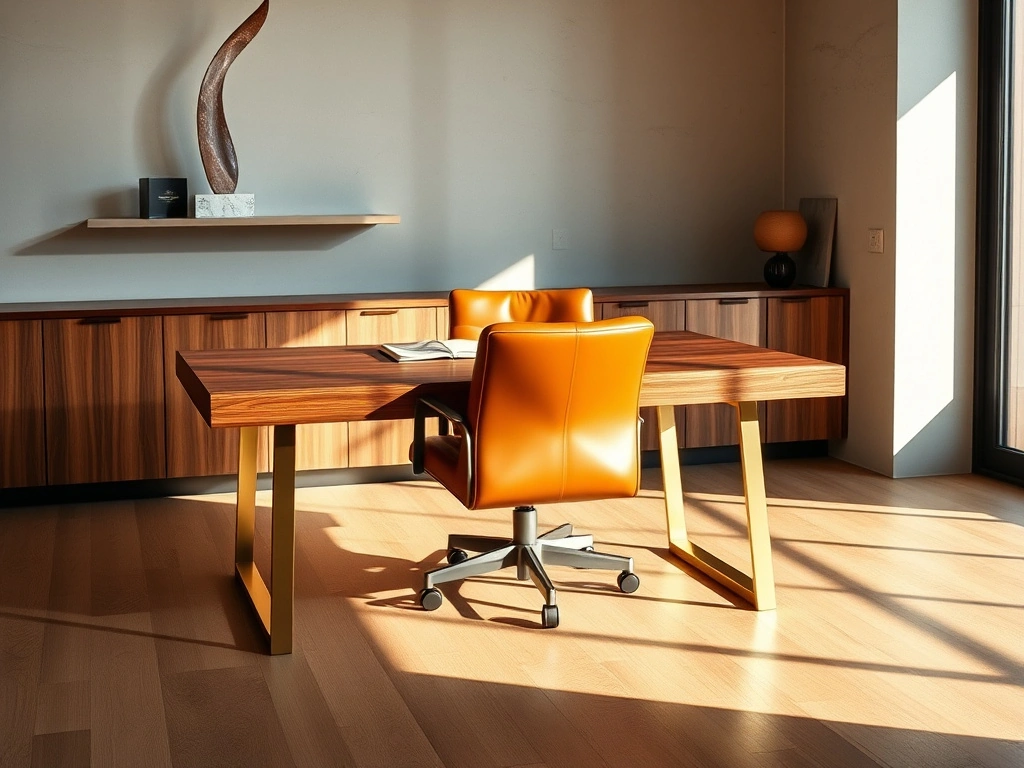
To elevate a home office from functional to truly luxurious, focus on the pairing of high-end materials. The interplay between textures creates a sensory experience that makes work feel more intentional and rewarding. Think of combining elements like polished marble, rich walnut, brushed brass, and supple leather. These materials carry a sense of permanence and quality that defines a premium interior.
This works best when you limit your material palette to three or four key elements. For example, a desk with a walnut top and brass legs paired with a leather-upholstered chair creates a timeless, masculine elegance. If you prefer a lighter, more feminine aesthetic, consider a white marble desktop with chrome accents and a light gray velvet chair. The key is to ensure that these materials are used consistently throughout the space, from the desk hardware to the lighting fixtures and shelving.
Avoid the mistake of mixing too many different wood tones or metal finishes, as this can make the room feel chaotic. When selecting these pieces, prioritize longevity. Real leather develops a beautiful patina, and solid wood or stone will outlast any trend. Lighting should be used to accentuate these materials—use warm spotlights to highlight the veining in marble or the texture of the leather. By investing in these high-quality materials, you create a space that feels like a private executive suite, turning your daily tasks into a luxurious ritual. This level of detail is exactly what separates a professional workspace from a simple desk in the corner.
Custom Cabinetry for Seamless Storage Integration
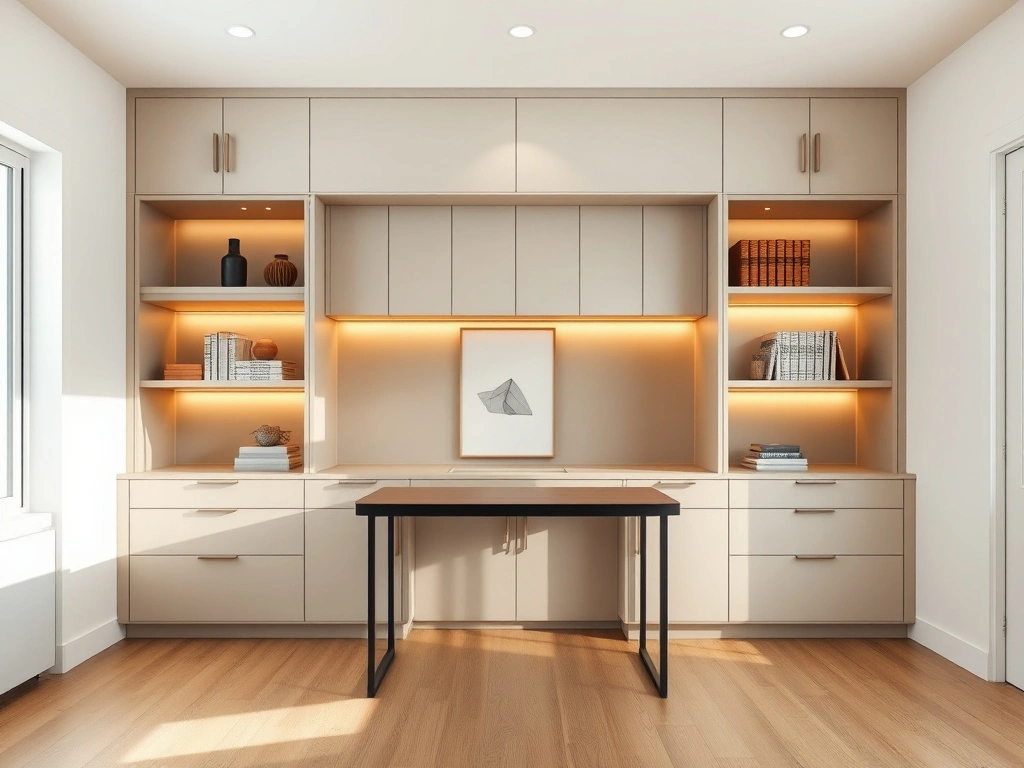
The secret to a truly sophisticated home office lies in the ability to hide the mechanical nature of work. Custom cabinetry is the gold standard here, allowing you to transform a chaotic desk area into a clean, architectural focal point. By extending cabinetry from floor to ceiling, you not only maximize vertical storage but also create a sense of bespoke luxury that feels permanent and intentional.
This approach works best in rooms with awkward nooks or blank walls that currently feel underutilized. Opt for closed-door storage in a matte finish to conceal printers, routers, and loose documents. When you remove visual noise, your brain is free to focus on the task at hand. Consider integrating LED strip lighting within the shelving units to highlight curated books or decorative objects, adding a layer of depth to the room.
A common mistake is choosing hardware that clashes with the rest of your home’s aesthetic. Keep your cabinet pulls consistent with the metal finishes found in your adjacent living spaces—brushed brass for a warm, modern look or matte black for a sharper, contemporary edge. If you are working with a smaller footprint, utilize light-reflective finishes like off-white or soft greige to prevent the cabinetry from feeling heavy or imposing. Always aim for a seamless, handle-less look if you prefer a minimalist, high-end design that allows the architecture of the room to shine.
The Role of Negative Space in Preventing Clutter
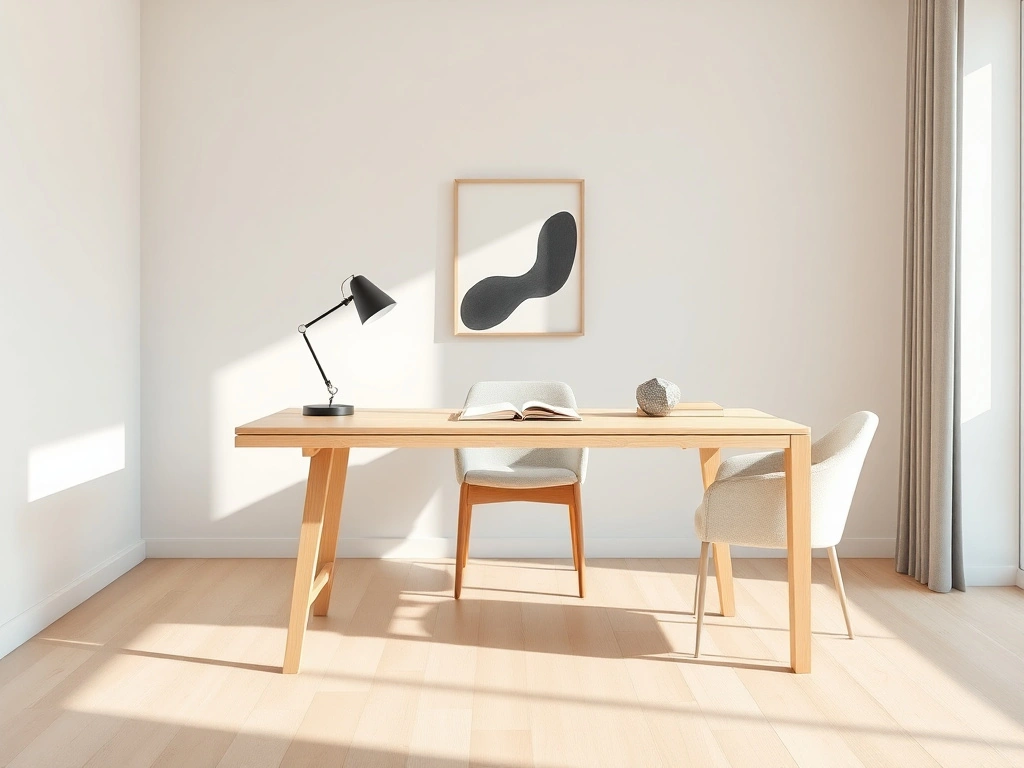
In interior design, negative space—or the ’empty’ areas around your furniture—is just as important as the pieces you choose to display. In a home office, an over-accessorized desk can lead to mental fatigue. By intentionally leaving surfaces clear, you allow the room to breathe, which is essential for maintaining focus during long hours of deep work.
This design philosophy works best in smaller home offices or open-concept living room corners where the desk is visible from other areas of the home. Resist the urge to fill every shelf or desk corner with trinkets. Instead, select one or two high-quality items, such as a sculptural paperweight or a single stack of art books, and let them stand alone. This creates a gallery-like feeling that elevates the workspace from a place of chores to a place of inspiration.
Lighting plays a significant role in how we perceive space. Use a slim, minimalist task lamp that doesn’t take up unnecessary visual real estate, leaving the desk surface clear for your laptop and notebook. Avoid the common mistake of pushing all furniture against the walls; pulling your desk toward the center of the room or away from the walls can create a sense of openness and authority. By prioritizing negative space, you create a serene environment that feels curated rather than crowded, allowing your creativity to flourish without the distraction of physical clutter.
Modern Industrial Touches for a Masculine Aesthetic
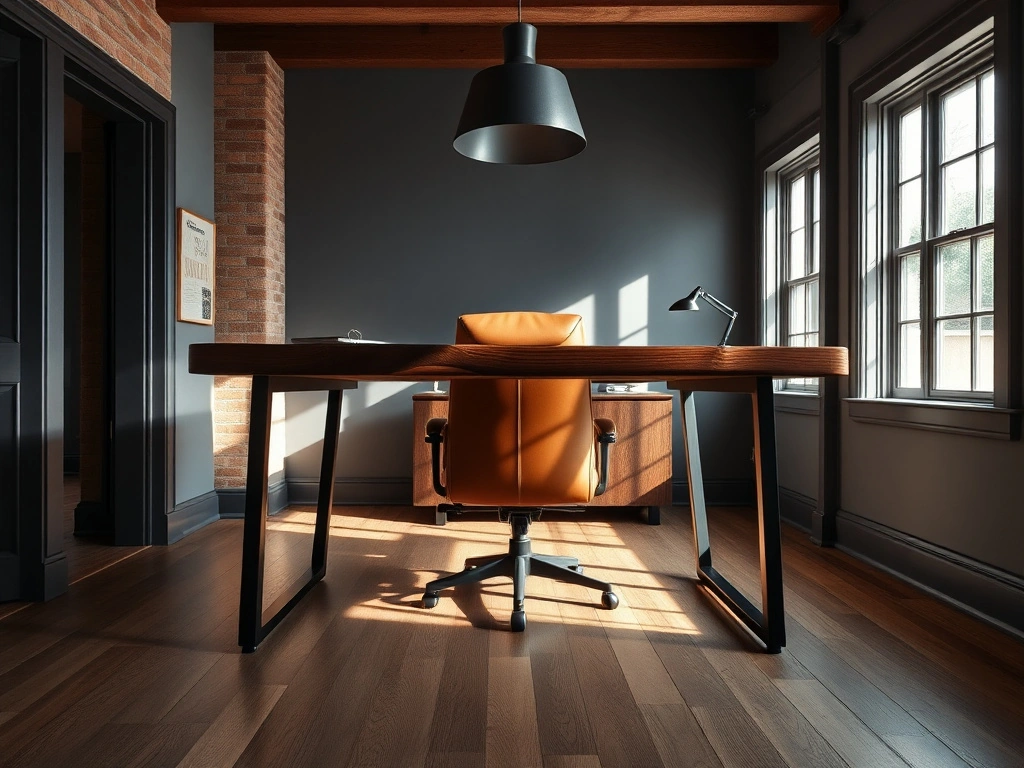
If you are looking to cultivate a workspace that feels grounded and authoritative, a modern industrial aesthetic is an excellent choice. This style relies on the honest display of materials—think raw steel, dark reclaimed wood, and exposed architectural elements—to create a professional environment that feels both sturdy and refined. The key to pulling this off without it feeling like a warehouse is to balance the ‘cold’ industrial materials with warm, tactile elements.
This style works best in rooms with high ceilings or large windows. A heavy, live-edge wood desk supported by a matte black iron frame serves as the perfect centerpiece. Pair this with a cognac leather task chair, which provides both comfort and a rich, saturated color that develops a beautiful patina over time. The contrast between the dark metal and the warmth of the leather creates an instant sense of luxury.
Lighting should be functional yet moody. Consider an oversized pendant light in a metallic finish, such as oil-rubbed bronze or gunmetal, to act as a statement piece above the desk. A common mistake is to over-accessorize with too many industrial gadgets; keep the look sophisticated by limiting your palette to deep earth tones, slate grays, and natural wood grains. By focusing on quality over quantity, you create a workspace that feels like a private executive suite, offering a serious, distraction-free zone that commands respect and productivity.
Softening Hard Surfaces with Textiles and Plants
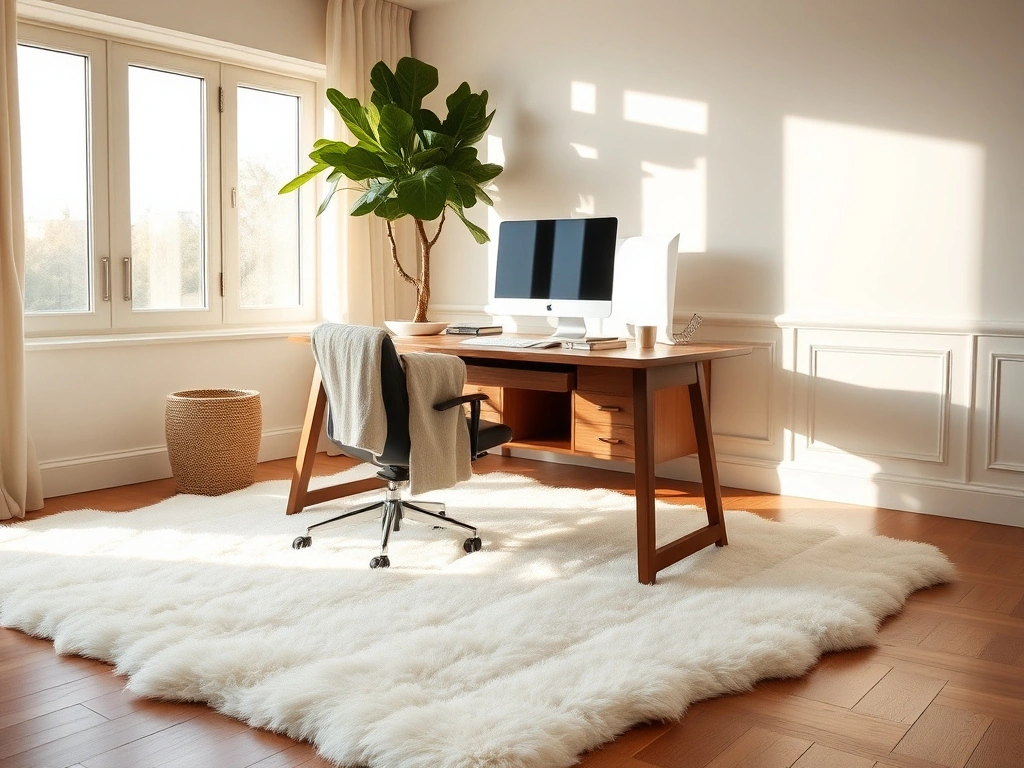
Home offices are often filled with hard, rigid surfaces: computer monitors, glass desk tops, metal chair frames, and hardwood floors. While these elements are practical, they can often make a space feel cold and uninviting. To achieve a high-end designer look, you must introduce softness to balance the geometry of your equipment. Textiles and organic greenery are your best tools for this transformation.
This approach works best in spaces that feel overly clinical or sterile. Start by layering a high-quality wool or silk-blend rug under your desk area; not only does this define the workspace, but it also provides acoustic dampening, which is essential for video calls. Draping a soft linen throw over the back of your office chair adds an immediate sense of comfort and luxury, while oversized indoor plants like a Fiddle Leaf Fig or a sculptural Snake Plant breathe life into the corners of the room.
When selecting plants, consider the lighting conditions of your office. If you have low light, look for hardy varieties that won’t require constant maintenance. Avoid the common mistake of cluttering the desk surface with tiny, distracting succulents. Instead, use one large, striking plant on the floor to draw the eye upward and add volume to the room. Use natural textiles like linen, cotton, or wool in neutral tones—think cream, charcoal, or sage—to keep the room feeling sophisticated and calm. By softening the edges of your workspace, you create a sanctuary that feels as comfortable as it is productive.
Monochromatic Color Palettes for Visual Calm
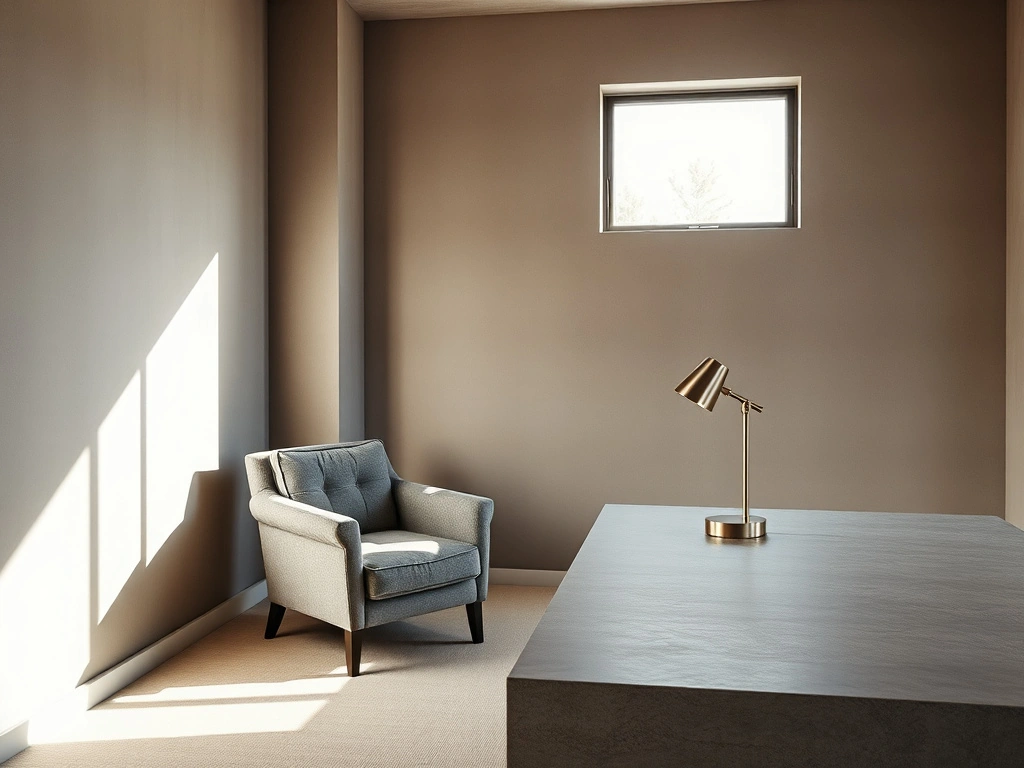
A monochromatic color scheme is one of the most effective ways to create a sense of visual calm and intellectual focus. By using different shades, tints, and textures of a single color, you eliminate jarring visual contrasts that can distract the eye. This technique is a hallmark of high-end design, as it forces the viewer to appreciate the texture and form of the furniture rather than being overwhelmed by a busy palette.
This design choice works best in small offices where you want to maximize the feeling of space. If you choose a palette of soft whites and creams, the room will feel airy and expansive. If you prefer a moodier, more focused atmosphere, a palette of deep navy or charcoal can create a cocoon-like effect that is perfect for deep-focus work. The secret to making a monochromatic room feel ‘designed’ rather than ‘flat’ is the layering of materials.
If you are using various shades of grey, mix a matte grey wall paint with a textured grey boucle chair, a brushed steel lamp, and a smooth stone desk surface. This variety in finish prevents the room from feeling one-dimensional. Avoid the mistake of having every element be the exact same shade, which can look sterile; instead, play with light and dark variations of your chosen hue. Proper lighting is essential here—use warm, layered lighting to ensure the room feels cozy in the evening and bright and energized during the day. This approach results in a workspace that feels intentionally curated and incredibly peaceful.
Multi-Functional Furniture for Versatile Spaces
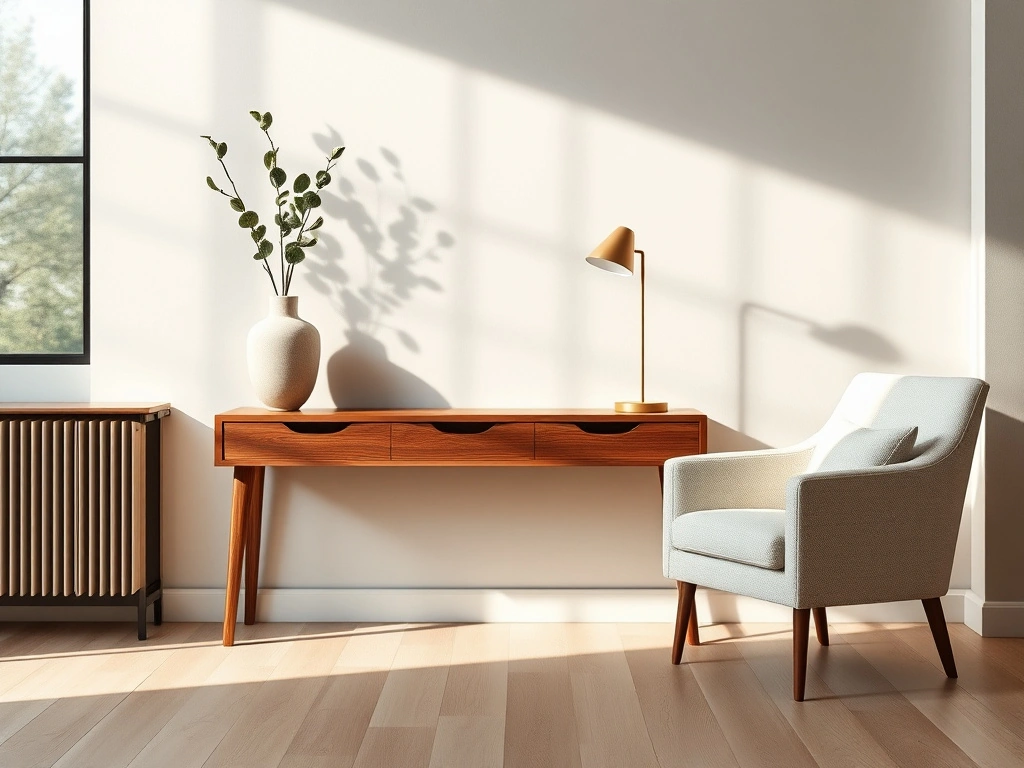
In modern homes, a dedicated office room is a luxury many don’t have. If your workspace is integrated into a living area or guest bedroom, the furniture you choose must work twice as hard. Multi-functional pieces allow you to maintain a professional workspace during the day while transitioning seamlessly into a relaxing home environment at night.
This strategy is ideal for those living in apartments or homes with open-plan layouts. Look for a writing desk that doubles as a console table, or a sleek cabinet that hides a pull-out work surface. When the workday ends, you can close the cabinet doors or clear the desk, effectively ‘shutting off’ your office and reclaiming your living space. This psychological separation is crucial for maintaining a healthy work-life balance.
When selecting multi-functional furniture, prioritize pieces with clean lines and high-quality materials like walnut, oak, or brushed metal. A common mistake is choosing furniture that looks like ‘office’ furniture—avoid plastic components or overly complex mechanical parts. Instead, look for residential-style pieces that happen to be functional for work. If your desk serves as a side table, ensure it is styled with a decorative lamp or a vase of flowers when not in use. Consider lighting that can be adjusted; a lamp with a dimmable feature is perfect for shifting from task-focused work lighting to soft, ambient mood lighting for the evening. By choosing pieces that blur the line between utility and decor, you ensure your workspace enhances your home rather than detracting from its beauty.
Curating Personal Memorabilia Without Creating Distraction
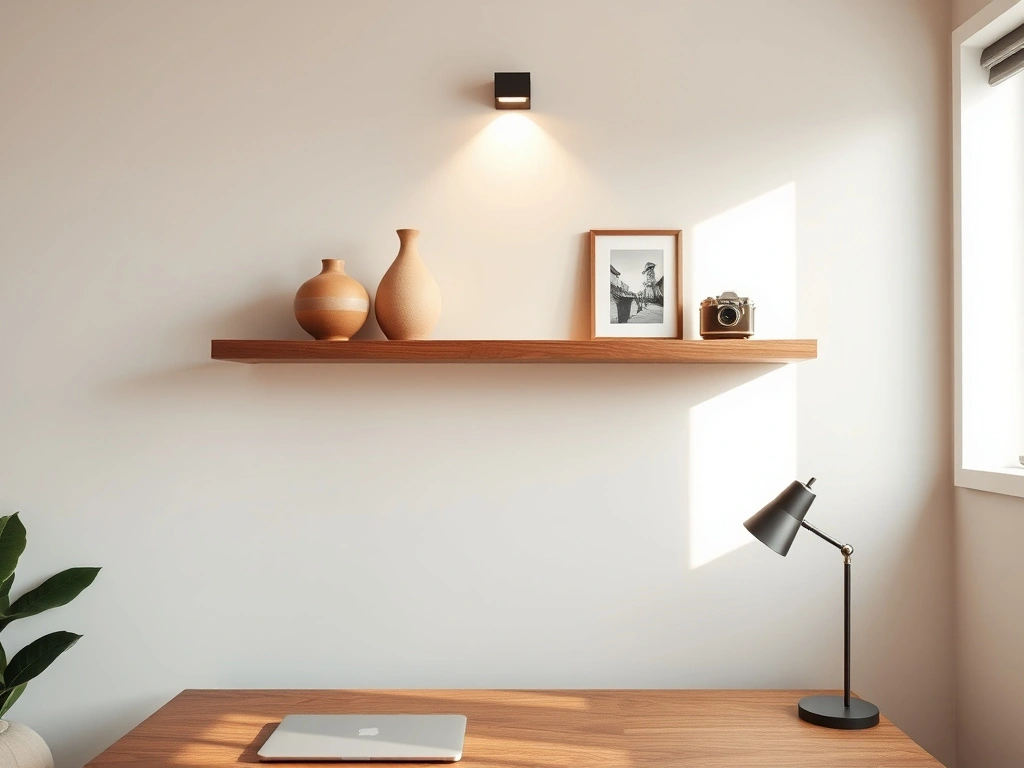
A workspace should not be a sterile cubicle; it should be an extension of your personality. Including personal items is a great way to stay inspired, but the challenge is doing so without creating visual clutter. The key is curation: choose a few meaningful pieces that tell a story, and display them in a way that feels intentional rather than accidental.
This method works best for those who need a creative boost during the workday. Instead of scattering photos and trinkets across your desk, designate a specific ‘inspiration zone.’ This could be a floating shelf above your monitor, a small tray on a bookshelf, or a framed collection of mementos on a wall. By grouping these items together, you create a focal point that feels like a deliberate design choice rather than a collection of desk-top junk.
When curating these items, look for objects that share a color palette or a theme with the rest of your office. A set of vintage cameras, a collection of travel photography in matching frames, or a few unique ceramics can add warmth and soul to your room. Avoid the common mistake of pinning loose papers or post-it notes to the wall, which creates immediate visual stress. Use a beautiful linen-covered bulletin board or a glass memo board if you need to track tasks, as these look much more sophisticated. Proper lighting, such as a small accent spotlight directed at your gallery wall, can turn your personal memorabilia into a refined feature of your office. By keeping these items contained and curated, you maintain the focus required for work while surrounding yourself with things that bring you joy.
Frequently Asked Questions
How do I make a small home office look professional without sacrificing comfort?
The secret to a professional small office is intentionality. Focus on vertical storage to keep your floor clear, which instantly makes a space feel larger and more organized. Choose a high-quality, ergonomic chair that fits your personal style, as this is the most important piece of furniture for your physical well-being. Incorporate a few curated, high-end accessories or a piece of art that reflects your brand. By removing visual clutter and keeping your desktop tidy, you create a polished, boutique-office feel that is both comfortable and highly productive.
What is the best way to hide messy cables in a home office?
Cable management is essential for a high-end look. Start by using cable sleeves or raceways that match your wall or furniture color to blend them into the background. For the desk area, consider a mounting tray that attaches to the underside of your workspace to house power strips and excess cords. If you have a standing desk, use flexible cable spines that move with the height adjustment. Finally, look for wireless charging pads or peripherals to reduce the number of physical cords needed on your workspace surface entirely.
How can I improve lighting in an office that lacks natural sunlight?
If you are working with limited natural light, layering is key. Don’t rely solely on a harsh overhead light; instead, use a combination of task lighting, such as a high-quality desk lamp with adjustable color temperatures, and ambient lighting like floor lamps or wall sconces. Consider using mirrors to reflect whatever light is available into darker corners. You can also opt for ‘daylight’ balanced LED bulbs, which mimic natural sunshine and help maintain your energy levels throughout the day without the flickering or yellow tones of traditional incandescent bulbs.
Can biophilic design really help with productivity?
Yes, absolutely. Biophilic design—the practice of bringing nature into the built environment—has been shown to lower stress, improve air quality, and boost cognitive function. You don’t need a full indoor garden to see the benefits. Simply adding a few low-maintenance plants like snake plants or pothos can soften the hard lines of office furniture. If space is tight, consider a small herb garden on a floating shelf or artwork that features organic, natural landscapes. These touches provide a necessary visual break for your eyes and help you feel more grounded.
How do I balance a home office so it doesn’t look too ‘corporate’ or too ‘casual’?
The goal is to create a space that feels like a ‘home-office hybrid.’ You can achieve this by mixing high-end, professional furniture—like a leather executive chair or a solid wood desk—with soft, residential touches. Use textiles like a plush area rug, linen curtains, or a decorative throw blanket to soften the space. Avoid sterile white walls if possible; instead, choose a sophisticated, calming paint color. By blending the durability required for work with the warmth of your home decor, you create a space that is both functional and inviting.
Conclusion
Creating a beautiful home office is about more than just aesthetics; it is about crafting an environment that supports your professional goals while honoring your personal comfort. By integrating thoughtful storage, layered lighting, and elements of nature, you can transform any space into a sanctuary of productivity. Remember that your workspace should be a reflection of your unique workflow and style, providing you with the focus you need to excel.
You don’t need to implement every design idea at once to see a difference. Start by tackling one or two areas, such as optimizing your cable management or adding a touch of greenery to your desk. As you refine your space, you will find that a well-designed office doesn’t just improve your work—it enhances your quality of life. Enjoy the process of curating a space that truly works for you.