There is a distinct difference between a cluttered corner of appliances and a thoughtfully curated home cafe. For many homeowners, the morning coffee routine feels like a chaotic scramble against limited counter space and scattered accessories. When your kitchen lacks a logical flow, even the best brew can feel like an inconvenience rather than a moment of restoration.
Designing a dedicated space for your morning ritual is about more than just aesthetics; it is about creating a high-functioning zone that simplifies your life. Whether you are working with a sprawling kitchen island or a compact nook in a small apartment, the right layout can transform your daily habit into a refined experience that adds value to your home.
In this guide, we explore a variety of coffee-station-ideas designed to marry professional organization with high-end interior styling. From maximizing vertical storage to selecting the right lighting and hardware, we will walk you through the practical steps to building a beautiful, efficient hub. Let’s refine your space so you can start every morning with intention and ease.
Utilizing Floating Shelves for Vertical Storage
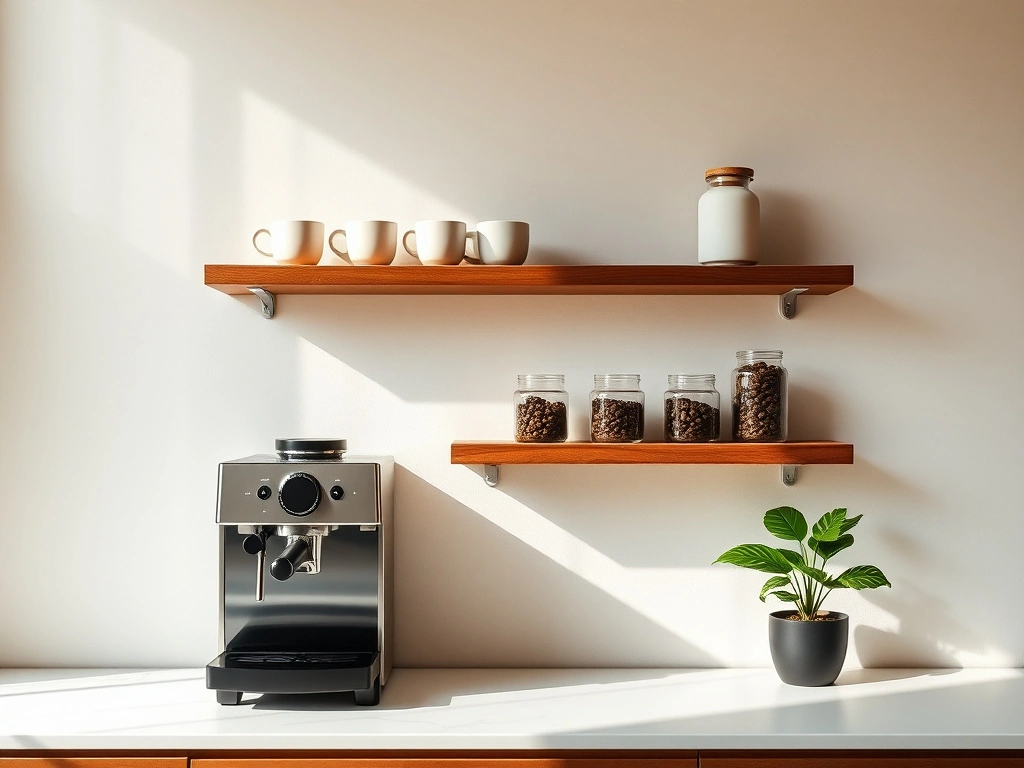
When floor space is at a premium, the solution is to look upward. Floating shelves are the ultimate designer trick for transforming an empty wall into a functional, artful coffee sanctuary. By installing a series of thick, natural oak or walnut shelves above your machine, you effectively clear your precious counter space while keeping your daily essentials within arm’s reach. This approach works best in kitchens with limited footprint or cozy breakfast nooks where you want the focus to remain on the aesthetic display rather than the clutter of appliances.
To style this effectively, curate your shelves with intentionality. Place your most-used ceramic mugs on the lower tier for easy access, and use the higher shelves for decorative elements like a small potted plant, a vintage coffee tin, or artisanal glass canisters filled with beans. Stick to a cohesive color palette—perhaps matte black hardware paired with soft cream ceramics—to ensure the display feels like a deliberate design choice rather than storage overflow. A common mistake is overcrowding the shelves; leave enough negative space between items to let the wall surface breathe. For a polished finish, consider mounting the shelves with hidden brackets to maintain a seamless, architectural look that elevates the entire room.
Repurposing Bar Carts for Mobile Coffee Stations
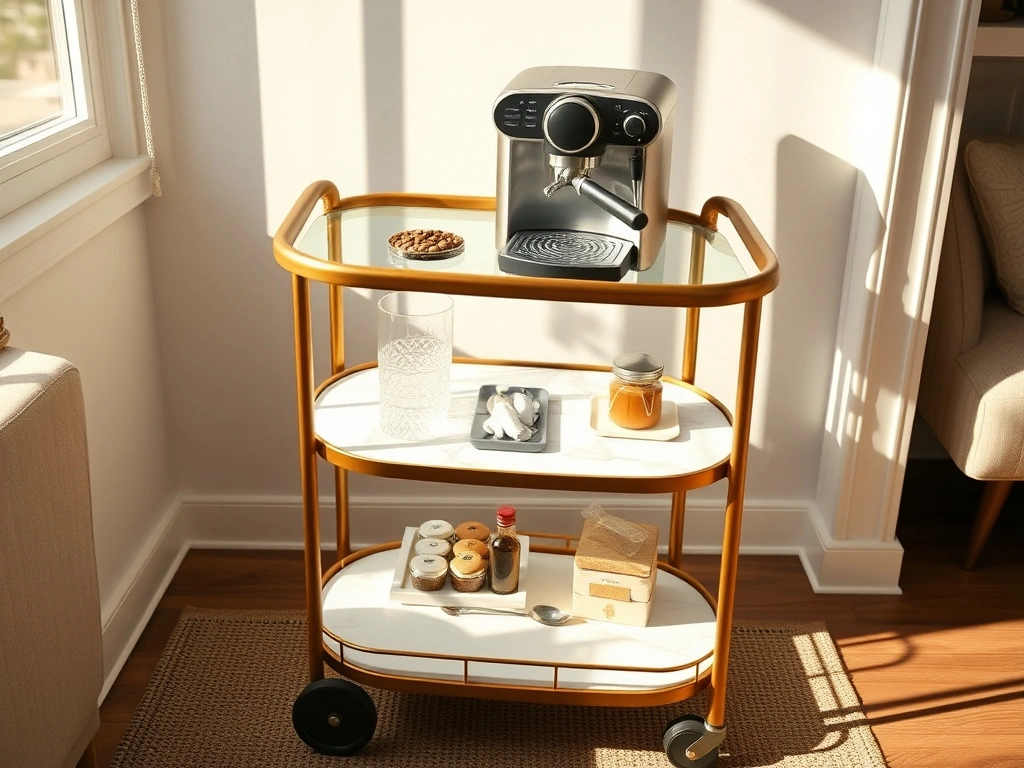
A bar cart is perhaps the most versatile piece of furniture in a high-end home. By repurposing a rolling cart as a dedicated coffee station, you gain the luxury of mobility, allowing you to move your morning ritual from the kitchen to the living room or patio when hosting guests. This setup is perfect for open-concept floor plans where permanent built-ins aren’t an option. It transforms a simple beverage routine into a mobile hospitality experience that feels both curated and effortless.
Choose a cart with a sturdy frame—brass or matte black metal paired with marble or glass tiers provides a sophisticated, high-contrast look. Arrange your espresso machine on the top tier, utilizing the lower shelf for storage of linen napkins, a small tray of sweeteners, and a collection of spoons. To keep it feeling like a high-end cafe, avoid using the cart for miscellaneous storage; keep it strictly dedicated to coffee and tea. A professional tip is to ensure the cart is positioned near a power source or to use a discreet, high-quality extension cord tucked behind a decorative basket. If the cart feels too exposed, ground it by placing a small, patterned rug underneath to define the ‘zone’ and add a layer of warmth to the hard surfaces.
Creating a Minimalist Nook with Neutral Tones
Minimalism is not about lack; it is about intentionality. A neutral coffee nook relies on texture and silhouette rather than color to make a statement. By sticking to a palette of soft whites, warm beiges, and muted greys, you create a calm, spa-like atmosphere for your morning routine. This aesthetic works best in modern homes where clean lines and architectural simplicity are the primary focus, preventing the kitchen from feeling visually noisy.
To execute this look, select a high-end coffee machine with a sleek, monochromatic finish—think matte white or stainless steel. Pair this with organic materials like a honed stone tray to anchor the setup and prevent water rings on your surface. Avoid the urge to display every accessory you own; instead, keep only the essentials out, such as a single stack of uniform mugs and a sculptural creamer. The key to success here is the quality of the items you do choose to display. Incorporate subtle texture through a linen runner or a hand-thrown clay vessel for stirrers. A common mistake is failing to provide enough contrast; ensure the neutral shades have varying depths, such as pairing a creamy white machine against a light grey marble countertop to keep the space from looking flat.
Farmhouse Style Coffee Bar with Reclaimed Wood
There is an inherent warmth to farmhouse design that makes it a perfect fit for a coffee station. Incorporating reclaimed wood provides a sense of history and organic texture that contrasts beautifully with the sleek, metallic finish of a coffee maker. This style works best in kitchens that feature shaker-style cabinetry or neutral backsplashes, creating a cozy, inviting focal point that feels like the heart of the home.
When styling a farmhouse coffee bar, look for chunky floating shelves or a countertop made from salvaged timber with visible grain and character. These elements anchor the space and provide a rustic foundation. Complement the wood with industrial-inspired details, such as wrought iron mug hooks or a chalkboard sign for the daily brew menu. To keep the look refined rather than cluttered, balance the rustic wood with clean, crisp white ceramics and galvanized metal canisters for your coffee grounds. A common mistake is over-accessorizing; keep the farmhouse charm intentional by selecting just a few high-quality, authentic pieces. Lighting is crucial here—consider an Edison-bulb pendant light hung directly above the station to enhance the warm, nostalgic glow of the reclaimed wood and create an inviting atmosphere even on the gloomiest mornings.
Hidden Coffee Stations Behind Cabinet Doors
For those who appreciate the ‘less is more’ philosophy, hiding your coffee station behind custom cabinetry is the ultimate luxury. This approach creates a ‘coffee pantry’ or appliance garage that keeps your counters completely clear when the station isn’t in use. It is an ideal solution for high-traffic kitchens where you want to maintain a pristine, uncluttered appearance while still having all your equipment ready for instant use.
To make this feature truly functional, consider using pocket doors that slide back into the cabinetry, ensuring they don’t block the kitchen flow. Inside the cabinet, install a pull-out shelf or a sliding tray to make moving heavy machines forward easier. Since this is an enclosed space, lighting is essential—recessed LED tape lights installed under the cabinet shelf will illuminate the workspace when the doors are open. Use the interior walls of the cabinet for vertical storage, such as magnetic strips for stirrers or hooks for mugs. A common mistake is neglecting ventilation; ensure your cabinet is deep enough and has proper airflow to prevent heat buildup from the machine. By keeping the exterior of your kitchen looking seamless and organized, you create a sophisticated environment that feels intentionally designed for both productivity and peace.
Maximizing Counter Corners with Tiered Trays
The corner of a kitchen counter is often the most neglected space, yet it is the perfect location for a coffee station. Because corners can feel awkward, using a tiered tray is a brilliant designer strategy to maximize vertical height while keeping everything contained. This method works best for homeowners who want to create a ‘destination’ in their kitchen without committing to a major renovation or built-in cabinetry.
A tiered tray acts as a frame for your coffee setup, defining the boundaries and preventing your items from migrating across the counter. On the bottom tier, place your coffee machine or a large canister of beans; on the top tier, arrange your mugs, a small sugar bowl, and perhaps a seasonal decorative accent like a faux branch or a small candle. Choose a tray material that complements your existing countertops, such as marble for a luxe feel or dark wood for a grounded, earthy vibe. A common mistake is choosing a tray that is too small for the equipment; ensure your base is wide enough to hold the machine comfortably without feeling precarious. For a high-end finish, ensure your mugs match or share a similar color family to maintain a cohesive look that feels curated rather than like a collection of random kitchenware.
Integrating LED Under-Cabinet Lighting
Lighting is the difference between a functional workspace and a designer-grade coffee station. Under-cabinet lighting not only makes your morning routine safer and easier, but it also highlights the textures of your backsplash and the beauty of your ceramic collection. This is particularly effective in kitchens with dark cabinetry or in deep corners where overhead kitchen lighting fails to reach.
For a premium look, opt for warm-toned LED strips (around 2700K to 3000K) that offer a soft, inviting glow rather than a harsh clinical white. These can be easily mounted to the underside of your upper cabinets or shelves. If you are aiming for a high-end feel, ensure the light is diffused so you don’t see individual dots reflecting off your countertop or mugs. This lighting serves as a ‘mood’ feature; even when you aren’t making coffee, the glow adds depth and sophistication to your kitchen at night. A common mistake is placing the light too far back, which can cause shadows on the work surface; mount the strip toward the front edge of the cabinet to ensure the light washes over the entire coffee-making area. Consider installing a motion sensor or a smart plug so the station illuminates automatically as you approach, adding a touch of modern convenience that feels truly bespoke.
Wall-Mounted Mug Racks for Visual Appeal
Mugs are often the most colorful and personal items in a kitchen, making them the perfect candidate for display. A wall-mounted mug rack transforms your collection from ‘storage’ into a piece of functional wall art. This design choice is ideal for those who want to add personality to their coffee area without cluttering their limited counter space. It also invites guests to serve themselves, making your home feel welcoming and hospitable.
When choosing a rack, consider the style of your kitchen. A brass rail system looks stunning in a modern, eclectic space, while a weathered wood board with iron hooks suits a rustic or farmhouse aesthetic. The key to making this look intentional is the arrangement; don’t just hang mugs randomly. Group them by color, size, or style to create a visually pleasing pattern. If you have a collection of artisanal, handcrafted mugs, this is the perfect place to show them off. A common mistake is hanging the rack too high, making it difficult to grab a mug in the morning haze. Aim to position it at eye level or just above your coffee machine. To elevate the look further, ensure the wall behind the rack is painted a contrasting color or features a textured backsplash, which will make the mugs pop and serve as a beautiful focal point in the room.
9. Industrial Chic Designs Using Metal Piping
There is something undeniably sophisticated about the juxtaposition of raw industrial elements against the warmth of a morning ritual. Utilizing matte black iron piping to create floating shelves or custom wall-mounted racks offers a structural, masculine edge that works beautifully in loft-style apartments or kitchens with exposed brick. The open-shelf design forces a curated approach to your collection; it demands that your mugs and equipment look as good as they function.
This aesthetic thrives in spaces that lean toward modern minimalism or urban farmhouse styles. To keep it feeling elevated rather than purely utilitarian, pair your metal piping with warm, reclaimed wood planks. The contrast between the cold, dark metal and the organic grain of the wood provides the necessary visual balance. If your kitchen feels too sterile, this addition introduces an architectural focal point that anchors the room.
When styling, keep the hardware consistent. If you use black iron pipes for shelving, ensure your mug hooks and any nearby cabinet hardware follow suit. Avoid overcrowding the shelves with too many gadgets; instead, limit the space to your most aesthetic items, such as a high-end kettle or a vintage-inspired French press. For lighting, consider installing a dedicated Edison-bulb sconce above the station to cast a warm, amber glow that highlights the metallic textures. A common mistake is mounting the piping too high; keep the primary shelf at eye level to ensure the station remains accessible and ergonomic for your daily brewing workflow.
10. Dedicated Espresso Corners for Serious Baristas
For the true coffee enthusiast, the coffee station is not just a convenience; it is a laboratory. A dedicated espresso corner requires a shift in priorities, moving from purely decorative storage to a high-functioning ‘workflow zone.’ The goal here is to keep your grinder, tamper, scale, and machine in an ergonomic line, mirroring the efficiency of a professional cafe setup.
This design works best on a deep countertop or a secondary butcher-block island where you have ample room to spread out. Invest in a high-quality tamping mat to protect your surfaces and provide a professional touch. Because espresso equipment can be visually heavy, ground the station with a large, textured tray that catches spills and keeps loose grounds contained. This creates a psychological boundary between your coffee craft and the rest of the kitchen.
Lighting is critical for the serious barista. You need clear, bright task lighting to monitor extraction levels and ensure your portafilter is perfectly clean. Consider installing under-cabinet LED strips with a neutral temperature to avoid shadows. A major mistake to avoid is placing your espresso station too close to high-traffic areas like the sink or refrigerator, where accidental bumps can ruin a precise shot. Keep your accessories organized in a shallow drawer directly beneath the machine; a modular drawer organizer is essential for keeping tampers and brushes from rolling around. Use uniform glass canisters for your beans to add a refined, laboratory-like aesthetic that celebrates your commitment to the perfect cup.
11. Boho-Inspired Coffee Stations with Natural Textures
Embracing a boho-inspired coffee station allows you to turn a mundane morning task into a sensory, grounding experience. This style relies heavily on the ‘layered organic’ look—think rattan, jute, terracotta, and soft, hand-thrown ceramics. By bringing nature into your coffee corner, you create a space that feels lived-in, soulful, and infinitely welcoming.
This aesthetic works best in sun-drenched kitchens or small nooks where you can add a trailing plant like a pothos or a fiddle leaf fig to breathe life into the area. Use a woven rattan tray to corral your sugar bowls and spoons, and opt for artisanal mugs with reactive glazes that feel unique in the hand. The color palette should remain soft and earthy: creams, warm terracottas, sage greens, and sandy beiges.
To perfect this look, avoid mass-produced plastic accessories. Instead, look for wooden scoops, linen napkins, and woven baskets to store your pods or tea bags. A common mistake is over-styling with too many knick-knacks; keep it functional by ensuring the machine itself is the hero, surrounded by curated, natural companions. Lighting should be soft and diffused; a small, woven pendant light hung low over the corner creates an intimate, cozy atmosphere that feels like a private retreat. Designer tip: incorporate a small mirror with a brass or rattan frame behind the station to bounce natural light around the corner, making the space feel larger and more ethereal.
12. Budget-Friendly DIY Cupboard Conversions
If counter space is at a premium, the most elegant solution is often hiding in plain sight: your existing cabinetry. Converting an under-utilized cupboard into a ‘hidden’ coffee station is a masterclass in space efficiency. By installing a retractable shelf or a slide-out tray, you can keep your bulky machine tucked away when not in use, maintaining a clean, clutter-free kitchen silhouette.
This idea works perfectly for homeowners who prefer a minimalist kitchen aesthetic but still want the luxury of a full coffee setup. To make the interior feel like a destination rather than a storage closet, line the back of the cabinet with peel-and-stick wallpaper or a fresh coat of paint in a contrasting tone. Adding a small motion-sensor LED light inside the cupboard creates a ‘wow’ factor every time you open the doors.
Practicality is key here. Ensure you have an electrical outlet installed inside the back of the cabinet to avoid unsightly cords running to the main counter. A common mistake is forgetting to account for vertical clearance; measure your tallest machine, including the water reservoir lid, to ensure you can refill it without pulling the machine completely out every time. Use the interior of the cabinet doors to mount hooks for mugs or a small rack for syrups. This transformation is not only budget-friendly but also adds significant value by turning dead storage space into a highly functional, luxury feature that keeps your kitchen counters pristine.
13. Stylish Pod Organization Using Acrylic Containers
For those who rely on pod-based brewing, the struggle is often managing the sheer volume of colorful, plastic packaging that can quickly overwhelm a sophisticated kitchen. The solution is to move away from original boxes and embrace the clarity of high-quality acrylic organizers. Acrylic is a designer favorite because it is virtually invisible, allowing the focus to remain on your beautiful kitchen surfaces rather than cluttered packaging.
This approach works best when you want to maintain a high-end, gallery-like feel. Group your pods by roast or flavor intensity within clear, stackable acrylic drawers or minimalist glass jars. The uniformity of the pods creates a rhythmic, satisfying visual pattern that feels intentional and curated. If you have the space, a tiered acrylic carousel can act as a sculptural centerpiece on your counter.
When using acrylic, ensure you opt for high-grade, non-yellowing material to maintain that crisp, clean look over time. Avoid mixing too many different styles of organizers; consistency is what makes this look premium. A common mistake is storing pods in direct, harsh sunlight, which can impact the quality of the coffee; keep your acrylic station in a shaded part of the counter. To elevate the setup, place the containers on a marble or stone slab to add a layer of natural texture that offsets the transparency of the acrylic. Designer tip: use small, gold or matte black adhesive labels on the front of the drawers to identify your coffee varieties—it adds a bespoke, boutique hotel touch to your daily routine.
14. Designing a Guest-Friendly Hospitality Zone
A coffee station should be more than just a personal ritual; it is the heart of home hospitality. When designing a zone meant for guests, the emphasis must shift to intuitive navigation. Your guests should be able to walk up to the station and understand exactly how to make a cup of coffee without needing a tutorial or feeling like they are prying into your personal storage.
This works best in a dedicated alcove or a designated section of a kitchen island that is separate from your primary food preparation area. Keep the essentials—sugar, stirrers, napkins, and a variety of mugs—clearly visible in beautiful, labeled vessels. A small, elegant carafe for milk or cream adds a sophisticated touch that makes guests feel truly welcomed.
To ensure a seamless experience, avoid overly complicated machines. If you have a high-tech espresso machine, consider keeping a simple French press or an automatic drip coffee maker nearby for guests who prefer a straightforward brew. A common mistake is not providing enough surface area for guests to set down their mugs while they prepare their drinks. Incorporate a small, dedicated tray for the ‘fixings’ to keep everything contained. Lighting plays a huge role here; use a warm, inviting glow, perhaps with a dimmable wall sconce, to signal that this area is open for use at any time of day. Adding a small menu or a framed instruction card in a stylish frame can also serve as a thoughtful, helpful detail that elevates the guest experience from good to exceptional.
15. Matching Coffee Decor to Kitchen Color Palettes
A coffee station should never look like an afterthought; it should feel like an extension of your kitchen’s architecture. To achieve this, your coffee decor needs to harmonize with your existing color palette. If your kitchen features bold, dark cabinetry, your coffee station should act as a bridge, perhaps incorporating warm metallic accents like brass or copper to pop against the deep tones.
In a bright, white-on-white kitchen, use your coffee station to introduce texture rather than just more white. Opt for charcoal-colored machines, dark wood accessories, or a backsplash of patterned tile within the coffee zone to create a visual ‘anchor.’ The goal is to create a cohesive look that feels deliberate. If your kitchen has a specific accent color—like a soft blue or sage green—carry that color over to your coffee station through your mug collection or a piece of art hung nearby.
When selecting appliances, consider how their finish interacts with your hardware. If you have nickel cabinet pulls, a brushed stainless steel machine is a safe, timeless choice. If your kitchen leans warmer, a matte black or cream machine can offer a softer, more boutique feel. A major mistake is ignoring the wall space behind the station; treat it as an opportunity for design. Whether it is a bold wallpaper, a different tile, or a piece of framed art, this backdrop should reinforce your kitchen’s color story. By carefully curating the colors of your machine, storage vessels, and textiles, you ensure the coffee station feels like a permanent, well-considered feature of the home rather than a cluttered corner.
16. Strategic Cable Management for Clutter-Free Surfaces
The quickest way to ruin the aesthetic of a high-end coffee station is a tangle of black electrical cords snaking across your beautiful countertops. Achieving a truly ‘curated’ look requires a strategic approach to power. If you are in the planning phase, prioritize installing outlets directly behind the machine, hidden from view, to eliminate exposed wires entirely.
For existing kitchens, you must get creative with cable management. Use adhesive cord clips in a color that matches your backsplash to tuck wires neatly against the wall or behind the machine body. Alternatively, consider a cable management box designed to sit behind your machine, which can house excess cord length and even a small power strip. This keeps the visual plane clean and allows the beauty of your machine to take center stage.
When styling, always ensure the cord is routed away from the front of the counter. A common mistake is bunching the cord up and letting it sit visibly on the side of the machine; it creates a sense of chaos that detracts from the luxury feel. If you have multiple appliances, such as a grinder and a kettle, use a low-profile power strip with a braided fabric cord, which looks far more intentional than standard plastic. Designer tip: if your outlet is in an awkward position, use a decorative item like a small potted plant or a stack of cookbooks to artfully obscure the plug point. A clean, wire-free surface is the hallmark of professional interior design and is the single most effective way to make your morning coffee routine feel like a high-end ritual.
Seasonal Styling Tips for Holiday Coffee Bars
Transforming your coffee station into a seasonal focal point is the ultimate way to bring warmth into your home. During the winter months, swap out your everyday mugs for artisanal ceramic pieces in deep forest greens or matte blacks. Incorporate natural elements like dried orange slices, cinnamon sticks in glass apothecary jars, and a sprig of fresh eucalyptus to engage the senses.
This approach works best in transitional areas like a butler’s pantry or a dedicated sideboard. The key is balance; avoid cluttering the space with too much holiday kitsch. Instead, opt for one or two sophisticated decorative objects, such as a brass reindeer or a velvet ribbon tied around a canister set. Use warm-toned LED fairy lights tucked behind your machine to cast a soft, inviting glow that mimics the cozy atmosphere of a professional boutique cafe.
A common mistake is letting the seasonal decor interfere with the machine’s functionality. Ensure you have clear access to the water reservoir and pod drawer at all times. A designer tip: introduce seasonal flavors through syrups stored in uniform glass bottles with minimalist labels to maintain that curated, high-end aesthetic while embracing the festivities.
Incorporating Decorative Trays to Define Zones
The secret to a polished coffee station is visual containment. A decorative tray acts as a design anchor, grouping disparate items—your machine, a sugar bowl, and a milk frother—into a single, intentional vignette. This technique is particularly effective in open-concept kitchens where you want to distinguish the coffee area from the rest of the workspace without building permanent structures.
Choose materials that complement your existing hardware. A marble tray with gold handles provides a luxurious contrast against dark quartz countertops, while a reclaimed wood tray adds organic warmth to a sterile, modern kitchen. For a cohesive look, ensure the scale of the tray is large enough to house your machine comfortably without looking crowded. Leave a small margin of space around the edges to allow the piece to breathe.
Avoid using lightweight plastic or flimsy materials that can warp when exposed to heat or moisture. Instead, invest in substantial pieces like heavy stone, leather, or solid oak. A pro tip: if your coffee station is on a narrow counter, use a rectangular tray to emphasize the horizontal line, which helps the space feel more expansive and purposeful. This simple addition elevates a messy morning setup into a purposeful design statement.
Modern Scandinavian Coffee Station Aesthetics
Scandinavian design thrives on the philosophy of ‘hygge’—creating a cozy, functional environment that favors simplicity. For a coffee station, this means stripping away the unnecessary. Opt for a neutral color palette featuring soft whites, light woods, and muted greys. The goal is to create a serene morning ritual space that feels light and airy rather than cluttered with gadgets.
This aesthetic works exceptionally well in smaller homes or minimalist apartments where you want the coffee area to blend seamlessly into the architecture. Use light oak shelving above your station to store minimalist white porcelain mugs. Incorporate a high-quality, matte-finished coffee maker that serves as the centerpiece. Lighting should be soft and diffused; consider a wall-mounted sconce with a warm bulb to highlight the textures of your wood surfaces.
Avoid bold, clashing patterns or excessive neon signage. The beauty of the Scandinavian look lies in its restraint. Keep your surfaces clear by utilizing wall-mounted organizers for spoons or stirrers. A designer-inspired touch is to introduce a single piece of textured linen, like a high-quality tea towel, draped neatly over the edge of the counter. This adds a layer of softness to the hard materials of the machine, grounding the space in tactile comfort.
Optimizing Workflow Near Water Sources
Efficiency is the cornerstone of a high-functioning coffee station. Ideally, your station should be positioned within arm’s reach of a water source to eliminate the hassle of carrying heavy reservoirs across the kitchen. If you are renovating, consider installing a dedicated under-counter water line or a secondary prep sink nearby to streamline the brewing process.
This setup is best suited for high-traffic kitchens where multiple people are grabbing coffee simultaneously. When the machine is close to the sink, the cleanup process becomes intuitive. Use a small, absorbent stone mat or a high-end silicone drip tray beneath the machine to catch accidental splashes, protecting your countertops while maintaining a sleek appearance.
One common mistake is crowding the area with dry storage like coffee beans or syrups that don’t need to be near the water. Keep the ‘wet’ zone strictly for the machine and cleaning tools, while moving storage to an adjacent cabinet or shelf. Designer tip: install a pull-out drawer with dedicated dividers directly beneath the machine for easy access to cleaning cloths, descaling solution, and spare filters. Keeping these maintenance items hidden yet accessible ensures your workflow remains uninterrupted and your counter remains pristine.
Small Apartment Coffee Solutions for Tight Spaces
Living in a small apartment doesn’t mean sacrificing your morning barista experience. The key to maximizing tight square footage is verticality. Use floating shelves or a wall-mounted rail system to clear your limited counter space. By lifting your mugs, pods, and accessories off the surface, you immediately create a more open, uncluttered feel.
This approach works best on a small bar cart or a dedicated corner of a desk. If counter space is non-existent, a rolling bar cart is an excellent solution; it can be tucked away when not in use and wheeled out to serve guests. Look for pieces with slim profiles and integrated storage to ensure you aren’t adding visual bulk to the room.
Avoid oversized appliances that dominate the entire footprint. Choose compact, high-performance machines that offer a smaller silhouette without compromising quality. A common mistake is letting cables clutter the view; use cable clips or adhesive channels to run cords neatly down the wall or behind the cart. Pro tip: treat your coffee corner as a micro-design project. Use a small piece of wallpaper or a different paint color behind the shelving to visually ‘zone’ the area, making it feel like a intentional, dedicated nook rather than just a place to store your machine.
Adding Greenery and Plants to Your Coffee Corner
Adding organic life to your coffee station is the fastest way to soften the industrial nature of espresso machines and metal accessories. Plants introduce movement, texture, and a sense of freshness that perfectly complements the ritual of brewing coffee. A small trailing Pothos or a sculptural snake plant can breathe life into a corner that might otherwise feel cold or purely functional.
This works best in areas with some natural light, such as near a kitchen window or on a sunny breakfast nook counter. If your coffee station is in a darker area, consider high-quality dried florals, like preserved pampas grass or eucalyptus, which provide the same aesthetic benefit without the need for sunlight. Use planters that match your existing kitchen hardware—think matte black ceramic or brass pots to tie the look together.
Avoid placing large, leafy plants directly in front of the machine where they might obstruct your reach or get splashed by water. Instead, place them to the side or on a slightly elevated shelf. A designer tip: use the ‘rule of three’ when styling your plants. Pair a small plant with a stack of coffee table books and a candle to create a layered, collected look. This transforms your coffee station from a utilitarian appliance zone into a styled lifestyle feature within your home.
Curating a Professional Cafe Look at Home
To achieve a professional cafe aesthetic, you must treat your home coffee station with the same rigor as a boutique shop. This starts with consistency. Use uniform, glass-blown canisters for your coffee beans, sugar, and grounds. Removing original, brightly colored packaging instantly elevates the space and creates a cohesive, high-end visual flow.
This look works best in dedicated kitchen niches or butler’s pantries. Focus on the ‘menu’ aspect of your display: a small, framed print or a high-quality chalkboard can list your house blends or syrups, adding a touch of authentic cafe charm. Lighting is critical; under-cabinet LED strips or a dedicated task lamp will highlight the textures of your machine and accessories, making the station feel like the heart of the home.
Avoid ‘clutter creep’ by strictly limiting what stays on the counter. Only the machine and the most essential, beautiful items should be visible. Everything else—spare pods, filters, or cleaning supplies—should be tucked away in designated drawers or baskets. Designer tip: invest in a high-quality milk pitcher and a matching tamper, and display them on a small wooden stand. These tools aren’t just functional; they are beautiful objects that signal to guests that you take your craft seriously. When every item has a purpose and a place, the station ceases to be just a collection of appliances and becomes a curated destination.
Frequently Asked Questions
What is the best location in the kitchen for a coffee station?
The ideal spot for your coffee station is near a water source or an existing electrical outlet to minimize cord clutter. If your layout allows, position it outside of the main ‘work triangle’ where you do your heavy cooking and prep. This prevents congestion during the morning rush, allowing family members to grab a cup of coffee without getting in the way of someone preparing breakfast or lunch. A corner nook or a dedicated section of a countertop that is slightly removed from the stove is usually the most functional choice.
How can I keep my coffee station looking clean and organized?
Consistency is key to maintaining a polished look. Start by using decorative trays to corral loose items like sugar bowls, spoons, and napkins, which instantly makes a collection of items look intentional rather than cluttered. Regularly clear out empty pods or used coffee grounds and wipe down surfaces to prevent sticky spills. If you have a lot of visual noise, consider using uniform containers for your coffee beans or pods. Keeping your most-used items accessible while tucking away seldom-used gadgets in nearby drawers will ensure your station stays both functional and visually serene.
What essential items should I include in my home coffee station?
Beyond your coffee maker, focus on the ‘barista experience.’ Include a dedicated space for mugs—whether on a rack or a shelf—and a small bin for pods or grounds. I always recommend adding a sugar vessel, a small pitcher for milk or creamers, and a few stirrers. If you have the space, incorporating a small trash bin or a decorative basket for used pods keeps the area tidy. Don’t forget a personal touch, such as a small plant or a piece of art, to make the station feel like a curated extension of your home.
Are coffee stations suitable for small apartments or limited counter space?
Absolutely. In smaller homes, the trick is to think vertically. Utilize wall-mounted shelving or a narrow bar cart that can be tucked into a corner when not in use. If you lack counter space entirely, a floating shelf installed above an outlet can serve as a perfect platform for a compact espresso machine. You can also use under-cabinet organizers to hang mugs, freeing up valuable surface area. By focusing on vertical storage and multi-functional furniture, you can create a high-end cafe feel without sacrificing your limited kitchen footprint.
How do I choose the right lighting for my coffee station?
Lighting can completely change the mood of your coffee nook. If your station is tucked under upper cabinets, LED strip lighting is a game-changer; it provides focused illumination for pouring and measuring while adding a premium, professional glow. If you don’t have under-cabinet options, consider a small, stylish desk lamp or a battery-operated sconce. Warm-toned lighting is usually best for coffee areas, as it creates a cozy, inviting atmosphere that makes your morning routine feel like a relaxing ritual rather than a chore.
Conclusion
Creating a dedicated coffee station is one of the most rewarding home upgrades you can make. By blending intentional storage, thoughtful lighting, and a style that reflects your personal aesthetic, you turn a mundane morning task into a restorative experience. Whether you choose to repurpose a vintage cart or install sleek floating shelves, the goal is to build a space that brings you joy every single day.
We encourage you to start small. Begin by clearing your current counter space and selecting just one or two of these ideas to implement this weekend—perhaps a new tray to organize your accessories or a wall-mounted rack for your favorite mugs. Once you experience the ease of a well-organized home cafe, you will wonder how you ever managed without it. Your perfect morning ritual is just a few simple adjustments away.