Refreshing your living space often feels like a balancing act between chasing fleeting social media fads and maintaining a home that feels authentically yours. It is easy to feel overwhelmed by the sheer volume of new styles, especially when you want to modernize your aesthetic without committing to an expensive, full-scale renovation.
The secret to a sophisticated interior lies in selecting the right trendy-home-decor-items that offer high visual impact while respecting the existing character of your home. Rather than replacing your staple furniture, thoughtful accents can bridge the gap between your current layout and a fresh, designer-curated look.
In this guide, we have curated a selection of pieces that prioritize modern longevity over short-lived trends. We will walk you through how to integrate these updates seamlessly, ensuring your home feels current, intentional, and perfectly tailored to your personal style.
Sculptural ceramic vases for organic appeal
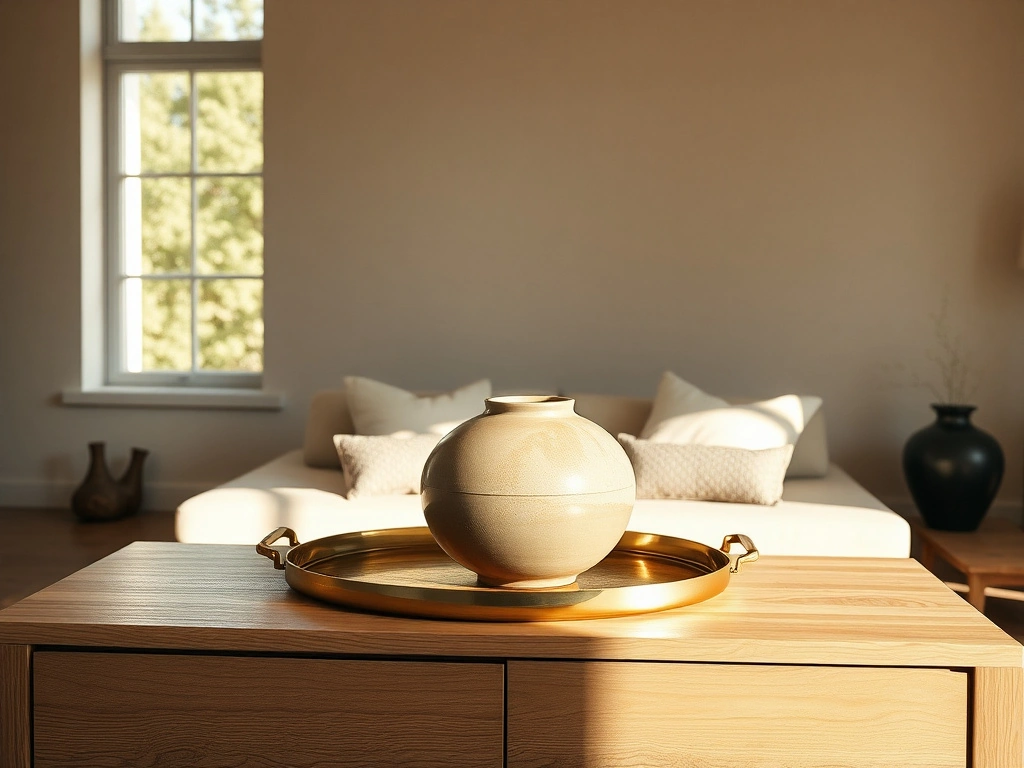
The modern home thrives on the tension between clean lines and organic imperfections. Sculptural ceramic vases are the quintessential accessory for this, acting as functional art that grounds a room. Look for pieces with matte, unglazed finishes or tactile, hand-coiled textures that celebrate the raw beauty of clay. These items work best on minimalist consoles, open shelving, or as a centerpiece on a dining table where their silhouette can be fully appreciated.
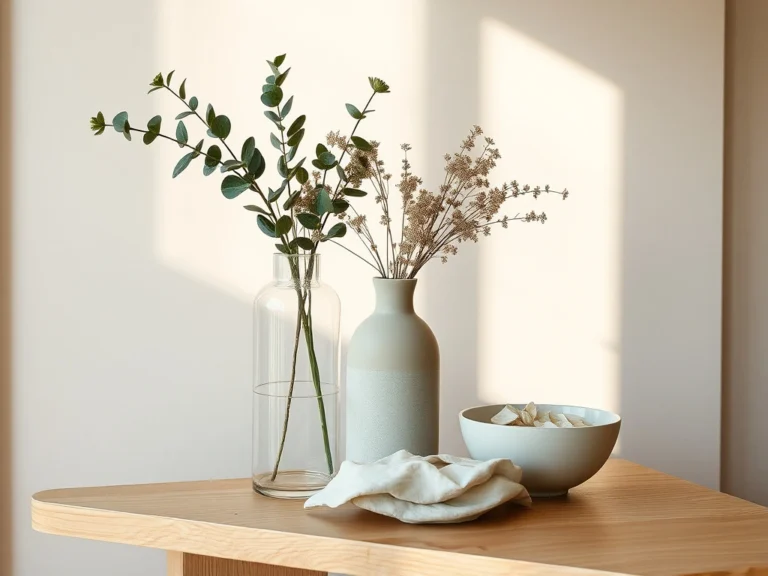
To style these effectively, avoid overcrowding them with too many stems. A single, dramatic branch of dried eucalyptus or a solitary structural flower is all you need to maintain that curated, gallery-like aesthetic. In terms of color, lean into chalky whites, warm terracotta, or muted charcoal to complement a neutral palette. Avoid the temptation to buy mass-produced, shiny glazed versions; the appeal here lies in the artisanal, ‘found’ look that feels like a travel souvenir. When lighting these pieces, place them near a window where natural light can graze the surface, highlighting the unique ridges and indentations of the form. This creates depth and shadow, turning a simple decor item into a focal point that anchors your space with intentionality.
Bouclé accent chairs for tactile comfort
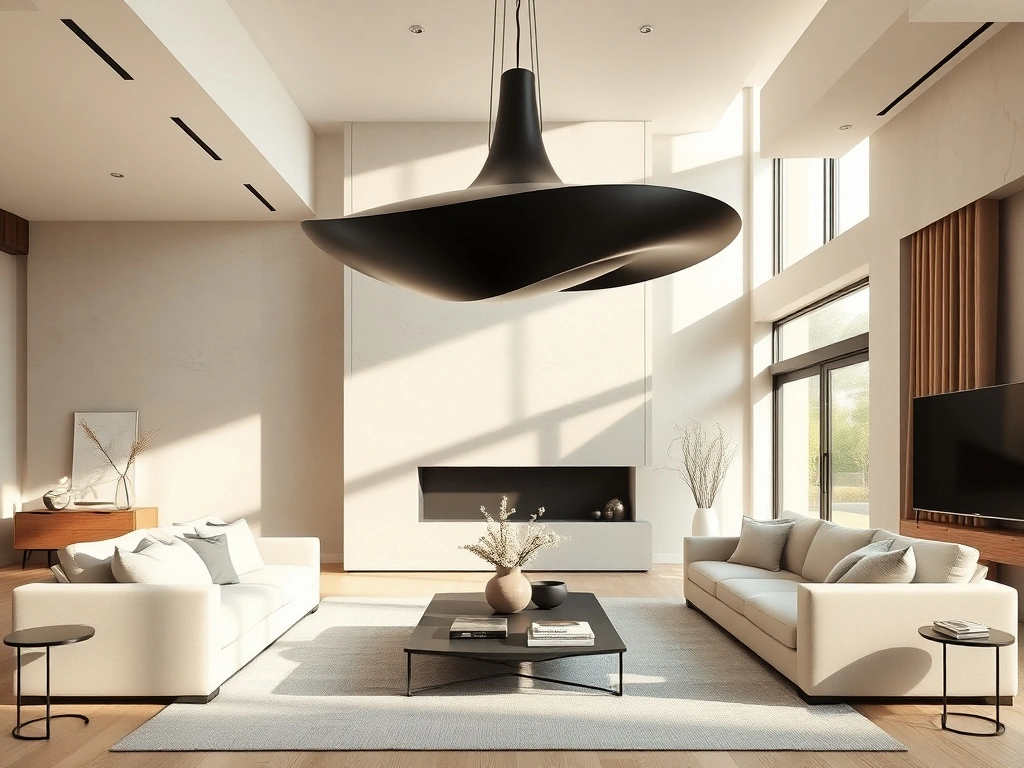
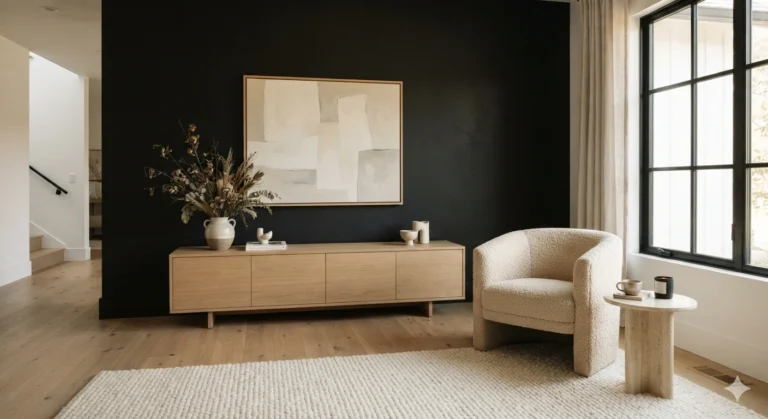
Texture is the secret language of high-end design, and bouclé has become the gold standard for adding warmth to contemporary spaces. Its nubby, looped surface provides a sensory experience that instantly softens the sharp angles often found in modern furniture. These chairs are perfect for creating a cozy reading nook or adding a softened edge to a formal living room layout.
When incorporating a bouclé piece, consider the scale of your room. A curvy, barrel-back chair in cream or soft oatmeal works wonders in smaller apartments, while a larger lounge chair can act as the anchor in an open-concept floor plan. The key mistake to avoid is pairing bouclé with too many other high-texture fabrics, which can make a room feel chaotic. Instead, balance the chair with smooth materials like polished stone or sleek metal to let the fabric stand out. For lighting, place a floor lamp with a warm brass finish beside the chair to emphasize the rich, tactile quality of the fabric in the evening. This combination creates a sophisticated, inviting atmosphere that feels both trendy and deeply comfortable, proving that you don’t have to sacrifice softness for a polished look.
Large-scale abstract wall art pieces
Many homeowners struggle with ’empty wall syndrome,’ and the most effective remedy is a single, large-scale abstract art piece. Moving away from gallery walls—which can often look cluttered—one oversized canvas creates an immediate sense of grandeur and sophistication. It acts as the visual heartbeat of the room, dictating the color story and the mood of the entire space.
When selecting abstract art, focus on pieces that incorporate subtle, layered textures. Canvas prints with heavy impasto or mixed media elements add a tactile quality that elevates the room beyond a flat image. For the best placement, hang the piece at eye level in a space where it can be viewed from a distance, such as above a sofa or a fireplace mantel. Avoid framing these pieces in heavy, ornate moldings; instead, opt for a simple ‘floater frame’ in natural wood or thin metal to keep the focus on the artwork itself. Lighting is crucial here—consider installing a dedicated picture light or ensuring the piece is illuminated by recessed lighting to showcase the depth of the brushwork. This is a high-impact investment that transforms a generic room into a personalized designer retreat.
Woven rattan lighting fixtures
Lighting is the jewelry of the home, and rattan fixtures are currently the most effective way to introduce an organic, global-inspired layer to your decor. Woven rattan brings an immediate sense of warmth and ‘lived-in’ luxury to spaces that might otherwise feel too sterile or clinical. These fixtures work best in kitchens over an island, in a breakfast nook, or even in a bedroom to create a soft, filtered light effect.
When choosing a rattan pendant, pay attention to the weave. A tight, uniform weave feels more refined and modern, while a looser, more chaotic weave leans into a relaxed, coastal-boho vibe. The beauty of these pieces lies in the shadows they cast; when lit, the intricate patterns of the weave project beautiful, rhythmic lines across your walls, adding a dynamic layer of decor that changes throughout the day. Avoid hanging these in spaces with high moisture, like a bathroom, to ensure longevity. Instead, mix them with modern elements like marble countertops or black metal hardware to create a balanced, high-contrast look. By choosing a design with a sculptural shape—like a teardrop or a wide, flat dome—you ensure the fixture feels like an intentional design choice rather than a fleeting trend, grounding the room in a natural, earthy elegance.
Hand-tufted wool area rugs with geometric patterns
A rug is the foundation upon which a room is built, and a hand-tufted wool piece with geometric patterns is the perfect way to introduce visual interest without overwhelming the senses. Wool is unmatched in its durability and soft feel underfoot, making it a wise investment for high-traffic areas. The geometric patterns currently trending are often subtle and tonal, moving away from high-contrast, loud prints toward more sophisticated, monochromatic textures.
When styling, think of your rug as a grounding element. If your furniture is minimalist and monochromatic, a rug with a subtle, structured geometric motif adds the necessary depth to make the room feel complete. If you are worried about trends, opt for classic shapes like diamonds or soft grid patterns in neutral colorways such as taupe, ivory, or slate grey. These colors are timeless and will continue to look fresh as your other decor evolves. A common mistake is choosing a rug that is too small; always ensure the front legs of your furniture are resting on the rug to unify the seating group. Proper lighting, such as a layered approach with table lamps, will catch the raised pile of the hand-tufted wool, adding a luxurious, high-end feel to your floors that synthetic materials simply cannot replicate.
Tinted glass decorative glassware
Tinted glass is having a major moment, offering a way to introduce color into a home without the commitment of paint or large furniture. Whether in shades of amber, smoke, or dusty rose, these pieces catch the light and create a beautiful play of transparency and color. They work best when grouped in odd numbers on a coffee table, a bar cart, or as a vibrant accent on a bookshelf.
To keep this look sophisticated rather than kitschy, focus on glassware with interesting, heavy shapes—think thick bases, fluted textures, or organic, hand-blown silhouettes. The goal is to make the glass look like a sculptural object. Avoid pairing too many different colors; pick a palette that echoes your room’s existing accents. For example, amber glass looks stunning against warm wood tones and brass, while smoke-tinted glass brings a modern, edgy contrast to chrome or marble surfaces. When placing these items, ensure they are in a spot where sunlight can pass through them, as the ‘glow’ effect is what makes them truly special. By treating these as small-scale art installations, you can easily swap them out as seasons change, providing an effortless way to keep your home feeling current and curated without needing a massive budget.
Travertine stone side tables
Travertine is the material of the moment for those who appreciate natural stone but want something softer and more porous than polished marble. Its signature pitted surface and creamy, neutral tones bring an earthy, ancient-meets-modern aesthetic to any space. A travertine side table acts as a perfect anchor in a living room, providing a solid, high-quality material that feels both substantial and elegant.
These tables work exceptionally well in rooms that need a bit of weight to balance out lighter, upholstered pieces. Because travertine is a natural stone, no two pieces are exactly alike, which adds a layer of ‘custom’ luxury to your home. When styling, keep the top of the table relatively clear to show off the unique veining and texture of the stone. A single brass object or a small stack of books is usually sufficient. Avoid heavy cleaning chemicals on these pieces, as the porous surface can be sensitive; a simple damp cloth is all that is needed to maintain the matte finish. For lighting, place the table near a source of ambient light, such as a floor lamp, which will emphasize the stone’s craters and organic variations, creating a beautiful contrast against smooth, modern furniture. This is a classic ‘modern longevity’ piece that will never look dated.
Linen throw blankets in earthy tones
The final touch in any curated home is the layer of softness that invites you to sit and stay a while. Linen throw blankets, particularly in earthy tones like olive, terracotta, ochre, or deep slate, are the ultimate accessory for achieving this. Linen provides a beautiful, relaxed drape that feels inherently more upscale than synthetic fleece or heavy, stiff wool, and its natural breathability makes it perfect for year-round use.
Styling a linen throw is all about the ‘perfectly imperfect’ aesthetic. Don’t fold it neatly; instead, drape it casually over the corner of a sofa or the back of an armchair. This creates a sense of movement and suggests that the room is enjoyed, not just displayed. When choosing colors, look to nature to guide your palette—think of the tones found in a forest or a sunset. These earthy hues integrate seamlessly into almost any interior, providing a pop of warmth that feels grounded and sophisticated. Avoid the mistake of buying overly bright, neon-toned linens, as they can cheapen the overall aesthetic. Instead, stick to muted, garment-washed varieties that feel soft to the touch. When paired with a warm lamp nearby, the natural texture of the linen fibers becomes visible, adding a tactile layer of comfort that defines a truly well-designed living space.
9. Brass finish hardware and cabinet pulls
Swapping out standard hardware is the single most effective way to elevate a kitchen or vanity without the cost of a full renovation. Brass finishes, specifically unlacquered or brushed variations, bring a necessary warmth to modern kitchens that can often feel sterile. These pieces act like jewelry for your cabinetry, catching the light and adding a layer of sophisticated patina over time.
This trend works best in spaces where you want to bridge the gap between classic charm and contemporary lines. If your kitchen features cool-toned gray or crisp white cabinetry, a warm, muted brass pull immediately softens the aesthetic. It also pairs beautifully with navy blue or forest green base cabinets, creating a high-contrast, boutique-hotel look.
When styling, avoid the temptation to match every single metal in the room. It is perfectly acceptable—and often more professional—to mix brass hardware with a matte black faucet or stainless steel appliances. The key is consistency in the finish type; keep all your pulls in a brushed or satin texture rather than mixing high-gloss with flat finishes. Avoid overly ornate, traditional filigree designs if your home leans modern; instead, opt for clean, geometric silhouettes or soft, rounded bars that feel substantial in the hand. For the best lighting impact, position your cabinet lighting to graze the surface of these pulls, highlighting their metallic luster and creating subtle, high-end shadows across your drawer fronts.
10. Dried botanical arrangements in sculptural vessels
Dried botanicals offer a sophisticated, low-maintenance alternative to fresh flowers, bringing organic texture into a room without the need for constant upkeep. When placed in a sculptural, ceramic, or stone vessel, these arrangements transcend ‘rustic’ and enter the realm of high-end art. They provide height, drama, and a tactile quality that is essential for grounding a contemporary space.
This trend excels in entryways, on dining console tables, or as a focal point on a mantle. It works best when you select vessels with interesting silhouettes—think wide-mouthed, matte-finished clay or hand-thrown stoneware with an imperfect, artisanal feel. The vessel should feel as significant as the stems it holds.
To style these effectively, focus on the ‘less is more’ approach. Rather than a dense, crowded bouquet, select a few architectural stems like bleached ruscus, tall pampas grass, or dried palm spears. Arrange them with varying heights to create a sense of movement. A common mistake is choosing a vase that is too small; go for something oversized and heavy to make the arrangement feel intentional rather than accidental. Avoid bright, dyed stems, as they can quickly look cheap. Instead, stick to a palette of neutrals—creams, soft tans, and deep chocolate browns—which harmonize with almost any existing interior color scheme. When the afternoon light hits these dried elements, they cast beautiful, intricate shadows, adding an extra layer of depth to your tabletop styling.
11. Asymmetrical wall mirrors for fluid design
In a world of rigid lines and boxy furniture, asymmetrical mirrors introduce a sense of fluidity and movement. These organic, irregular shapes break up the monotony of straight architectural lines, making a room feel more curated and less ‘catalog-perfect.’ They act as a sculptural element on the wall, softening the harsh edges of a room while simultaneously bouncing light to make smaller spaces feel significantly larger.
These pieces work best in transitional spaces like powder rooms, over a bedroom dresser, or as a focal point in a narrow hallway. Because of their unconventional shapes, they create an immediate visual interest that draws the eye upward. A mirror with a soft, amoeba-like curve provides a gentle contrast to the linear nature of a sofa or a dining table.
When styling, treat the mirror as a piece of wall art rather than just a utility. Avoid centering it perfectly over a console if the table itself is symmetrical; the contrast between the balanced table and the irregular mirror is where the design magic happens. Ensure the mirror is placed high enough to reflect something beautiful—like a pendant light or a piece of greenery—rather than just the back of a chair. For lighting, avoid placing direct, harsh overhead spots near the mirror, which can cause glare. Instead, use soft ambient light from a nearby wall sconce to highlight the silhouette. Stick to thin, minimalist frames—brushed metal or simple wood—so the focus remains on the fluid shape of the glass itself.
12. Statement floor lamps with curved silhouettes
Lighting is the jewelry of a room, and a sculptural floor lamp is the ultimate statement piece. Moving away from the rigid ‘task’ lamps of the past, current trends favor sweeping, curved silhouettes that feel more like art installations than mere light sources. These lamps introduce a gentle, rounded geometry that balances out the hard edges of televisions, bookcases, and rectangular rugs.
These lamps are best utilized in ‘dead’ corners—the empty space beside a reading chair or at the end of a sofa. They serve as an anchor for a reading nook, providing both illumination and a sense of architectural height. A lamp with an exaggerated arc or a soft, organic bend can dramatically change the flow of a room, guiding the eye through the space.
When selecting a statement lamp, consider the material carefully. Matte black metal feels grounding and modern, while brushed bronze or aged brass adds a touch of warmth and luxury. Avoid lamps with overly complicated or busy designs; the power of this trend lies in the simplicity of the curve. Pair the lamp with a neutral, textured lampshade or a paper-based diffuser to soften the light output, creating a warm, inviting glow. A common mistake is placing the lamp too close to other tall furniture, which can make the area feel cluttered. Give it space to breathe. By positioning the lamp so it overhangs a chair or a small side table, you create a dedicated ‘zone’ that feels intentional and cozy, perfect for evening relaxation.
13. Velvet throw pillows in rich jewel tones
Velvet is the ultimate luxury fabric, offering a depth of color and a tactile richness that other textiles simply cannot replicate. Using velvet throw pillows in jewel tones—think deep emerald, sapphire, burnt amber, or amethyst—is an effortless way to inject color into a neutral living room without needing to paint walls or buy new furniture. These pillows act as ‘color anchors,’ pulling the eye toward the seating area.
This approach works best in rooms dominated by neutral palettes like cream, beige, or soft gray. The richness of the velvet provides a necessary contrast to lighter, flatter fabrics like linen or cotton. Because jewel tones are inherently sophisticated, they elevate the entire room, making even basic store-bought sofas look custom and expensive.
To style them correctly, focus on the mix. Avoid using only one color; instead, layer two or three complementary jewel tones together to create a cohesive, layered look. A common mistake is overfilling the sofa with too many pillows, which can make the space feel cluttered and unusable. Stick to a few high-quality, plump inserts—preferably down-filled for that ‘karate-chop’ look that signals quality. Keep the pillow covers simple; you don’t need tassels or complex patterns when the fabric itself has so much personality. When it comes to lighting, velvet absorbs light differently than other fabrics, so ensure your living room has warm, layered lighting—like a combination of floor lamps and table lamps—to prevent the jewel tones from looking too dark or muddy in the evening hours.
14. Handcrafted artisanal wooden trays
In a home filled with mass-produced items, a handcrafted wooden tray serves as a reminder of the value of slow, intentional design. These trays are not just functional; they are tactile, warm, and add an immediate sense of history to a coffee table or kitchen island. The natural grain of the wood brings an organic, grounding element that softens the cold surfaces of glass or stone.
These trays work best as a ‘landing pad’ for your daily essentials. Whether you are grouping candles, books, or remote controls, a tray prevents items from appearing scattered. They are essential for creating a curated look on large surfaces, helping to define ‘zones’ within a room. Choose a tray with visible joinery or a raw, live-edge finish for extra character.
When styling, aim for a balance of shapes. If your coffee table is rectangular, a round or oval tray creates a pleasing contrast. Avoid overloading the tray; keep it to three elements—perhaps a small vase, a stack of two design books, and a candle. This leaves enough ‘white space’ to appreciate the wood grain itself. Avoid trays with high-gloss, plastic-feeling finishes; you want the wood to look natural, perhaps treated with a simple oil or matte wax. The goal is to make the tray look like a well-loved antique you have collected over time. When positioned under a warm table lamp, the texture of the wood grain becomes a focal point, adding depth and warmth to the center of your living space.
15. Sustainable cork stools and ottomans
Cork is having a major design moment, and for good reason—it is sustainable, lightweight, and possesses a unique, sponge-like texture that feels incredibly modern. Cork stools and ottomans are the perfect ‘flexible’ furniture pieces. They can act as extra seating when guests arrive, a side table for a book, or a footrest in a lounge area. Their warm, toasted color provides a natural earthiness that fits perfectly into the ‘warm modern’ aesthetic.
These pieces work best in smaller homes or apartments where furniture needs to earn its keep. Because they are often monolithic in shape—think simple cylinders or cubes—they don’t add visual clutter, even in tight corners. They provide a wonderful textural contrast to smooth surfaces like metal, glass, or polished marble.
When styling, use cork to introduce a bit of ‘wabi-sabi’—the appreciation of imperfect, natural things—into your space. A pair of cork stools placed under a console table or tucked away in a corner adds a sculptural, architectural element that feels deliberate. Avoid pairing them with too many other light-colored wooden pieces, or the room may start to feel monochromatic. Instead, let the cork be the star of its corner, perhaps placing a small, dark ceramic bowl on top to highlight the contrast. Because cork is a natural material, it absorbs light rather than reflecting it, making it an ideal choice for rooms that already have a lot of shiny or reflective surfaces. It is a humble, durable choice that brings a touch of nature indoors without the maintenance of a houseplant.
16. Textured wall tapestries for acoustic softness
Large, empty walls can often make a room feel hollow and echoey. A textured wall tapestry is an elegant solution, offering both visual warmth and a practical way to dampen sound. Unlike framed art, which can feel cold and static, a woven tapestry introduces softness, movement, and a sense of ‘hygge’ that transforms the mood of a room entirely.
These pieces work best in bedrooms, dining areas, or home offices where you want to create a more intimate, hushed atmosphere. They provide an excellent alternative to wallpaper for adding personality to a room, especially for renters who cannot make permanent changes. A tapestry with a mix of wool, cotton, and linen fibers creates a multi-dimensional look that is incredibly inviting.
When choosing a tapestry, look for neutral, earthy tones—creams, taupes, terracottas, and sage greens—that will stand the test of time. Avoid overly busy patterns that might look like a trend of the month; instead, opt for subtle geometric weaves or abstract, organic patterns. To hang it properly, use a sleek, minimalist metal or wooden rod that complements your other hardware. A common mistake is hanging the tapestry too high; it should be centered at eye level to ensure it feels like a cohesive part of the room rather than something floating above the furniture. When lit by a warm, wall-mounted picture light, the raised fibers of the tapestry create beautiful, soft shadows that change throughout the day, adding a dynamic, high-end feel to your walls that flat art simply cannot match.
Matte black metal shelving units
Matte black metal shelving units are the ultimate tool for introducing architectural structure into a room. Unlike bulky wooden bookcases, these open-frame pieces offer a sleek, graphic silhouette that feels intentional rather than obstructive. They work beautifully in living rooms or home offices, acting as a gallery space for your personal items without overwhelming the floor plan.
To style these effectively, embrace the ‘negative space’ philosophy. Don’t crowd every shelf; instead, balance your curated objects with empty areas to let the metal frame breathe. Pair these dark, industrial frames with warm wood tones or soft linen textiles to prevent the space from feeling too cold or sterile. The contrast between the matte black finish and natural elements creates a sophisticated, modern tension.
Lighting is crucial here. Consider adding slim, integrated LED strips along the underside of the shelves to illuminate your collection. This adds a layer of depth and highlights the texture of your decor items. A common mistake is overloading them with too many small trinkets, which creates visual clutter. Instead, opt for a few larger, sculptural pieces to maintain that high-end, editorial look. When selecting these units, look for powder-coated finishes, which offer a more durable, premium feel than standard spray-painted alternatives.
Vintage-inspired brass candlestick holders
There is an undeniable charm in brass candlestick holders; they bring a sense of history and warmth that feels increasingly relevant in today’s modern interiors. These pieces serve as the perfect ‘jewelry’ for a mantle, dining table, or entryway console. The golden, reflective quality of aged brass catches the light beautifully, instantly elevating the mood of a room as the sun sets.
When incorporating these into your home, look for variations in height and silhouette. Grouping them in odd numbers—threes or fives—creates a more natural, collected aesthetic. Mixing vintage-inspired shapes, such as tapered stems or pedestal bases, prevents the arrangement from looking too uniform or mass-produced. They pair exceptionally well with darker color palettes, like charcoal or deep forest green, where the metallic sheen can truly pop.
Be mindful of the wax you use; opt for high-quality, dripless tapers in muted tones like taupe, sage, or soft terracotta to keep the look grounded. A common mistake is placing them in a perfectly symmetrical line, which can feel too formal. Instead, cluster them slightly off-center to suggest a more effortless, lived-in luxury. If you are worried about the ‘vintage’ look clashing with modern furniture, remember that brass is a classic material that bridges the gap between eras, making it a safe yet impactful investment for any trendy home decor collection.
Bespoke marble bookends for curated shelves
Marble bookends are the quintessential ‘quiet luxury’ item. They provide the weight and stability required for a well-styled bookshelf while adding a touch of natural, organic texture that mass-produced plastic or metal decor simply cannot replicate. Because marble is a natural stone, each piece features unique veining, ensuring your decor feels one-of-a-kind and bespoke.
These pieces work best when anchoring a stack of coffee table books or a collection of art monographs. To ensure they look intentional, choose shapes that contrast with your existing decor—if your room is full of soft, curvy lines, opt for geometric, angular marble bookends. If your space is minimalist and sharp, choose rounded or organic, polished stone shapes to soften the lines. They are versatile enough to work on open shelving, bedside tables, or even as decorative accents on a kitchen counter for your favorite cookbooks.
Avoid the temptation to match the marble perfectly to other stone surfaces in your home. The beauty of current design trends lies in ‘collected’ styling, where varied stone finishes create a layered, depth-filled environment. A common mistake is choosing bookends that are too small; you need substantial stone to provide a visual anchor. Look for honed or matte-finish marble rather than high-gloss, as the matte texture feels more contemporary and less dated. When paired with brass accents or a stack of neutral-toned books, these bookends instantly transform a standard shelf into a professional design moment.
Multi-functional modular storage benches
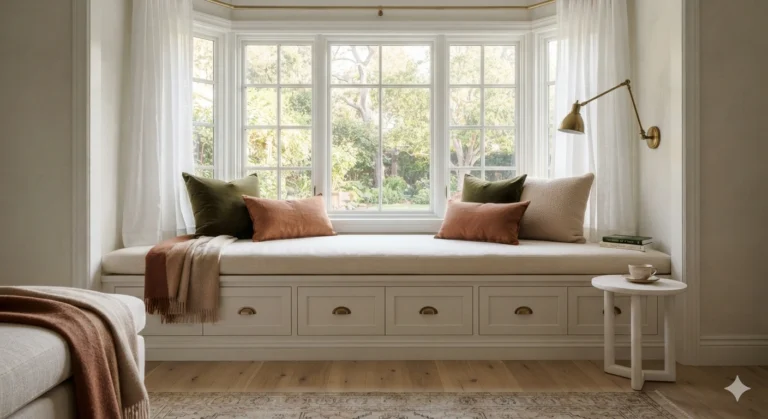
In today’s compact urban homes, multi-functional furniture is no longer a compromise—it is a necessity. Modular storage benches are a brilliant way to introduce hidden organization without sacrificing style. These pieces often feature clean, boxy silhouettes that can serve as extra seating in an entryway, a footrest in the living room, or a base for a decorative display.
The beauty of a modular bench lies in its adaptability. You can tuck them under a console table when not in use or pull them out to create a conversation circle when guests arrive. For a premium look, choose benches upholstered in performance bouclé or heavy-weight linen. These textures provide a soft, tactile experience that contrasts beautifully with hard surfaces like wood or glass. Color-wise, stick to warm neutrals like cream, sand, or mushroom to ensure the piece blends seamlessly with your existing furniture.
A common mistake is choosing a bench that looks like a storage container rather than a piece of furniture. Look for designs that feature high-quality hardware, hidden hinges, or elegant upholstery detailing, like piping or tufting. To keep the look editorial, place a soft throw blanket casually over one end or style it with a single, sculptural vase. By treating the bench as a primary piece of furniture rather than just a utility item, you elevate its presence in the room. This approach allows you to declutter your space while adding a sophisticated layer of comfort.
Oversized floor cushions for relaxed seating
Oversized floor cushions are the secret to achieving that coveted ‘relaxed, yet refined’ aesthetic. They invite a sense of ease into a room, encouraging guests to let their guard down. Unlike traditional ottomans, floor cushions offer a softer, more fluid silhouette that breaks up the rigid lines of standard sofas and chairs. They are particularly effective in living rooms with high ceilings or open-concept floor plans, where they help to define a secondary seating zone.
To keep the look sophisticated, prioritize materiality. Look for cushions made from heavy-duty, natural textiles like washed cotton, heavy linen, or wool felt. Avoid synthetic, shiny fabrics that can cheapen the appearance of the room. The color palette should be harmonious with your main seating; try layering a deep charcoal or olive cushion against a lighter-toned rug to create a grounded, cozy focal point. They work best in pairs, but ensure they are large enough to feel like substantial furniture pieces rather than throw pillows.
A common mistake is letting these cushions look like oversized beanbags. To avoid this, choose structured, square, or rectangular shapes with piped edges that hold their form. When they aren’t being used for extra seating, tuck them against a wall or under a low console table to add texture to the floor level. This is a designer-approved trick to fill empty space without creating visual clutter. By incorporating these, you are signaling that your home is designed for comfort as much as it is for style.
Eco-friendly bamboo decorative baskets
Natural textures are the foundation of a modern, well-curated home, and bamboo decorative baskets are an effortless way to introduce that warmth. Unlike plastic storage, bamboo offers an organic, earthy feel that ages gracefully. These baskets are perfect for hiding away unsightly items—think remote controls, magazines, or extra throw blankets—while doubling as sculptural decor.
When choosing bamboo baskets, look for artisanal weaves that show off the material’s natural variation. The contrast between the light, woody tones of bamboo and the crisp, clean lines of modern furniture is what makes this trend work. They are incredibly versatile; use a large, lidded basket to house a fiddle-leaf fig tree, or place a set of smaller, open-weave baskets on open shelves to create visual interest. The key is to avoid the ‘boho-beach’ trap by keeping the rest of the room’s styling sharp and minimalist.
Pair these baskets with cool-toned elements like glass or metal to ensure the room feels balanced. A common mistake is using too many baskets of different styles and sizes, which can make a room feel chaotic. Stick to a consistent material or weave pattern to maintain a cohesive look. Designer-inspired tip: use them as a base for your indoor plants. Placing a plant pot inside a sturdy bamboo basket adds layers of height and texture to your greenery, making the entire display feel more professional. It’s an accessible, sustainable update that brings a touch of the outdoors into your living space without requiring a full redesign.
Mixed metal finish picture frames
The days of matching every piece of metal in a room are long gone. Mixing metal finishes is a hallmark of a professional interior, and picture frames are the easiest, lowest-risk place to start. By combining antique brass, polished nickel, and matte black frames, you create a dynamic, collected gallery wall that feels personal and curated rather than like a catalog showroom.
When styling these frames, the secret is to ensure there is a common thread that ties them together, such as consistent matting or similar subject matter in the photography or art. This prevents the varied metals from looking like an accident. For example, a black-and-white photography series looks exceptionally sharp when framed in a mix of thin, metallic frames. The contrast between the cool tones of nickel and the warm glow of brass adds depth to your walls, making the art feel more three-dimensional.
Avoid the mistake of mixing too many textures—stick to smooth, clean-lined frames to keep the look modern. If you are nervous about the combination, start by mixing just two finishes, like brass and black, before introducing a third. The goal is to create a visual rhythm where the eye moves across the frames, appreciating the nuances of each finish. When hanging these, pay attention to the lighting; ensure that your wall lighting or nearby lamps don’t create harsh reflections on the metallic surfaces. By embracing this eclectic approach, you turn a simple photo display into a sophisticated design installation that adds character to even the most neutral room.
Frequently Asked Questions
How can I incorporate trendy home decor items without my space feeling cluttered?
The key to avoiding clutter is the ‘one-in, one-out’ rule. When you introduce a new statement piece, such as a sculptural ceramic vase or a travertine side table, consider removing an existing accessory that no longer serves your aesthetic. Focus on quality over quantity by choosing items that offer both function and visual interest. By leaving intentional ‘negative space’ on your shelves and surfaces, you allow your new decor items to become focal points rather than adding to visual noise, ensuring your home remains breathable and curated.
Are these trendy decor items sustainable for long-term use?
Many of the items mentioned, such as natural stone, brass hardware, and wool rugs, are considered ‘modern classics’ because they rely on materiality rather than gimmicky shapes. To ensure sustainability, look for pieces made from high-quality, durable materials that age gracefully. For example, a brass pull or a marble bookend will develop a beautiful patina over time, gaining character rather than losing value. By investing in these timeless textures, you are creating a home that stays relevant for years, reducing the need to constantly swap out items for the latest micro-trend.
How do I mix different metal finishes like brass and matte black?
Mixing metals is a great way to add depth to a room, provided you do it with intention. A good rule of thumb is to choose one dominant metal finish—perhaps brass hardware on your cabinets—and use a secondary finish, like matte black in your lighting or shelving units, as an accent. To keep the look cohesive, aim for a 70/30 split. The goal is to make the combination feel deliberate, so try to distribute both finishes evenly across the room to create a balanced, layered aesthetic that feels professional and well-thought-out.
What is the best way to choose trendy accents that match my current furniture?
Start by identifying the undertones of your existing furniture. If your space is filled with cool-toned neutrals, look for decor items that offer warmth, such as linen throws in earthy tones or brass accents, to create a sophisticated contrast. If your furniture is dark and heavy, opt for lighter textures like woven rattan or tinted glass to introduce visual airiness. Always consider the scale of your pieces; if you have a massive sofa, an oversized floor cushion or large-scale abstract art will balance the proportions much better than smaller, fragmented decor items.
Can I use these decor trends in a small apartment?
Absolutely. In smaller spaces, the secret is choosing multi-functional and visually light items. A sustainable cork stool can serve as a side table or extra seating, while an asymmetrical mirror can bounce light around the room to make it feel significantly larger. Avoid floor-to-ceiling clutter by choosing wall-mounted shelving or pieces with slender legs that keep the floor visible. By selecting a few high-impact pieces—like a single, stunning sculptural lamp—you can make a bold style statement without sacrificing the limited square footage of your home.
Conclusion
Refreshing your living space doesn’t require a total overhaul or a massive budget. By strategically incorporating a few key pieces—whether it is the tactile comfort of a bouclé chair, the organic beauty of a travertine table, or the subtle warmth of brass hardware—you can instantly elevate the personality and functionality of your home. These updates are designed to bridge the gap between temporary trends and lasting, sophisticated design.
We encourage you to start small. Select one or two items that truly resonate with your personal style and see how they transform the mood of a single room. Once you experience how these curated accents breathe new life into your environment, you will feel more confident in continuing your design journey. Your home is a reflection of you, and with these thoughtful additions, you are well on your way to creating a space that feels both current and uniquely yours.