
There is a distinct art to bringing the outdoors in, yet many homeowners find that floral accents often lean toward the cluttered or dated rather than the intentional. Whether you are struggling to keep fresh stems vibrant or unsure how to incorporate botanical patterns without overwhelming your modern aesthetic, the challenge lies in balance. A well-placed floral element should act as a sophisticated punctuation mark in your room, not a distraction.
Integrating flower home decor ideas successfully requires moving beyond the standard bouquet on a dining table. It is about selecting the right scale, texture, and vessel to harmonize with your existing furniture and color palette. From curating permanent dried arrangements that offer seasonal longevity to selecting textiles that feel fresh rather than traditional, your home deserves a botanical touch that feels both effortless and curated.
In the following guide, we have distilled professional styling secrets to help you master the modern botanical look. We will walk you through practical strategies for choosing the right florals for your specific space and offer actionable advice on how to refresh your rooms with nature-inspired textures. Read on to discover how to elevate your interior design with arrangements that feel timeless, intentional, and perfectly at home.
Mastering the Rule of Three for Floral Placements
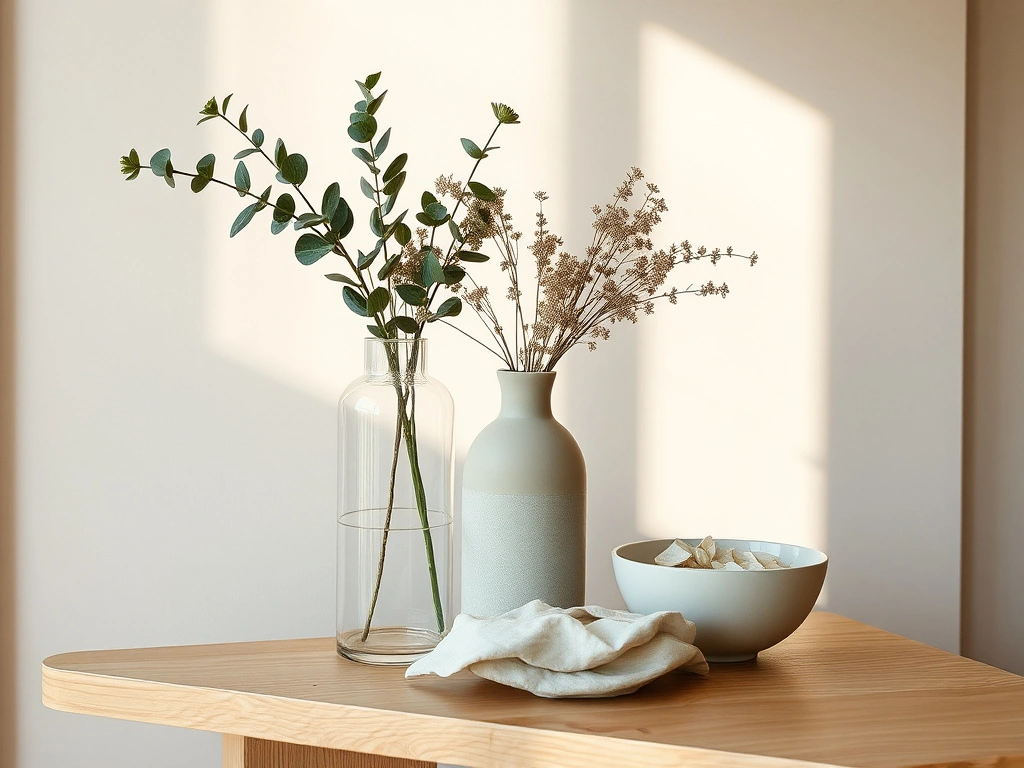
Design is often about rhythm, and the rule of three is the secret to making floral arrangements feel intentional rather than accidental. When you group vases or botanical elements in odd numbers, you create a visual triangle that invites the eye to travel across the surface. This technique works best on entry consoles, dining tables, or open shelving, where a single vase might look lonely and a pair can feel overly symmetrical or stiff.
To master this, vary the heights of your vessels. Place a tall, slender glass vase with long-stemmed branches next to a mid-sized ceramic vessel filled with medium blooms, and anchor the grouping with a low, shallow bowl of moss or delicate petals. This staggered approach creates depth and prevents the arrangement from appearing flat. Avoid using three identical vases in a row, which can look like a store display; instead, cluster them in a tight, organic formation.
Material choice is crucial here. Mixing materials—perhaps a brass bud vase, a matte stoneware pitcher, and a clear crystal jar—adds a layer of sophistication. Ensure the color palette of the stems remains cohesive, such as varying shades of cream and sage, to keep the arrangement feeling curated. For the best lighting, position these groupings near a window to allow natural light to highlight the textures of the stems and the translucency of the glass, creating a soft, ethereal glow that elevates the entire room.
Selecting Modern Floral Patterns That Avoid Grandma-Chic
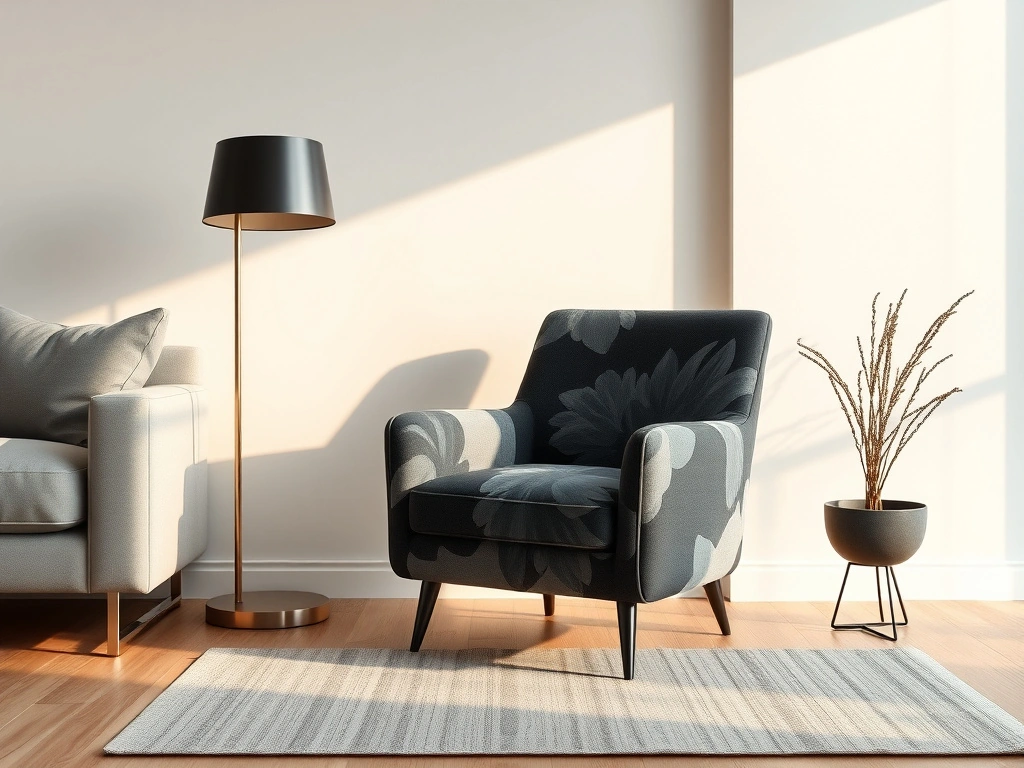
Floral patterns often get a bad reputation for feeling dated, but the secret to a modern botanical aesthetic lies in the scale and the contrast. To avoid the ‘grandma-chic’ trap, steer clear of traditional, ditsy floral prints that are overly busy or cluttered. Instead, look for oversized, abstract, or painterly floral motifs that lean into a more artistic, graphic sensibility.
Large-scale prints work exceptionally well on statement pieces like a single accent chair or a set of floor-to-ceiling drapery. When you choose a bold, oversized floral pattern, the rest of the room should remain relatively neutral. Think of the fabric as a piece of art; pair it with clean lines and solid-colored upholstery to let the botanical print command the space without overwhelming the senses. A monochromatic palette—such as charcoal and slate or varying shades of ochre—can make even the most traditional floral motif feel edgy and contemporary.
Another designer trick is to mix floral patterns with geometric elements. If you have a floral-upholstered ottoman, pair it with a rug featuring a simple, stark grid or diamond pattern. This balance of the organic and the structured prevents a room from feeling overly soft or fussy. Avoid using floral patterns on every surface; choose one ‘hero’ piece and let the botanical theme be a whisper rather than a shout. Proper lighting, such as a sleek, modern floor lamp casting a warm glow on the pattern, will highlight the textile’s texture and keep the space feeling fresh and high-end.
Combining High-End Faux Stems With Fresh Seasonal Greens
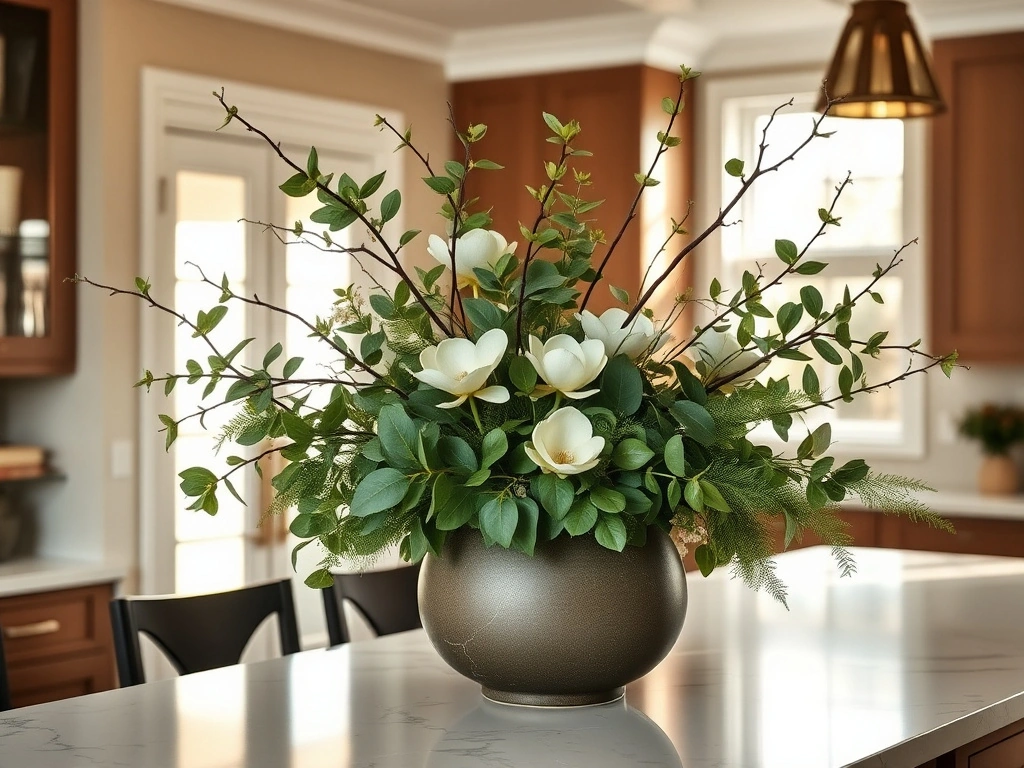
The most professional floral displays often rely on a ‘hybrid’ approach. High-end faux stems provide the structure and longevity, while fresh seasonal greens add the fragrance, movement, and authenticity that only living plants can offer. This strategy solves the issue of constant maintenance while ensuring your home always looks polished.
Use premium silk or coated-polymer faux branches—like faux cherry blossoms or oversized magnolia leaves—as your base. They provide consistent volume throughout the year. Once your faux foundation is set, tuck in a few sprigs of fresh, seasonal greenery like eucalyptus, fern, or even foraged garden clippings. Because these fresh elements are minimal, they are easy to swap out weekly, keeping the arrangement feeling alive and current without the expense of a full fresh bouquet.
This method works best in high-traffic areas like the kitchen island or the mantle, where you want a permanent ‘wow’ factor that doesn’t wilt under heat or lack of water. When selecting faux stems, look for matte finishes and realistic wire stems that can be bent to mimic the natural drape of real branches. Avoid shiny, overly plastic-looking materials, as these will immediately cheapen the look. For a cohesive finish, ensure your container is opaque—like a heavy ceramic or stone urn—to conceal the base of the stems. Proper lighting, perhaps from a nearby wall sconce, will illuminate the varied textures of the leaves, making it nearly impossible for guests to tell where the faux ends and the fresh begins.
Curating Vessel Textures to Match Interior Styles
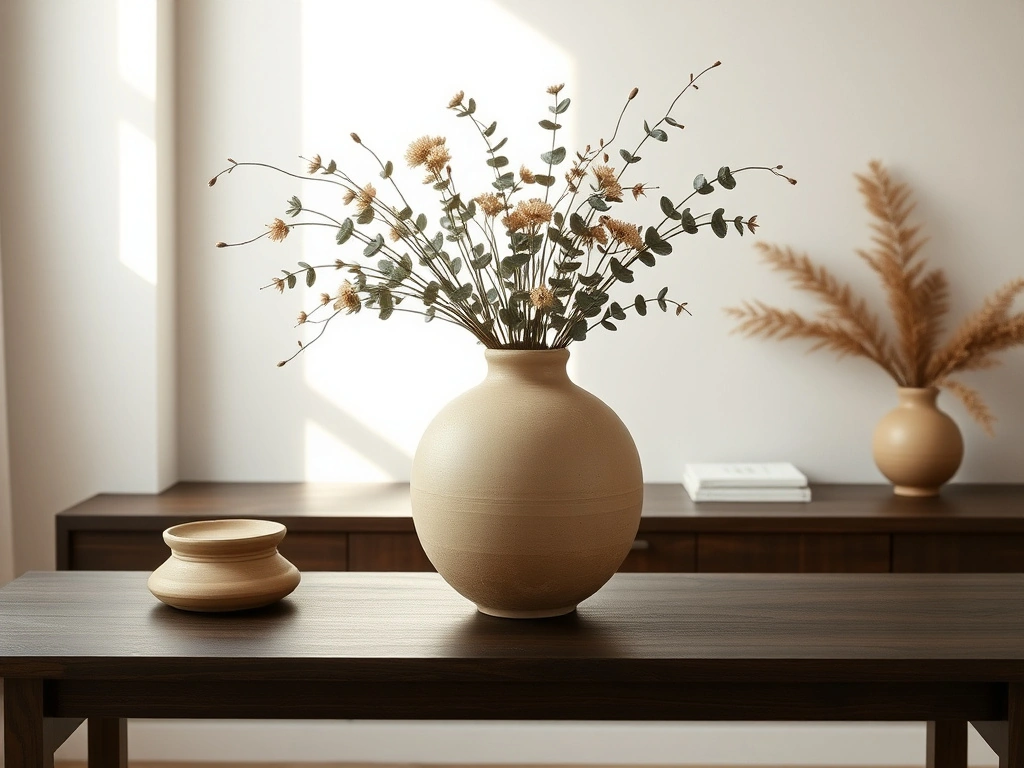
The container you choose for your florals is just as important as the flowers themselves. A vessel acts as the frame for your botanical art, and its texture should echo the overall mood of your home. In a minimalist or Scandinavian space, opt for vessels with raw, organic textures like hand-thrown clay, matte terra cotta, or honed stone. These earthy materials ground the arrangement and prevent it from feeling too decorative or ‘perfect.’
If your home leans toward a more glamorous or transitional aesthetic, look to vessels with reflective or refined finishes. Think ribbed glass, polished brass, or hammered nickel. These materials catch the light and add a layer of luxury to a floral arrangement. A common mistake is choosing a vessel that is either too small or too ornate for the stems it holds; the scale of the container should support the height and weight of the flowers, not compete with them for attention.
For a truly designer-inspired look, consider the ‘tonal’ approach. If you have a room with a neutral palette, choose a vessel in a slightly darker shade of the same color to create depth through texture rather than contrast. For example, a charcoal-colored matte vase against a light grey wall creates a subtle, moody focal point. Always ensure your vessel is weighted properly at the bottom to prevent tipping, especially with taller, dramatic branches. Finally, place your vessels on a surface that allows them to shine—a dark wood console or a marble side table provides a beautiful backdrop for the play of light across the vessel’s surface.
Styling Dried Eucalyptus and Pampas Grass for Minimalist Looks
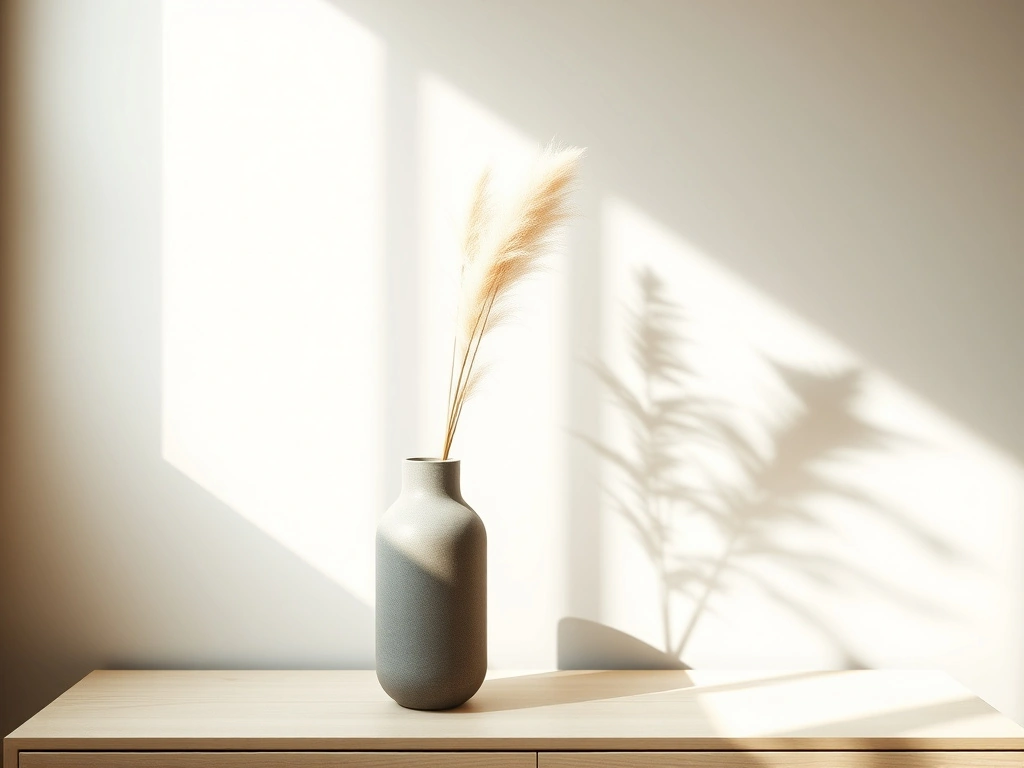
Dried botanicals have become a staple in modern homes, offering a sculptural, architectural quality that fresh flowers simply cannot replicate. To keep the look intentional rather than dusty, focus on monochromatic palettes and clean lines. Dried eucalyptus, with its muted, dusty-green tones, provides a soft, organic structure, while pampas grass brings height and a touch of airy, cloud-like texture.
These elements work best in spaces that require a subtle, sophisticated touch—think of a bedroom corner or a quiet home office. Because these dried arrangements are inherently neutral, they are perfect for minimalist interiors where you want to add life without introducing chaotic colors. To style them effectively, place them in a tall, narrow-necked glass or stone vase. This allows the stems to stand upright, creating a dramatic, vertical silhouette that draws the eye upward and emphasizes the height of the room.
One common mistake is overcrowding the vase. With dried florals, less is almost always more. A few well-placed, long-stemmed stalks of pampas grass can look more impactful than a dense, bundled bunch. If you find your arrangement is shedding, a light mist of floral hairspray can help preserve the structure. For a designer finish, place your arrangement in a spot where it can be backlit by a window or a soft lamp. This will highlight the delicate, feathery texture of the pampas grass and the intricate veins of the dried leaves, turning a simple botanical display into a beautiful, shadow-casting piece of art.
Creating Professional-Grade Arrangements Using Simple Proportions
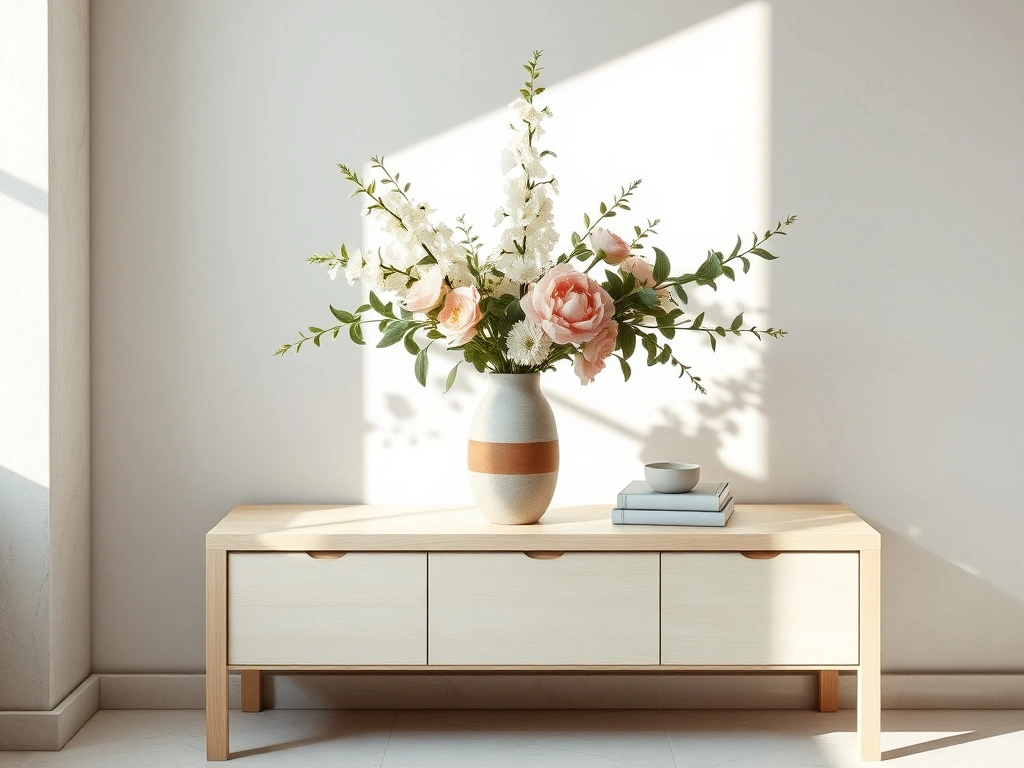
The hallmark of a professional floral arrangement is the ‘golden ratio’ of the container to the flowers. A general rule of thumb is that your stems should be at least one-and-a-half times the height of the vase. This proportion creates a sense of balance that feels right to the human eye, avoiding the ‘top-heavy’ look that plagues many DIY arrangements. When you are working with large, dramatic branches, don’t be afraid to let them extend even further to add a sense of drama and scale to a room.
Beyond height, consider the width of your arrangement. A professional display should have a sense of movement, not just a tight, compact ball of blooms. Use a mix of ‘line’ flowers (tall, thin stems like snapdragons or delphiniums) for height, ‘form’ flowers (the focal blooms like peonies or roses) for impact, and ‘filler’ greens (like seeded eucalyptus or ferns) to create a bridge between the two. This layering creates depth, ensuring the arrangement looks lush and full from every angle.
Avoid the mistake of cutting all stems to the same length. This results in a flat, uniform top that lacks energy. Instead, trim your stems at varying lengths so the flowers sit at different heights within the vase. For the best result, strip all leaves that will fall below the waterline to keep the water clear and prevent bacteria growth. Lighting is the final touch; place your completed arrangement in a central location where it can be viewed from multiple sides. A soft, diffused overhead light or a table lamp will help the colors pop and emphasize the architectural structure of your composition.
Integrating Botanical Wall Art and Pressed Flower Frames
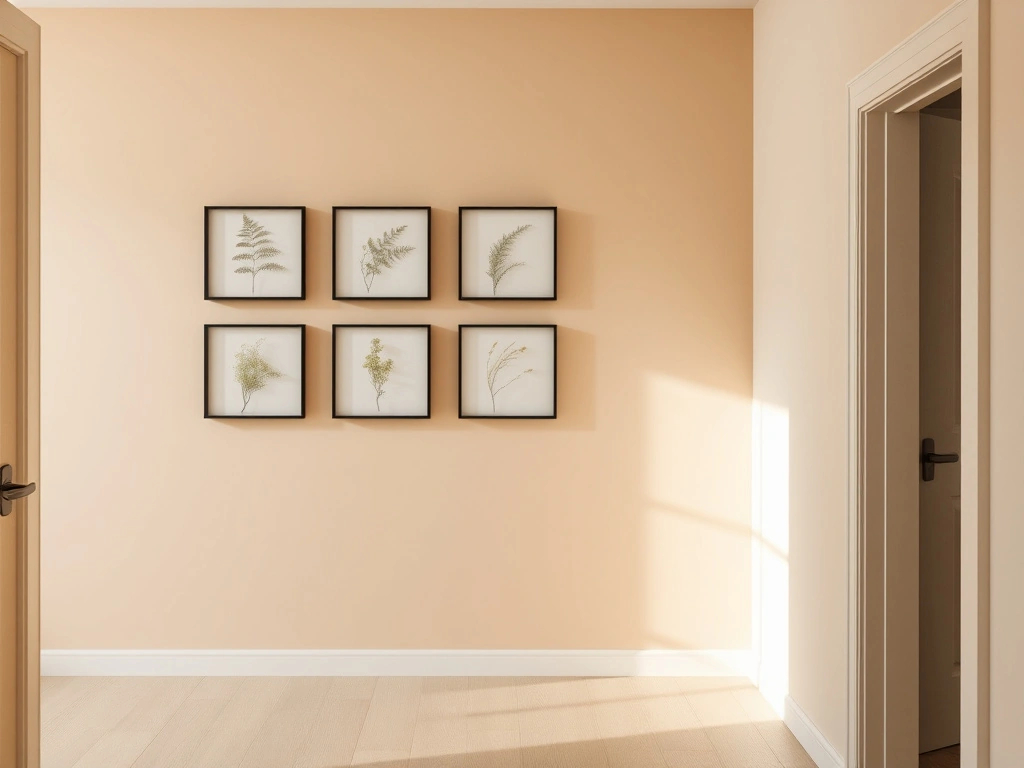
When floor and table space is limited, look to your walls to bring the outdoors in. Botanical wall art, particularly pressed flower frames, offers a timeless, gallery-like quality that adds a layer of history and texture to a room. This is a fantastic way to introduce floral elements without the maintenance of living plants, making it a perfect solution for guest rooms or narrow hallways.
To keep this look modern, focus on the framing. Skip the ornate, gilded frames in favor of clean, minimalist floating frames that allow the pressed botanicals to take center stage. A grid of four or six identical frames creates a bold, graphic statement, while a single, large-scale pressed leaf or wildflower in a thin, black-metal frame feels like a curated piece of fine art. The key is in the negative space; ensure there is plenty of air around the pressed elements so the arrangement doesn’t feel cluttered.
Color-wise, stick to a muted, organic palette. Pressed ferns, dried lavender, or simple wildflowers in shades of sage, taupe, and cream work beautifully across various design styles, from modern farmhouse to industrial chic. When hanging these pieces, ensure they are kept out of direct, harsh sunlight to prevent the colors from fading prematurely. If you are grouping multiple frames, keep the spacing consistent—usually about two inches apart—to maintain a cohesive, intentional appearance. This approach is highly effective for adding ‘softness’ to a room that feels too sterile or angular, providing a gentle, natural touch that feels both high-end and deeply personal.
Transitioning Floral Decor Across All Four Seasons
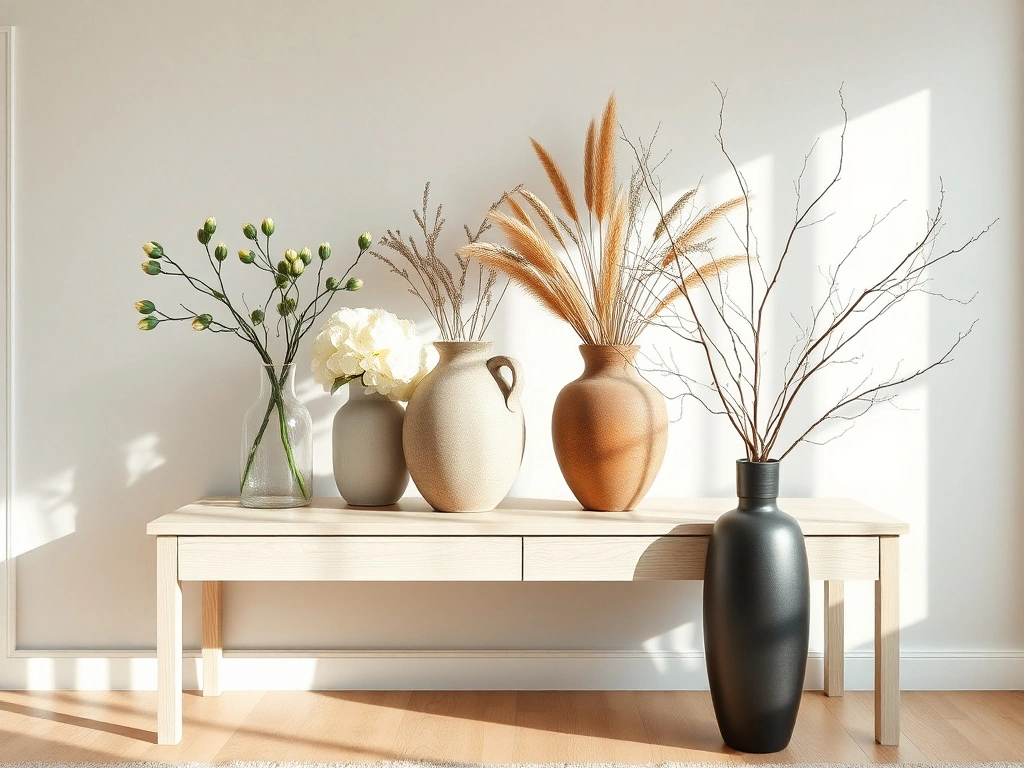
Your home should evolve with the year, and floral decor is the easiest way to signal a seasonal shift. By curating your vessels and botanical choices, you can create a home that feels naturally in sync with the environment. In the spring, lean into light, airy arrangements using tulips, cherry blossoms, and soft pastels. These should be housed in clear or light-colored glass to emphasize the feeling of renewal and transparency.
As you move into summer, embrace lush, full blooms like hydrangeas, peonies, and garden roses in vibrant, saturated hues. These look best in ceramic or stone vessels that can handle the weight of the stems. When autumn arrives, transition to deep, moody tones—think dried wheat, branches with berries, and preserved maple leaves in shades of rust, copper, and deep gold. Use heavier, textured vessels like rough-hewn clay or iron to reflect the grounded, cozy nature of the season.
Finally, for winter, focus on structural, architectural elements. Think bare branches, pine boughs, or even dried white flowers that mimic the frost. This is the time for metallic or dark-toned containers that add a touch of formality and elegance to the shorter, darker days. A common mistake is holding onto a seasonal arrangement too long; once the petals begin to brown or the stems look tired, it’s time to move to the next phase. By rotating your floral decor with the seasons, you keep your home feeling fresh and responsive. Use warm, dimmable lighting during the winter months to highlight the sculptural, stark beauty of your winter branches, creating a cozy and inviting atmosphere.
9. Optimizing Coffee Table Displays Without Creating Clutter
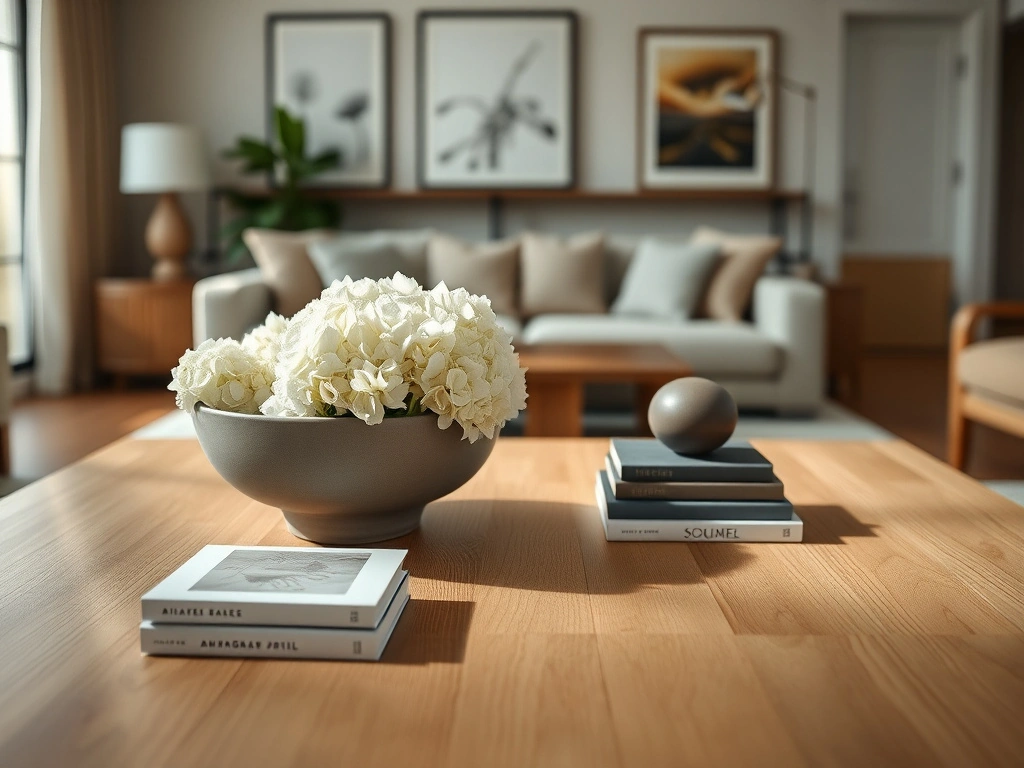
The coffee table is the heart of your living room, and a floral arrangement here should act as a focal point, not a barrier to conversation. To avoid the cluttered look, embrace the rule of thirds: keep your floral vessel to roughly one-third of the table’s surface area. If you are working with a large table, pair a low, wide-mouthed ceramic bowl filled with hydrangea or peonies with a stack of curated art books and a singular, sculptural object. This creates a balanced visual weight that feels intentional rather than accidental.
For a modern, airy aesthetic, avoid overly dense bouquets that block lines of sight. Instead, opt for ‘negative space’ arrangements where individual stems have room to breathe. A single, dramatic branch of dogwood or a few tall, architectural lilies in a glass cylinder can be far more impactful than a traditional, tightly packed bunch. If your table is small, skip the centerpiece entirely and place a petite bud vase on a decorative tray alongside your coasters. This keeps the surface functional for morning coffee while still introducing that essential organic element.
Lighting plays a crucial role in preventing a display from feeling heavy. Position your table near a window or under a soft ambient pendant to illuminate the petals, making them appear luminous rather than shadowy. If you find your arrangement feels ‘busy,’ edit out the smaller filler flowers and stick to a monochromatic palette of whites or deep greens. This designer trick instantly elevates the display, ensuring the coffee table remains a sophisticated anchor for the room rather than a resting place for excess decor.
10. Choosing the Best Flowers for Low-Light Living Spaces
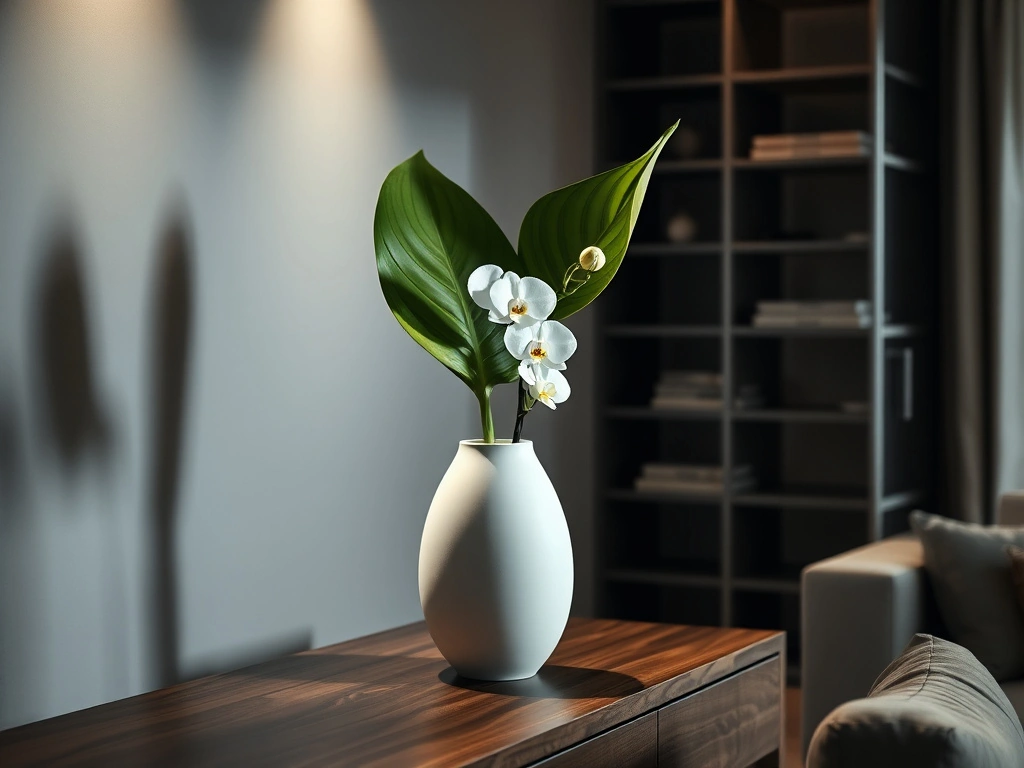
Living in a home with limited natural light doesn’t mean you have to abandon the beauty of fresh botanicals. The secret is knowing which varieties thrive in ambient conditions or choosing ‘hardy’ stems that don’t require direct sun to maintain their structural integrity. For a lasting display, look to tropical-inspired foliage like Monstera leaves or Birds of Paradise. These sculptural elements are incredibly resilient and bring a high-end, architectural vibe to dim corners without the need for constant sunlight.
If you prefer a traditional floral look, orchids are your best friend. Phalaenopsis orchids are masters of low-light environments, adding a sophisticated, vertical line to bookshelves or bedside tables. They offer a refined elegance that feels right at home in a contemporary space. Alternatively, consider dried florals like pampas grass or preserved eucalyptus. These aren’t technically ‘living’ in the traditional sense, but they maintain their color and form indefinitely in dark rooms where fresh flowers might wilt quickly.
When styling these for low-light areas, use lighter-colored vessels to reflect what little light is available. A matte white ceramic or a reflective metallic vase can brighten up a dark console table significantly. Avoid placing dark-colored flowers in dim corners, as they will simply vanish into the shadows. Instead, opt for pale pinks, creams, or vibrant greens to create a visual ‘pop.’ By selecting the right varieties, you can ensure your home feels vibrant and alive, regardless of your floor plan’s orientation to the sun.
11. Utilizing Floral Textiles to Add Softness to Modern Rooms
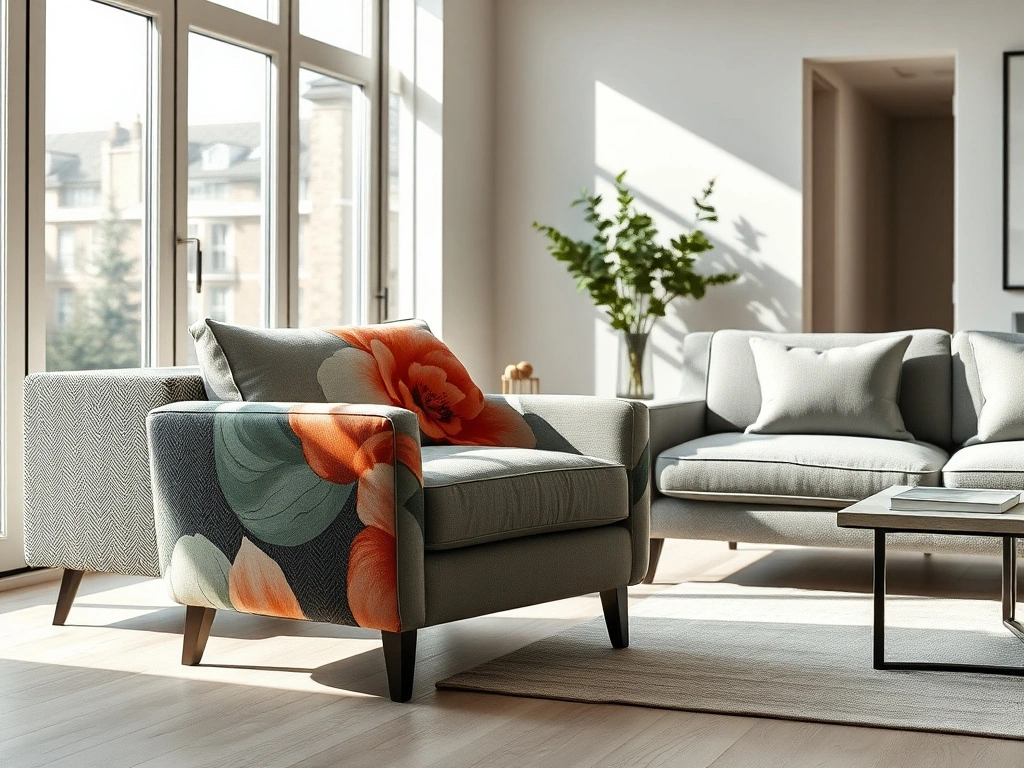
Modern design often leans heavily on clean lines, metal, and glass, which can sometimes feel cold. Floral textiles are the perfect antidote, providing a layer of softness that bridges the gap between structured furniture and organic comfort. The key to keeping floral patterns modern is to look for large-scale, painterly prints rather than small, repetitive Victorian-style florals. A bold, oversized botanical motif on a velvet throw pillow or a linen lumbar cushion acts like a piece of art, grounding the space with warmth.
When introducing these textiles, consider the ‘rule of one.’ Use a statement floral fabric on a single piece of furniture—like an armchair or a set of pillows—while keeping the rest of the room’s upholstery in solid, textural fabrics like bouclé, linen, or wool. This allows the floral pattern to stand out without overwhelming the senses. If you are feeling adventurous, look for botanical prints that feature a muted or moody color palette, such as sage green, charcoal, or terracotta, which feel inherently more sophisticated than bright, traditional chintz.
Don’t be afraid to mix these patterns with geometric textures. A floral pillow placed on a sofa with a subtle herringbone weave adds depth and visual interest. The juxtaposition of the fluid, organic lines of the flowers against the rigid geometry of the sofa creates a tension that is visually exciting. To keep the look cohesive, ensure that at least one color in the floral textile is pulled from your existing wall color or rug. This ties the element into the broader room design, making the floral addition feel like a deliberate, curated choice rather than an afterthought.
12. The Importance of Pruning Foliage Below the Water Line
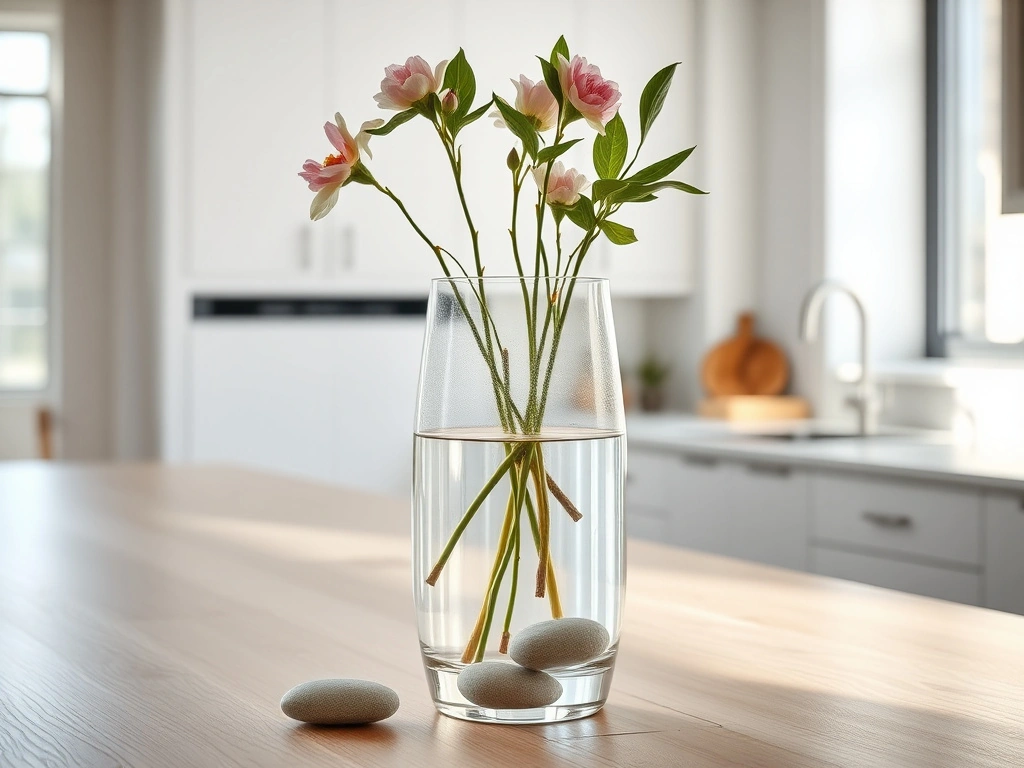
One of the most common mistakes that causes fresh arrangements to fail prematurely is the presence of submerged foliage. When leaves sit in the vase water, they begin to decompose almost immediately, introducing bacteria into the water. This bacteria clogs the stems of your flowers, preventing them from hydrating properly and leading to a wilted, murky mess within days. Professional florists treat pruning as the most critical step in the assembly process, and it is a habit every homeowner should adopt.
Before placing any stem into your vase, strip away all leaves from the bottom two-thirds of the stem. You want nothing but bare, clean stalks submerged in the water. This not only keeps the water crystal clear—which is essential if you are using a glass vase—but it also redirects the plant’s energy toward opening the blooms rather than trying to sustain submerged leaves. This simple act can easily double the lifespan of your arrangement.
For a polished look, consider the vessel’s transparency. If you are using a clear glass vase, the stems themselves become part of the design. Pruning ensures that the ‘underwater’ portion of the arrangement looks as intentional and clean as the blooms above the rim. If you find the stems look too sparse after pruning, you can add a few decorative river stones or submerged glass marbles to the bottom of the vase. This anchors the display and adds a subtle, high-end touch while keeping the water pristine. Remember, a clean vase is a happy vase; change the water every two days and give the stems a fresh diagonal snip to keep the hydration flowing freely.
13. Finding Budget-Friendly High-Quality Faux Alternatives
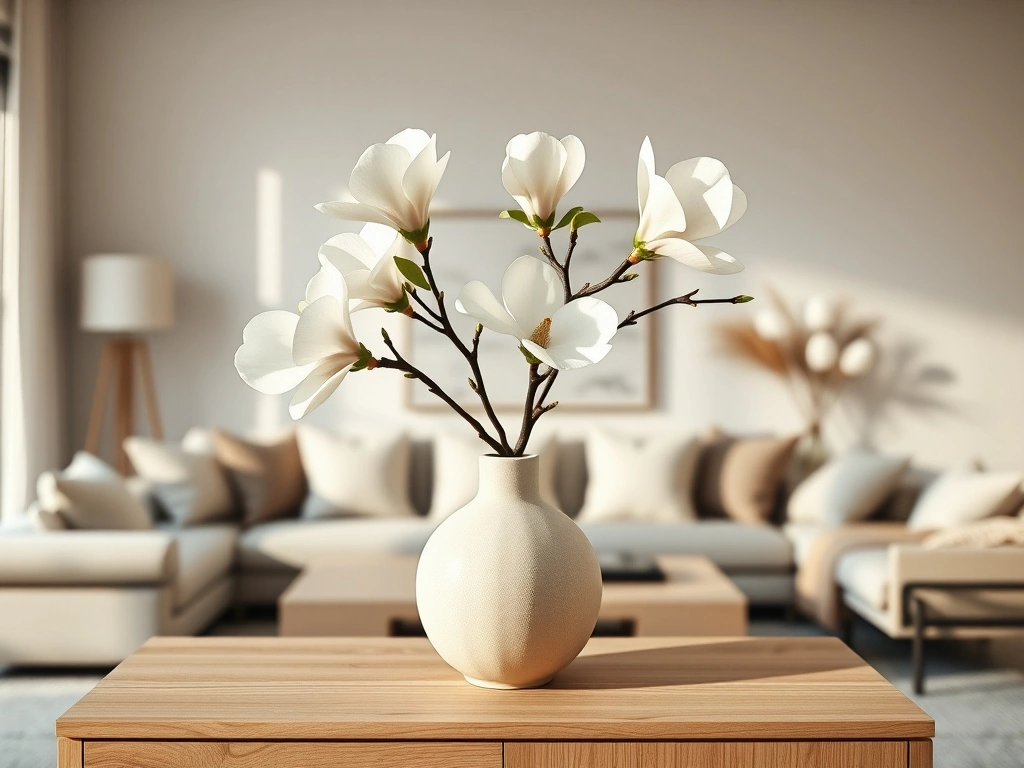
The stigma surrounding faux florals is largely a thing of the past, provided you know how to shop. The secret to finding high-quality faux stems that don’t look ‘cheap’ is to prioritize texture and material variety. Avoid the shiny, plastic-looking polyester petals that have been common for decades. Instead, seek out ‘real-touch’ florals made from high-grade silicone or silk-blends that mimic the natural, slightly imperfect texture of a real petal. These materials reflect light realistically, which is key to fooling the eye.
When shopping on a budget, don’t feel the need to buy a massive, pre-made bouquet. It is almost always better to purchase a few high-quality, singular stems and style them yourself. A single, well-made faux magnolia branch or a realistic-looking olive branch can be more impactful—and cost-effective—than a massive, poorly constructed arrangement. Look for branches that have wire cores, as these allow you to bend and shape the foliage to create a more natural, organic silhouette. A rigid, perfectly symmetrical faux plant is a dead giveaway that it’s synthetic.
To elevate your faux pieces, ‘plant’ them in a high-quality vessel. A heavy ceramic, stone, or hand-blown glass vase adds an air of authenticity that contrasts beautifully with the faux stems. You can also add a small amount of water to the bottom of a clear vase to enhance the illusion, though be sure the stems are treated to prevent rusting. Finally, dust your faux florals regularly with a hairdryer on a cool, low-speed setting. Keeping them clean and free of dust is essential for maintaining that fresh, premium look that defines a well-styled home.
14. Applying Color Theory to Botanical Accents
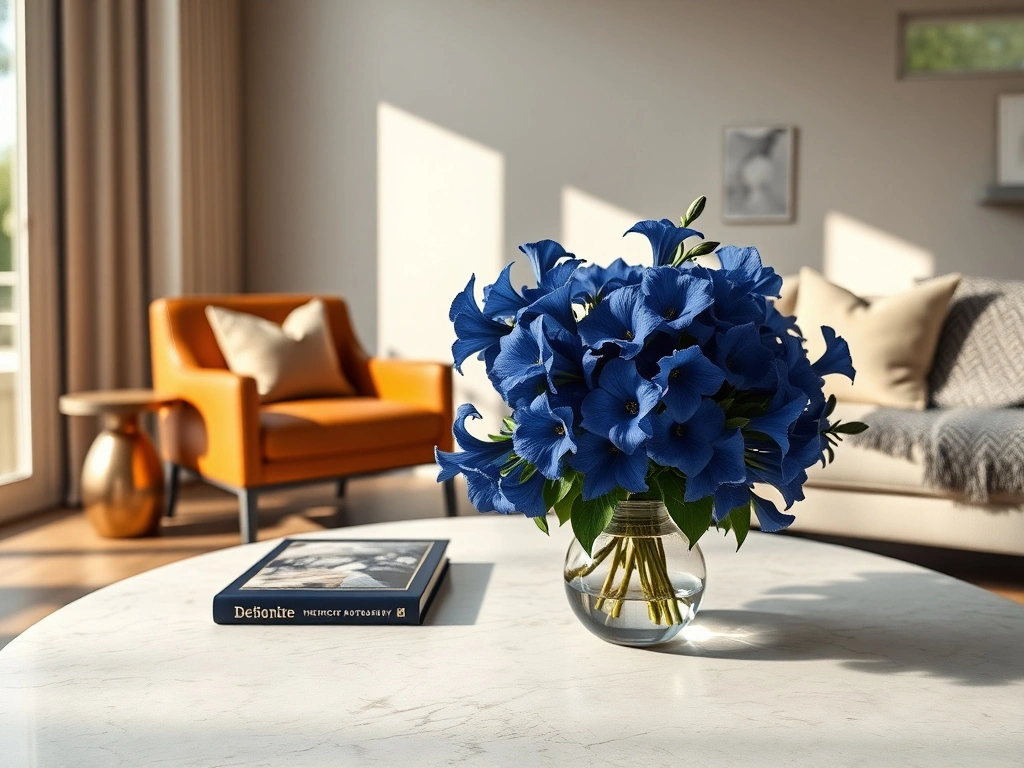
Floral decor provides a unique opportunity to experiment with color theory without the permanence of paint or wallpaper. To create a space that feels curated, use the color wheel to your advantage. For a calming, serene environment, look toward analogous color schemes—placing flowers that are adjacent to each other on the color wheel, such as soft blues, lavenders, and deep purples. This creates a gentle, harmonious flow that feels restful and sophisticated.
If you want your florals to act as a focal point, utilize complementary colors. If your room features warm, neutral tones like beige or cognac leather, a bouquet with deep blue or violet delphiniums will create a striking, high-contrast pop that demands attention. This is a classic designer move for injecting energy into a room that feels a bit too monochromatic. The contrast isn’t just about color; it’s about the vibrancy of the bloom against the backdrop of the space.
Consider the ‘seasonal shift’ when choosing your palette. In the winter, lean into deep, moody tones—burgundy, plum, and forest green—to mirror the outside environment. In the spring and summer, transition to lighter, airier palettes of blush, cream, and lemon yellow. The key is to ensure the color of your flowers echoes at least two other elements in the room, such as a piece of art, a throw blanket, or a decorative book spine. This repetition of color creates a ‘thread’ that weaves the floral arrangement into the fabric of the room, making it feel like it belongs there rather than just sitting on a surface.
15. Using Oversized Floor Vases for Dramatic Entryways
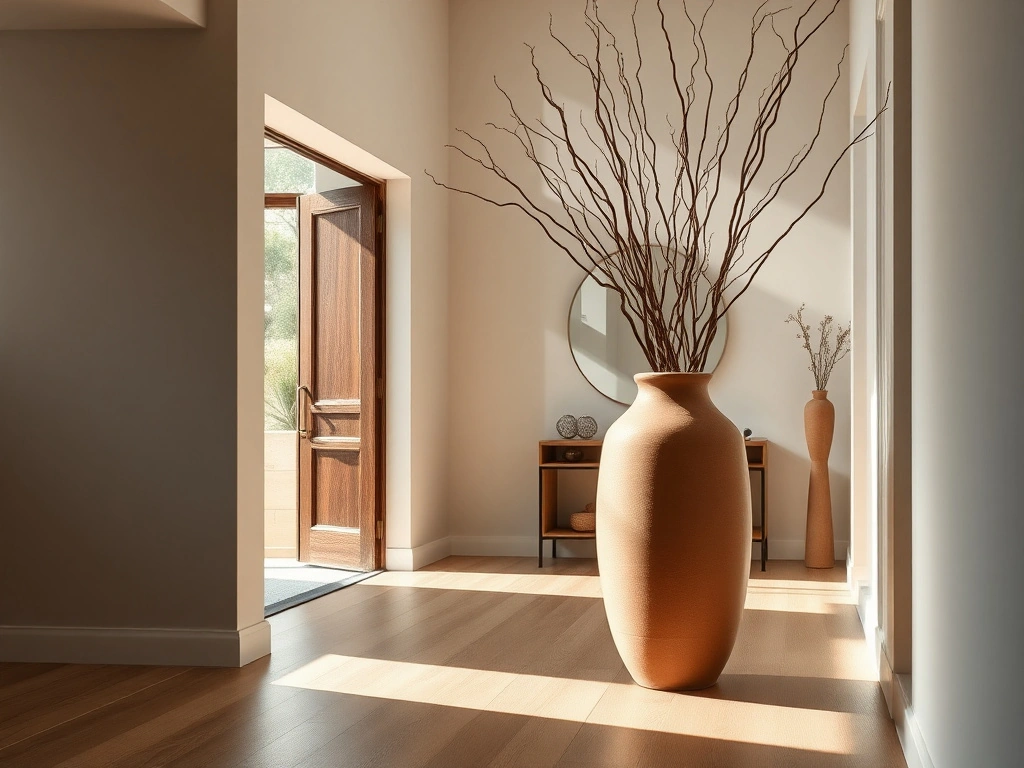
An entryway sets the tone for your entire home, and there is no better way to make a grand first impression than with an oversized floor vase. These pieces are architectural statements in their own right, and when paired with the right botanicals, they can transform a simple foyer into a gallery-like space. When choosing an oversized vase, look for materials that have substance—hand-thrown clay, hammered metal, or large-scale blown glass. The weight of the vessel grounds the space and prevents the display from feeling like an afterthought.
For the botanicals, think big. You want branches that have height and movement. Dried willow, curly willow, or long, architectural flowering branches like cherry blossom or dogwood are ideal. These stems should reach at least halfway up the wall space behind them to create a sense of verticality. The goal is to draw the eye upward, which makes the entryway feel taller and more expansive. Avoid overcrowding the vase with too many different types of flowers; a single, monochromatic variety is usually the most elegant choice.
Placement is key. Ensure your floor vase is situated where it won’t be in the way of heavy foot traffic but remains visible from the moment someone walks through the door. If you have a dark entryway, consider adding an uplight hidden behind the vase. This will cast dramatic shadows of the branches against the wall, creating an incredible, artistic feature at night. It’s a simple, high-impact design choice that elevates the entire home, proving that floral decor isn’t limited to tabletops and countertops.
16. Creating Cohesive Color Palettes With Natural Stems
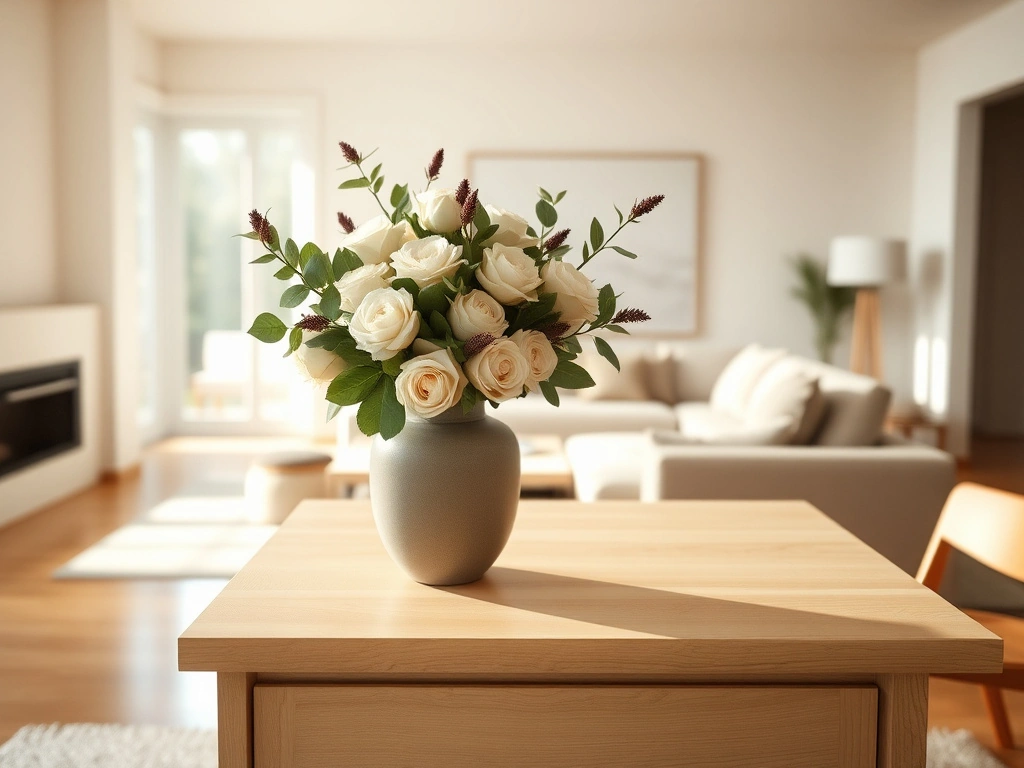
Achieving a cohesive look with natural stems is all about editing. Homeowners often make the mistake of buying mixed bouquets that include every color in the rainbow, which can quickly look chaotic or ‘craft-store’ rather than high-end. Instead, curate your stems based on a specific, intentional color palette. A monochromatic arrangement—such as all-white anemones, ranunculus, and sweet peas—is the epitome of modern luxury. It relies on varying textures and shades of the same hue to provide visual interest, which feels incredibly calm and sophisticated.
If you prefer a multi-colored arrangement, stick to the ’60-30-10′ rule used in interior design. Choose one dominant color (60%), a secondary color (30%), and a small ‘pop’ of an accent color (10%). For instance, a base of green eucalyptus (dominant), soft white garden roses (secondary), and a tiny cluster of deep berry-toned scabiosa (accent). This ratio ensures that your arrangement has a clear hierarchy and feels balanced to the human eye, preventing the ‘cluttered’ look that often comes with random floral mixing.
Think about the foliage as part of the palette, too. Foliage isn’t just ‘green’; it comes in shades of silver, blue-green, chartreuse, and deep emerald. Using silver-toned foliage like dusty miller or eucalyptus can instantly cool down an arrangement, making it feel more refined and ‘designer.’ When you approach your floral stems like a painter approaching a canvas, you stop seeing them as just ‘flowers’ and start seeing them as components of a cohesive design. This shift in mindset is what separates a standard floral arrangement from a truly professional, high-end interior display.
Displaying Single-Stem Florals for a Striking Minimalist Effect
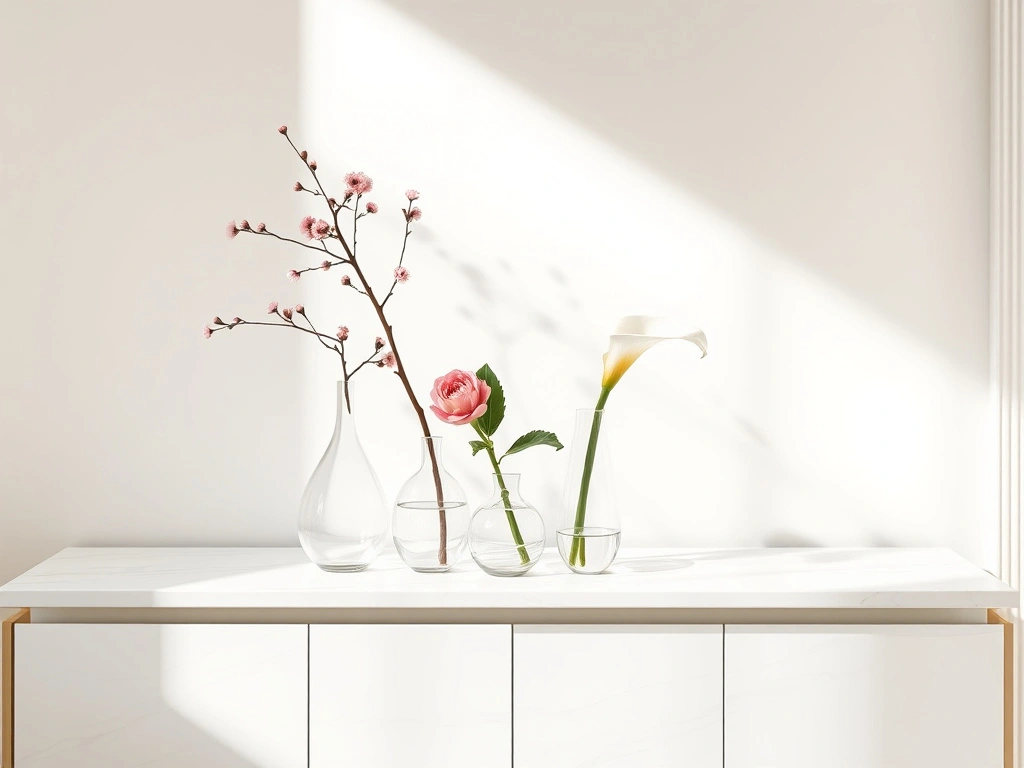
The beauty of minimalism lies in restraint, and nothing captures this philosophy quite like a single-stem floral arrangement. By isolating one high-quality bloom, you allow its architectural form, texture, and color to command the space without the visual noise of a crowded bouquet. This approach works best on clean surfaces like a marble console table, a bedside nightstand, or a floating wall shelf where the singular element can truly breathe.
To master this look, select stems with structural integrity, such as a sculptural branch of cherry blossom, a single dramatic protea, or an elegant calla lily. The vessel you choose is equally important; opt for bud vases made of hand-blown glass, matte ceramic, or polished brass to complement your existing decor. A neutral color palette—think cream, charcoal, or soft terracotta—provides the perfect backdrop for the natural hue of your botanical focus.
Lighting plays a crucial role in highlighting these silhouettes. Position your vase near a window where natural light can catch the delicate veins of a leaf or the velvet texture of a petal. Avoid the mistake of cluttering the surrounding area; keep the surface clear of other accessories to ensure the floral piece remains the undisputed focal point. For a designer-inspired touch, cluster three bud vases of varying heights, each holding a different single stem, to create a curated, gallery-like vignette that feels intentional and sophisticated.
Arranging Flowers to Enhance Small Apartment Aesthetics
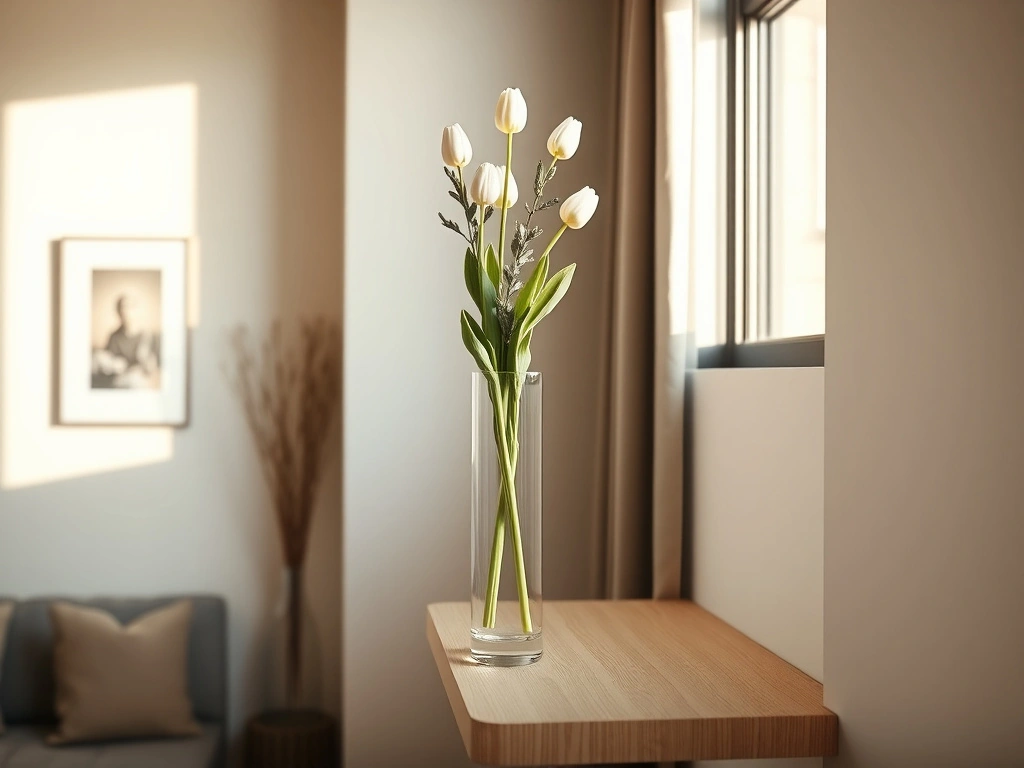
In smaller living spaces, the secret to floral decor is verticality and strategic placement. Rather than taking up valuable square footage on a coffee table, look to utilize wall-mounted vases, hanging planters, or high shelving units. By drawing the eye upward, you create an illusion of height and airiness that prevents a room from feeling cramped or overwhelmed by greenery.
For tight quarters, choose floral arrangements that are slender and upright rather than voluminous and spreading. Long-stemmed flowers like tulips or gladioli work beautifully in tall, narrow cylinders that tuck neatly into corners or on windowsills. If you prefer a softer aesthetic, consider dried botanicals like pampas grass or eucalyptus, which provide architectural interest without the need for frequent water changes or the risk of wilting debris.
Color coordination is vital in small spaces to maintain a sense of calm. Stick to a monochromatic palette—perhaps varying shades of white and sage green—to create a cohesive, soothing atmosphere. Avoid overly bright or clashing colors, which can make a small room feel chaotic. A common mistake is using oversized, heavy vases that dominate the room; instead, opt for translucent glass or delicate porcelain vessels that allow light to pass through, maintaining a sense of openness. By keeping your floral choices deliberate and proportionate, you can infuse your apartment with nature without sacrificing precious living space.
Incorporating Floral Wallpaper as a Subtle Accent Wall
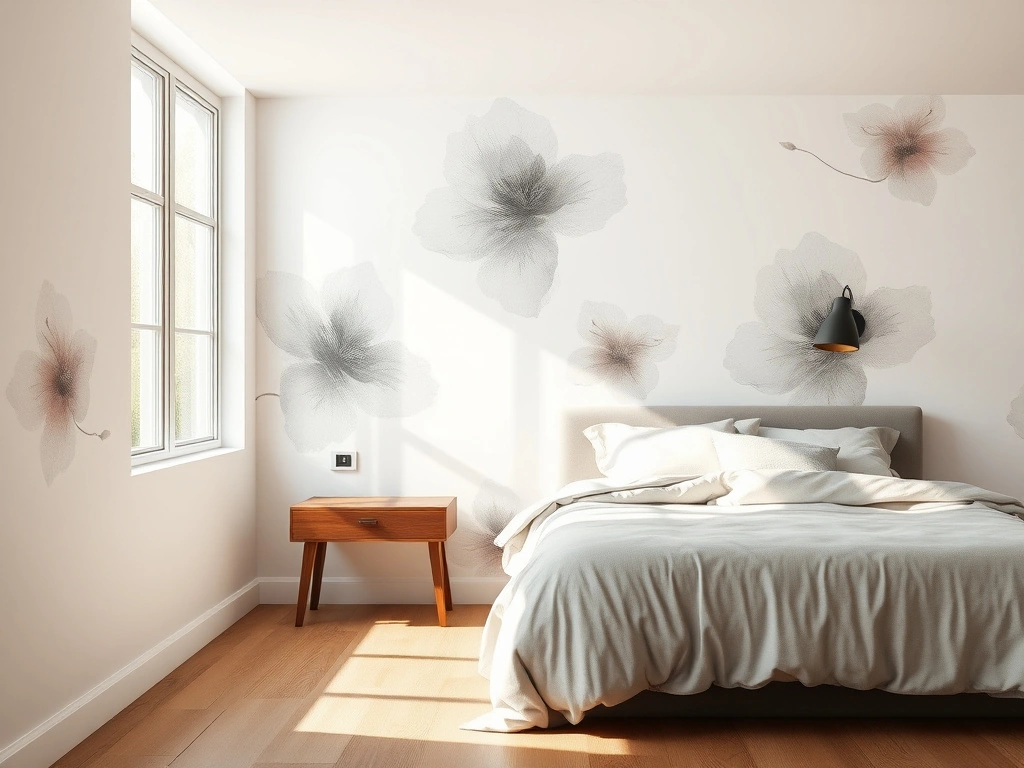
Floral wallpaper has evolved far beyond the busy, traditional patterns of the past. Today’s modern floral wall coverings favor oversized, watercolor-inspired motifs or sophisticated, monochromatic line art that feels like a large-scale mural. An accent wall featuring these designs can anchor a room, providing a sense of depth and personality that paint alone simply cannot achieve.
When choosing a floral print, consider the scale of the room. In a bedroom or home office, a soft, muted botanical pattern can create a serene, cocoon-like environment. The key is to match the wallpaper’s undertones with your furniture and textiles. If your pattern features hints of blush or gold, incorporate those same tones into your throw pillows or light fixtures to create a seamless, professionally designed look.
To avoid a ‘grandma-chic’ aesthetic, steer clear of overly dense or repetitive vintage florals. Look for designs with plenty of negative space, which allows the wall to feel like a curated piece of art rather than a busy backdrop. Lighting is essential here; install a statement wall sconce or a picture light above the wall to highlight the texture and detail of the paper in the evening hours. This technique creates a dramatic, high-end look that transforms a simple wall into the primary design feature of the room.
Techniques for Preserving Your Favorite Fresh Bouquets
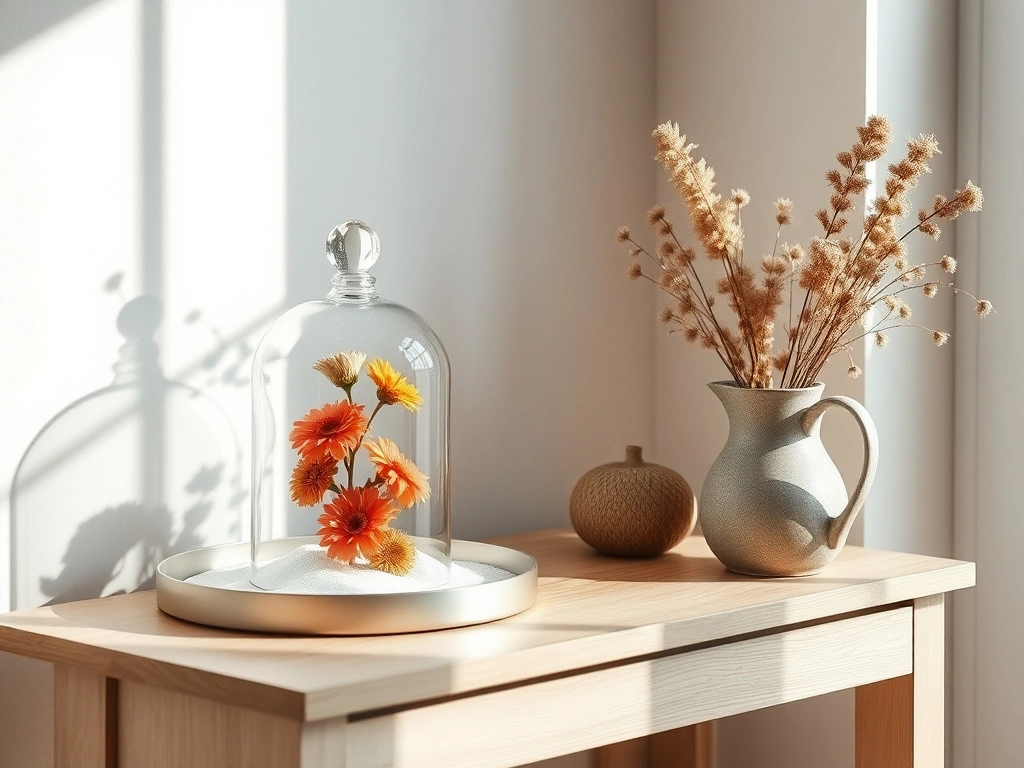
Extending the life of your flowers is an art form that begins the moment you bring them through the door. To maximize longevity, always trim stems at a 45-degree angle under running water, which prevents air bubbles from blocking the plant’s vascular system. This simple step ensures maximum water absorption, keeping your blooms vibrant for days longer than usual.
Beyond basic maintenance, consider the environment. Keep your arrangements away from direct sunlight, heating vents, and ripening fruit—the latter emits ethylene gas, which accelerates the wilting process. If you want to preserve the beauty of your favorite bouquet permanently, air-drying is a timeless technique. Simply hang your flowers upside down in a cool, dark, and well-ventilated space for two to three weeks. This results in beautiful, muted tones that look stunning in ceramic pitchers or woven baskets.
For a more modern approach, use silica gel to preserve the shape and color of individual blooms. This method is perfect for keeping a specific flower from a meaningful bouquet, such as from an anniversary or celebration. Once dried, these flowers can be displayed in glass cloches or framed shadow boxes, turning fleeting moments into lasting home decor. Avoid the mistake of leaving dead leaves in the water, as these decay quickly and introduce bacteria that will kill the rest of the bouquet. By being proactive with your care, you ensure that your botanical investments remain a source of joy for as long as possible.
Strategic Placement of Floral Decor for Maximum Visual Impact
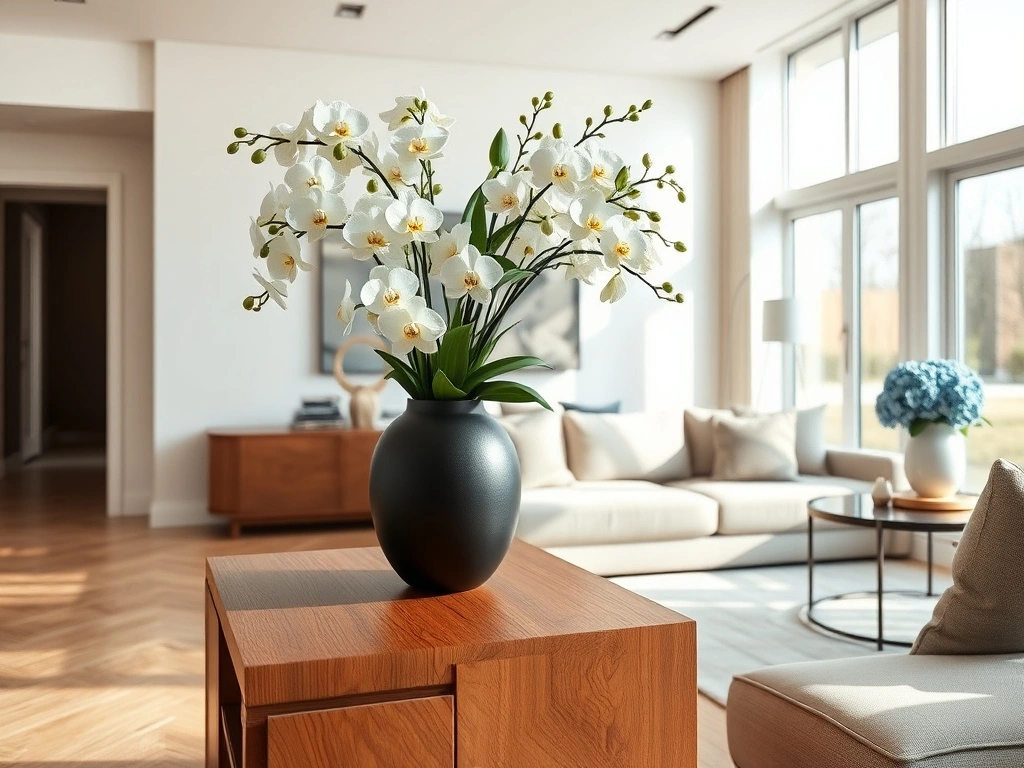
The placement of floral elements can dictate the flow and mood of an entire room. A large, dramatic arrangement placed in the entryway acts as a ‘welcome’ statement, setting the tone for the rest of the home. Meanwhile, smaller, softer arrangements in the bathroom or on a bedside table provide a sense of luxury and self-care. The goal is to distribute botanical touches throughout the home so they feel like a natural extension of your decor rather than an afterthought.
Consider the ‘line of sight’ principle when styling. Position your arrangements where they are naturally encountered as you walk through a space. A dining table centerpiece should be low enough to allow for conversation, while a mantle arrangement can be taller and more sculptural to draw the eye upward toward the fireplace. Use different textures to create contrast; pair soft, delicate petals with coarse, earthy pottery or sleek, metallic vases to add depth to your styling.
When choosing where to place your flowers, think about color repetition. If you have a blue sofa, incorporate subtle blue hydrangeas or cornflowers in a nearby arrangement to anchor the color palette. A common mistake is placing flowers on every available surface, which leads to clutter. Instead, select three ‘hero’ spots in a room and focus your efforts there. By focusing on quality over quantity, you create a home that feels intentionally styled and effortlessly elegant. Always ensure your floral decor complements the room’s primary style, whether that means using wild, asymmetrical arrangements for a bohemian look or structured, geometric bouquets for a modern space.
Matching Vase Heights to Stem Lengths for Balanced Proportions
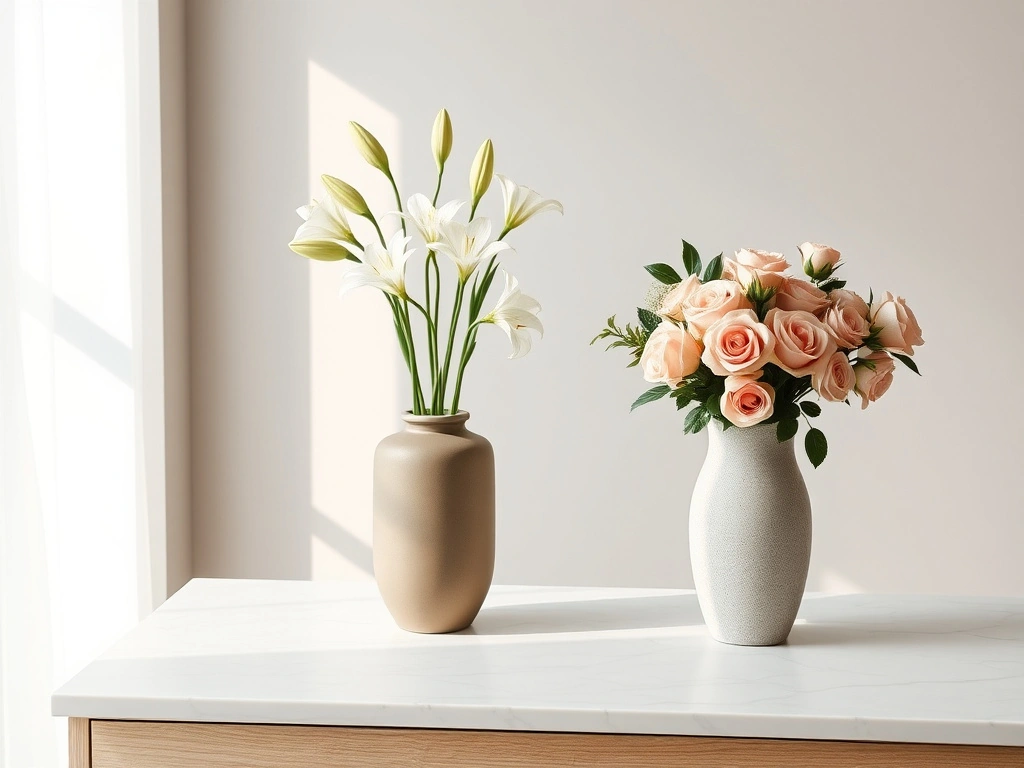
Proportion is the secret language of professional interior design. When arranging flowers, the relationship between your vase and your stems is the most critical factor in achieving a balanced look. A general rule of thumb is that the stems should be approximately one-and-a-half times the height of the vase. This ratio ensures stability and creates an aesthetically pleasing silhouette that feels grounded yet graceful.
If you are working with shorter, heavier blooms like peonies or garden roses, a shorter, wider vase is ideal. These vessels provide the necessary support for the heavy heads while allowing the stems to fan out naturally. Conversely, long, slender stems like lilies or snapdragons require tall, weighted vases to prevent the arrangement from becoming top-heavy and tipping over. For a more contemporary look, experiment with ‘asymmetrical balance’ by pairing a tall vase with a few shorter stems that drape over the edge, adding a touch of organic movement to the display.
Consider the material of your vase as well. Opaque ceramic or stone vases are excellent for hiding murky water and stems, creating a clean, polished look. Transparent glass vases, however, offer a more airy, light-filled aesthetic but require you to keep the water crystal clear and the stems trimmed perfectly. A common design mistake is using a vase that is too narrow for the number of stems, which crushes the flowers and restricts water flow. When in doubt, go for a wider mouth to allow the flowers to bloom fully. By mastering these proportions, you can create arrangements that look like they were styled by a professional florist.
Refreshing Your Home With Weekly Botanical Rotations
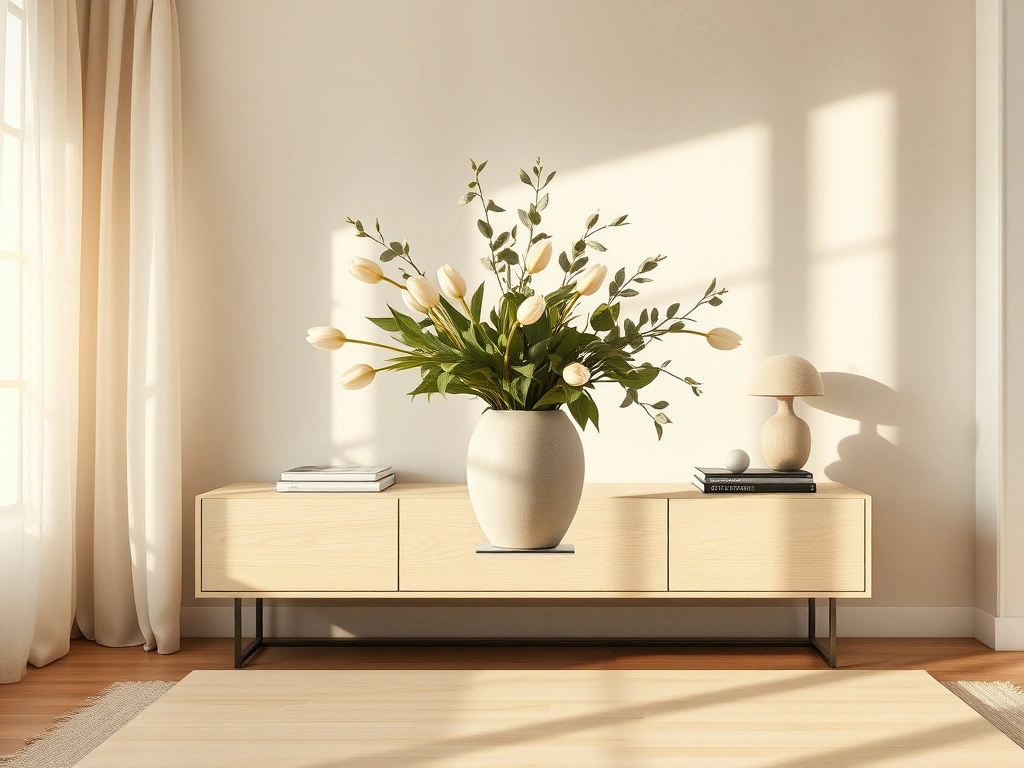
The most effective way to keep your home feeling vibrant is to embrace the seasonal rhythm of nature. A weekly botanical rotation doesn’t just mean changing the water; it means curating your home’s ‘palette’ based on what is currently blooming. In spring, focus on delicate bulbs like tulips or daffodils in pastel hues. As summer moves into autumn, transition to deep, warm tones like dahlias, dried grasses, or even branches with berries and foliage.
Rotating your flowers keeps your home feeling fresh and responsive to the outside world. This practice prevents your decor from becoming static or stale. If you find the cost of fresh flowers prohibitive, mix in high-quality faux stems with your real ones. Use real flowers for the focal points and fill in the base or back of the arrangement with realistic, permanent silk or preserved botanicals to add volume and texture without the recurring expense.
To make this rotation easy, keep a collection of versatile vases in neutral tones—white, cream, grey, and clear glass—that work with any color scheme. This allows you to swap your arrangements in minutes without needing to rethink your entire decor. A designer-inspired tip is to follow the ‘rule of three’: rotate your arrangements across three main areas of the house each week. This creates a cohesive narrative that ties the home together. By treating your floral decor as a dynamic, evolving element of your interior design, you ensure that your living space always feels current, inviting, and full of life.
Frequently Asked Questions
How can I prevent my flower arrangements from looking messy or cluttered?
The secret to a clean, intentional look is editing. Start by choosing a limited color palette—sticking to two or three complementary shades keeps the arrangement feeling cohesive rather than chaotic. Use the ‘rule of three’ for your vase placements and ensure your stems aren’t overcrowding the vessel. If you find an arrangement looks busy, remove the smaller filler flowers and focus on the structural, larger blooms. Often, a single, high-quality stem in a beautiful, textured vase creates a much more sophisticated impact than a large, unorganized bouquet.
What is the best way to mix high-end faux flowers with fresh greenery?
Mixing faux and fresh is a professional designer’s trick for longevity and realism. Invest in high-quality, silk or real-touch faux stems for your focal flowers, as these are harder to tell apart from the real thing. Then, fill the vase with fresh, seasonal greenery like eucalyptus or ferns. The fresh foliage provides the authentic scent and natural movement that faux stems lack, while the faux flowers ensure your arrangement always looks full and vibrant, even when you haven’t had time to visit the florist.
How do I choose a vase that complements a modern interior style?
Modern interiors thrive on interesting textures and clean silhouettes. Look for vessels made from matte ceramic, smoked glass, or raw stone, which add depth without being overly decorative. If your space is minimalist, choose a sculptural vase that stands on its own as a piece of art. The key is to match the weight of the vase to the flowers; heavy, opaque vessels ground large branches or dried stems, while clear glass is perfect for showing off the clean, pruned stems of fresh cut flowers.
Are there specific flowers that work better for low-light living spaces?
While fresh flowers generally need light to thrive, many foliage-heavy plants and certain cut flowers are quite resilient in dimmer rooms. If you are opting for fresh arrangements, look for long-lasting stems like lilies or carnations that don’t wilt immediately in lower light. However, for a permanent, low-light solution, high-quality faux botanical stems or dried arrangements like pampas grass and preserved eucalyptus are your best friends. They provide that essential nature-inspired aesthetic without requiring the sunlight that a living plant would demand to survive.
How often should I refresh my floral decor to keep it looking intentional?
Weekly rotations are ideal if you are using fresh flowers, as this allows you to adjust your color palette to match the mood of the week. For dried arrangements or faux stems, aim for a seasonal refresh. Changing your botanical accents every three months ensures your decor stays relevant to the time of year—think lighter, brighter stems in the spring and warmer, earthier textures in the autumn. This consistent, small-scale updating prevents your home from feeling stagnant and keeps your botanical aesthetic feeling fresh and curated.
Conclusion
Elevating your space with botanical accents is one of the most rewarding ways to breathe life into your home. By mastering the balance between fresh greenery, high-quality faux stems, and thoughtful vessel selection, you can create a look that feels both sophisticated and deeply personal. Remember that the goal is not to fill every corner, but to use these floral elements as intentional punctuation marks that reflect your unique style.
We encourage you to start small—perhaps by refreshing a single coffee table display or swapping a dated pattern for a modern, textured botanical piece. Once you see how these simple adjustments transform the atmosphere of a room, you will feel more confident experimenting with larger arrangements and seasonal rotations. Enjoy the process of bringing the beauty of the outdoors in, and let your home reflect the timeless, vibrant energy of nature.