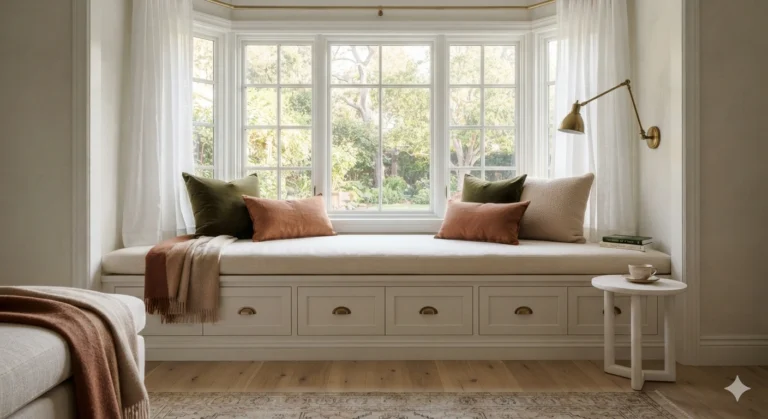
There is a distinct magic in a home that feels as though it has been lovingly put together over generations, rather than styled in a single afternoon. In a world often dominated by fleeting, flashy design trends, the allure of quiet luxury and understated elegance has never felt more grounding. It is about creating a space that whispers quality, celebrates heritage, and prioritizes comfort above all else.
However, capturing this coveted, inherited look can feel daunting if you do not actually possess a vault of family heirlooms or an unlimited budget. It is easy to worry that your space might end up feeling stuffy and museum-like, or worse, like a cheap imitation of high-end design. The secret lies in understanding how to curate rather than decorate, which is why exploring authentic old-money-living-room-ideas is the perfect starting point for transforming your space into a refined sanctuary.
You do not need a massive inheritance to achieve a warm, sophisticated home that feels rich with history. By focusing on classic textiles, curated vintage finds, and thoughtful architectural details, you can seamlessly blend timeless character with modern living. Here, we share practical, designer-approved styling strategies to help you craft a beautifully layered living room that feels genuinely collected over time.
Establish a Quiet Luxury Color Palette with Muted Neutrals
An authentic old-money aesthetic relies on a foundation of quiet luxury, which begins with a sophisticated, low-contrast color palette. Rather than relying on stark whites or cold, sterile grays—which can make a space feel clinical and mass-produced—opt for warm, enveloping neutrals. Think rich creams, soft taupes, muted bone, and gentle parchment. These tones create a serene, expansive backdrop that allows the architectural details and curated furniture pieces to take center stage.
This palette works beautifully in living rooms of any size, but it is particularly transformative in spaces with abundant natural light, where the subtle undertones of the paint can shift gracefully throughout the day. To prevent a neutral room from feeling flat, layer various tactile materials in similar tones. Combine a linen-wrapped coffee table with boucle accent chairs and silk-blend drapery.
Introduce depth by incorporating accents of historical, muted colors like sage green, dusty library blue, or a soft terracotta. A common mistake is introducing high-contrast, graphic black-and-white elements, which feel too modern and jarring. Instead, use warm espresso woods or antiqued brass to anchor the space. For lighting, use warm-white LED bulbs housed in ceramic or alabaster table lamps to cast a soft, inviting glow that enhances the cozy, historic atmosphere.
Integrate Heritage Wood Furniture and Antique Credenzas
Nothing tells a story of inherited wealth quite like the rich patina of vintage wood. Integrating heritage furniture—such as a Georgian mahogany secretary desk, a French walnut commode, or an antique oak credenza—instantly grounds a living room with a sense of history and permanence. Unlike modern flat-pack furniture, these heirloom pieces feature exquisite craftsmanship, hand-carved details, and a depth of color that only improves with age.
An antique credenza works exceptionally well as a focal point along an empty wall, beneath a large window, or even repurposed as a sophisticated media console to conceal modern technology. The key to styling these pieces without making your home feel like a dusty museum is contrast. Balance the heavy, dark wood of a heritage cabinet by pairing it with contemporary ceramic vases, a stack of art books, and a modern, minimalist sculptural object.
When sourcing, look for rich, warm woods like cherry, burl wood, and mahogany. Avoid the common mistake of matching all your wood finishes, which looks sterile and showroom-bought. Instead, confidently mix a dark walnut chest with a lighter oak side table; the variation suggests a collection curated over generations rather than purchased all at once. Ensure your lighting highlights the wood’s natural grain by positioning a slim, brass picture light above the credenza or placing a small accent lamp on its surface.
Layer Authentic Persian and Oriental Rugs on Hardwood Floors
The foundation of any classic, high-end living room is a beautifully weathered floor. Layering authentic Persian, Oushak, or Oriental rugs over rich hardwood floors adds instant warmth, acoustic comfort, and an undeniable sense of heritage. These hand-knotted wool rugs feature intricate, time-tested patterns and natural dyes that soften beautifully over decades of use, offering a subtle injection of color without overpowering the space.
This approach works best in the main seating area, where the rug can visually tie the furniture arrangement together. When styling, choose a rug large enough that at least the front legs of all major seating pieces rest comfortably on it. A common designer trick is to layer a smaller, intricately patterned vintage rug over a larger, neutral sisal or jute rug to add texture and save on the cost of a massive antique piece.
Look for rich, classic colorways featuring deep madder red, indigo blue, sage green, and warm ochre. Avoid synthetic, machine-made rugs with perfect, bright white fringes, as they lack the soul and texture of authentic wool. Instead, search for vintage pieces with slight imperfections and gentle wear, which feel authentic and lived-in. To highlight the rich textures of the rug, ensure your room has plenty of natural light and low-level ambient lighting from floor lamps to catch the subtle sheen of the wool fibers.
Install Classic Architectural Details Like Wainscoting and Crown Molding
One of the most effective ways to elevate a standard living room into a sophisticated, estate-like space is by introducing classic architectural millwork. Installing details such as crown molding, picture frame molding, or elegant wainscoting immediately gives plain drywall a sense of structure, depth, and historical significance. These elements mimic the grand architecture of historic European townhomes and country estates, providing a rich canvas for your decor.
This treatment works exceptionally well in rooms with high ceilings, but it can also visually lift lower ceilings when scaled correctly. For a seamless, modern take on this classic look, paint the walls, baseboards, and moldings in the same color and finish—such as a soft eggshell or satin. This technique, known as color-drenching, highlights the shadows and shapes of the woodwork without feeling overly busy or dated.
If you prefer a more traditional look, paint the wainscoting a slightly darker neutral than the walls above it, using timeless colors like warm putty, olive, or slate gray. The biggest mistake to avoid is using cheap, lightweight plastic or foam trim; always opt for real wood or high-quality MDF, which offers crisp, sharp edges and a substantial feel. Understated, warm sconce lighting mounted within the panels of picture frame molding will cast beautiful shadows and accentuate the architectural craftsmanship.
Source Vintage Oil Paintings with Ornate Gilded Frames
Art is the ultimate indicator of a curated, collected-over-time home. To capture the old-money aesthetic, bypass mass-produced canvas prints and instead source original vintage oil paintings housed in heavy, ornate gilded frames. Whether depicting a moody European landscape, a classic portrait, or a quiet still life, these pieces carry an air of mystery, character, and prestige that instantly elevates the entire room.
These framed masterpieces work beautifully when styled as a focal point above a fireplace mantel, hung in a tight gallery wall arrangement, or even casually leaned against the wall on top of a console table. When sourcing art, focus on pieces that exhibit rich, deep colors and visible brushstrokes, which indicate authentic craftsmanship. The gold leaf on the frame should have a warm, slightly tarnished brass patina rather than a shiny, bright yellow finish.
A common mistake is hanging art too high or choosing pieces that are too small for the wall. Aim to hang the center of the artwork at eye level, and don’t be afraid to let a large frame dominate a wall. To truly showcase your collection, install slim, battery-operated or hardwired brass picture lights directly above the frames. This focused, warm illumination highlights the texture of the oil paint and the intricate details of the carving, creating a cozy gallery feel in the evening.
Incorporate a Deep Chesterfield Leather or Velvet Sofa
Every old-money living room requires an anchor piece of furniture that commands attention while promising deep comfort. A classic Chesterfield sofa, with its deep button-tufting, rolled arms, and low profile, is the quintessential choice. Whether upholstered in a richly distressed cognac leather or a sumptuous mohair velvet, this silhouette speaks of historic gentlemen’s clubs and grand library lounges.
The Chesterfield works best in the center of the room, positioned to anchor the main conversation area. If you opt for a rich leather version, balance its masculine weight and dark tones by styling it with softer elements. Layer the sofa with linen throw pillows in muted sage or cream, and drape a luxurious cashmere throw blanket over the arm. If you choose velvet, select deep, historical hues such as forest green, navy, or warm mustard.
Avoid the mistake of buying a matching set of leather sofas and armchairs, which can look incredibly dated and commercial. Instead, pair your Chesterfield sofa with a couple of slender, linen-upholstered slipcovered chairs or mid-century modern armchairs to keep the look fresh and balanced. Ensure your lighting is soft and layered around the sofa; a tall brass floor lamp placed nearby will cast a gentle light perfect for reading, while highlighting the rich tufting of the upholstery.
Build Floor-to-Ceiling Bookshelves for a Library-Inspired Atmosphere
A true mark of the old-money lifestyle is an appreciation for literature, history, and art. Building floor-to-ceiling bookshelves transforms a standard living room into a cozy, intellectual sanctuary reminiscent of a private estate library. These built-ins provide massive architectural scale, rich texture, and a perfect canvas to display your personal interests and collected treasures.
This feature works best on a large, uninterrupted wall, or flanking a fireplace to create a balanced, symmetrical focal point. When styling the shelves, the golden rule is authenticity. Avoid the highly styled, empty look of modern minimalist shelves, as well as the trend of turning book spines inward or color-coding them, which looks artificial. Instead, pack the shelves with a mixture of hardcovers, leather-bound classics, and art books, stacking some vertically and others horizontally.
Intersperse the books with small framed artworks, vintage brass objects, ceramic vessels, and trailing plants to add visual breathing room. Paint the bookshelves in a rich, dark hue like charcoal, deep olive, or navy to create a dramatic, cozy backdrop, or match them to the wall color for a seamless look. Incorporate brass library lights mounted at the top of the shelving units to cast down-lighting over the books, creating an incredibly warm, inviting atmosphere when the sun goes down.
Style Cozy Seating Arrangements That Encourage Conversation
Old-money living rooms are designed for living, entertaining, and intimate conversation, rather than merely staring at a giant television screen. To achieve this welcoming, lived-in atmosphere, style your seating arrangements to encourage face-to-face interaction. Instead of pushing all your furniture against the walls—a common mistake that makes a room feel cold and cavernous—float your seating pieces toward the center of the room.
This arrangement works best when centered around a fireplace, a large coffee table, or a beautiful view. Position two armchairs directly opposite your main sofa, or place two matching sofas facing each other with a large upholstered ottoman or wooden coffee table in between. Ensure every seat has easy access to a surface to rest a drink or a book, whether it is a small drink table, a wooden side table, or the main coffee table.
Incorporate a variety of seating styles to make the space feel collected over time. Pair a structured sofa with a soft, slipcovered armchair and a vintage wooden bench. To make the arrangement feel incredibly cozy, layer in soft textiles like wool, velvet, and linen. Lighting is crucial here: avoid harsh overhead lights and instead use a mix of table lamps and adjustable floor lamps at eye level to create a warm, intimate circle of light that naturally draws people together.
9. Use Aged Brass and Bronze Accents Instead of Shiny Metals
High-shine chrome and polished gold can quickly skew towards a flashy aesthetic that lacks soul. To capture the quiet luxury of an old-money living room, look to the understated elegance of aged brass, antique bronze, and unlacquered finishes. These materials possess a living finish, meaning they will gracefully patina over time, telling a story of use and history that cannot be replicated overnight. This organic aging process is the very definition of heritage.
This approach works beautifully on cabinet hardware, fireplace screens, and small decorative objects. When styling, mix your metal finishes subtly—perhaps pairing an antique brass fender with deep bronze cabinet pulls. A common mistake is buying matching metal sets from a single big-box retailer, which instantly strips the room of its curated character. Instead, source authentic vintage pieces or look for hardware with hand-rubbed finishes.
Pair these warm, muted metals with moody paint colors like forest green, deep navy, or warm, enveloping cream. Under soft, warm lighting, aged brass develops a gentle glow rather than a harsh glare, immediately softening the room’s atmosphere. For a designer-approved touch, swap out standard plastic switch plates for unlacquered brass alternatives to elevate the everyday details of your space.
10. Mix Heirloom Antiques Seamlessly with Comfortable Modern Seating
An old-money living room should never feel like a sterile museum where you are afraid to sit down. The secret to this aesthetic lies in the artful tension between high-quality heirloom antiques and plush, incredibly comfortable modern seating. Combining a structured, centuries-old wooden chest with a deep-seated, slipcovered linen sofa creates a lived-in, layered atmosphere that feels both sophisticated and deeply welcoming. This effortless juxtaposition prevents the space from looking dated or stuffy, ensuring it remains highly functional for modern families.
This balance works best in the main conversation area of your living room. Position a pair of sleek, modern armchairs opposite a classic English roll-arm sofa, anchoring the arrangement with a rustic antique coffee table. Avoid the mistake of choosing furniture that is purely decorative; even your oldest pieces should serve a functional purpose, whether as storage or a surface for drinks.
When executing this mix, stick to a cohesive color palette of earthy neutrals, soft blues, and muted greens to tie the disparate eras together. Ensure your modern seating features high-quality, natural upholstery fabrics that complement the rich wood grains of your antiques. A designer-inspired trick is to drape a vintage cashmere throw over a modern chair, bridging the gap between contemporary form and heritage comfort.
11. Hang Elegant Brass Sconces and Picture Lights for Ambient Warmth
Lighting is the ultimate mood setter in a refined home, and the old-money aesthetic relies heavily on soft, layered, ambient illumination. Rather than relying on harsh overhead recessed lights, prioritize elegant brass sconces and classic picture lights. These fixtures cast a warm, localized glow that highlights architectural details and creates an intimate, inviting atmosphere after dark. The brass finish of the fixtures will also catch the light during the day, serving as elegant jewelry for your walls even when switched off.
Sconces work exceptionally well when flanking a fireplace mantle, framing a large window, or highlighting a cozy reading nook. Picture lights should be mounted directly above your favorite framed artworks, drawing the eye to the pieces and making the entire room feel like a private gallery. A common mistake is hanging sconces too high; they should generally sit at eye level, around sixty to sixty-six inches from the floor, to create the most flattering light distribution.
Choose fixtures with dimmable capabilities and opt for warm-toned LED bulbs to mimic the gentle flicker of candlelight. For a truly elevated look, pair brass sconces with small, pleated fabric shades in silk or linen. This designer detail diffuses the light beautifully while adding a subtle touch of pattern and texture to your walls.
12. Select Rich Natural Textiles Like Mohair, Linen, and Wool
The tactile experience of a room is just as important as its visual appeal, and nothing whispers luxury quite like rich, natural textiles. To achieve an authentic, high-end feel, steer clear of synthetic polyesters and instead embrace the sensory depth of mohair, linen, and wool. These heritage fabrics have been favored for generations because they wear beautifully, drape elegantly, and possess an inherent weight and quality.
Incorporate these materials throughout the room to create a rich tapestry of textures. Use heavy, Belgian linen for your drapes to allow natural light to filter through softly, and opt for plush mohair upholstery on a pair of statement armchairs for a touch of subtle luster. A wool-blend rug underfoot anchors the space with warmth and provides a soft foundation for the entire room.
When coordinating these fabrics, stick to a sophisticated color palette of oatmeal, sage, slate, and rich espresso. Avoid the mistake of over-coordinating; the textiles should look as though they were collected over time rather than purchased as a matching set. A designer tip is to mix different scales of texture—such as pairing a chunky wool knit throw with a smooth, matte linen sofa pillow—to create visual interest without relying on loud patterns.
13. Feature a Classic Stone or Marble Fireplace as the Focal Point
A fireplace is the traditional heart of the home, and in an old-money living room, it serves as the ultimate architectural focal point. To capture this timeless elegance, opt for a classic mantel crafted from natural stone, limestone, or heavily veined marble. These materials bring a sense of permanence, weight, and historical gravitas to the space that synthetic surrounds simply cannot replicate. The natural imperfections in the stone—small fossils in limestone or the unique veining of Calacatta marble—ensure that your fireplace is a one-of-a-kind work of art.
If you are remodeling, choose a mantel design with clean, classical proportions, such as a Georgian or French Provincial style. If a full renovation is not possible, you can still elevate your existing fireplace by painting the surround in a muted, sophisticated hue or adding a reclaimed stone hearth. Avoid the mistake of mounting a massive television directly above the mantel; this immediately disrupts the classic aesthetic. Instead, conceal the screen or hang a stunning oil painting in its place.
Style the mantelpiece with restraint. A pair of antique brass candlesticks, a small stack of leather-bound books, and a simple seasonal branch in a ceramic vessel are all you need. Under the soft glow of a crackling fire, the natural textures of the stone and marble will come alive, creating a cozy, sophisticated sanctuary that feels incredibly grounded.
14. Decorate with Hand-Painted Chinoiserie and Fine Porcelain Vases
True quiet luxury is defined by an appreciation for craftsmanship, and few items embody this better than hand-painted Chinoiserie and fine porcelain. These decorative elements have been staples of aristocratic homes for centuries, valued for their intricate artistry and timeless beauty. Introducing these pieces into your living room adds a layer of global history and refined elegance. The subtle sheen of the porcelain glaze will catch the ambient light in the room, adding a soft, reflective quality to your styled vignettes.
Display these treasures on built-in bookshelves, console tables, or as a striking centerpiece on your mantle. The classic blue-and-white porcelain color scheme is a timeless choice that pairs beautifully with warm wood tones and neutral upholstery. However, do not make the mistake of cluttering your space with too many small knick-knacks; instead, invest in a few larger, high-quality statement vases or ginger jars that can stand alone.
To style them like a designer, fill a large porcelain vase with fresh, loosely arranged branches or hydrangeas from your garden, keeping the arrangement organic rather than stiffly manicured. You can also mount a pair of Chinoiserie-style hand-painted panels on the wall to act as a sophisticated backdrop for a neutral sofa. This blend of delicate artistry and natural elements creates a space that feels deeply curated and full of life.
15. Hang Traditional Portraiture and Landscape Fine Art
The walls of an old-money living room should tell a story of heritage, culture, and appreciation for the arts. Skip mass-produced canvas prints and instead decorate your walls with traditional portraiture and landscape fine art. Whether you source original oil paintings from antique markets or frame high-quality vintage reproductions, these pieces bring an immediate sense of history and intellectual depth to your home.
This artwork works beautifully when hung above a sofa, nestled into a gallery wall, or placed on a picture easel on a side table. Look for landscapes featuring moody, atmospheric skies, rolling hills, or quiet pastoral scenes, and portraits that have a sense of character and mystery. A common mistake is using cheap, modern frames; instead, opt for heavy, gilded wood frames with a rich patina to elevate the artwork and make it feel like an inherited family heirloom.
When hanging your art, consider the lighting. A dedicated brass picture light mounted above a key painting will illuminate the brushstrokes and rich colors, making the piece pop after dark. Pair these classic paintings with a color palette of deep forest greens, rich burgundies, and warm creams to create a cohesive, gallery-like atmosphere that feels both sophisticated and deeply personal.
16. Introduce Dark Wood Accents with Mahogany and Walnut Side Tables
While light, bleached woods have had their moment in contemporary design, the old-money aesthetic firmly embraces the warmth and richness of dark woods. Introducing furniture crafted from mahogany, walnut, or cherry adds an instant sense of stability, heritage, and luxury to your living room. These dense, high-quality woods feature exquisite grain patterns that grow more beautiful with age and proper care.
Incorporate these rich tones through accent furniture like side tables, a classic writing desk, or a low-profile coffee table. Placing a dark walnut side table next to a light, neutral linen sofa creates a beautiful, high-contrast look that feels incredibly intentional. Avoid the mistake of matching all your wood tones; instead, mix a mahogany table with a slightly lighter oak piece to make the room look like it was furnished over decades rather than all at once.
To style these dark wood surfaces, top them with items that invite touch, such as a leather-bound journal, a small silver tray for keys, or a brass table lamp with a silk shade. The deep, warm undertones of mahogany and walnut pair beautifully with jewel tones like sapphire blue and emerald green, as well as soft, warm neutrals, creating a grounded and sophisticated space.
Soften Windows with Heavy Tailored Drapery and Pleated Curtains
Windows are the architectural frames of a living room, and heavy, tailored drapery instantly elevates them to create a sense of quiet luxury. This styling choice works beautifully in formal living spaces with tall windows or high ceilings, where the fabric can draw the eye upward and soften the hard angles of the room. By choosing substantial, high-quality window treatments, you introduce a layer of warmth, privacy, and acoustic comfort that makes the room feel incredibly cozy and high-end.
To achieve this polished look, prioritize rich, tactile materials such as heavy Belgian linen, thick cotton velvet, or silk-wool blends. Avoid synthetic, shiny fabrics that look mass-produced. Opt for a classic pinch pleat or Euro pleat for a structured, custom-tailored appearance. The drapes should just kiss the floor or puddle ever so slightly—no more than an inch—to look intentional and bespoke. Pair them with solid brass or hand-forged iron hardware with simple, elegant finials.
Stick to a sophisticated, muted color palette that complements your walls, such as warm ivory, soft taupe, olive green, or historic slate blue. A common mistake is hanging the curtain rod too low or too narrow. Instead, mount the rod as close to the ceiling or crown molding as possible, and extend it eight to twelve inches past the window frame on each side. This designer trick makes your windows feel twice their actual size and allows maximum natural light to flood the room when the drapes are open.
Display Curated Leather-Bound Books and Vintage Matchboxes
An authentic old-money living room never looks like a sterile showroom; it feels like a space that has been lovingly curated and lived in for generations. Displaying curated leather-bound books and vintage matchboxes on coffee tables, side tables, or bookshelves instantly injects character, history, and a sense of intellectual curiosity. This layered styling approach works best in cozy reading nooks, on central mahogany coffee tables, or nestled within built-in library shelving.
Instead of buying matching sets of faux decorative books, source genuine vintage volumes with worn leather spines, marbled endpapers, and gold-embossed lettering. Stack them horizontally to act as elegant pedestals for smaller decorative objects, or line them up vertically between heavy brass bookends. On top of a stack, place a small, tarnished silver or brass tray holding a collection of vintage matchboxes gathered from historic hotels, restaurants, or travels.
Lean into rich, warm tones for these vignettes—think deep burgundy, forest green, navy, and cognac leather. Position these displays near a soft light source, like a small accent lamp, to highlight the beautiful textures of the paper and leather. Avoid over-styling or making the arrangement look too symmetrical; the magic lies in the imperfection. A designer-approved tip is to mix a few modern art monographs among the antique books to keep the space feeling fresh, relevant, and personal.
Layer Lighting with Classic Ceramic and Alabaster Table Lamps
Lighting is the ultimate mood setter in a premium living room, and the old-money aesthetic relies on a layered approach rather than harsh overhead fixtures. Classic ceramic and alabaster table lamps bring sculptural beauty and a soft, diffused glow to seating areas. They work best when positioned on end tables flanking a sofa, atop a console table behind a floating couch, or nestled in a cozy corner next to a reading chair.
Alabaster offers a translucent, ethereal quality that glows from within when lit, while hand-glazed ceramic lamps introduce rich texture and organic shape. Look for timeless silhouettes like classic urns, gourds, or column bases. Always pair your lamps with high-quality, custom lampshades—preferably pleated silk, linen, or paper shades in an elegant empire or drum shape. Stick to warm, neutral tones for the bases, such as creamy whites, soft terracotta, or crackle-glazed celadon, and use warm-white LED bulbs to replicate the gentle glow of candlelight.
Avoid the mistake of matching your lamps too perfectly across the room. Instead of buying identical pairs for every surface, mix an alabaster lamp on one side of the room with a vintage ceramic piece on the other to create visual balance without sterile symmetry. A designer favorite is using solid brass hardware and dimmer switches on every lamp to easily transition the room’s ambiance from bright afternoon light to a warm, intimate evening glow.
Incorporate Fresh Florals and Greenery in Traditional Urns
No high-end living room is complete without the vibrant, organic energy of live plants and fresh flowers. Displaying them in traditional urns adds an architectural anchor and a sense of heritage, making the room feel continuously cared for and connected to nature. This styling choice works beautifully on a grand entryway console, a central fireplace mantel, or a sturdy wooden sideboard.
Choose urns made from classic, heavy materials like weathered terracotta, cast iron, solid brass, or footed stone. For the arrangements, avoid stiff, overly structured florist bouquets. Instead, opt for loose, garden-style arrangements that look like they were freshly clipped from an English estate. Think sprawling branches of olive, eucalyptus, or quince, paired with soft, romantic blooms like hydrangeas, garden roses, or peonies. Keep the color palette organic and understated, focusing on deep greens, soft creams, and dusty pinks.
Place these arrangements where they can catch natural daylight, as the sun filtering through fresh leaves creates beautiful, dancing shadows across the room. Avoid faux silk flowers at all costs, as they instantly cheapen the aesthetic. If fresh flowers are too high-maintenance for weekly replacement, rely on long-lasting green branches or a potted maidenhair fern in a stone urn. A designer tip is to let some branches drape naturally over the sides of the urn, embracing a slightly wild, asymmetrical silhouette.
Conceal Modern Technology Behind Cabinetry or Framed Art
One of the quickest ways to disrupt the timeless, historic charm of an old-money living room is a giant, black television screen dominating the wall. Concealing modern technology ensures the focus of the room remains on craftsmanship, art, and conversation. This approach works best on the main accent wall or above the fireplace, where entertainment units typically sit.
Invest in custom cabinetry, such as a handsome built-in bookcase with bi-fold pocket doors that slide away when the TV is in use and close completely when it is not. Alternatively, use a motorized canvas art lift or a specialized frame TV that displays high-resolution classical oil paintings when idle. Surround the screen with a heavy, gilded antique frame to blend it seamlessly into a gallery wall. Use rich wood species like walnut, oak, or mahogany for the cabinetry to help the screen recede into the background.
A common mistake is leaving cords and streaming boxes exposed. Ensure all wiring is routed through the walls and media boxes are hidden inside ventilated cabinets. For a designer-approved touch, incorporate brass mesh inserts into cabinet doors; this allows remote control signals to pass through while keeping the tech completely out of sight and maintaining a classic, sophisticated aesthetic.
Choose Plump Down-Filled Cushions in Classic Damask or Plaid
Comfort and luxury go hand-in-hand in a well-appointed living room. Plump, down-filled cushions wrapped in classic, high-quality textiles provide both physical comfort and visual depth. They work beautifully when layered on deep-seated sofas, traditional chesterfields, or tucked into the corners of wingback armchairs.
Avoid cheap polyester-filled inserts that feel stiff and bounce back unnaturally. Instead, opt for high-density feather and down inserts that allow for that classic “chop” and mold comfortably to your body. For the covers, select heritage textiles like rich silk damask, traditional wool plaid, or Belgian linen. These fabrics offer a tactile weight and historical narrative that synthetic blends simply cannot replicate. Mix and match patterns thoughtfully, pairing a large-scale plaid cushion with a smaller-scale damask or a solid velvet pillow in coordinating tones.
Choose a palette of rich, grounded colors like burgundy, hunter green, mustard yellow, and deep navy. Under soft evening lamplight, the varied textures of these fabrics will catch the light, adding layers of warmth to the seating arrangement. Avoid matching all your cushions to the exact fabric of your sofa, which can look like a showroom set rather than a curated home. A designer tip is to finish the edges of your cushions with custom details like brush fringe, contrast piping, or self-welting.
Embrace the Charm of Slightly Worn and Lived-In Patina
True old-money style is defined by longevity and heritage, meaning things should look loved, used, and built to last. Embracing a slightly worn, lived-in patina prevents your living room from feeling like a sterile museum or a fleeting trend. This aesthetic works wonderfully on high-traffic elements like wooden coffee tables, leather armchairs, brass hardware, and stone fireplace hearths.
Look for materials that age gracefully over time. Choose unlacquered brass hardware that naturally oxidizes and darkens with touch, or a classic Chesterfield sofa in distressed, full-grain leather that develops beautiful creases and character. A solid oak or walnut table with minor nicks tells a story of gathered family and shared meals, adding soul to the room. Highlight these rich textures with warm, directional lighting, such as a brass floor lamp casting light across a distressed leather chair.
Stick to natural, earthy colors that complement the organic aging process, such as warm wood tones, rich ochre, and deep bronze. A common mistake is trying to polish away the signs of age or buying cheap “distressed” furniture that looks fake. Let the wear happen naturally, or buy genuine antiques that have earned their patina over decades. A designer favorite is to mix these older, weathered pieces with crisp, clean elements—like a freshly upholstered linen sofa—to create a balanced, sophisticated contrast.
Frequently Asked Questions
Can I achieve the old-money living room look on a budget?
Absolutely. The essence of quiet luxury lies in curation and quality over quantity, which is highly achievable on a budget. Start by scouting local estate sales, thrift stores, and online marketplaces for high-quality vintage items like solid wood side tables, brass candlesticks, or ornate frames. Instead of buying a suite of matching new furniture, invest in one high-quality secondhand piece, like a leather Chesterfield or a vintage Persian rug. Focus on small, impactful details like adding classic crown molding or swapping out modern plastic switch plates for aged brass ones. It is about patience and finding pieces with character.
How do I prevent my old-money living room from feeling too stuffy or dated?
The key is balance. To keep your space feeling fresh and livable rather than like a historical museum, mix your antiques with clean-lined, comfortable contemporary seating. Avoid matching furniture sets at all costs. Instead, pair a structured heritage mahogany console with a deep, plush modern sofa in a neutral performance fabric. You can also introduce current abstract art alongside traditional oil paintings, or use modern, sleek lighting fixtures to contrast against vintage textiles. This tension between old and new creates a sophisticated, lived-in atmosphere that feels entirely relevant today.
What color palette best represents the quiet luxury aesthetic?
Quiet luxury relies on a sophisticated, understated color palette that feels organic and calming. Focus on warm, muted neutrals as your foundation—think rich creams, soft beiges, and warm taupes rather than stark, cold whites. For depth, layer in traditional, nature-inspired accent colors like deep forest green, muted navy, burgundy, mustard, or soft sage. These colors should feel grounded and historical rather than bright or neon. The goal is to create a cohesive backdrop that allows your wood patinas, brass accents, and rich textiles to shine.
How can I integrate modern technology, like a large TV, without ruining the aesthetic?
Modern screens can easily disrupt the timeless feel of an old-money living room, but there are several elegant ways to conceal them. A popular option is a smart TV that displays classic art when not in use, framed in an ornate gilded frame. Alternatively, you can house your television inside a beautiful antique armoire or behind custom cabinet doors that blend seamlessly into your bookshelves. For a simpler fix, mount the TV above the fireplace and cover it with a motorized canvas print of a classic landscape painting that rolls up when it is time to watch.
What fabrics and textiles are essential for an old-money aesthetic?
To capture this look, prioritize high-quality, natural textiles that offer tactile richness and durability. Look for heavy linen, wool, mohair, velvet, and silk. These fabrics drape beautifully and age gracefully over time. For patterns, stick to classic, traditional motifs such as subtle plaids, understated stripes, damask, or delicate florals. Avoid synthetic, shiny fabrics which can detract from the refined feel. Instead, focus on layering different textures—like a chunky wool throw over a soft leather sofa—to create depth and a sense of cozy, inherited comfort.
Is it okay if my vintage furniture has visible wear and tear?
Not only is it okay, but it is actually encouraged! A crucial element of the old-money aesthetic is patina—the natural aging process that shows a piece has been loved and used for decades. A few minor scratches on a mahogany side table, a slightly faded spot on an oriental rug, or worn leather on an armchair add authentic character and soul to your room. It signals that your home is a comfortable, lived-in sanctuary rather than a sterile showroom. Embrace these gentle imperfections as part of your home’s unique story.
Conclusion
Creating an old-money living room is not about displaying wealth or achieving flawless perfection; rather, it is about cultivating a sense of warmth, history, and quiet luxury. By focusing on high-quality natural textiles, rich wood patinas, and curated vintage finds, you can design a space that feels deeply personal and beautifully layered over time. It is a design philosophy that honors heritage while prioritizing everyday comfort and effortless elegance.
If you are ready to transform your space, remember that you do not have to overhaul your entire home overnight. Start small by introducing one or two key elements, such as styling a cozy conversation area with a vintage rug, or sourcing a beautifully framed oil painting for your mantelpiece. Let your collection grow organically, embracing the slight imperfections and lived-in charm that make a house truly feel like a home. With a patient, curated approach, you will easily craft a sophisticated sanctuary that stands the test of time.